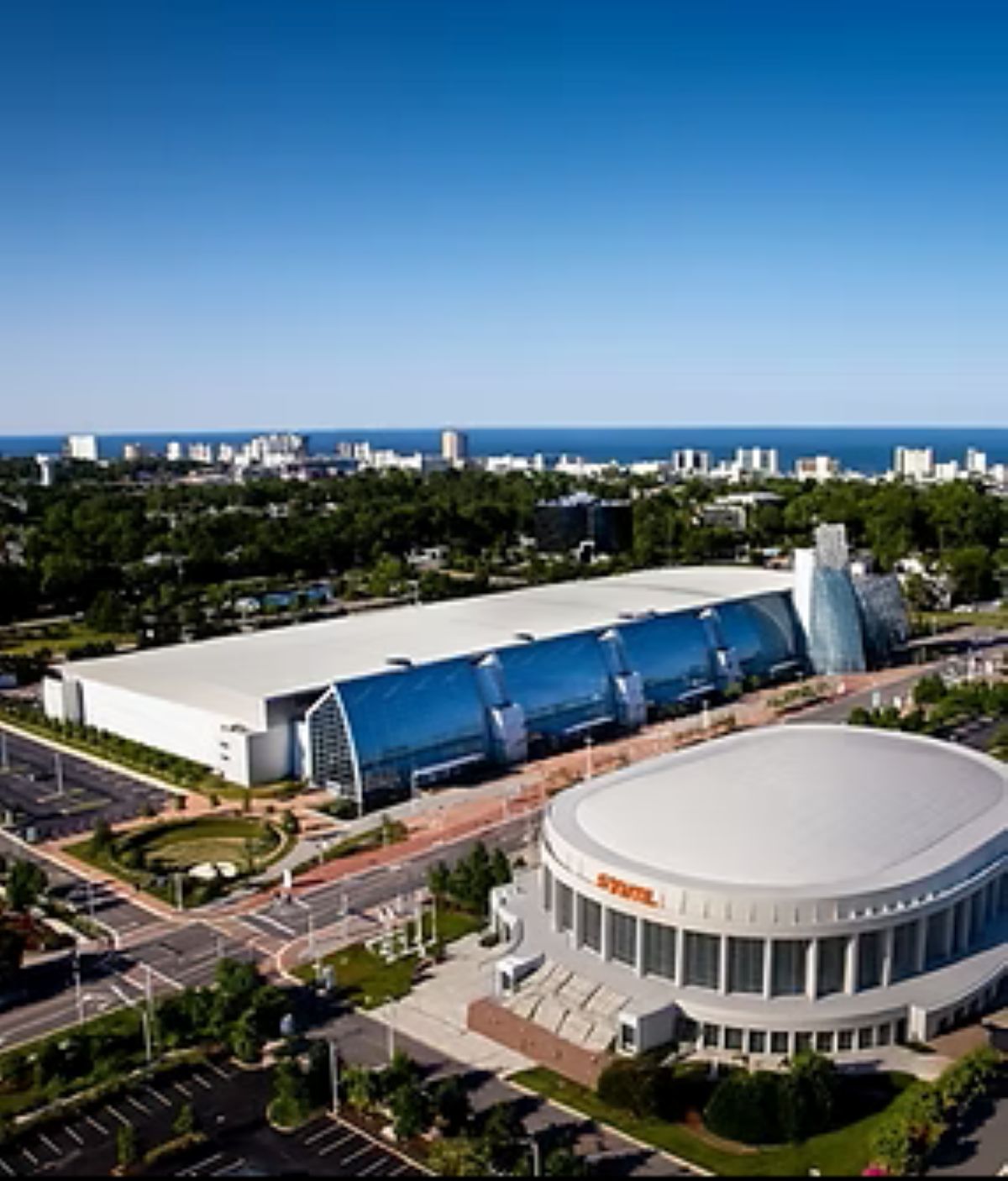
Virginia Beach is the largest media market without a major league team in the United States.
Virginia Beach Pushes for Professional Sports Arena
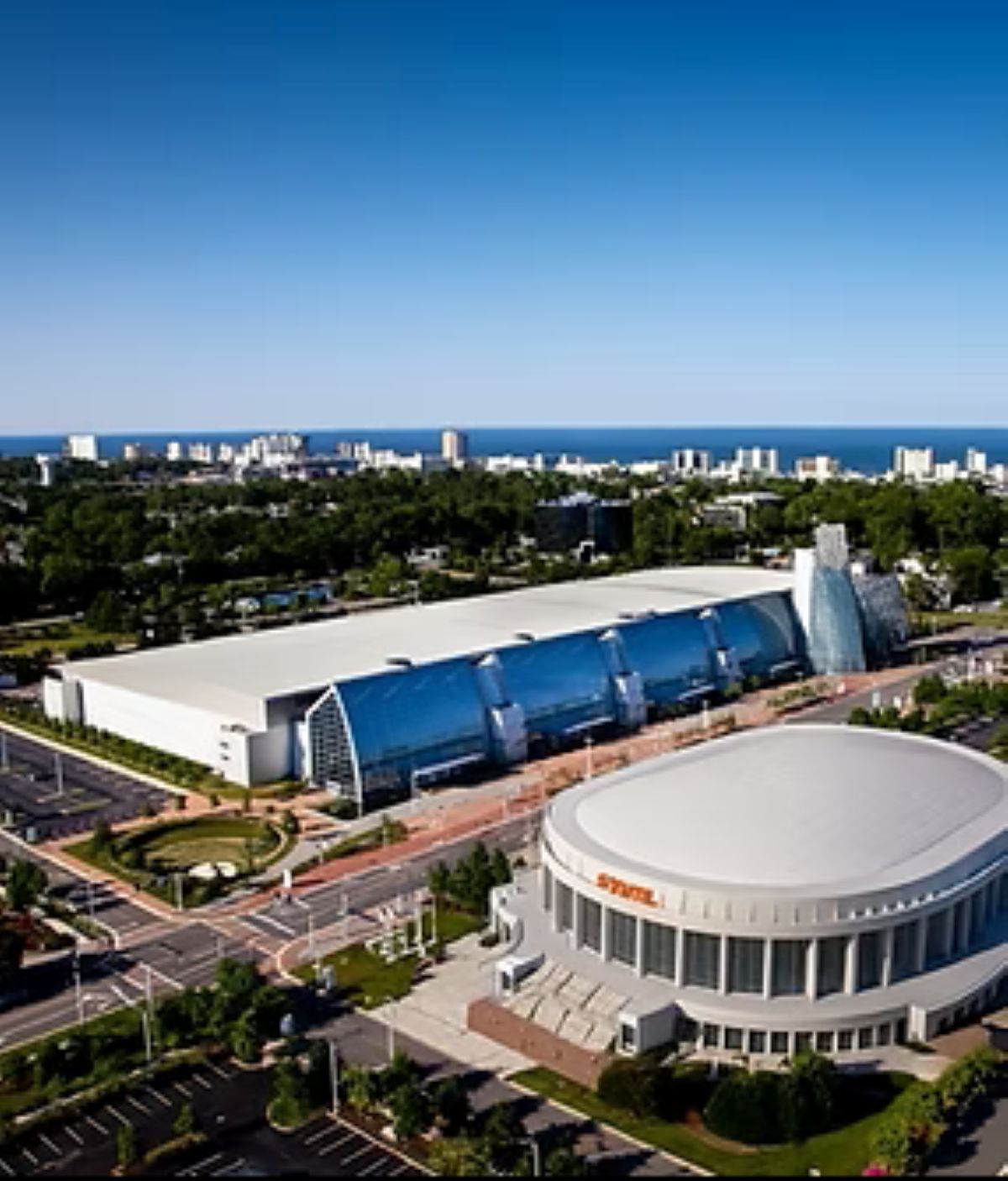
Virginia Beach is making a fresh push to bring professional sports to the region. Local entrepreneur Coleman Ferguson is leading a community-driven initiative to fund a 20,000-seat multipurpose arena. Ferguson estimates construction costs between $300 million and $700 million. The venue could generate up to $200 million annually from concerts, sporting events, and entertainment programming.
SEC-Compliant Investment Structure
Ferguson is pursuing a Regulation A+ offering to comply with U.S. Securities and Exchange Commission (SEC) rules. This allows eligible companies to raise public capital while giving investors true equity ownership. Key points include:
No funds will be accepted until the offering is qualified by the SEC
The campaign is managed through DealMaker, a crowdfunding platform for SEC-compliant investments
Shares start at $50, with Virginia Beach residents receiving extra voting power and perks
Investors can provide input on arena design, team names, programming, and food vendors
Full financial disclosures, risk factors, and use-of-proceeds documentation will be provided
A project website confirms that no money is being collected yet. Promotional materials are reviewed to avoid misleading statements.
Market Context and Historical Efforts
The Norfolk-Hampton Roads region is one of the largest U.S. markets without a major professional sports franchise. Previous attempts to bring teams to the area include:
The Virginia Squires, an ABA team featuring Julius Erving and George Gervin
A 1997 NHL expansion proposal by Charlotte Hornets owner George Shinn
A 2013 visit from the Maloof brothers, former Sacramento Kings owners, exploring relocation
Despite multiple proposals, no arena has been built—until now. Ferguson’s plan aims to construct the venue first, then attract an NBA or NHL franchise.
Transparency and Investor Protections
To ensure SEC compliance and protect investors, the Virginia Beach Arena Project will:
File Form 1-A with the SEC, detailing risks, financials, and offering terms
Provide audited financial statements if fundraising thresholds require it
Deliver a subscription agreement outlining investor rights and obligations
Share educational materials to help investors understand risks and limitations of private securities
Ferguson’s approach emphasizes transparency and community involvement. If successful, Virginia Beach could finally secure a major sports and entertainment venue for the region.
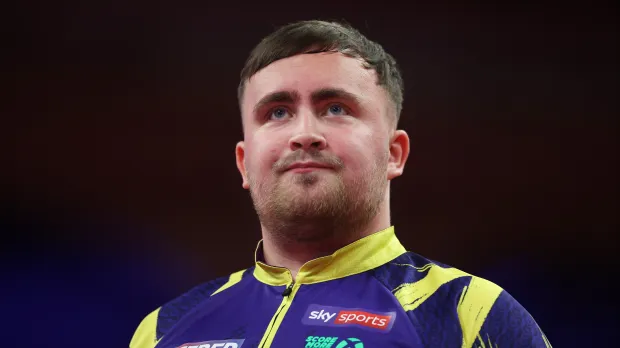
Defending champion and teenage sensation Luke ‘The Nuke’ Littler is set to face the first real test of his title defence as he comes up against 2017 World Champion Rob Cross tonight, with the last-16 getting under way at Alexandra Palace.
Littler, who turned from prodigy to top dog in record time, has cruised into the fourth round without dropping a set and says he feels great. The teenager is the heavy favourite to reach his third quarter-final from three appearances.
Former champion Rob Cross, however, has been playing some scintillating darts of his own, including a 4-0 demolition of Damon Heta in the previous round. If he can maintain his scoring, he could cause a major upset tonight in what is sure to be a electric atmosphere at ‘The Ally Pally’.
Littler looks untouchable, but Cross could shake the teen sensation
World No.1 Luke Littler will strike fear into the rest of the field, having admitted he has never felt better on the ‘Ally Pally’ stage than during his third-round mauling of Mensur Suljovic. He plays so quickly and scores so accurately that opponents’ heads often become dazed within minutes, struggling to keep up. But former champion Rob Cross, nicknamed ‘Voltage’, brings a similar high-octane style that could rattle the 18-year-old.
If World No.17 Rob Cross can stick to his own lightning-fast game and match Littler’s relentless scoring, he could pull off a shock – just like his 6-4 Players Championship victory over his compatriot earlier this year.
Path to the last-16, head-to-head and prediction
Paths to last-16
Luke Littler
First Round: Darius Labanauskas 3-0
Second Round: David Davies 3-0
Third Round: Mensur Suljovic 4-0
Rob Cross
First Round: Cor Dekker 3-0
Second Round: Ian White 3-1
Third Round: Damon Heta 4-0
Head to Head
Littler and Cross have met sixteen times, with Littler largely in control at 13-3. That includes a 6-2 sets thrashing of Cross during his breakout 2024 World Championships. But Cross heads into tonight’s Last-16 showdown on the back of victory in their most recent clash – providing some much-needed confidence in his chances against the world No.1.
Prediction
Given that he is the defending champion and has already captured six major titles this year, it’s hard to see anything other than a Littler victory.
However, if Cross can maintain his high level of consistent scoring throughout the match, he has every chance of coming through as the winner, and I feel tonight will be the night that ‘Voltage’ provides a massive shock.
Prediction: Cross to win with a set to spare, 4-2.
In the next era of college athletics, the Atlantic Coast Conference faces a defining crossroads. Imagine a 2030 landscape where Clemson, Florida State, Miami, North Carolina, and perhaps even Louisville exit for richer pastures. Even in that scenario, the ACC is far too valuable — institutionally, academically, and geographically — to simply collapse.
I humbly offer ACC Commissioner Jim Phillips and the conference’s member schools a blueprint not only to keep the league intact, but to position it to expand and thrive. The institutions that make up this conference are too significant, too powerful, and too valuable to ignore — and with that in mind, here is the plan.
The remaining core of academically elite, mission‑aligned universities would have the opportunity to rebuild the league into a modern, stable, academically driven national conference. Rather than chasing the SEC and Big Ten’s financial arms race, ACC 2.0 could re‑center itself around research excellence, institutional compatibility, and a coast‑to‑coast footprint that appeals to both ESPN and emerging streaming partners.
Why the Remaining ACC Schools Won’t Bolt for the Big 12
The Big 12 is aggressive, opportunistic, and well‑run — but it is not a natural academic or institutional fit for the ACC’s remaining members. Here’s why each school is better off staying:
Duke
Elite AAU academics
Basketball brand unmatched in the Big 12
Strong ESPN relationship
Big 12 offers no academic peers
Virginia
AAU powerhouse
Massive research footprint
Fits culturally with Stanford, Cal, Georgia Tech
Big 12 would be a step down academically
Virginia Tech
Strong football brand
Geographic anchor for the Mid‑Atlantic
Big 12 travel would be brutal
ACC stability + new markets = better long‑term value
NC State
Research Triangle identity
Local rivalries with Duke/UNC/VT
Big 12 offers no comparable academic ecosystem
Georgia Tech
AAU member
Atlanta market
Tech‑centric brand fits ACC’s academic identity
Big 12 lacks peer institutions
Pittsburgh
AAU member
Natural rivalries with Syracuse, BC, Notre Dame
Big 12 travel and time zones are a poor fit
Syracuse
Northeast media footprint
Basketball heritage
Big 12 is geographically and culturally misaligned
Boston College
Only Power conference school in New England
Massive media market leverage
Big 12 has no presence or value in the Northeast
Wake Forest
Elite private‑school academics
Big 12’s public‑school culture doesn’t match
ACC offers stability and peer alignment
Cal & Stanford
AAU giants
West Coast academic prestige
Big 12 is not an academic match
ACC gives them a national platform without compromising identity
SMU
Wealthiest donor base in the country
Texas recruiting access
ACC brand elevates SMU more than Big 12 ever could
Bottom line: The Big 12 is a good football league. The ACC is a university league — and that matters to these schools.
The New Additions: Why They Strengthen ACC 2.0
ACC 2.0 strategically adds USF, UConn, Tulane, Memphis, Rice, Army (football only), and Navy (football only) — each selected for academic alignment, media value, and institutional fit.
USF
AAU status
R1 research
New on‑campus stadium
#11 Tampa–St. Pete–Sarasota DMA
Massive NIL potential
Aggressive investment in sports
UConn
NYC–New England corridor
Elite basketball brand
Strong academics
Restores Northeast relevance
Football is on the upswing
Tulane
AAU‑level academics
New Orleans market
Rising football credibility
Memphis
Central U.S. footprint
Passionate fanbase
Strong recruiting region
Rice
AAU member
Houston market
Elite academic prestige
Army & Navy
National visibility
Tradition and patriotic appeal
Annual Army–Navy game becomes an ACC property
Together, these additions create a coast‑to‑coast academic‑athletic alliance unmatched outside the Big Ten.
Notre Dame: The Biggest Winner in ACC 2.0
Notre Dame remains a full ACC member in all sports except football, where it maintains independence. But in ACC 2.0, the Irish gain:
A league that mirrors Notre Dame’s academic identity
If anything, ACC 2.0 becomes the perfect home for Notre Dame’s Olympic sports — and the perfect partner for its football independence.
Why ESPN Stays Invested Beyond 2036
ACC 2.0 controls major markets including Boston, New York City, Washington DC, Atlanta, Tampa Bay, New Orleans, Memphis, Pittsburgh, Raleigh–Durham, San Francisco/Oakland, and Houston.
For ESPN, this means:
Year‑round content
High‑value basketball inventory
East Coast + West Coast windows
Service academy games
Notre Dame Olympic sports
Even after 2036, ESPN will want:
Inventory
Stability
National reach
Academic prestige
ACC 2.0 checks every box.
Why Apple, Amazon, YouTube, and DAZN Will Bid
The next media cycle will be dominated by streamers. ACC 2.0 offers:
National markets
Elite academic brands
Basketball dominance
Service academy tradition
Notre Dame adjacency
West Coast + East Coast time zones
Competitive Football programs already in the conference with up-and-coming new teams joining.
DAZN, in particular, is looking to plant a U.S. flag through its pursuit of Main Street Sports. ACC 2.0 gives them:
A national conference
A stable inventory
A premium academic brand
This is exactly the kind of league a streamer wants to anchor a long‑term sports strategy.
How the ACC Learned From the Pac‑12 Collapse
The Pac‑12 died because it:
Waited too long to understand their problems
Had no unified vision
Lost Los Angeles
Ignored streaming partners
Failed to expand
ACC 2.0 does the opposite:
Expands early
Adds major markets
Builds academic alignment
Creates national inventory
Embraces streaming
This is a conference built to survive. Thanks in advance to the ACC for looking at my suggestions and best of luck in the future.
In case you needed another example of Tampa Bay Buccaneers incompetence, Sunday afternoon was another great example of how far this team has truly fallen.
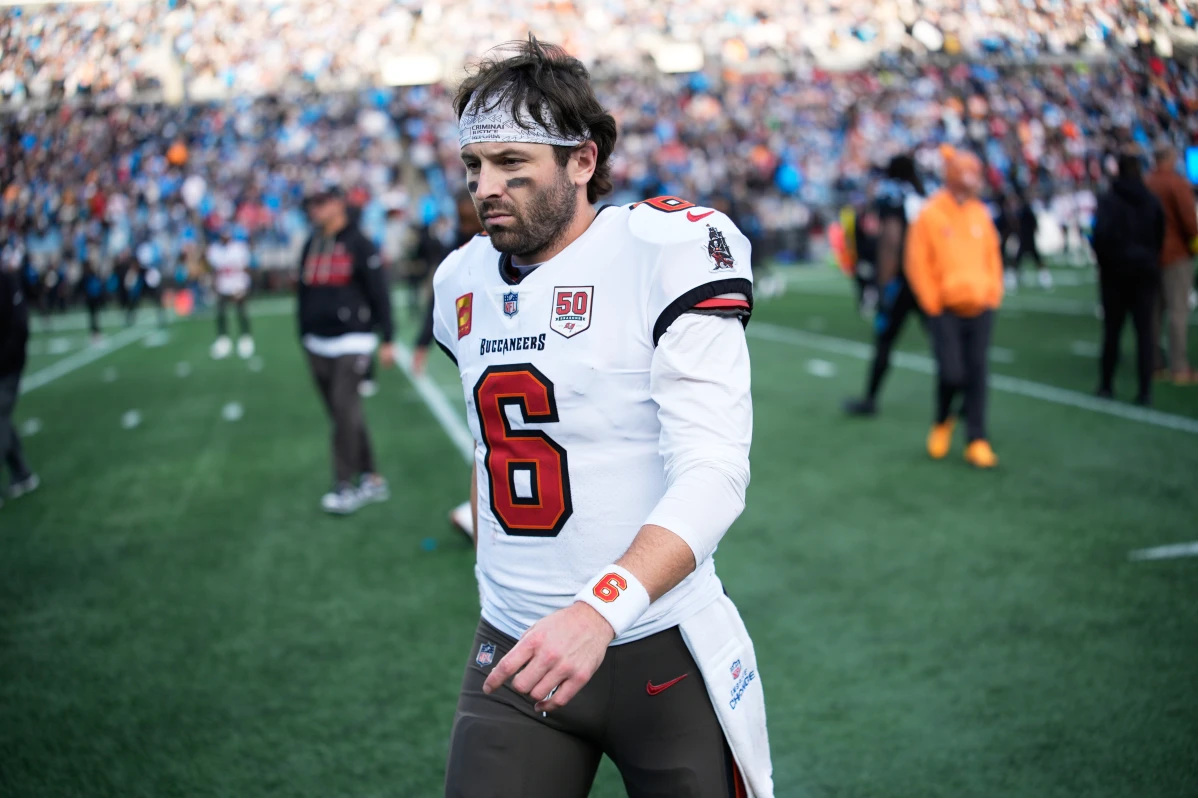
With Baker Mayfield committing three turnovers, two of them interceptions, one fumble, Bucky Irving, continuing his fall from grace, and the defense failing to contain a Miami Dolphins offense led by seventh round pick, rookie quarterback Quinn Ewers, it was just an absolutely abysmal performance all the way around.
It’s depressing to say, but I’m afraid I’m running out of ways to describe such an atrocious football team.
After the 20-17 loss the Buccaneers fall to 7-9 for the season, and yet because the Carolina Panthers also took a loss to the Seattle Seahawks, the Bucs have a chance to still sneak into the playoffs as a division winner with a victory next Sunday at home against those Panthers.
Head coach, Todd Bowles, has had his job security and question seemingly since he was hired, but this year has been one of the few times where those calls actually have some weight to them after the Buccaneers have gone 1-7 over their past eight weeks.
However, NFL insider Ian Rappaport mentioned on NFL network that there was no discussion of a head coach coaching change for Tampa Bay.
Bowles signed a contract extension before this season began.
He’s certainly the hot name that most people are discussing when talking about any potential changes this team could make, but for a team that has played as poorly as they have there aren’t too many people that should be considered safe both on the roster and coaching staff.
From Bowles to Baker to the special teams coaches to the entire defense, everyone has been a massive disappointment to finish out this season.
Could the Buccaneers consider drafting a quarterback as early as the first round this off-season?
It’s certainly not out of the question with one year remaining on Baker Mayfield’s contract and his play falling off a cliff after such a miraculously hot start to begin this season.
And if general manager, Jason Licht, sees someone that he likes and falls to the Buccaneers, even if Tampa Tampa Bay somehow manages to sneak into the postseason, there has to be some pause if they like a young quarterback enough.
We shall see how the season finishes, as another division title could paper over a lot of these problems and the Buccaneers could decide to run it back for another season (which they might do anyways).