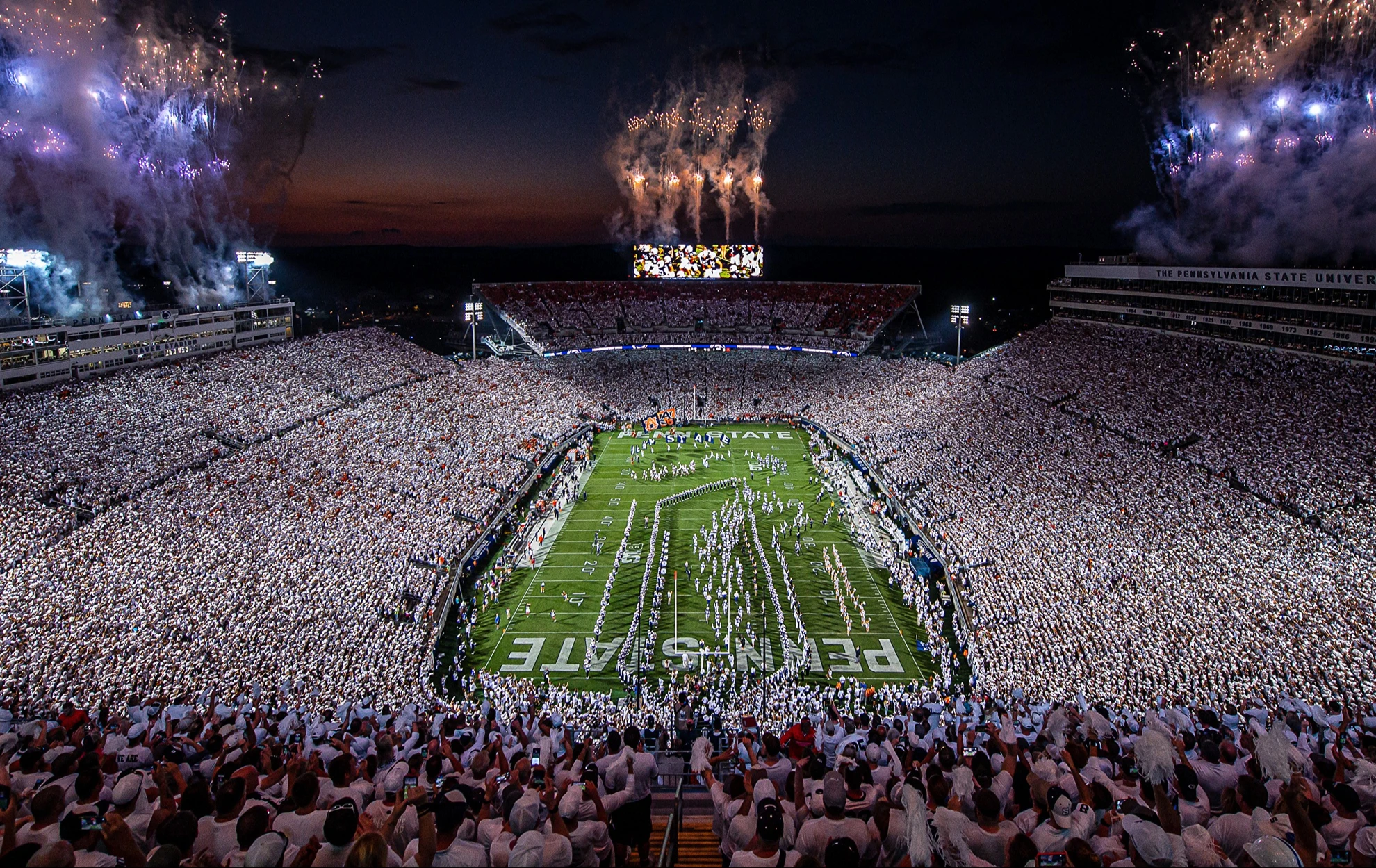
college football championship weekend The 2025 college football season kicks off with one of the most electrifying Week 1 slates in recent memory. With playoff contenders
Senate approves landmark college sports bill
The U.S. Senate has passed the Protect College Sports Act, delivering the most significant congressional action yet in the fight to reshape college athletics.
The bipartisan measure, S. 4668, passed by a 77-22 vote on September 28. The bill now moves to the House of Representatives, where its future remains uncertain. It is not yet law.commerce.
For the NCAA, major conferences and many athletic directors, the Senate vote represents a long-sought breakthrough. Supporters believe federal legislation can bring structure to an industry transformed by name, image and likeness deals, direct athlete compensation, transfer movement and years of legal challenges.
What the Protect College Sports Act would change
The bill would create a national structure for college athletics. It would regulate NIL deals, establish athlete protections and give the NCAA a limited antitrust exemption to enforce certain rules.
That exemption is the heart of the debate. The NCAA and conferences want clearer authority to manage eligibility, transfer rules and compensation standards without facing repeated antitrust lawsuits. Supporters say the current system lacks consistent rules and creates uncertainty for athletes, schools, donors and fans.
The legislation also would restore a five-year eligibility model and impose transfer limits. It includes health and safety guidelines, a 5 percent cap on agent fees for NIL agreements, and provisions designed to protect scholarships and roster opportunities in women’s and Olympic sports.
Another provision would limit conferences to 20 schools. The bill also would penalize a power-conference school that changes leagues by requiring it to operate as an independent for three academic years. That language could become a flashpoint as the measure reaches the House.
Why critics oppose the bill
Opponents argue the legislation gives the NCAA too much power at a time when athletes have finally gained leverage through NIL, litigation and open transfer opportunities.
Labor groups, athlete advocates, the NAACP and several lawmakers contend the bill would permit institutions to restrict athletes while denying those athletes an equal role in shaping the rules. Sen. Cory Booker, D-N.J., criticized the measure as protecting the financial interests of institutions while placing new limits on players.
The bill’s critics also question whether athlete compensation is the true cause of escalating athletic-department spending. Coaching salaries, recruiting, facilities, travel and administrative costs have all risen sharply across major college sports.npr
The House is now the key
The Senate vote is a major political win for bill authors Sen. Ted Cruz, R-Texas, and Sen. Maria Cantwell, D-Wash. It also has backing from the NCAA, major conferences, coaching organizations and athletic directors.commerce.senate+1
But the House will decide whether this becomes a turning point or another near miss for federal college-sports reform. The chamber is not expected back until after the November midterm elections, and conference-realignment language, athlete-rights concerns and NCAA antitrust protection could generate substantial opposition.npr
For now, the Protect College Sports Act has cleared the Senate. The battle over who controls the future of college sports is headed to the House.