
Politics
Florida should choose smart regulation over prohibition
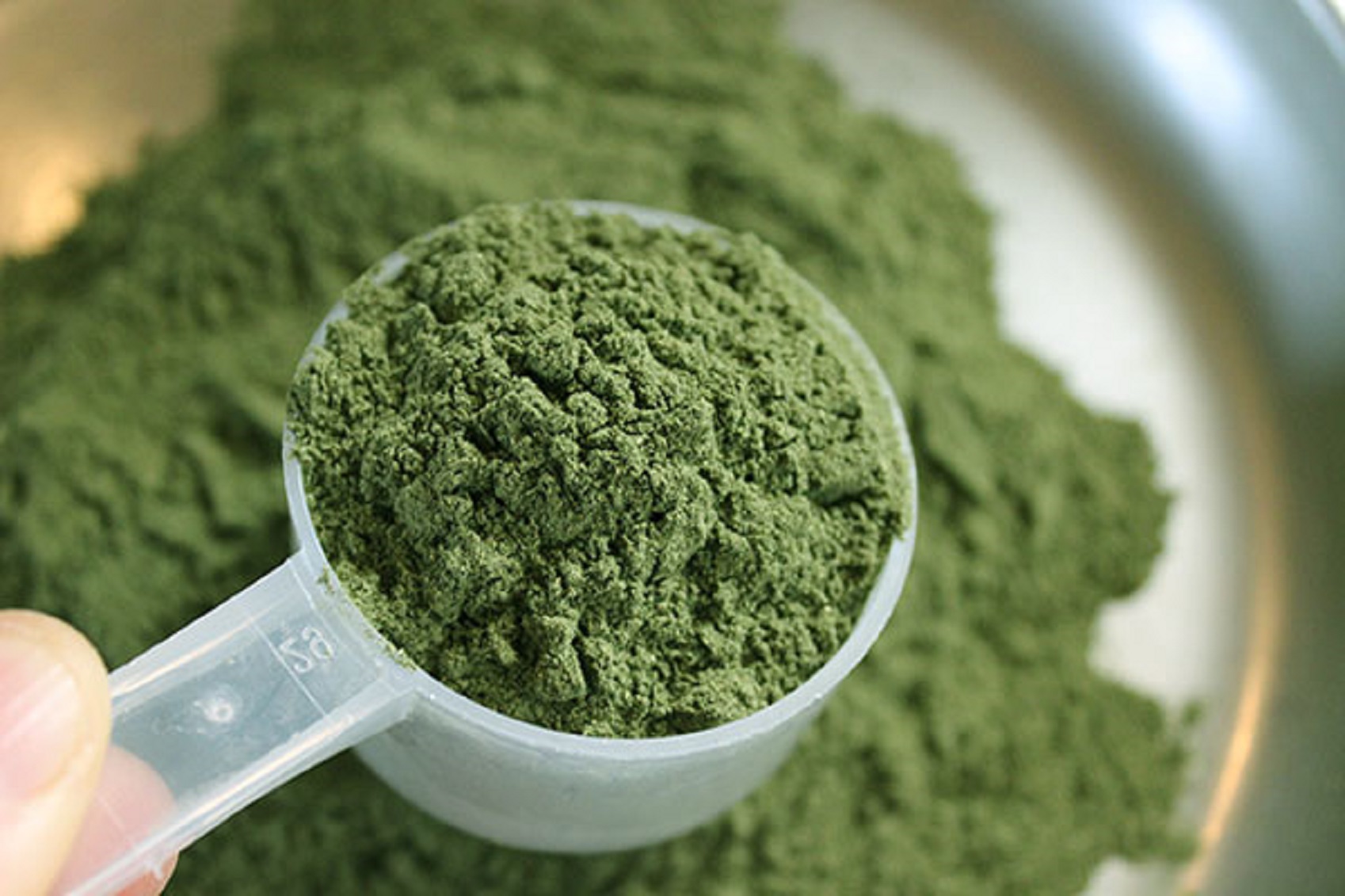
The recent New York Times reporting on the fight over kratom and 7-hydroxymitragynine pulled back the curtain on what many Floridians have suspected for some time: competing industries, lobbyists, and political interests are all working aggressively to shape the future of these products. The interests of the average Florida consumer are far down the list of priorities.
Thousands of Floridians have turned to alternative products like kratom and 7-OH in search of pain relief, support during recovery, or options they hope will better meet their needs than what a broken system has handed them. The market has reflected that reality loudly. Millions of Americans are using these products, hundreds of Florida retailers carry them, and consumer demand has not just persisted but grown, even as political and regulatory pressure has intensified. That does not happen by accident.
Attorney General James Uthmeier has moved to ban these products again, this time by adding new substances to an existing emergency rule that was intended to be temporary and statutorily limited in scope. A key feature in the original ban was that it would leave the final decision on 7-OH to the state legislature. The Legislature considered multiple bills related to 7-OH, and ultimately decided to allow the ban to expire and for products to remain legal. This new rule from the AG just reaffirms the original time-limited ban by quietly expanding its list of prohibited substances.
The AG has cited more than 500 overdoses dating back to 2013 to justify the ban. The problem is that 7-OH products were not commercially available until 2023. Unless hundreds of consumers somehow time-traveled from 2013 to 2022 to access products that did not yet exist, those statistics simply cannot support the case being made. Attributing a decade of overdose data to 7-OH is not just misleading, it ignores the basic timeline of the marketplace.
Meanwhile, the Legislature had the opportunity to pass a ban and chose not to. That is a deliberate decision made by elected representatives accountable to Florida voters. The AG’s rule substitutes his judgment for theirs without going through the deliberative process that exists for exactly this reason.

The Times story made clear how intense the fight has become at the federal level. What drove the FDA’s July 2025 recommendation to place 7-OH on Schedule I was not new science. The pharmacological profile of naturally derived 7-OH has been studied extensively, and prominent researchers have repeatedly challenged the FDA’s characterizations of the evidence.
What changed was the political and financial pressure applied by established kratom industry players who view natural 7-OH as a direct competitive threat. The traditional kratom lobby does not want this emerging natural product cutting into its market, and it has invested heavily in making its preferences felt inside federal agencies and state Legislatures alike.
This is the kind of industry capture the public should find alarming. Public health decisions should not be driven by whichever industry has the largest lobbying budget or the deepest agency connections. When regulators move to restrict a natural product not because the science demands it but because a competing industry prefers it, that is cronyism moonlighting as public health policy.
President Donald Trump made his position clear in May, telling reporters in the Oval Office that his administration was “looking very seriously at natural 7-OH and getting that approved.”
That is exactly the kind of America First, consumer-first thinking his supporters sent him to Washington to deliver. Working-class Americans are finding real relief in these products, and Trump is not interested in letting well-connected industry insiders strip that away. Florida’s leaders should take note.

Prohibition has a long and consistent track record of failure. When government bans a product consumers want, demand does not disappear. It migrates to unregulated channels where there are no safety standards, no testing requirements, no labeling rules, and no accountability. Consumers end up with less information, fewer protections, and greater risk. The dangers that ban advocates claim to be preventing get worse, not better, when products go underground.
Smart regulation is the better path, and Florida is well-positioned to lead on it. Age restrictions, laboratory testing, manufacturing standards, accurate labeling, child-resistant packaging, and clear dosage information are the building blocks of any serious consumer protection framework, and they can be applied here without eliminating a product that is actively helping people.
Good policy does not protect incumbent industries from competition by banning the alternatives those industries find inconvenient. It establishes clear rules that protect consumers, promote transparency, and hold businesses accountable regardless of who they are. The goal is a legal, regulated market that gives Floridians access to products they are already choosing while ensuring those products meet meaningful safety standards.
President Trump pointed the way. Florida’s leaders should follow his lead. Regulate. Don’t ban. Protect people, not profits.
___
Britt Larsen, a former congressional and gubernatorial Communications Director, now owns her own consulting firm, Livlyhood, helping people and businesses craft and share effective messages.