
Politics
What a mosquito can cost Florida
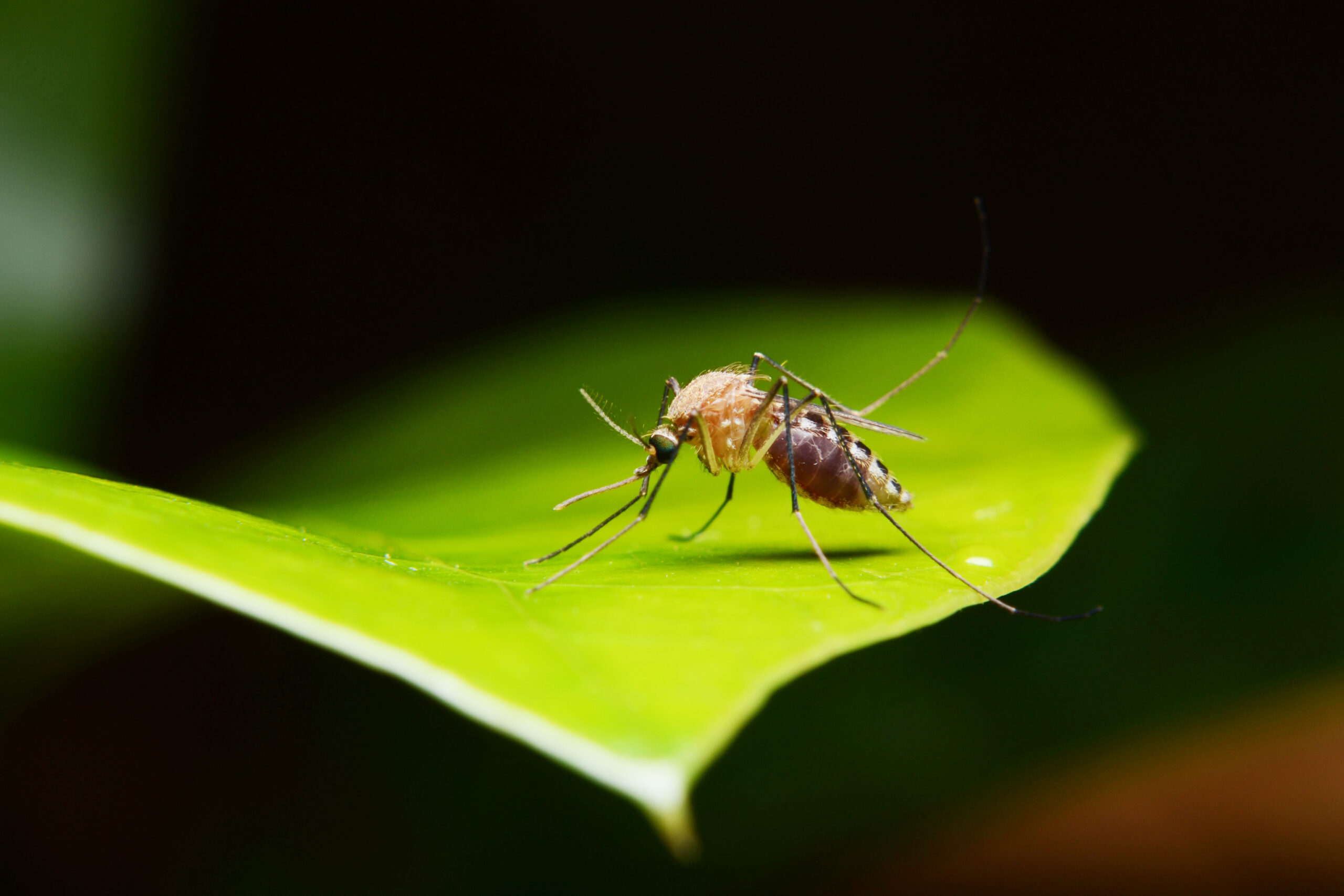
A very short flight from my home in the Florida Keys, the world’s deadliest animal has taken more than 30 lives in Cuba since December — most under the age of 18.
Mosquitoes carrying dengue and chikungunya are responsible for those deaths. The Centers for Disease Control has issued a travel warning to Cuba. And as Floridians know all too well, mosquitoes do not respect borders.
Such a travel warning in the tourism hubs of Central and South Florida would be an economic disaster, costing hundreds of millions of dollars and thousands of jobs.
This year marks the 10th anniversary of the Zika outbreak in South Florida. Thanks to an extraordinary team of public health and mosquito control experts, no lives were lost. But that success cannot lead to complacency. The health of our economy, our visitors, and our communities requires constant vigilance.
Florida is fortunate to have the world’s top mosquito-control professionals, who use cutting-edge science and technology to keep us safe and our economy strong.

Our resources were tested in 2016 when Zika spread through parts of Miami-Dade County, causing hundreds of illnesses. The economic impact was significant, with businesses forced to close in areas such as Wynwood and Miami Beach to support treatment and prevention efforts. Yet, due to swift, coordinated action, the outbreak was contained, and no lives were lost.
Still, because mosquitoes are often “out of sight, out of mind,” it is easy to dismiss them as mere nuisances. Florida’s history tells a different story. Before modern mosquito control, yellow fever, dengue, and malaria were common here. It took more than 75 years to eliminate these diseases from our state.
Today, more than 80 mosquito species call Florida home. Most are harmless — but some can be deadly.
The same Aedes aegypti mosquitoes that have spread deadly diseases in Cuba are flying near us in Florida every day — transmitting viruses like Zika, dengue, chikungunya, and yellow fever. Meanwhile, other mosquito species spread malaria, West Nile virus, Equine Encephalitis and additional dangerous diseases that pose an ongoing threat across our state.
Most cases occur when someone becomes infected abroad before arriving in Florida. But the mosquitoes capable of transmitting these diseases live here — and Florida still sees locally acquired infections every year. The risk is real.

And the very things that make Florida extraordinary — our climate, global tourism, and busy ports — also increase our exposure. By air and sea, mosquitoes and the diseases they carry are silent passengers into our state.
That is why Florida’s mosquito control professionals are so essential. These unsung heroes work behind the scenes in labs, in the field, and from the air — operating surveillance programs and deploying tools from drones to helicopters to protect our communities.
Their work is why residents and visitors can live, work, and explore Florida with confidence — and why our economy continues to flourish.
The members of the Florida Mosquito Control Association, comprised of professionals serving in 15 independent mosquito control districts and more than 60 county and municipal mosquito control programs in partnership with state and local health agencies, play a vital role in protecting public health, preserving our quality of life, and ensuring Florida remains a safe and welcoming place for families, businesses, and visitors alike.
___
Phil Goodman is the Chair of the Florida Keys Mosquito Control District and a Board Member of the Florida Mosquito Control Association, where he also serves as the Association’s historian, helping preserve the institutional knowledge and history of mosquito control in Florida.