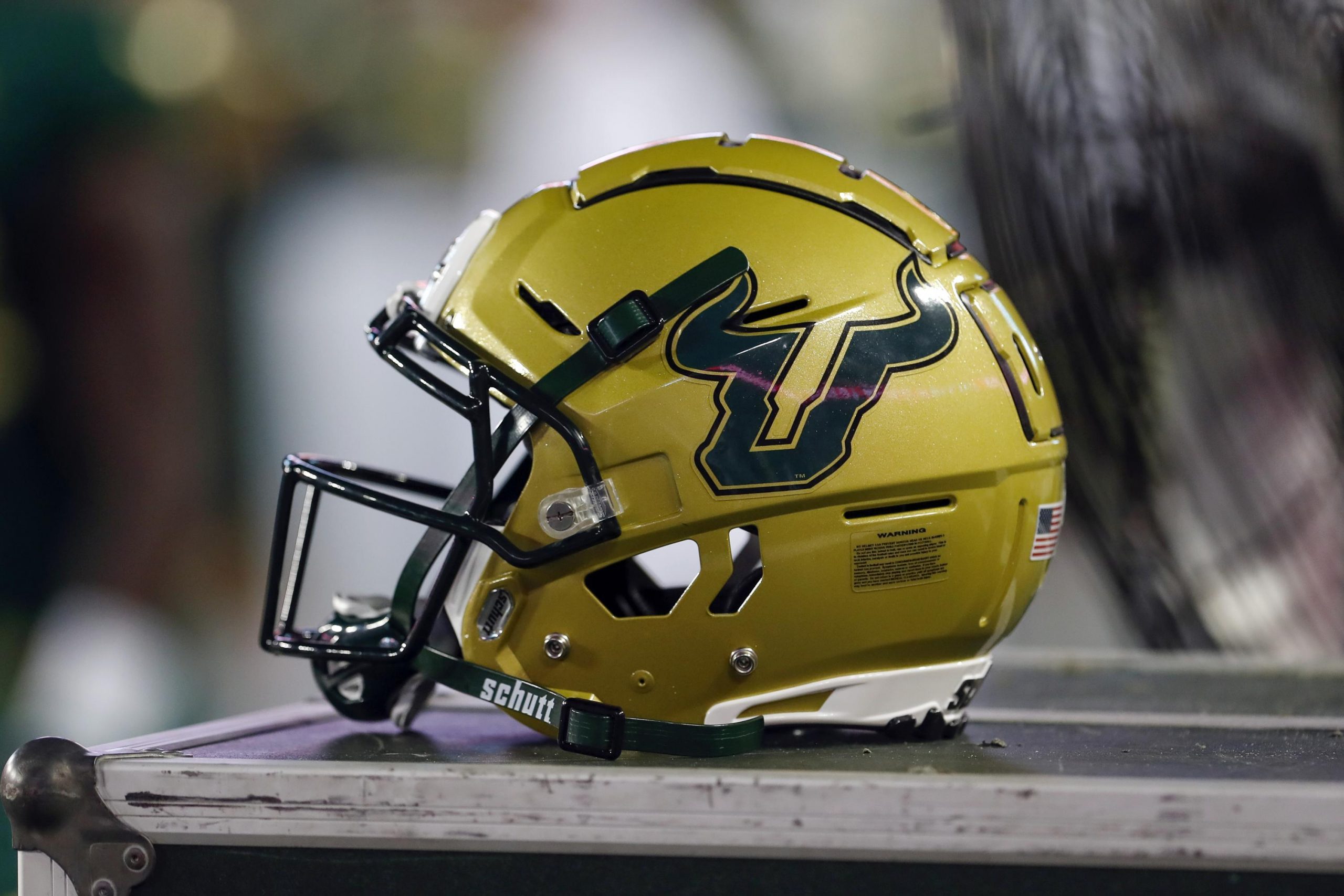
USF moves to the front of the line
The University of South Florida enters this new era with a rare combination of market strength, institutional momentum, and long‑term upside. Tampa is one of the most valuable media markets in college sports, and the federal bill backed by the SEC and Big Ten creates a regulated environment that rewards schools with strong geography, digital reach, and political alignment. For USF, the path upward becomes clearer: build football success, expand brand visibility, and position the Bulls as a strategic asset in any future conference reshuffling.
The AAC’s structure gives USF a stable platform, and the bill’s cost caps reduce the gap between leagues. In a world where conferences seek predictable budgets and major markets, USF’s profile stands out among the ambitious programs hoping to climb.
A new reality for ambitious programs
The federal bill stabilizes costs and limits the influence of third‑party collectives. That helps schools outside the top tier compete more sustainably, but it also narrows the path to upward mobility. The premier tier becomes more defined, and expansion becomes more political than purely competitive. Schools like UConn, Memphis, Tulane, San Diego State, Oregon State, Washington State, Boise State, ECU, and UNLV must navigate a landscape where institutional fit, media value, and regional strategy matter more than win‑loss records.
The AAC and its rising contenders
USF, Memphis, Tulane, and ECU sit in a league with strong geography and emerging markets. The bill’s regulated NIL structure helps schools with large alumni bases and urban footprints. USF’s Tampa market, Memphis’ basketball brand, Tulane’s academic profile, and ECU’s passionate fan base all become assets in a world where conferences seek stability and political alignment. The AAC could position itself as the strongest non‑Power league by emphasizing football depth, basketball relevance, and media‑friendly scheduling.
UConn’s independent challenge
UConn remains a national basketball brand with limited football leverage. The bill’s NIL and compensation caps reduce the advantage of football‑heavy conferences, but UConn still needs a stable football home to maximize long‑term value. A future partnership with the ACC or Big 12 becomes more plausible if the bill reshapes revenue models and reduces the financial gap between leagues.
The Mountain West and Pac‑2 survivors
Oregon State and Washington State remain in a unique position as the Pac‑2. Their future depends on whether the bill encourages conference consolidation or preserves regional autonomy. A rebuilt western league anchored by OSU and WSU could attract San Diego State, Boise State, and UNLV if stability and media guarantees improve. The bill’s cost caps make such a league more viable, but long‑term success requires a strong broadcast partner willing to invest in late‑night windows and digital platforms.
Realistic paths forward for USF and its peers
In this new world, upward mobility follows three realistic scenarios:
- Regional consolidation Schools join a rebuilt western or central conference that offers stability, media value, and political alignment. OSU, WSU, SDSU, Boise State, and UNLV fit this model.
- Strategic AAC growth The AAC strengthens its position as the top non‑Power league, creating a platform for USF, Memphis, Tulane, and ECU to rise through consistent performance and market strength.
- Selective Power invitations A small number of schools could earn future Power‑conference consideration if legal and political conditions change. USF’s market, SDSU’s geography, Memphis’ basketball brand, and Boise State’s national profile keep them in long‑term conversations.
The climb continues
The bill backed by the SEC and Big Ten does not close the door on ambitious programs. It simply changes the rules. Success now depends on media value, political alignment, institutional stability, and strategic partnerships. For USF, the path upward is clearer than ever: win games, grow the brand, and leverage Tampa’s market power in a more predictable era of college sports.