
Politics
Unanimous Committee votes propel major anti-domestic violence bills to House floor
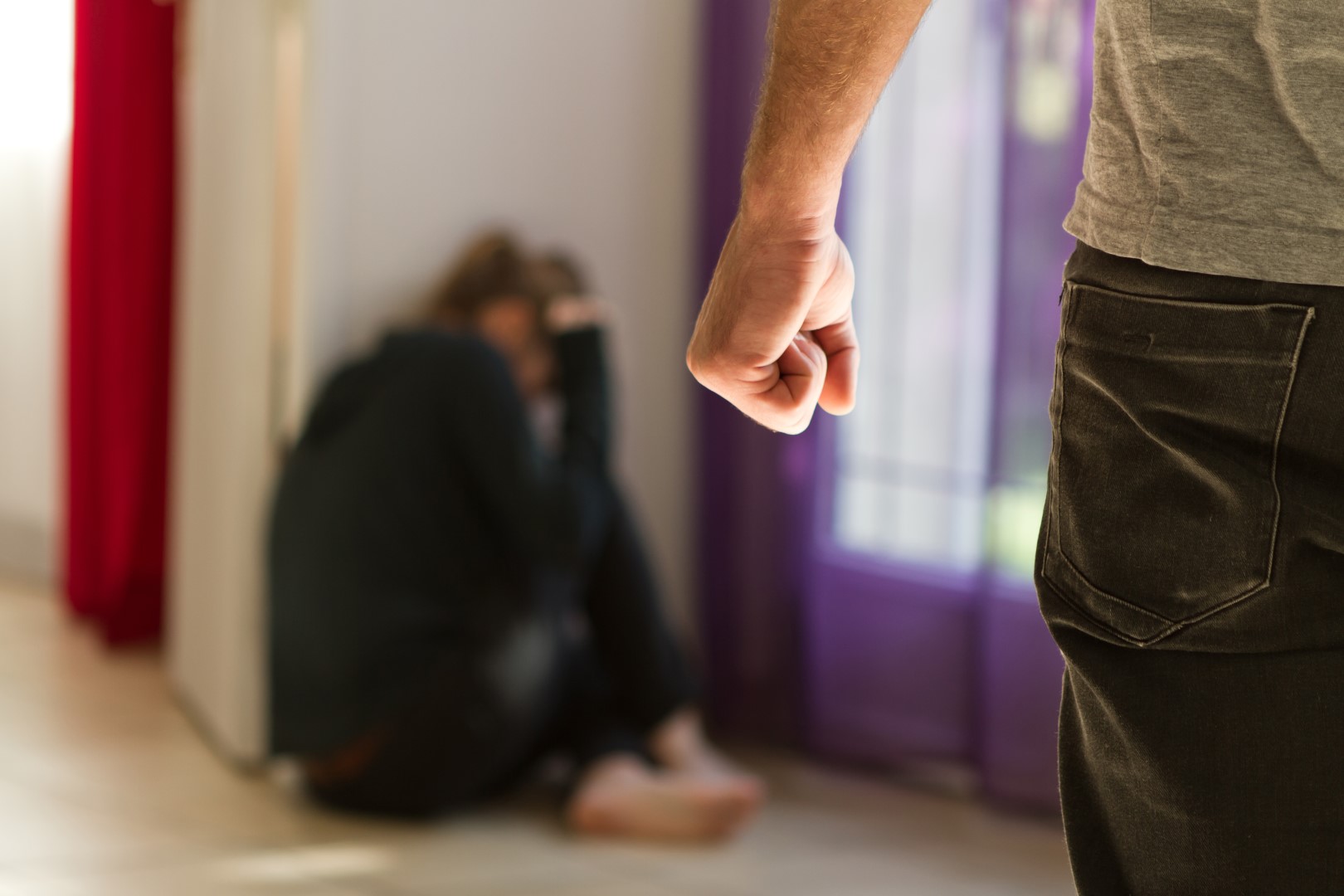
Three bills that would significantly strengthen protections against domestic violence in Florida are nearing passage, following uniform votes to advance them to the House floor.
One bill (HB 269) would expand legal protections for dating violence victims by including them in Florida’s address confidentiality program and require a feasibility study on a specialized 911 alert system that is faster, safer and more discreet than what is now broadly available.
A companion bill that also advanced (SB 298) would expand public-records exemptions to protect dating violence victims’ confidential address information.
The House Judiciary Committee also voted unanimously Thursday for HB 277 by Lake Worth Beach Democratic Rep. Debra Tendrich and Placida Republican Rep. Danny Nix. That measure would enhance domestic violence penalties, strengthen protective injunction enforcement, increase victim relocation aid and create an electronic monitoring pilot program in Pinellas County.
The added safeguards and statutory changes are needed, according to proponents of the bills and state statistics.
Every year in Florida, nearly 107,000 cases of domestic violence are reported, Department of Children and Families data shows. And according to the Center for Relationship Abuse Awareness, 75% of domestic violence-related homicides occur after separation, meaning victims are most at risk of severe harm after they leave their abuser.
The National Coalition Against Domestic Violence, meanwhile, estimates that 38% of Florida women and 29% of Florida men experience intimate-partner violence in their lifetimes — among the highest rates in the country.
“Domestic violence, sadly, is a persistent public crisis in Florida,” said Highland Beach Rep. Peggy Gossett-Seidman, who is sponsoring HB 269 and SB 298 with fellow Republican Rep. Rachel Plakon of Lake Mary and Boca Raton Democratic Sen. Lori Berman.
“(Some) victims fail to report abuse because they are afraid, isolated, financially dependent or under constant control. Violence escalates without warning, and in many cases calling 911 is not safe. The abuser may be present, the victim is restrained or children are present. These moments can save lives.”

HB 269, dubbed the “Helping Abuse Victims Escape Now (HAVEN) Act,” would require the Division of Telecommunications within the Department of Management Services to conduct a feasibility study on a web-based 911 alert system for such victims. The proposed system would assign registered users a unique phone number and code or phrase that, when used during a 911 call, signals the need for immediate law enforcement assistance and transmits specified data to responders.

The bill would also expand Florida’s Address Confidentiality Program to include victims of dating violence and create a statutory definition of “dating violence,” covering specified violent crimes or threats within a significant romantic or intimate relationship, whether reported or not. It makes conforming changes to ensure dating violence victims are included in related public records exemptions, agency assistance, and victim notification provisions.
SB 298, which cleared the Senate floor on a 35-0 vote Jan. 29, would help effectuate that last provision and protect participants in the feasibility study by expanding public records exemptions under the confidentiality program to exempt dating violence victims’ names, addresses, telephone numbers, Social Security numbers, voter registration records and voting records.
The protections would apply retroactively and remain in place until 2031, unless the Legislature renews them.
The Senate also unanimously OK’d HB 269’s identical companion (SB 296) last month.
While HB 269 and SB 298 focus squarely on protecting victims, HB 277 aims to address both the targets of domestic violence and their perpetrators.
It’s a personal issue for Tendrich, who fled to Florida about 14 years ago to escape from her abuser. She said Thursday that she continues to live with chronic pain and arthritis she developed after years of constant domestic violence.
“I left for Florida with my suitcase, my daughter, a busted blood vessel in my eye, ruptured eardrum, an injured rib and bruises throughout my body,” she said.

Tendrich talked about a case in Bradford County last month, when a mother named Rachel Kerr was killed in a murder-suicide by her ex, who had several pending domestic violence charges. Kerr also had an active restraining order against the man, who had already been charged with violating an injunction for domestic violence.
“Rachel was trying to do exactly what we ask victims to do. She reached out for help, she documented abuse and she sought protection through the courts,” she said. “But despite doing everything right and reaching out to the system for help, the person she feared most was still able to reach her. And now (her) children will grow up without their mother, and not because she failed to seek protection but because the only protection she had was a piece of paper.”
Tendrich called HB 277 a “first step” toward fixing the issue.
HB 277 would enhance penalties for repeat domestic violence offenders by broadly defining “conviction” to include guilty pleas and withheld adjudications. It would require reclassification of offenses to higher-degree crimes if the offender has a prior domestic violence conviction, while excluding felony battery and directing that sentencing scores and gain-time eligibility be calculated without the enhancement.
The bill would define “military protective order” in state law, require law enforcement to notify the issuing military authority of suspected violations, and direct courts to consider such orders and expanded behavioral factors when evaluating injunction petitions.
It would also strengthen the statewide injunction verification system within the Florida Department of Law Enforcement and increase relocation assistance from $1,500 to $2,500 per claim, with a lifetime maximum rising from $3,000 to $5,000.
Further, the measure would create a pilot program in Pinellas County — running from July 1, 2026, to June 30, 2028 — requiring GPS monitoring in certain probation cases where clear and convincing evidence shows a threat of violence.
Tendrich said she will work with various stakeholders over the Summer to develop a “master plan” on how to apply the pilot program statewide and bring back a second bill next Session to implement it.
A few domestic violence survivors spoke in favor of HB 269, SB 298 and HB 277, which now advances to a full House vote.
The Florida Smart Justice Alliance, Christian Coalition, and Alliance for Safety and Justice signaled support for HB 269 and SB 298. HB 277 enjoyed the expressed support of the Florida Smart Justice Alliance, Florida Sheriffs Association and Florida Police Benevolent Association.