
Politics
The war behind daylight saving time
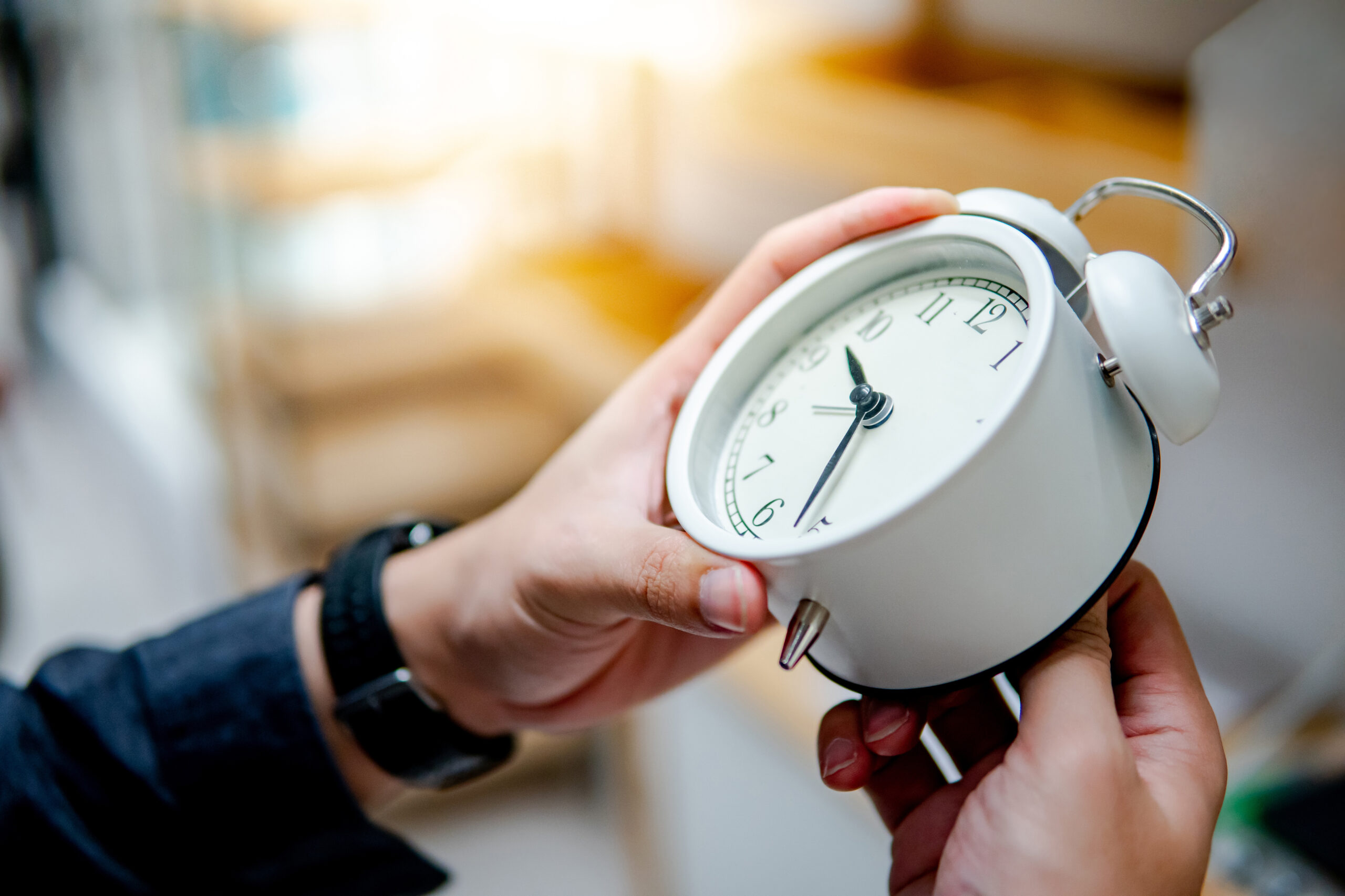
The U.S. House has voted to make daylight saving time permanent. If the Senate agrees, most Americans would no longer change their clocks twice a year.
Florida has pushed this for years. The state had already voted in 2018 to stay on daylight saving time year-round. Federal law kept Florida from putting that decision into effect.
On April 30, 1916, the German Empire and Austria-Hungary moved their clocks forward by one hour. Europe was in the second year of the First World War. Coal had become a weapon of endurance. A state that saved fuel in civilian life could send more of it into the war economy.
The idea was older than the war. British reformer William Willett had promoted better use of daylight before 1914. Some local experiments had already taken place. The war gave the proposal a new purpose. Germany and Austria-Hungary made it national policy.
In Austria, the measure belonged to the coordination of the Central Powers. The Austrian State Archives describe how the change was linked to Germany and to the needs of the war economy. The clocks moved together because the alliance needed schedules that worked together.
Britain and France followed in 1916. Other countries adopted similar rules. The change spread through Europe because governments were dealing with the same shortages. Evening light had become something the state could organize.
The United States entered the war in 1917. In March 1918, President Woodrow Wilson signed the Standard Time Act. The law standardized American time zones and introduced daylight saving time nationwide. Congress treated time as part of the war effort.
The first American experiment ended quickly. After the armistice, Congress repealed the daylight-saving part of the law over Wilson’s veto. Farmers had objected from the beginning. Many communities disliked the change. Once the military emergency was gone, the clock became a domestic quarrel.
Daylight saving time returned during the Second World War, when year-round daylight saving was known in America as “War Time.” Later, the Uniform Time Act of 1966 created a more stable national framework. What had entered American law as a temporary war measure became part of ordinary administration.
Europe also kept returning to the idea. Summer time became useful for energy policy and for coordination across borders. In 2018, the European Commission proposed ending the seasonal clock change. The plan stalled because abolition still leaves a political choice: permanent summer time or standard time.

More than a century after 1916, the old coal argument has mostly disappeared. Today’s debate is about what the clock does to mornings, evenings and daily rhythm. The practice has outlived the world that made it plausible.