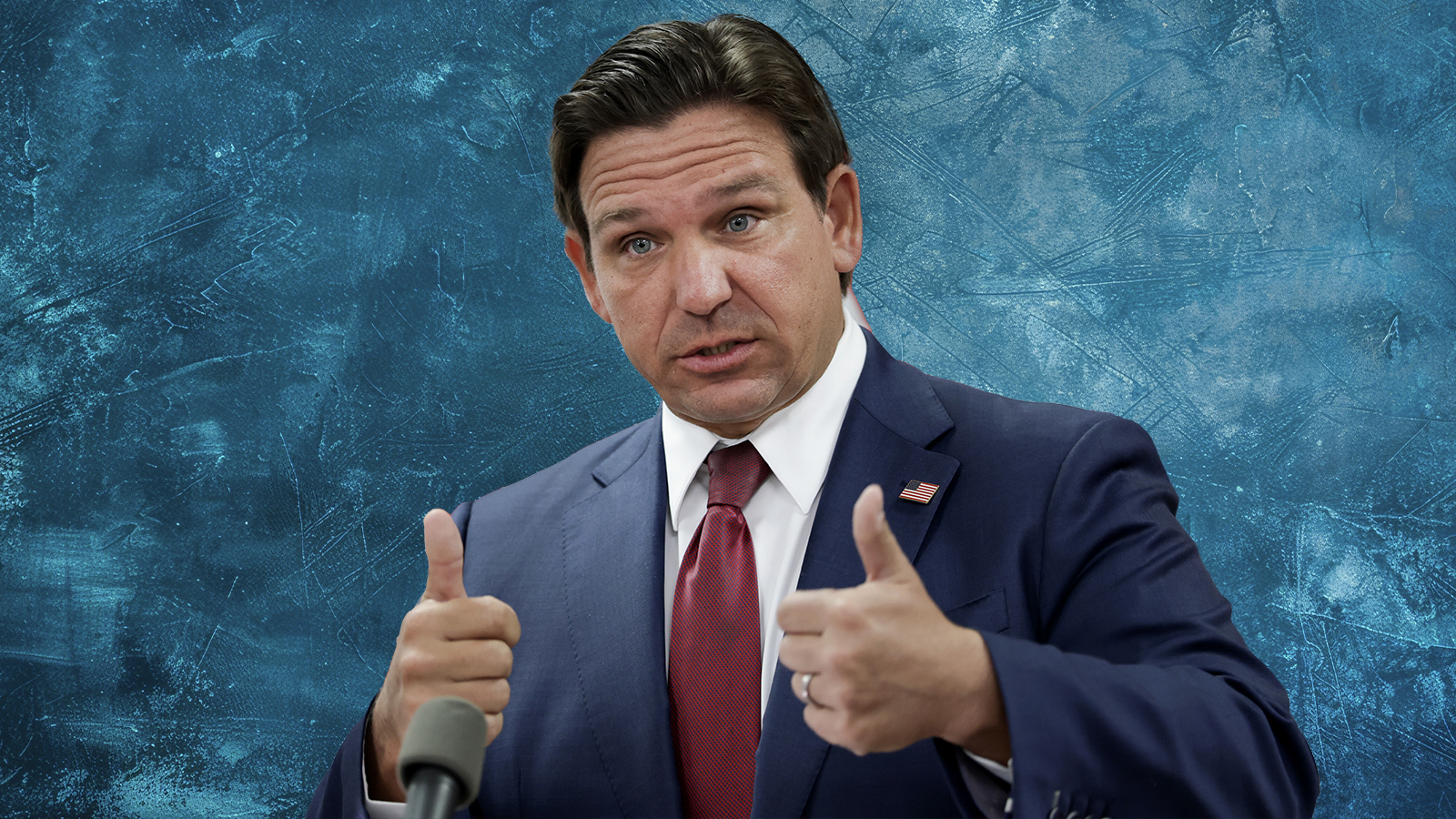
Gov. Ron DeSantis has imposed his will on the Legislature like no other Governor in recent memory. He says that’s a low-risk, high-reward strategy given the realities of politics in a big state.
“The threshold for getting known is extremely high. And really, the Governor has a huge advantage in that, because I’m the only one the Republican voter really knows very well,” DeSantis said during an interview with the Hoover Institution, before contrasting how voters feel about state legislators.
“They don’t know these people. So if there’s ever a situation where they’re crossed with the Governor (and) go back home to their voters, the voters are, ‘Wait a minute, why aren’t you supporting the Governor?’ And that’s just a structural advantage, I think, that you have in a big state.”
DeSantis has been willing to buck legislative will on many issues, including congressional redistricting in 2022.
He also has spent much of the last two years mixing it up with House Speaker Daniel Perez, taking advantage of access to national media to attack Perez on bigger platforms than the Miami Republican customarily commands.
A “bottom-up” approach drives DeSantis in manufacturing consent.
“The average legislator here is known by probably 1% of the population, right? They’re just not known. The Governor’s the one that’s known,” DeSantis added.
“So when there’s issues, all the issues we’ve tackled, I put that on the agenda, I go public, I’ll travel the state. And then the voters, they tell their representatives, ‘Hey, you better be supporting the Governor on that. You know, I want to see that. You better be doing it.’ It’s different than some of these other states where it’s smaller, and maybe some of these legislators can get known better.”
DeSantis has elevated various former legislators to appointed roles, including two on the ballot this year: Lt. Gov. Jay Collins, who is running for Governor, and CFO and Fire Marshal Blaise Ingoglia, who is running statewide for the first time.