Fashion
Rec (Ecollant) to open its first polyamide recycling facility this spring
Published
December 12, 2025
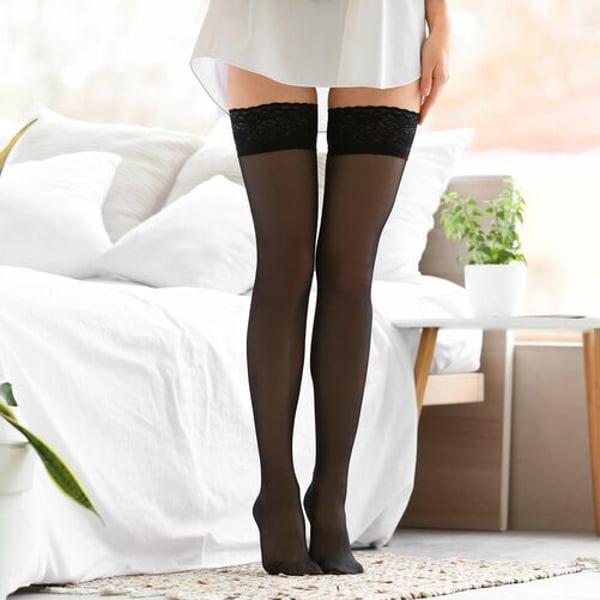
Auxerre-based Ecollant has developed a process that recycles 100% of the polyamide found in tights. As it prepares an industrial demonstrator for 2026, the Burgundy-based company is now extending its recycling capabilities to sportswear, lingerie, and swimwear. In line with this shift, it is adopting a new name: Rec.
Founded by Laurent Trognon and Frédéric Austrui, the company’s process recovers from textiles a nylon with properties identical to virgin polyamide. “There are plenty of people capable of recycling it. What sets us apart is our ability to achieve the level of purity required to produce robust yarns that can be used on an industrial scale,” said operations director Agathe Rouzaud.
On the strength of its process, Rec has now secured a 1,800 square-metre site in Joigny, where the initial phase will employ 17 people and produce 100 tonnes of nylon per year. A second site is already planned for around 2030, this time employing about 30 people and producing some 20,000 tonnes of material.
“We already have 100 tonnes of products to recycle in stock,” explains Frédéric Austrui, who notes that Rec has already secured its feedstock via collection specialists and hotel chains. The initial focus was tights, which are rich in polyamide. But the company is now broadening its collection scope, working on products composed of at least 70% nylon.


Some consumers have already come across materials recycled by Rec, which tested them through Divine, a brand of tights and stockings. Also via the Révélation brand of socks and parkas, notably sold at Galeries Lafayette and Printemps. The success, which surprised even its founders, quickly brought in around one million euros to finance an industrial project that now intends to focus solely on supplying manufacturers and brands, some of which have already committed to purchasing Rec’s recycled nylon.
In 2024, polyamide (or nylon) accounted for 5% of fibres produced worldwide, at around seven million tonnes, making it the second most-produced synthetic fibre, far behind polyester. That same year, only 2% of the nylon produced came from recycling, with long-standing technical obstacles hampering recovery.
“When we set out to recycle nylon, we were told it was impossible,” recalls Laurent Trognon, referring to a previous venture with Frédéric Austrui: Divine tights and stockings for mass retail. “We were confronted with the issue of the waste generated, while our yarn supplier was steadily increasing prices. So we decided to create our own industrial operation.”

Rec is not limiting itself to clothing. While polyamide is widely used in technical apparel and sport, the material is used mainly in the automotive industry, and also finds its way into electronics and industrial equipment. These are all areas in which the Burgundy-based company has already begun to secure outlets.
This article is an automatic translation.
Click here to read the original article.
Copyright © 2025 FashionNetwork.com All rights reserved.