An Orlando company that set out to map every inch of Earth in 3D is now lining up to do the same for the Moon — and Leonardo DiCaprio is along for the ride.
NUVIEW, the space-LiDAR startup co-founded by Clint and Katie Graumann, announced that its Moonraker mission has been selected by the European Space Agency for a Phase A study under ESA’s Small Missions for Exploration program — the next gate up from the pre-Phase A work the company’s German arm, NUVIEW GmbH, has been leading since late 2024. NUVIEW is the prime contractor on an international consortium that includes Canada’s SFL Missionsand Germany’s DLR.
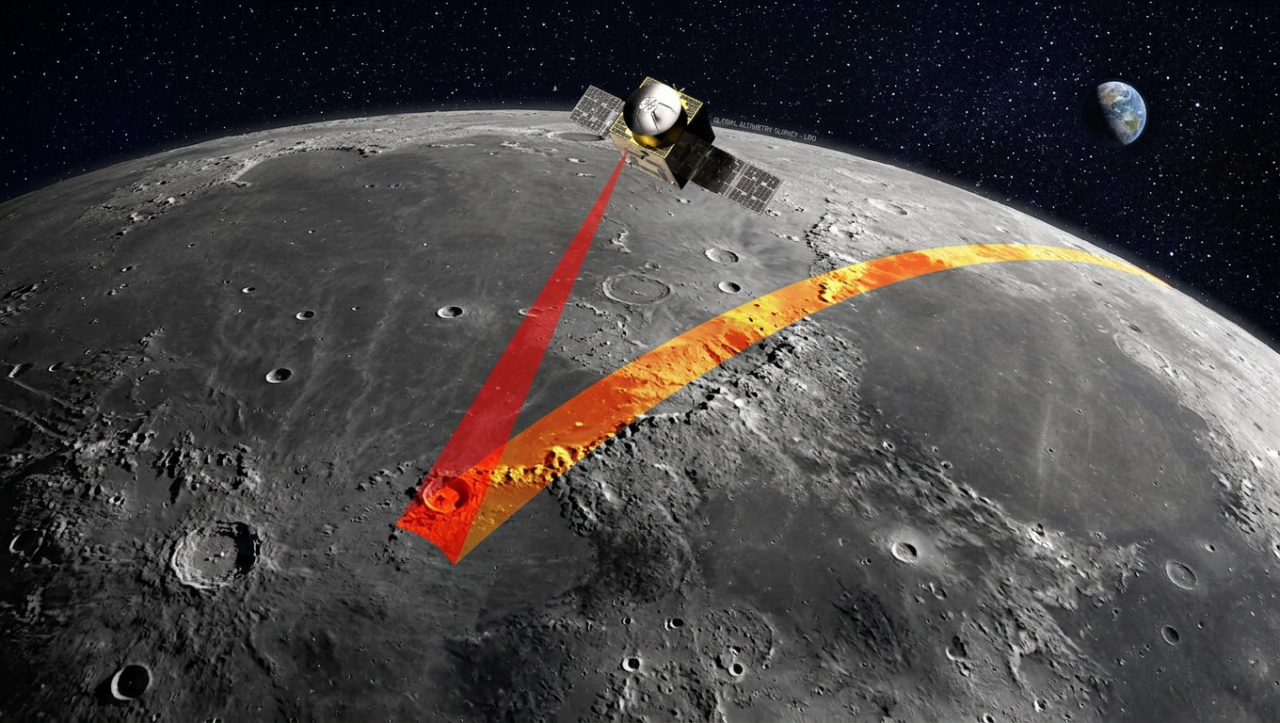
The pitch is straightforward, even if the destination isn’t: take the commercial LiDAR architecture NUVIEW is building to scan the Earth and point it at the Moon instead. A LiDAR-equipped spacecraft would drop into lunar orbit and generate high-resolution, 3D elevation models of the polar regions — including the permanently shadowed craters near the South Pole where future landers will look for water ice and a safe place to set down.
“Moonraker is a direct extension of our commercial LiDAR architecture into lunar orbit,” said Katie Graumann, who the company lists as CEO of its German entity. “By adapting the systems we are deploying for Earth observation, we can provide reliable, mission-critical terrain data that helps reduce risk for future lunar landings and surface operations.”
NUVIEW’s early backers include Florida Funders and DiCaprio, the actor-environmentalist who made the company his first space bet. He’s still talking it up, framing the Moon work as of a piece with the climate mission: “Understanding the Moon through high resolution 3D mapping allows us to make smarter, safer decisions,” he said, adding that technologies like NUVIEW’s “strengthen exploration while reinforcing the importance of Earth observation and environmental intelligence as humanity expands beyond our planet.”
A target launch date of no earlier than 2028 means this is still a long runway — Phase A is a study, not a launch contract. But for a Central Florida startup that pitched investors on a constellation of Earth-mapping satellites, getting tapped to help Europe pick its lunar landing sites is no small leap.
—
— Ed. note: This story was drafted with assistance from AI. Editorial judgment, sourcing, and final review were performed by Peter Schorsch and the Florida Politics editorial team.