
Politics
Long-sought suspect extradited in Panama’s deadliest terror attack, U.S. Ambassador announces
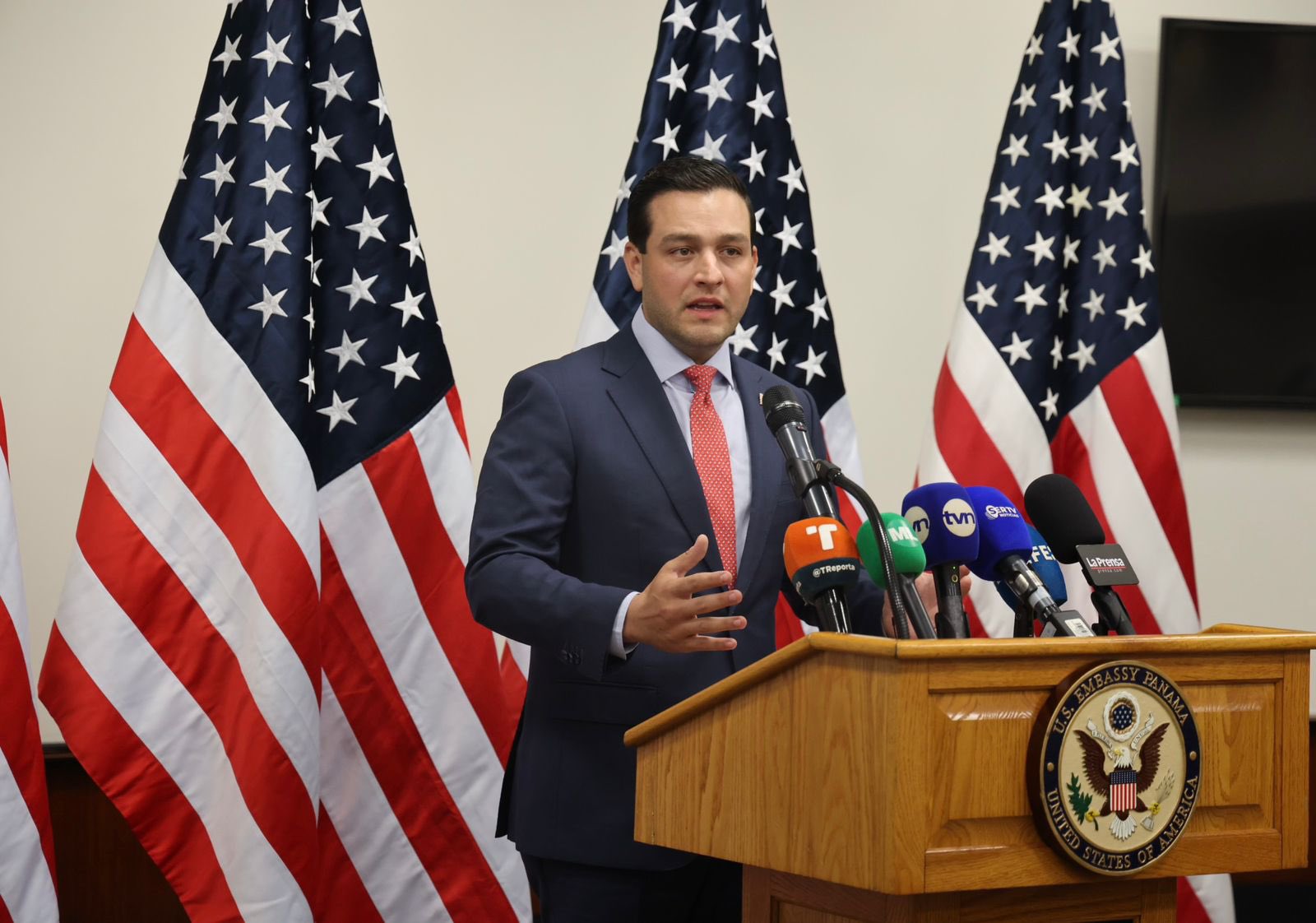
A suspected Hezbollah operative has been extradited to Panama, reviving a decades-old terrorism case tied to a deadly 1994 airplane bombing, according to the U.S. Embassy in Panama.
Panamanian authorities took custody of Ali Zaki Hage Jalil after Venezuela’s interim government approved his extradition, marking a significant breakthrough in a case that had remained unresolved for more than 30 years.
U.S. officials said the transfer followed sustained coordination among Panama, the United States and Venezuelan authorities.
Hage Jalil is expected to face charges related to homicide and crimes against public safety under Panamanian law.
A trial date has not yet been announced.
“This extradition sends a definitive message: the Trump Administration has a long memory and an even longer reach,” U.S. Ambassador to Panama Kevin Marino Cabrera said in a statement.
“When the Government of Panama asked for our assistance, we committed to put this suspect on Panamanian soil to stand before a Judge. Under President (Donald) Trump’s leadership, our nation is committed to holding Iran and its proxies like (Hezbollah) accountable. If you target Americans or our allies, we will find you.”
Panamanian prosecutors are accusing Hage Jalil of helping plan and support the bombing of Alas Chiricanas Flight 901, a domestic flight that exploded shortly after takeoff on July 19, 1994, killing all 21 people aboard.
The victims included U.S. citizens and 12 members of the Jewish community.

Investigators determined the aircraft was destroyed by an explosive device brought onboard, likely concealed inside a radio. One victim whose remains initially went unclaimed was later identified as the suspected bomber who carried the device onto the plane.

U.S. intelligence agencies have long linked the attack to Hezbollah, describing it as part of a broader campaign targeting Jewish and Western interests in Latin America. The bombing occurred one day after the 1994 attack on a Jewish community center in Buenos Aires that killed 85 people, with investigators concluding the incidents were part of the same coordinated operation.
For decades, the Panama case stalled amid limited evidence and shifting priorities. It regained momentum in recent years after new intelligence sharing among the United States, Israel and Panama, eventually leading to charges against Hage Jalil and his arrest in Venezuela in 2025 following an Interpol notice.
In October 2024, the U.S. Department of State’s Rewards for Justice program offered a $5 million reward for information leading to the arrest or capture of any perpetrator of the Alas plane bombing.
Cabrera’s Office said the operation by Panamanian investigators that led to Hage Jalil’s arrest and extradition was supported by FBI intelligence and technical assistance.
Panamanian prosecutors allege Hage Jalil played a logistical role in the attack, including procuring materials used in the bombing. He has not been convicted, and the allegations will now be tested in court.
“Thanks to President Trump, the United States once again stands for sovereignty and security,” the U.S. Embassy in Panama said in a statement. “No time or distance will prevent us from hunting down terrorists and holding them accountable for their crimes. The victims’ families should receive long overdue closure through the judicial process.”
According to the Center for a Secure Free Society, a Washington-based national security think tank, the extradition reflects shifting regional cooperation, particularly from Venezuelan authorities who had previously been accused of allowing Hage Jalil to live and operate freely for years.