
Politics
How Sam Garrison, Senate leaders led the way on protecting property tax revenue for schools
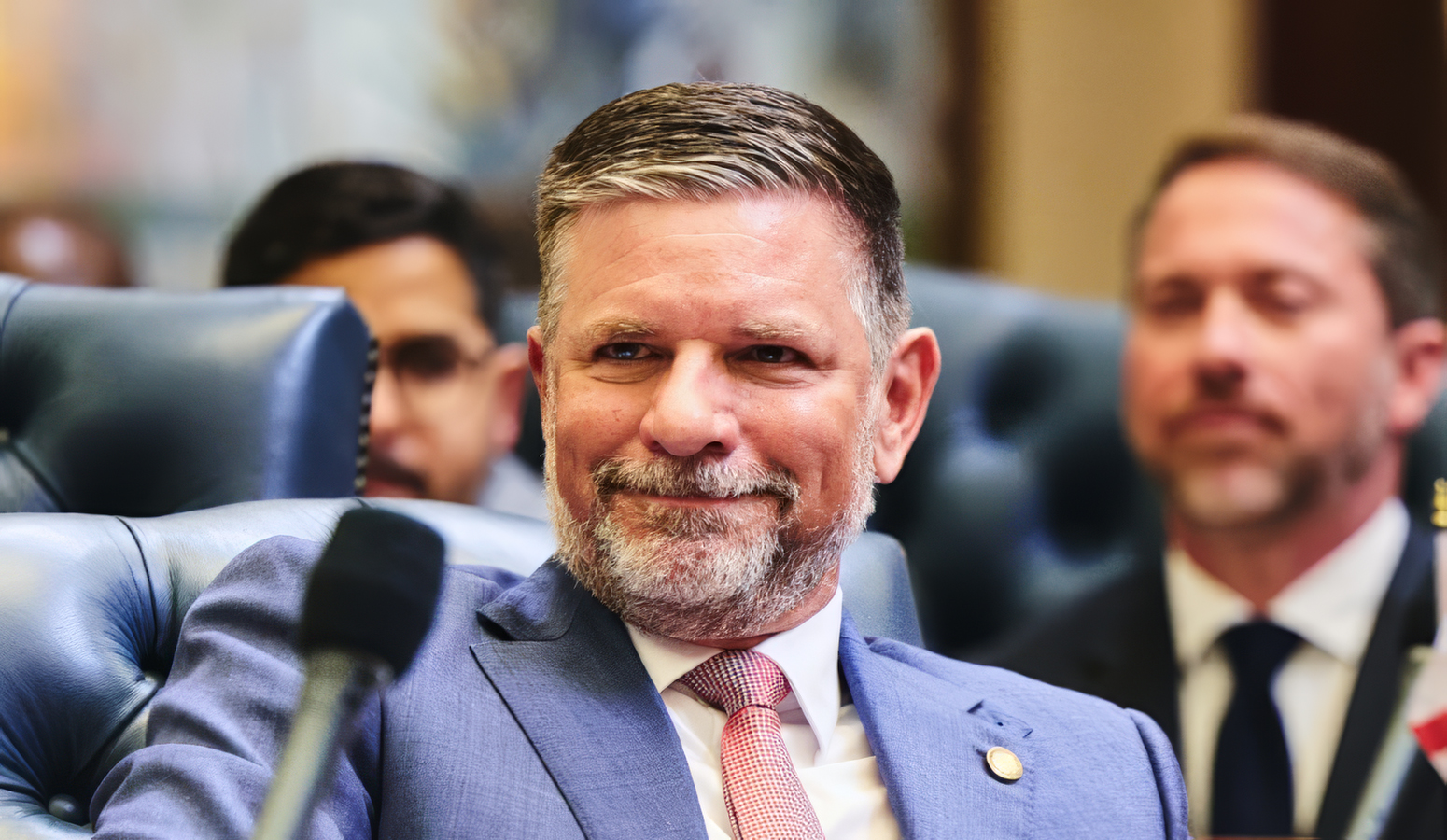
The House and Senate have cleared a joint resolution placing a referendum on the November ballot that would significantly slash homestead property taxes for Floridians’ primary residences.
But both chambers adopted a resolution that carves public schools out of the proposed property tax cuts. That means if voters approve the measure, public schools will not take the $5 billion hit they would have taken under Gov. Ron DeSantis’ original proposal, which didn’t protect school revenue.
Public schools have a handful of leaders to thank, including House Speaker-designate Sam Garrison, Senate President-designate Jim Boyd and Sens. Jay Trumbull, Jennifer Bradley, and Erin Grall.
Sources close to the situation tell Florida Politics that Garrison essentially demanded a face-to-face meeting with DeSantis to discuss the property tax proposal — an effort to increase the current homestead exemption from $50,000 to $250,000. During that meeting, Garrison, as did Senate leaders, told DeSantis that the House wasn’t going to cripple public schools, and that they insisted on a carve-out to protect funding.
Garrison, along with Trumbull, Bradley and Grall, led the way on amendments protecting public schools.
Current House Speaker Danny Perez empowered his successor, Garrison, to lead negotiations on the property tax issue. Not only did he let Garrison run point, he also backed him up on the public school insistence.
All the while, DeSantis was not happy, according to sources with knowledge of the conversations. The Governor was, right up until the last minute, attempting to walk back the amendment to maximize the potential tax savings for Florida homeowners.
It’s worth noting that while Boyd went along with Garrison’s work to protect public schools through the amendment process, sources tell Florida Politics that Trumbull was one of the lead players, working alongside Garrison, with Bradley and Grall also playing significant roles in talks.
Under the joint resolution that cleared the House and Senate on Tuesday, voters will be asked in November whether homestead exemptions would increase in 2027 to $150,000, from the current $50,000, and then to $250,000 in 2028. But the portion of property taxes that go toward public education would be carved out.
The proposal also blocks new Florida residents from receiving the increased benefit, with a provision that caps new residents’ exemption to $50,000 until they have lived in a primary Florida residence for five years.

The proposal has received massive pushback from Democrats and local government officials, who argue drastically reduced property taxes will cripple city and county budgets, particularly those in rural areas with less ability to absorb the losses through budget cuts or increased revenue elsewhere.
The measure has a high threshold for passage. Florida requires 60% voter support to pass a ballot initiative. That means in the coming weeks and months, supporters will no doubt be touting the tax savings to Floridians as the economy continues to sour, while critics such as cities and counties highlight the risk to public benefits, including public safety.
What they won’t have to talk about now, though, is school funding, and that’s largely thanks to a handful of state lawmakers who took a chance and demanded change.