Fashion
Hobbs looks strong, Phase Eight a little less so as owner TFG files accounts
Published
December 22, 2025
TFG Brands (London) Limited is growing fast following its purchase of White Stuff last year. But while still loss-making, the company that already owned Hobbs, Whistles and Phase Eight, isn’t only relying on acquisitions to expand.
It has filed its accounts for the year to late March 2025 and said that turnover jumped to £377.5 million from £323.5 million. Adjusted EBITDA was up to £51 million from £33.8 million (excluding White Stuff the latest figure was £41.3 million) and operating profit rose to £23.2 million from £20.1 million.
But as mentioned, the company remained loss-making after tax with a loss this time of £5.9 million, slightly wider than the £5.7 million deficit of the previous year. That loss after tax was impacted by £18.9 million of interest charges on parent company loans. The same issue had caused the loss in the previous year.
The company talked of ongoing challenges economically on a global scale but also said that it achieved what it believes is a strong set of financial results for its FY25 period. Obviously, the White Stuff buy significantly boosted it following its purchase in October 2024, contributing £81 million of turnover and £4.5 million of profit for the year. Its impact for FY26 should be much greater as it will be a full year.
There were other plus points too as, in line with its strategic objectives, TFG’s direct channel mix grew to 69% from 56%. It also opened four new standalone stores in the US.


The gross margin for the year improved to 70.5% from 69.4% reflecting the impact of the higher direct channel mix despite the promotional environment.
That said, while there was growth in the own channels mix, the sales performance overall was impacted by underperformance in the concession channel where sales dropped 14.7% year on year. This reflected border macroeconomic challenges as consumer shopping habits remained muted
But physical stores have a significant role to play in its business and it’s continuing to invest in the estate. During the year (including its own stores and concessions) it acquired 169 new ones via the White Stuff business and opened a further 78. It also closed 103 as it right-sized the business and focused on profitability and as of the end of the period in question, the group had a store portfolio of 699, up from 555 a year earlier.
Brand focus
Overall, it’s clear that the company is heading in the right direction, although looking at the individual brands that it owned before the White Stuff acquisition, we can see some strong variations in performance.
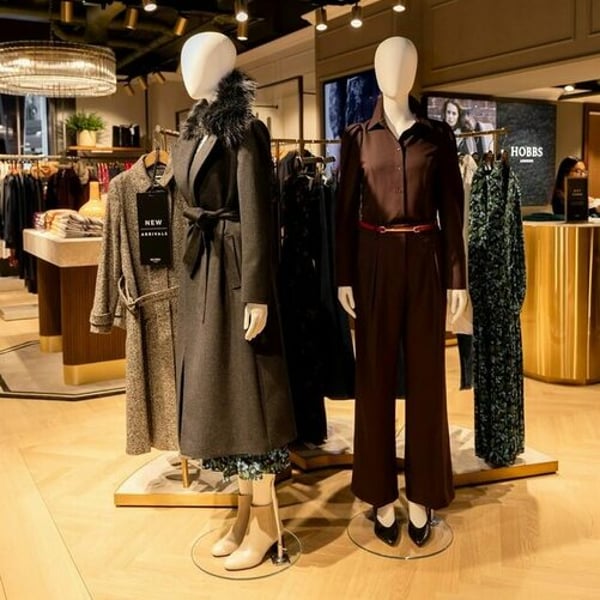
At womenswear retailer Hobbs, turnover dropped to £117.5 million from £123.9 million but adjusted EB ITDA rose to £23.9 million from £18.6 million. Operating profit increased to £16.7 million from £13.9 million and profit after tax rose to £12.4 million from £9.8 million.
The gross margin for the year improved to 72.9% from 67.4% and this is what contributed to the higher EBITDA.
Those improvements also came despite the fact that the latest financial year was a 52-week period compared to 53 weeks for the previous year.
The direct channel mix grew to 73.9% from 62.4% at Hobbs but it saw weakness in concession channels, as mentioned for the company as a whole. Sales there were down 12.8%, which is why the overall turnover for the brand dropped.
But the company has clearly been focusing on its strongest-performing locations and while it opens six new stores during the year it closed 18. This meant its total number of stores and concessions by the end of the period was 123 down from 135.


Phase Eight looked less strong with turnover down to £82.5 million from £91.7 million and adjusted EBITDA rising a little to £2.6 million from £2.2 million. The company made an operating loss of £0.5 million, which admittedly was smaller than the loss of £1.3 million a year earlier and profit after tax more than doubled, but only to £0.9 million from £0.4 million.
The womenswear brand delivered what the company called a “steady” performance. Again, its direct channel mix grew, this time to 62.4% from 52.5%, and the international mix increased to 12% from 5%. There was growth in own channels, particularly online, but again concessions were the weak spot with a sales drop of 15%.
The brand also implemented a new merchandising system during the year to “unlock future operating efficiencies” but it had an impact on current year trading as the supply of products was affected during the transition period. That contributed to the 10% drop in turnover, as did the fact that the company opened nine new stores but closed 18 as it moved to what it said was a “higher-quality, more profitable” core business. Its total store numbers at the end of the year were 128, down from 137.
The gross margin improved to 66.5% from 63.5% and distribution costs fell. But that couldn’t counteract the impact of lower turnover when it came to profitability.
As for contemporary brand Whistles, we don’t yet know about its performance as the accounts have been filed but are not yet available on the Companies House website. We’ll keep you updated about those when they are available.
Copyright © 2025 FashionNetwork.com All rights reserved.