
Politics
Florida to ban cancer-linked firefighting foam, require water tests for PFAS under new law
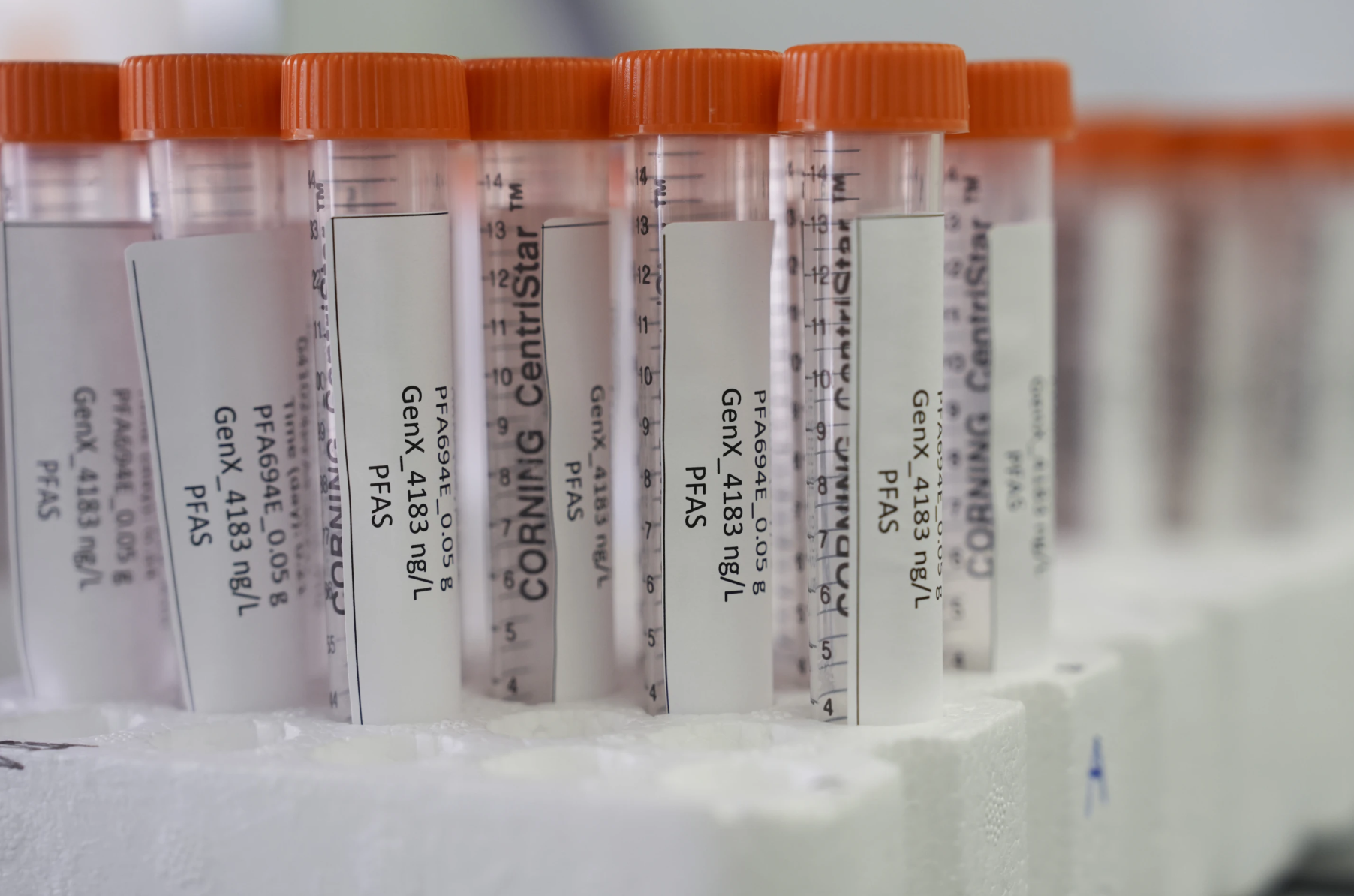
Gov. Ron DeSantis has signed legislation to phase out toxic flame-retardant foam used by firefighters across the state.
The measure (HB 1019), effective July 1, will gradually ban the use, sale and possession of aqueous film-forming foam (AFFF), a firefighting agent containing PFAS, so-called “forever chemicals” linked to cancer and other diseases.
It is dubbed the “Joe Cassello Act” after late Boynton Beach Democratic Rep. Joe Casello, who served as a Massachusetts firefighter for 30 years before relocating to South Florida. Casello spent years pushing to address PFAS contamination in Florida’s drinking water before his death.
PFAS — short for per- and polyfluoroalkyl substances — are man-made chemicals used since the 1940s in products ranging from nonstick cookware to waterproof clothing and firefighting foam. The chemicals don’t break down in the environment or the human body, earning the “forever chemical” nickname, and have been linked to kidney and testicular cancer, thyroid disease and other illnesses.
Governments across Florida have sued chemical manufacturers over the contamination. Miami-Dade County sued chemical giants 3M, DuPont and other manufacturers in 2020 after finding elevated PFAS levels in dozens of its water wells.
Stuart was part of a class-action case that produced a $10.3 billion nationwide settlement with 3M in 2023. Delray Beach reached a $15 million settlement with 3M and DuPont last year. Fort Lauderdale, Boca Raton and others also reached multimillion-dollar settlements.
Despite widespread litigation, PFAS remain largely unregulated at the federal level. The U.S. Environmental Protection Agency finalized enforceable drinking water limits for certain PFAS compounds in 2024, but in May, the agency moved to roll back some of those limits.
Florida has not yet adopted its own enforceable maximum contaminant levels for PFAS in water.
HB 1019, passed unanimously by the Legislature in March and signed by DeSantis on Tuesday, establishes a timeline for eliminating AFFF. Beginning next month, the foam can no longer be used for nonemergency training, instruction or testing, and entities possessing it must report inventories to Florida’s Department of Environmental Protection (DEP).
One year later, the sale, purchase and distribution of AFFF within the state will be prohibited, and remaining holders must submit disposal plans. By July 1, 2029, possession and use of the foam will be banned outright, with exemptions for airports, military applications lacking alternatives and emergency firefighting situations where no substitute is available.

The law also directs DEP to adopt disposal rules, maintain a registry of PFAS-free foam alternatives and offer grants to help Fire Departments and airports transition.
Violators face civil penalties of up to $10,000 per day, plus additional fines for failing to report inventories or disposal plans.
Notably, the law also requires certain wastewater facilities to conduct quarterly PFAS sampling and report results to the state.
Under the new law, public entities that dispose of domestic wastewater biosolids and treated effluent with a designed average daily flow of 25,000 gallons or more must conduct at least one quarterly sampling for PFAS and its compounds and submit results to DEP.
The sampling and reporting requirement is for informational purposes only until the federal Environmental Protection Agency establishes water quality standards for PFAS and the state formally adopts them.
Stuart Republican Sen. Gayle Harrell, a health care information technology consultant who sponsored the bill’s upper-chamber companion (SB 1230) lamented ahead of its passage that PFAS “are everywhere, and they never, ever go away.”
“These are some of the strongest chemicals that can cause cancer and a whole variety of diseases,” she said, according to POLITICO. “So, we want to make sure that we are doing everything to eliminate them as much as possible.”
Treasure Island Fire Chief Trip Barrs, President of the Florida Fire Chiefs Association, told WGCU in January that his department has already disposed of its AFFF stockpile, though he remains concerned about his crews’ past exposure during training.
“We’ve known for some time the ingredients in this foam are carcinogenic, and bad for the environment,” he said, calling the legislation “a good start” in addressing the dangers of PFAS.
HB 1019 was sponsored in the House by Lakewood Ranch Republican Rep. Bill Conerly and Miami Republican Rep. Omar Blanco, Florida’s 2020 Professional Firefighter of the Year.
Delray Beach Democratic Rep. Rob Long, a former member of the Palm Beach County Soil and Water Conservation District who worked on the PFAS issue locally before succeeding Casello in House District 90, said he worked with Casello for years on the issue.
“Joe understood the science and the risks immediately,” Long told Florida Politics shortly after HB 1019 passed. “Seeing that work become law in his name is incredibly meaningful.”
A statewide poll released in October found broad public concern about PFAS contamination despite limited awareness of the chemicals. Nearly two-thirds of informed respondents said they’d be open to paying slightly higher water bills to help remove PFAS from their drinking water supply.
The poll found most Floridians knew little about PFAS going in — fewer than 1 in 10 said they were “very familiar” with the chemicals beforehand, and 42% had never heard of them — but after being informed of the risks, 55% called PFAS a “major problem.”