
Politics
Crowded ballots aren’t chaos. They’re Black political power.
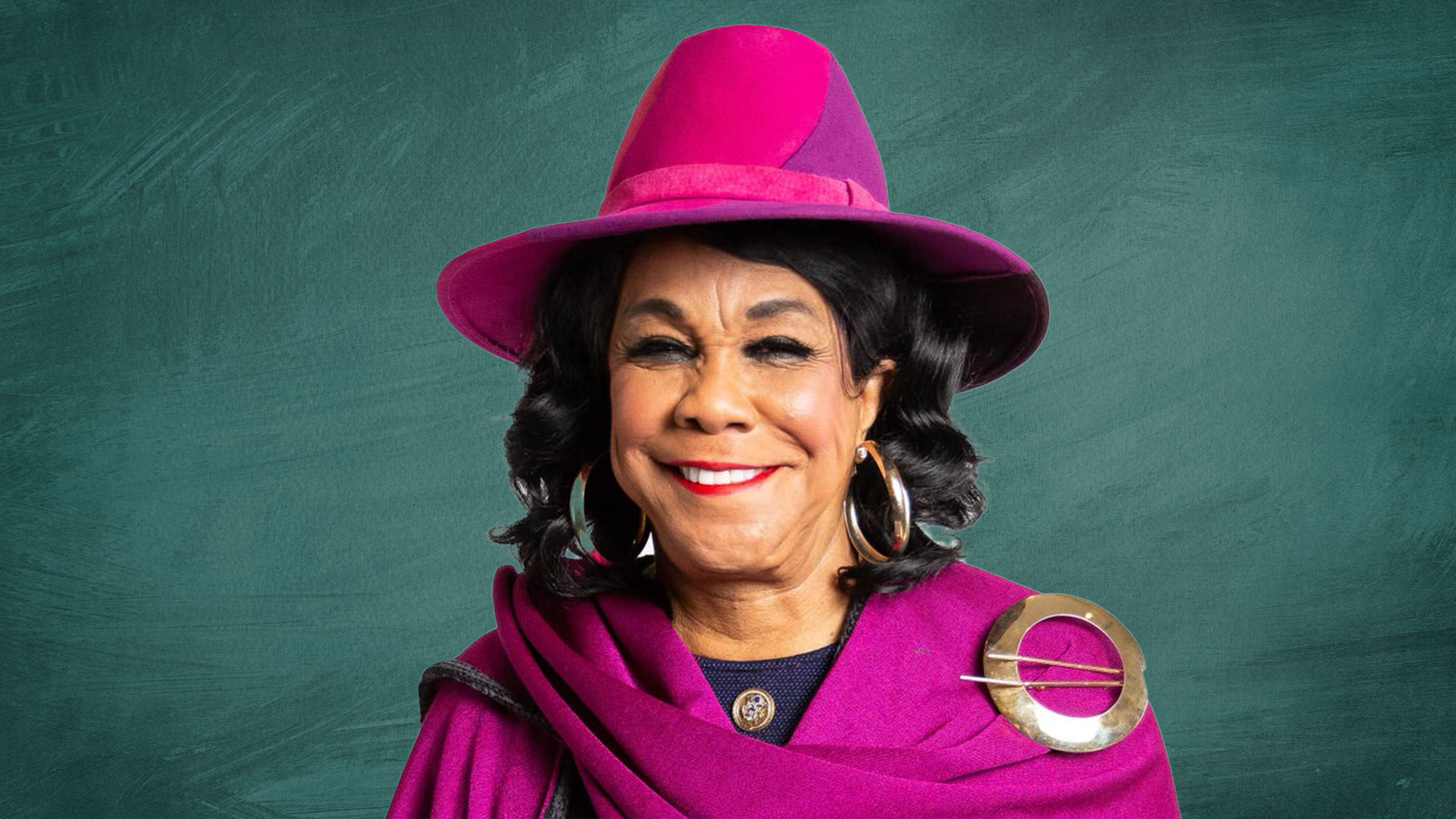
To the casual observer, the upcoming Primary Election ballot in North Miami-Dade and South Broward counties looks like a game of political musical chairs played at hyperspeed.
Since U.S. Rep. Frederica Wilson’s historic announcement that she will not seek re-election, a massive political cascade has been triggered. State Senators are running for Congress, state representatives are vying for the Senate, and a wave of new and familiar faces is stepping up to fill the resulting vacancies on School Boards, County Commissions and municipal Councils.
The immediate, cynical narrative from the pundit class is predictable: It’s opportunistic. It’s excessively political. It’s a mad dash for power.
But that diagnosis completely misreads the structural reality of Black politics in Florida.
What we are witnessing in the 24th Congressional District is not a display of unchecked personal ambition. It is the predictable consequence of a voting map designed to constrict Black electoral opportunity. For over a decade, gerrymandering by the Florida Legislature has systematically packed Black voters into a limited number of districts while diluting their influence everywhere else.

When you intentionally create only a handful of geographic pockets where a Black candidate can run, build a coalition and realistically win, you create a political bottleneck. Exceptional, qualified leaders are forced to wait in line for decades, serving capably in local positions because the structural pathways upward are legally fenced off.
When a structural anchor like Wilson, who has fiercely held that line for nearly three decades across the School Board, Tallahassee and Washington, decides it is time to pass the torch, the dam breaks. The sheer volume of candidates putting their names on the ballot isn’t a sign of institutional chaos; it is proof of a massive, pent-up reservoir of talent and energy, and a profound desire to serve a community that is too often left behind.
As someone who deeply loves my hometown of Miami and my home state of Florida, I refuse to accept the narrative that our political landscape is fractured or chaotic. I look at this ballot, and I don’t see division; I see the immense, untapped promise of our people.
Florida has always been a battleground for the soul of the nation, and right here in South Florida, we have a unique opportunity to anchor this country in a new spirit of unity. By standing together, we can show the entire nation the possibilities of a truly powerful voting bloc, one that centers the Black voice not just as a reliable constituency, but as the visionary leadership this country so desperately needs.
Instead of wringing our hands over crowded Primary fields, South Florida has a generational opportunity to convert this competitive friction into raw, unified political power.

Historically, highly competitive Primaries risk fracturing communities, leaving voters exhausted by the time the General Election arrives in November. We cannot afford that outcome. The true test of this political moment is whether we can capitalize on the localized excitement of the August Primary to fuel a historic turnout engine for the General Election.
Think about the sheer math of the current ballot. Every single candidate running for office, from the high-profile congressional hopefuls down to the neighborhood municipal Council candidates, is building an active campaign apparatus. They are hiring field organizers to knock on doors in Liberty City, Miami Gardens and Opa-locka, make phone calls and register voters. They are talking to people who haven’t seen a campaign worker on their block in years.
If these campaigns operate purely in silos, that energy dissipates the moment the Primary polls close. But if we view these collective campaigns as a unified, decentralized organizing machine, the potential is limitless.
To turn this Primary energy into General Election victories, South Florida’s political ecosystem must execute a deliberate transition strategy.
First, candidates who do not prevail in August must immediately and visibly fold their operations, volunteers and voter lists into the coordinated Democratic ticket for November. There can be no room for lingering Primary grievances when the stakes of the General Election involve the preservation of our fundamental rights, public education funding and economic survival.
Second, the structural energy must flow downward as well as upward. A competitive congressional race draws the big donors and national attention. Still, voters are motivated by the issues affecting their daily lives: rising housing costs, local School Board policies and neighborhood safety. The eventual nominee for the 24th District must run a coordinated campaign that intentionally lifts down-ballot candidates, creating a “reverse coattails” effect in which local Council and state legislative races drive the foundational turnout that secures the top of the ticket.
Gerrymandering was engineered to make Black voters feel isolated and structurally powerless. But the crowded ballots of 2026 tell a different story. They show a community bursting with leadership, ready to contest every inch of the political map available to them.
Let’s stop calling it a traffic jam. It’s a mobilization. If we harness the competitive fire of August, bind it with hometown pride, and channel it collectively toward November, we won’t just fill a congressional seat. We will wake a sleeping giant at the ballot box and lead the nation forward.
___
Fedrick Ingram serves as Secretary-Treasurer of the American Federation of Teachers, serving 1.8 million members, including pre-K through 12th-grade teachers; paraprofessionals and other school-related personnel; higher education faculty and professional staff; federal, state and local government employees; and nurses and other healthcare professionals.