
Politics
Byron Donalds promises property tax ‘reform’ regardless of Amendment 3’s fate
Florida won’t ultimately decide until November whether to pass Amendment 3, which would lift homestead exemptions to $150,000 next year, $250,000 in 2028, and even higher in coming years in accordance with the Consumer Price Index increases.
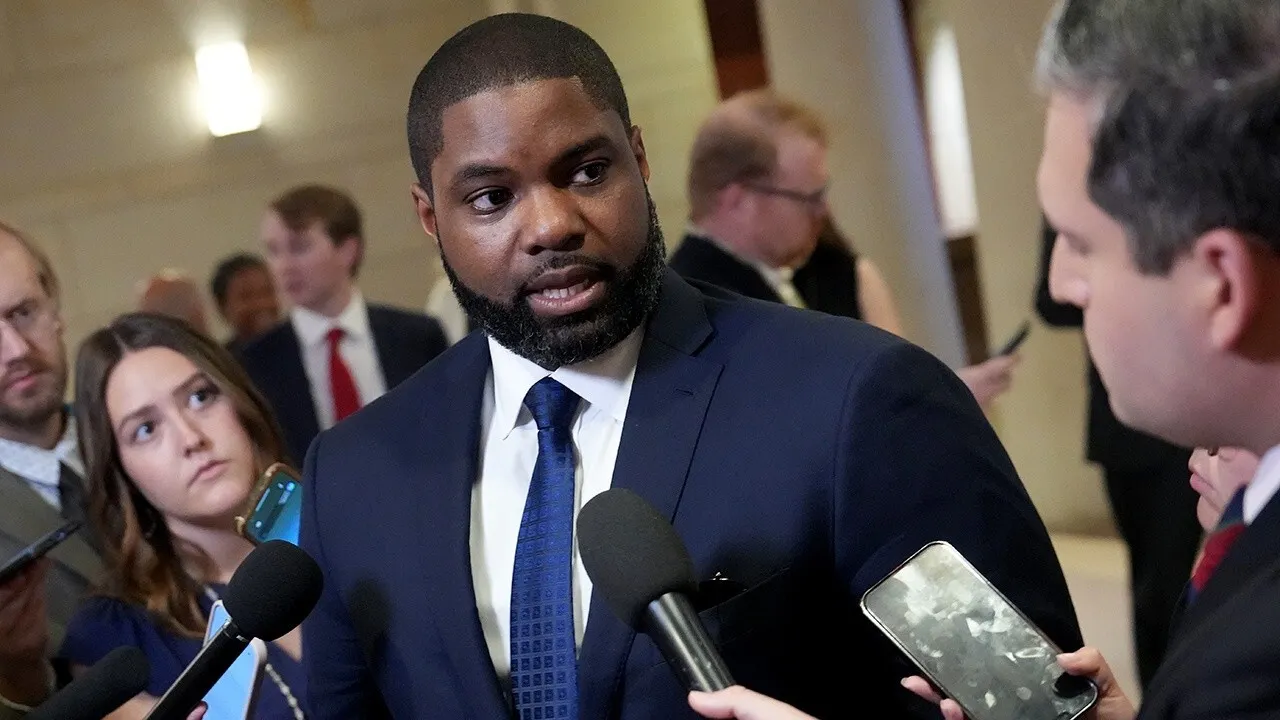
But likely Republican gubernatorial nominee Byron Donalds says whether the ballot measure gets 3/5 support or falls short, he intends fixes for the state’s property tax schematic.
“Whether it passes or whether it doesn’t, next year in the (Florida Taxation and Budget Reform Commission), we are going to bring proposals for a full and complete reform of property taxes and fees in Florida. We want to make sure that seniors on fixed income are not being taxed out of our state, and we want to make sure that young families working families have the opportunity to build the Florida dream for themselves here in Florida. And we’re going to start that work next year,” Donalds said Friday in The Villages.
The Florida Taxation and Budget Reform Commission (TBRC) is scheduled to convene next January for the first time in two decades, soon after the next Governor is sworn in. It could advance an amendment for the 2028 ballot.
Donalds previously has expressed concerns about the constitutional amendment, saying local governments could hike special assessments and non-ad valorem taxes to compensate. He also laments the lack of a funding formula for the state’s fiscally-constrained counties to backfill lost revenue.
Florida’s 29 fiscally constrained counties are Baker, Bradford, Calhoun, Columbia, DeSoto, Dixie, Franklin, Gadsden, Gilchrist, Glades, Gulf, Hamilton, Hardee, Hendry, Highlands, Holmes, Jackson, Jefferson, Lafayette, Levy, Liberty, Madison, Okeechobee, Putnam, Suwannee, Taylor, Union, Wakulla and Washington.
If Amendment 3 gets at least 60% support, an implementation session of the Legislature would be required, and that could be a venue to consider fixes.
Some fiscally constrained counties could lose anywhere from a fifth to a third of their revenue in the coming years if voters pass the amendment, according to the Florida Association of Counties.
The Office of Economic and Demographic Research estimates a total of $11.86 billion would eventually be extracted from local budgets per year, money that would likely come from services provided to residents.
When voters are aware of the impacts, they don’t support the measure enough to pass it. A University of North Florida poll shows 45% support, though 68% of Republicans still back it.

With local governments and statewide police and fire unions opposed to the amendment, Donalds is walking a tightrope on this issue, which will be a drag with independent voters that he will need in November’s General Election. Only 40% of NPAs say they will vote for the ballot item.