Sports
World Cup Qualifying poses more questions than answers
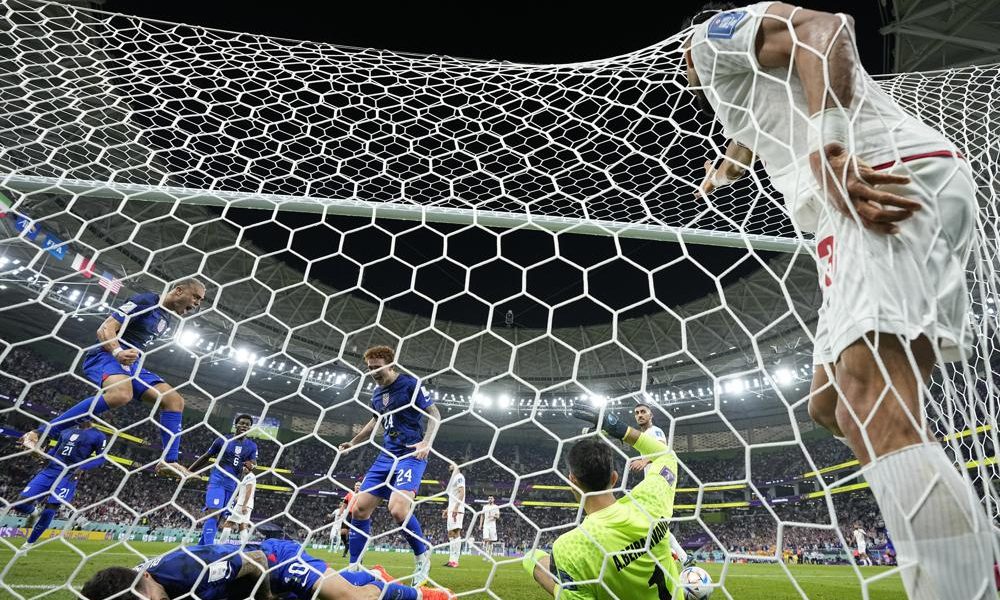
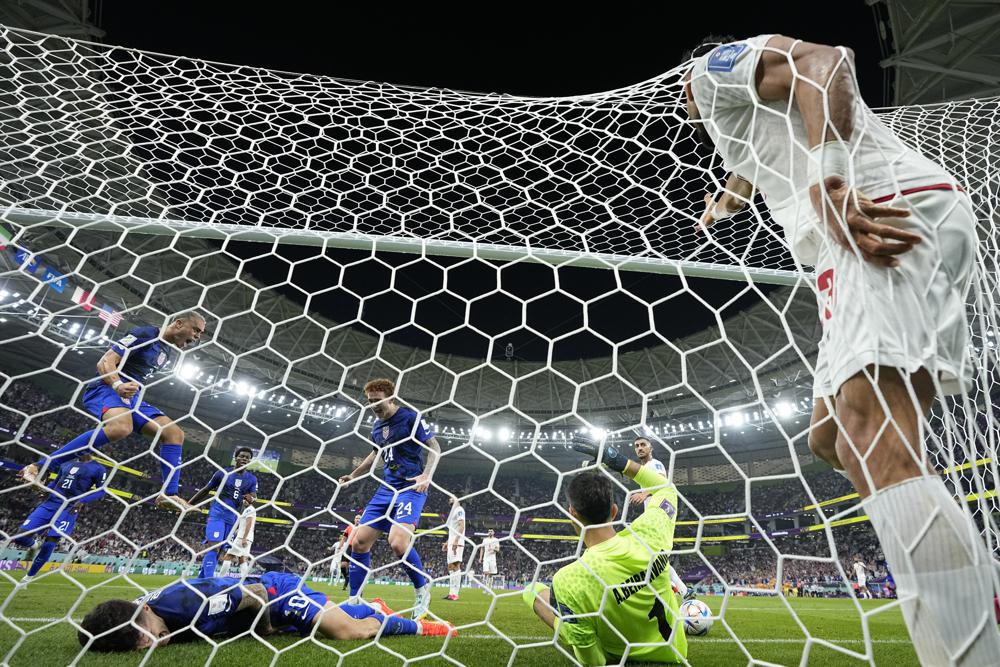
World Cup qualifying always feels endless until, suddenly, it is not. Months of travel, midweek kickoffs and nervy stoppage time goals have produced a final list of teams that will head to the biggest stage in world soccer. The table is set, but the path to get here tells us as much about the sport’s future as the tournament itself.
This qualifying cycle delivered traditional powers under pressure, new contenders breaking through, and a reminder that no region has a monopoly on drama. When you zoom out, patterns emerge: tactical shifts, travel demands, player fatigue and the growing influence of data and video review all left fingerprints on the final standings.
SOCCER COVERAGE – SPORTS TALK FLORIDA
Traditional powers survived, but the gap is shrinking
Yes, many of the usual giants are back in the World Cup, but the journey was far from routine. Several heavyweights stumbled through qualifying windows, dropped points in hostile stadiums and relied on late surges or playoff routes to secure their spots. The days when a superpower could cruise through qualifying on reputation alone are gone.
Smaller federations are investing in coaching, analytics and youth development, and it shows. Organized defensive blocks, well-drilled pressing schemes and set-piece routines narrowed the talent gap. For the big nations, qualifying is no longer a formality; it is a stress test that exposes any complacency or tactical confusion.
Emerging nations turned belief into results
Every qualifying cycle produces at least one breakout story, but this one felt particularly rich with new faces. Nations that once hovered on the fringes of contention turned promise into points, often powered by a golden generation playing in top European leagues.
These teams did not just sit deep and hope for a counterattack. Many played proactive, front-foot football, pressing high and trusting their technical quality. Their success sends a clear message: with the right structure, talent identification and federation support, the traditional regional hierarchies can be disrupted.
Expanded formats changed the pressure points
Changes to qualifying formats and the expansion of the World Cup field reshaped the stakes in every region. In some confederations, more automatic spots reduced the risk of a single bad night. In others, new playoff paths and intercontinental matchups created fresh layers of jeopardy.
Coaches had to manage risk differently. Some leaned into rotation, knowing there was a bit more margin for error. Others treated every window like a mini-tournament, prioritizing chemistry and continuity. The expanded World Cup may open the door for more nations, but qualifying still found ways to be unforgiving for teams that started slowly or failed to adapt.
Travel, congestion and player fatigue were constant opponents
The modern qualifying calendar is a puzzle of long-haul flights, tight turnarounds and club-versus-country tension. This cycle underscored how much physical and mental load players carry. Many stars arrived in camp after grueling club stretches, then were asked to perform at altitude, in extreme heat or on unfamiliar pitches.
Squad depth became a competitive advantage. Teams that could rotate without a major drop in quality handled the schedule better, especially in windows with three matches. Sports science staffs and federation logistics departments were nearly as important as tactical plans, managing recovery, sleep and travel to squeeze out every possible edge.
Home advantage evolved, but it still mattered
In some regions, pandemic-era restrictions had already forced teams to rethink what home advantage meant. This cycle brought back full stadiums, and with them, the old truths about intimidating atmospheres and long-distance travel. Yet home advantage is no longer just about noise and emotion.
Federations leaned into details: pitch conditions tailored to their style, kickoff times that favored local climate, and travel arrangements that made life as uncomfortable as possible for visiting teams. Even with more neutral refereeing and video review, the energy of a packed home crowd still swung momentum in key moments.
VAR and technology reshaped the margins
Video assistant referees and goal-line technology are now part of the qualifying landscape, and their influence was felt in crucial matches. Goals were given, and others taken away, after long reviews that tested the nerves of players and fans alike.
For coaches, this meant set pieces and penalty-area actions were under a harsher spotlight. Defenders had to adjust their physicality, while attackers learned to exaggerate contact less and focus on clear, reviewable fouls. Technology did not remove controversy, but it shifted it—from missed calls on the field to frame-by-frame debates in the replay booth.
Coaching stability and identity proved decisive
The teams that navigated qualifying most smoothly tended to share two traits: a clear playing identity and stability on the touchline. Federations that resisted the urge to panic after a bad window were often rewarded with late surges as systems clicked and players grew comfortable in their roles.
On the flip side, nations that cycled through coaches mid-campaign paid a price in cohesion. Every new manager brings new ideas, but qualifying offers little time for experimentation. The most successful sides knew who they were, how they wanted to play and which players fit that vision long before the final matchday.
What it all means for the World Cup finals
Qualifying is not the tournament, but it is the best preview we get. The storylines that emerged—shrinking gaps between powers and underdogs, rising new nations, the impact of travel and fatigue, and the tactical arms race—will all carry into the World Cup.
Expect a finals where reputations matter less than execution, where so-called minnows arrive with real belief, and where depth and adaptability may decide who survives the group stage. The marathon of qualifying is over, but the lessons it taught will shape every kick of the ball when the world’s biggest tournament begins.