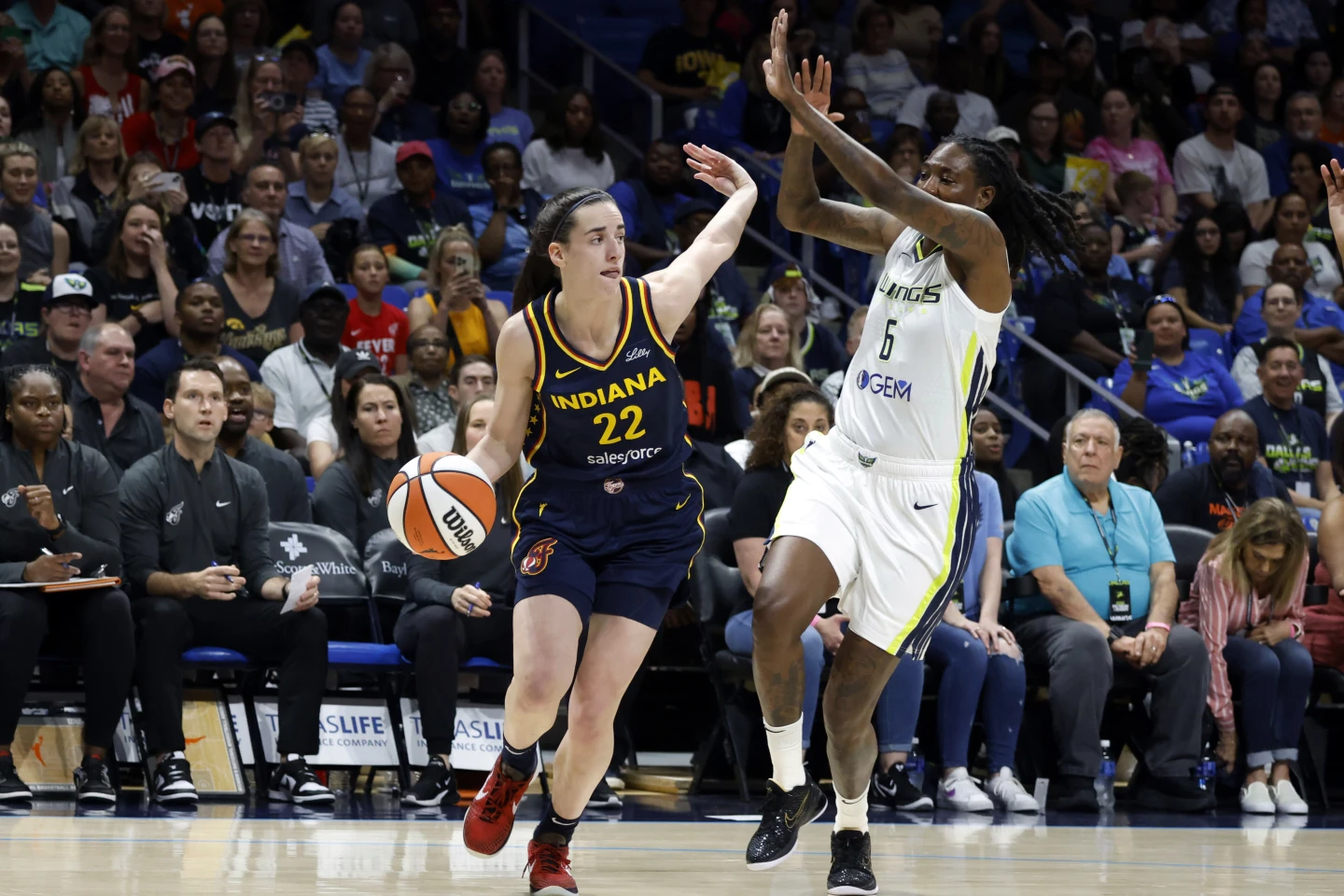
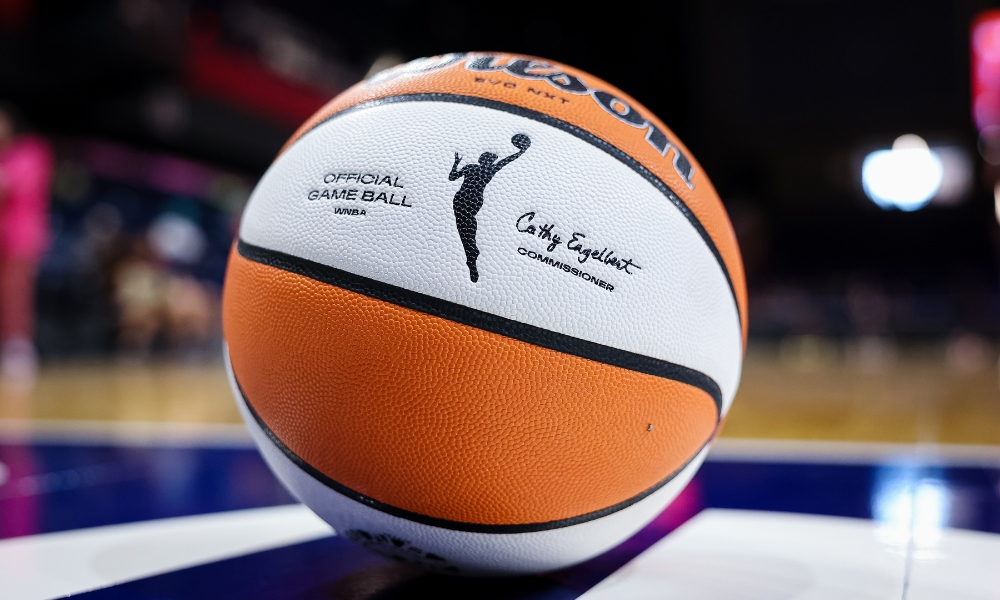
The Women’s National Basketball Association owners and players have until January 9th to finalize a new collective bargaining agreement. Talks stalled last October, and the sides initially aimed for a deal by November 30th, 2025. They agreed to extend the deadline again. While there is still time before the WNBA season starts, the league’s business operations are on a clock.
Portland and Toronto are set to be stocked via an expansion draft. The WNBA entry draft is scheduled for April 13th. If a lockout occurs, players would lose access to team facilities, practices, games, and communication with staff.
Salary Dispute Drives Negotiations
The primary sticking point is the salary structure. Players are pushing back against a salary cap. Owners, meanwhile, are trying to limit total spending. This tug-of-war is common in professional sports negotiations.
Two outside opportunities may also be influencing the players’ stance. Several WNBA athletes have committed to play in Project B, a women’s basketball startup league. Project B will run in Europe, Asia, and Latin America from November through April 2027. The league features six teams, each with 11 players, and follows a traditional 5-on-5 format.
Project B plans to hold seven two-week tournaments in various locations across the continents. The league offers players an equity stake and higher compensation than what WNBA owners have proposed.
Additional Options for Players
There is also the Unrivaled League, now entering its second year on January 5th. The three-player-per-team league includes eight teams. Though smaller in scale, it provides another professional option for athletes seeking playing opportunities outside the WNBA.
With multiple alternatives available, players have leverage in negotiations. Both the WNBA and its players want to avoid a lockout, but the stakes remain high. The league’s expansion, draft schedule, and competitive international opportunities all add urgency to finalizing an agreement.
Path Forward
The coming weeks will be critical. WNBA owners and players must reach a compromise on salaries, benefits, and league structure. The decisions will affect expansion teams, current rosters, and international opportunities for players. A deal by January 9th would ensure the season proceeds without interruption, maintaining momentum for the league’s growth and global presence.
In the next era of college athletics, the Atlantic Coast Conference faces a defining crossroads. Imagine a 2030 landscape where Clemson, Florida State, Miami, North Carolina, and perhaps even Louisville exit for richer pastures. Even in that scenario, the ACC is far too valuable — institutionally, academically, and geographically — to simply collapse.
I humbly offer ACC Commissioner Jim Phillips and the conference’s member schools a blueprint not only to keep the league intact, but to position it to expand and thrive. The institutions that make up this conference are too significant, too powerful, and too valuable to ignore — and with that in mind, here is the plan.
The remaining core of academically elite, mission‑aligned universities would have the opportunity to rebuild the league into a modern, stable, academically driven national conference. Rather than chasing the SEC and Big Ten’s financial arms race, ACC 2.0 could re‑center itself around research excellence, institutional compatibility, and a coast‑to‑coast footprint that appeals to both ESPN and emerging streaming partners.
Why the Remaining ACC Schools Won’t Bolt for the Big 12
The Big 12 is aggressive, opportunistic, and well‑run — but it is not a natural academic or institutional fit for the ACC’s remaining members. Here’s why each school is better off staying:
Duke
Elite AAU academics
Basketball brand unmatched in the Big 12
Strong ESPN relationship
Big 12 offers no academic peers
Virginia
AAU powerhouse
Massive research footprint
Fits culturally with Stanford, Cal, Georgia Tech
Big 12 would be a step down academically
Virginia Tech
Strong football brand
Geographic anchor for the Mid‑Atlantic
Big 12 travel would be brutal
ACC stability + new markets = better long‑term value
NC State
Research Triangle identity
Local rivalries with Duke/UNC/VT
Big 12 offers no comparable academic ecosystem
Georgia Tech
AAU member
Atlanta market
Tech‑centric brand fits ACC’s academic identity
Big 12 lacks peer institutions
Pittsburgh
AAU member
Natural rivalries with Syracuse, BC, Notre Dame
Big 12 travel and time zones are a poor fit
Syracuse
Northeast media footprint
Basketball heritage
Big 12 is geographically and culturally misaligned
Boston College
Only Power conference school in New England
Massive media market leverage
Big 12 has no presence or value in the Northeast
Wake Forest
Elite private‑school academics
Big 12’s public‑school culture doesn’t match
ACC offers stability and peer alignment
Cal & Stanford
AAU giants
West Coast academic prestige
Big 12 is not an academic match
ACC gives them a national platform without compromising identity
SMU
Wealthiest donor base in the country
Texas recruiting access
ACC brand elevates SMU more than Big 12 ever could
Bottom line: The Big 12 is a good football league. The ACC is a university league — and that matters to these schools.
The New Additions: Why They Strengthen ACC 2.0
ACC 2.0 strategically adds USF, UConn, Tulane, Memphis, Rice, Army (football only), and Navy (football only) — each selected for academic alignment, media value, and institutional fit.
USF
AAU status
R1 research
New on‑campus stadium
#11 Tampa–St. Pete–Sarasota DMA
Massive NIL potential
Aggressive investment in sports
UConn
NYC–New England corridor
Elite basketball brand
Strong academics
Restores Northeast relevance
Football is on the upswing
Tulane
AAU‑level academics
New Orleans market
Rising football credibility
Memphis
Central U.S. footprint
Passionate fanbase
Strong recruiting region
Rice
AAU member
Houston market
Elite academic prestige
Army & Navy
National visibility
Tradition and patriotic appeal
Annual Army–Navy game becomes an ACC property
Together, these additions create a coast‑to‑coast academic‑athletic alliance unmatched outside the Big Ten.
Notre Dame: The Biggest Winner in ACC 2.0
Notre Dame remains a full ACC member in all sports except football, where it maintains independence. But in ACC 2.0, the Irish gain:
A league that mirrors Notre Dame’s academic identity
If anything, ACC 2.0 becomes the perfect home for Notre Dame’s Olympic sports — and the perfect partner for its football independence.
Why ESPN Stays Invested Beyond 2036
ACC 2.0 controls major markets including Boston, New York City, Washington DC, Atlanta, Tampa Bay, New Orleans, Memphis, Pittsburgh, Raleigh–Durham, San Francisco/Oakland, and Houston.
For ESPN, this means:
Year‑round content
High‑value basketball inventory
East Coast + West Coast windows
Service academy games
Notre Dame Olympic sports
Even after 2036, ESPN will want:
Inventory
Stability
National reach
Academic prestige
ACC 2.0 checks every box.
Why Apple, Amazon, YouTube, and DAZN Will Bid
The next media cycle will be dominated by streamers. ACC 2.0 offers:
National markets
Elite academic brands
Basketball dominance
Service academy tradition
Notre Dame adjacency
West Coast + East Coast time zones
Competitive Football programs already in the conference with up-and-coming new teams joining.
DAZN, in particular, is looking to plant a U.S. flag through its pursuit of Main Street Sports. ACC 2.0 gives them:
A national conference
A stable inventory
A premium academic brand
This is exactly the kind of league a streamer wants to anchor a long‑term sports strategy.
How the ACC Learned From the Pac‑12 Collapse
The Pac‑12 died because it:
Waited too long to understand their problems
Had no unified vision
Lost Los Angeles
Ignored streaming partners
Failed to expand
ACC 2.0 does the opposite:
Expands early
Adds major markets
Builds academic alignment
Creates national inventory
Embraces streaming
This is a conference built to survive. Thanks in advance to the ACC for looking at my suggestions and best of luck in the future.
In case you needed another example of Tampa Bay Buccaneers incompetence, Sunday afternoon was another great example of how far this team has truly fallen.
With Baker Mayfield committing three turnovers, two of them interceptions, one fumble, Bucky Irving, continuing his fall from grace, and the defense failing to contain a Miami Dolphins offense led by seventh round pick, rookie quarterback Quinn Ewers, it was just an absolutely abysmal performance all the way around.
It’s depressing to say, but I’m afraid I’m running out of ways to describe such an atrocious football team.
After the 20-17 loss the Buccaneers fall to 7-9 for the season, and yet because the Carolina Panthers also took a loss to the Seattle Seahawks, the Bucs have a chance to still sneak into the playoffs as a division winner with a victory next Sunday at home against those Panthers.
Head coach, Todd Bowles, has had his job security and question seemingly since he was hired, but this year has been one of the few times where those calls actually have some weight to them after the Buccaneers have gone 1-7 over their past eight weeks.
However, NFL insider Ian Rappaport mentioned on NFL network that there was no discussion of a head coach coaching change for Tampa Bay.
Bowles signed a contract extension before this season began.
He’s certainly the hot name that most people are discussing when talking about any potential changes this team could make, but for a team that has played as poorly as they have there aren’t too many people that should be considered safe both on the roster and coaching staff.
From Bowles to Baker to the special teams coaches to the entire defense, everyone has been a massive disappointment to finish out this season.
Could the Buccaneers consider drafting a quarterback as early as the first round this off-season?
It’s certainly not out of the question with one year remaining on Baker Mayfield’s contract and his play falling off a cliff after such a miraculously hot start to begin this season.
And if general manager, Jason Licht, sees someone that he likes and falls to the Buccaneers, even if Tampa Tampa Bay somehow manages to sneak into the postseason, there has to be some pause if they like a young quarterback enough.
We shall see how the season finishes, as another division title could paper over a lot of these problems and the Buccaneers could decide to run it back for another season (which they might do anyways).
Former French footballer and father of Algeria’s goalkeeper #23 Luca Zidane, Zinedine Zidane (R) and his wife Veronique Zidane (L) watch during the Africa Cup of Nations (CAN) Group E football match between Algeria and Burkino Faso at Moulay Hassan Stadium in Rabat on December 28, 2025. (Photo by Paul ELLIS / AFP via Getty Images)
African football’s rise continues to captivate the world, and the 2025 Africa Cup of Nations in Morocco is proving to be more than just a tournament.
AFCON 2025 is becoming a mid-season cultural stop for the global football elite during their brief mid-season pause.
Just a week after biggest football fiesta in Africa kicked off on December 21, Morocco has transformed into a magnet for world stars, blending high-octane football with VIP glamour.
The stadiums are alive not only with passionate fans, but also with familiar faces from Europe’s biggest clubs, all drawn to the rhythm and uniqueness of African football.
Among the most notable attendees is French football icon and former Real Madrid coach Zinedine Zidane.
Spotted once again in the VIP tribune in Rabat, Zidane was in parent mode as he supported his son Luca, who has been guarding the net for Algeria.
Accompanied by his wife Veronique, Zidane watched on as Luca delivered another important performance, recording his second consecutive clean sheet for the Desert Foxes.
Real Madrid’s current superstar, Kylian Mbappe, has also become a regular presence in the stands.
The French forward was seen enjoying Morocco’s matches, as well as the thrilling 1–1 draw between Cote d’Ivoire and Cameroon on Sunday.
French football player Kylian Mbappe (C) and French humorist, actor and producer Jamel Debbouze are pictured in the stands during the Africa Cup of Nations (CAN) Group A football match between Morocco and Mali at Prince Moulay Abdellah Stadium in Rabat
For Mbappe, the tournament holds personal meaning because of his Algerian and Cameroonian roots which make AFCON a celebration of heritage.
Adding to the star power, Real Madrid midfielder Aurelien Tchouameni was also in attendance, joined by Barcelona defender Jules Kounde.
The two were spotted watching the Cameroon vs Cote d’Ivoire clash.