
Politics
Why families facing childhood cancer still feel alone
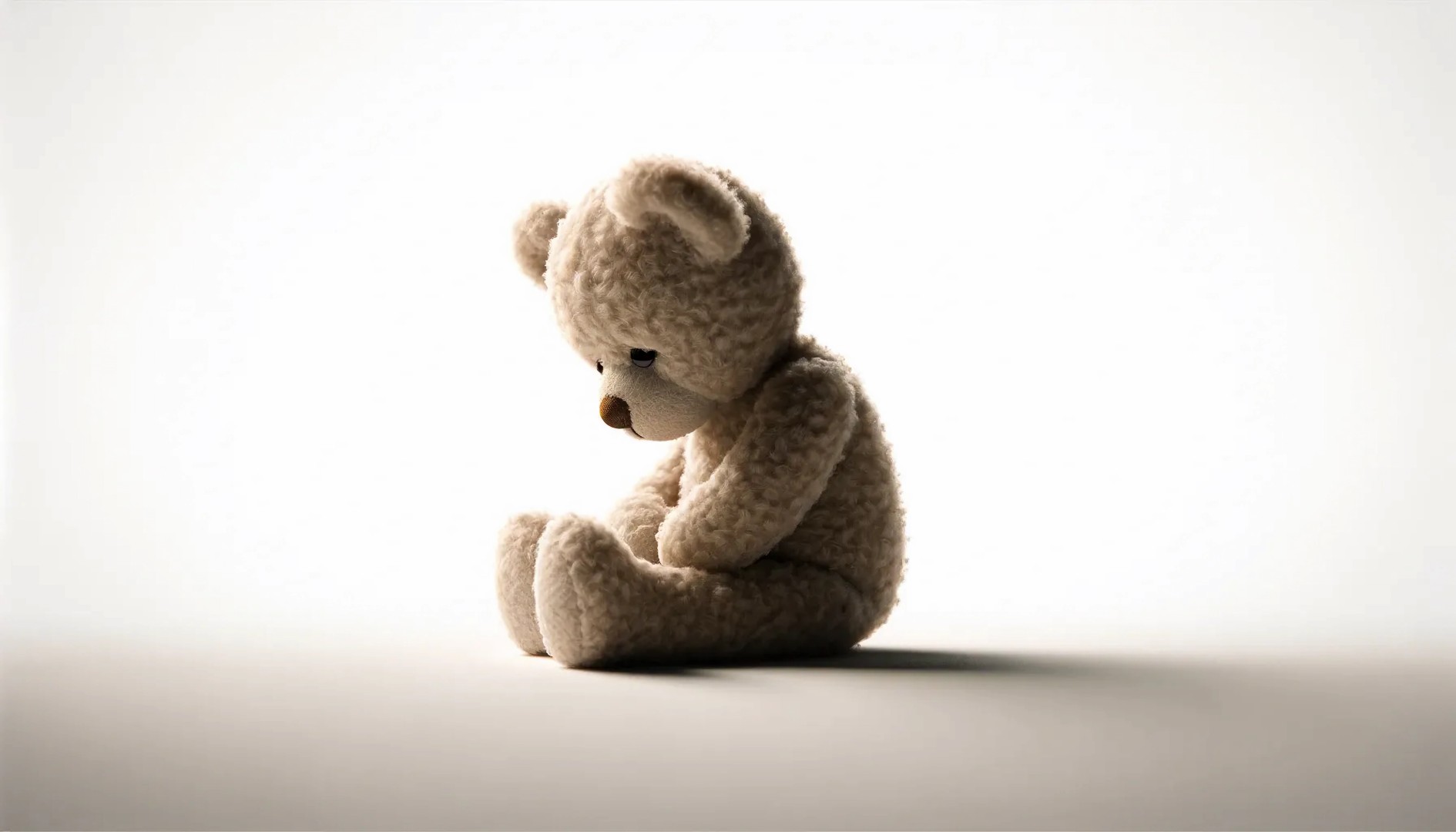
For a parent, the first night after a childhood cancer diagnosis is unforgettable.
After a day of doctors explaining scans and treatment plans, hospital hallways grow quiet. Parents are left alone with questions no one can yet answer. The reality of what lies ahead begins to settle in.
Across the United States, about 15,000 children are diagnosed with cancer each year, according to the National Cancer Institute.
One thing I have learned in conversations with families on the “A Hope for a Cure” podcast, which I co-host with childhood cancer advocate Latanya Morrison, is how difficult these stories can be to explain. The podcast gives families a place to speak openly about their lived experiences, the diagnosis, treatment, survivorship and struggles.
For many parents, that means friends and relatives can listen and understand without asking them to relive some of the most painful moments again and again.

One mother described hearing a doctor explain that there was a mass on her son’s brain.
“Then get it out,” she said.
But the reality, she soon learned, was not that simple.
Childhood cancers differ biologically from adult cancers and are far rarer, leaving researchers with fewer clinical trials and less data to guide treatment.
The doctors and nurses caring for these children are extraordinary. Pediatric oncology teams work tirelessly to guide families through some of the most difficult days of their lives.

Hospitals, such as Nemours Children’s Hospital, have developed programs not only to treat the child but also to support the entire family. That includes siblings, who often feel the effects of the diagnosis in quieter ways as attention shifts almost entirely to the sick child.
Medical teams offer expertise, compassion and hope.
And hope matters.
But parents often begin to realize something else during those early days.
Doctors speak carefully. They explain possibilities. They offer reassurance wherever they can.
Yet beneath those conversations is a truth no one can soften: No one has all the answers.
At first, many families believe someone will eventually step forward with a breakthrough, the drug that changes everything.
But childhood cancer often does not follow that script.
The road ahead is longer and harder than most parents realize. Many only fully understand that later, when they look back and see how much they didn’t yet know in those first days.
One of the hardest parts of that journey is something few people talk about openly: talking about it.
Parents often discover that when they share their child’s diagnosis, the reaction from others can be overwhelming. People cry. They struggle to find the right words.
Suddenly, parents find themselves comforting the very person they were trying to confide in.
Many stop talking, not because they do not need support, but because they do not want sympathy.
They want understanding.
They want strength.
They want someone who can simply listen.
That is why families facing childhood cancer often lean on one another in ways few others can.
Parents who have walked this road reach back to help families just beginning it. They share practical advice, encouragement and the reassurance that someone else truly understands.
It becomes family helping family.
That reality helped inspire the “Through This Together” campaign at the Ahmad Butler Foundation, which invites families to share their experiences to support others walking the same path.
The need for this kind of support also helps explain why so many pediatric cancer organizations are started by families themselves. Nonprofits such as the Ahmad Butler Foundation, Alex’s Lemonade Stand Foundation and the National Pediatric Cancer Foundation exist because families saw gaps in the system and chose to act after experiencing the unimaginable themselves.
But it also raises a difficult question.
Why do those gaps still exist?
Earlier this year, the Ahmad Butler Foundation asked federal leaders to consider declaring pediatric cancer a national health emergency. The response acknowledged the seriousness of the issue and pointed to areas of progress. But for many families and advocates, it also underscores a harder truth: recognition alone does not match the urgency of what children and families are facing right now.
Cancer remains the leading disease-related cause of death among children in the United States, according to the American Cancer Society.
Childhood cancer deserves the same level of urgency and national focus given to other major public health challenges.
Families should not have to carry this burden alone. This is not only a medical challenge. It is a shared responsibility.
Until that urgency is matched with action, families will continue doing what they have always done.
They will support one another.
Because somewhere tonight, another family will hear the words no parent ever expects to hear.
And when the hospital hallways grow quiet, they will begin facing the longest night of their lives.
They should not have to face it alone.
Until the system catches up, families will continue standing beside one another.
Because right now, more than ever, we truly are Through This Together.
___
Jason Collins is a childhood cancer advocate, communications director for the Ahmad Butler Foundation, and co-host of the “A Hope for a Cure” podcast. He’s based in Palm Bay, Florida.