
Politics
White House pumps the brakes on John Guard confirmation amid ongoing Hope Florida inquiry

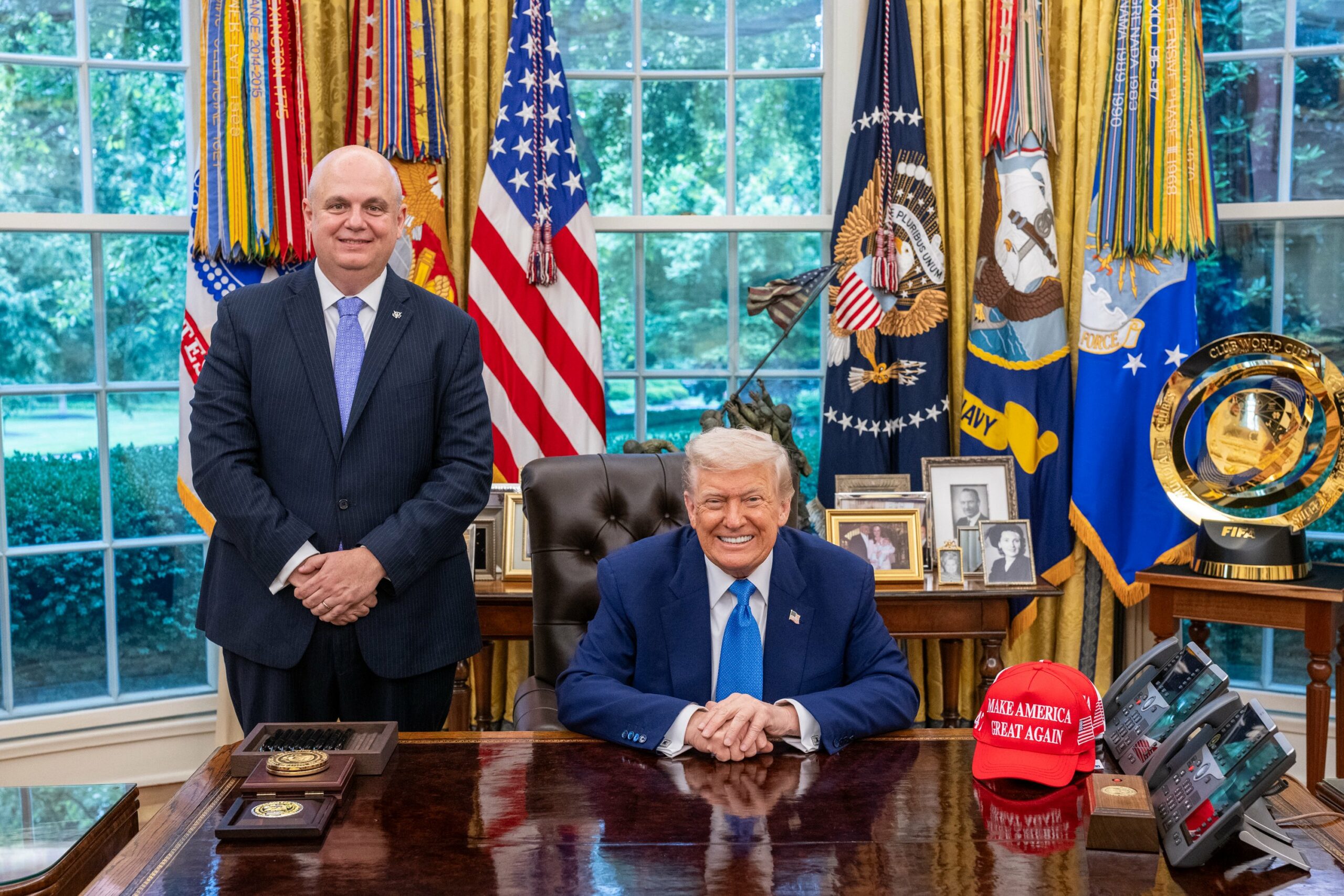
The White House is hitting pause on Florida Deputy Attorney General John Guard’s judicial confirmation for the United States District Court for the Middle District of Florida, amid the ongoing inquiry into allegations of misspending Hope Florida funds, according to multiple reports.
Guard was nominated by Trump to the bench in the Middle District, but was subpoenaed in relation to the Hope Florida scandal.
“The White House doesn’t have any reason to really believe that John broke the law, but it doesn’t want a nasty confirmation fight about this until it all gets cleared up,” a source with direct knowledge of the confirmation told Axios.
At issue is a $10 million Medicaid settlement that was sent to the Hope Florida Foundation, led by First Lady Casey DeSantis, to help Floridians rise out of poverty. But the money was instead funneled into political committees established to fight 2024 efforts to legalize adult-use cannabis.
Gov. Ron DeSantis was a vocal critic of the cannabis legalization effort, which received majority support at the ballot box but failed to reach the 60% threshold needed to pass.
Guard was among those subpoenaed over his role in the scandal. He signed the settlement, but not before privately raising concerns, according to The Miami Herald/Tampa Bay Times, which obtained emails documenting the conversations. The emails show Guard removed references to his office in drafts of the settlement in a series of back-and-forth conversations over the course of 22 days.
While Guard’s confirmation has been “indefinitely” postponed, sources told Axios that it could still go through if the investigation is completed quickly, noting that he “is still qualified and the White House wants to fill this spot.”
Even state Rep. Alex Andrade, who spearheaded the investigation into Hope Florida, told Axios he doesn’t “see a reason” to believe Guard is corrupt, but lamented that Guard “raised red flags but didn’t push further.”
“I assume it was a go-along-get-along situation,” Andrade said, according to Axios.
Still, the paused confirmation highlights yet another consequence of the feud between DeSantis and his allies and the Trump world.

U.S. Sen. Rick Scott has long taken issue with DeSantis. Scott was the one who refused to submit the “blue slip” necessary for any nomination to begin confirmation proceedings. Scott raised concerns in May about Guard’s involvement in the Hope Florida scandal, according to the Pensacola News Journal.
Further evidencing rifts between team Trump and team DeSantis, U.S. Sen. Ashley Moody — Guard’s former boss as former Florida Attorney General — appears to have retaliated by withholding a blue slip for Jack Heekin’s confirmation as U.S. Attorney for the Northern District of Florida, Axios reported. Heekin is Scott’s former general counsel. However, Moody was ultimately rebuffed when the White House pushed back, and Heekin has since been sworn in.
A grand jury was convened last week in Tallahassee to hear testimony related to the Hope Florida scandal, which could issue criminal indictments.
The policy expansion is retroactive through November 2024.
The House is expanding its paid parental leave policy when employees have a baby or adopt a child, House Speaker Daniel Perez announced.
The policy takes effect immediately and applies retroactively for parents who took leave from Nov. 19, 2024, onward.
Going forward, full-time salaried employees will get up to seven consecutive weeks of paid parental leave for maternity leave after childbirth.
The House will also offer mothers and fathers paid care and bonding leave for up to two weeks within one year after a child’s birth or adoption. The care and bonding leave “may be granted on an intermittent basis” and can’t be taken during the 60-day Legislative Session. It requires supervisor approval as well, Perez’s memo said.
It’s an expansion from the current policy, which Perez explained in the memo.
“As has been the policy of the House, an employee who is the father or mother of a natural born or adopted child will continue to be granted parental leave for a period not to exceed three months total,” Perez’s memo said.
“The employee may include in the request for parental leave one or all of the following types of leave: (new) paid parental leave when allowable; up to 240 hours of accrued sick leave; annual leave; compensatory leave; personal holiday; and leave without pay.”
To help retroactively, the House Office of Administration and Professional Development will be contacting employees to talk about their situations.
The majority of Americans don’t get paid time off for childbirth, according to a 2019 Kaiser Foundation study.
A few major employers in Florida are offering the benefit to new parents.

Publix, for instance, began offering full- and part-time employees paid parental leave in 2022.
“We frequently review our benefits to continually offer a comprehensive package to our associates,” Publix spokesperson Maria Brous told Florida Politics at the time the policy was unveiled.
Politics
Ben Albritton on the future of property tax proposals in the Senate: ‘We’re still measuring’
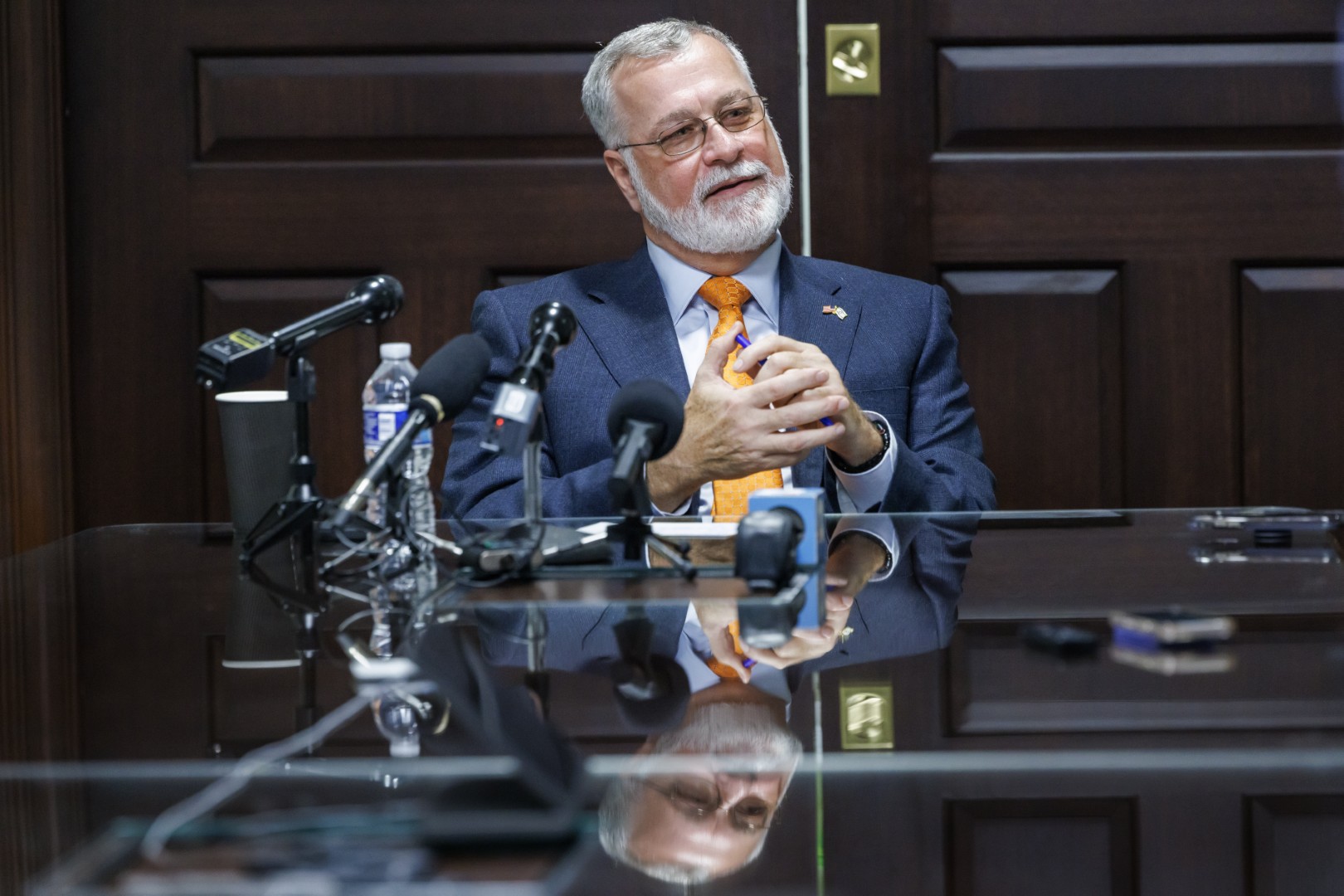
With eight proposals on eliminating or cutting property taxes moving through the House and Gov. Ron DeSantis maintaining that none go far enough, many are looking more and more to the Senate for signs of what, if any, change could be coming.
As he’s done in months past, Senate President Ben Albritton is advocating for a cautious, unhurried approach.
“Honest to goodness, we’re still measuring,” Albritton told reporters Monday. “We’ve looked at the House proposals, and every one of those has a certain amount of cost to it and a certain amount of impact to Floridians.”
Albritton said that while the Senate is committed to delivering financial relief to Floridians in the form of property tax cuts or rollbacks, he and others in the chamber are cognizant that many core services at the local level stand to be adversely affected if it’s done carelessly.
“Every Floridian … depends on the fact that if they call 911, somebody comes to their place, somebody comes to help them,” he said. “We’ve got to be thoughtful about that.”
Asked whether the Governor has unilateral authority to redistribute funds derived from well-to-do counties like Miami-Dade, Broward, Palm Beach and Orange to 29 fiscally constrained, mostly rural counties — as DeSantis has proposed doing — Albritton’s answer was more definitive: “No.”
“The Florida Legislature (is) given the power to appropriate. The Governor is certainly the chief executive. He has the ability to veto or be supportive. He has, I would say, the ability and the opportunity to be able to share perspective in his budget request and when he lays out the budget,” he said.
“The opportunity to backfill lies in the Legislature.”
On the idea of cash-strapped counties asking the state for funding annually that they’d otherwise generate locally, Albritton said it’s “certainly a concern.”
“Do I love the idea? Of course not,” he said. “But I (believe) affordability is a challenge, and providing some relief in the property tax space is a great way to do that, and especially for (homesteaded) Floridians … that’s great.”

Albritton pushed back on the idea that eliminating property taxes would lead to a “gold rush” of wealthy transplants to the Sunshine State, stressing that he is “optimistic” about the prospect despite its potentially negative effects.
“But it’s not that simple,” he said. “And that’s one of the things that I’m finding in that here again: Don’t take down a fence until you know why it was put up.”



New Look appoints new retail director to spearhead omnichannel strategy

‘This isn’t what Walt and Roy would have wanted’: Disney fans with disabilities sue over new ride restrictions

Jessica Simpson Relists Home for $17.9 Million After It Struggles to Sell
-

 Politics8 years ago
Congress rolls out ‘Better Deal,’ new economic agenda
-
Entertainment8 years ago
New Season 8 Walking Dead trailer flashes forward in time
-
Politics8 years ago
Poll: Virginia governor’s race in dead heat
-
Entertainment8 years ago
The final 6 ‘Game of Thrones’ episodes might feel like a full season
-
Entertainment8 years ago
Meet Superman’s grandfather in new trailer for Krypton
-
Politics8 years ago
Illinois’ financial crisis could bring the state to a halt
-
Business8 years ago
6 Stunning new co-working spaces around the globe
-
Tech8 years ago
Hulu hires Google marketing veteran Kelly Campbell as CMO