
Politics
What Europe’s base towns lose if U.S. troops leave
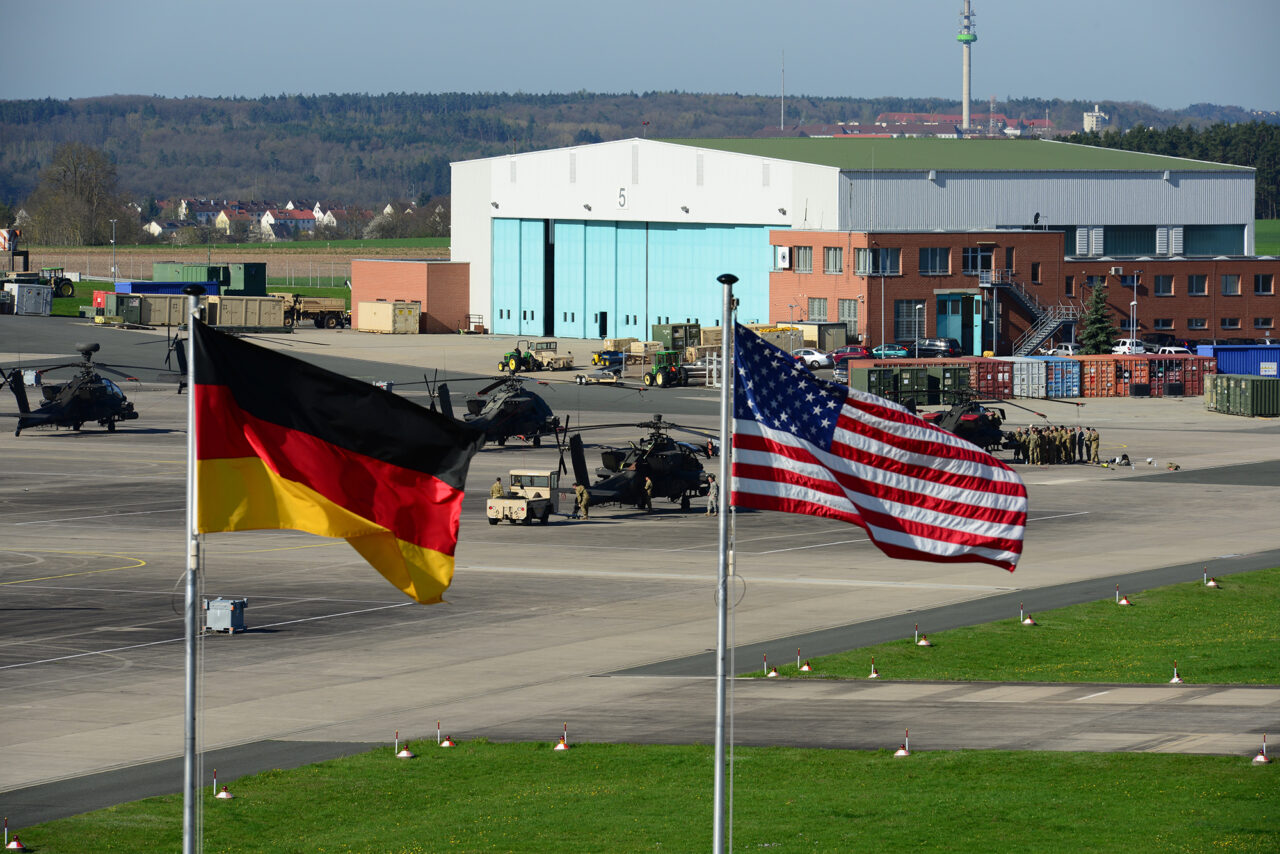
In Europe, American power has become part of ordinary life.
It sits in air bases, barracks and command centers. It also shows up in rent contracts, school routines, local shops and town budgets. For Washington, these places are a force posture. For many Europeans, they have become background: useful, familiar and sometimes resented.
That is the part Americans often miss when Washington debates troop levels in Europe.
Defense Secretary Pete Hegseth told allies in Brussels that the Pentagon will conduct a six-month review of U.S. force levels in Europe. Washington is also reducing some of the assets it would make available to NATO in a crisis, including high-end capabilities that Europe cannot quickly replace. German Defense Minister Boris Pistorius has already called for a road map for any drawdown.
The strategic argument is familiar. Europe has relied on American protection for too long, and the Trump administration wants allies to carry more of the burden. Hegseth said the United States wants NATO to move toward European leadership.
In Germany, that sentence lands in towns that have spent generations living with American permanence.
The United States still has more troops in Germany than in any other European country. Pentagon data cited by Reuters put the permanent American presence in Europe at about 68,000 active-duty personnel at the end of 2025, with more than 36,000 in Germany. Italy and Britain are the next-largest hosts. Germany remains the central hub.
The names are familiar to many Americans: Ramstein, Kaiserslautern, Spangdahlem, Grafenwöhr, Vilseck and Stuttgart. They appear in family stories about deployments, Air Force assignments and childhoods abroad. In Germany, there are also towns with landlords, Mayors, mechanics, school bus routes and budgets.
Kaiserslautern is the clearest case. Around Ramstein Air Base, more than 50,000 Americans, including service members, civilian employees and family members, live and work in the region.
That number is not just a military fact. It shapes the housing market. It shapes local business. It shapes how a German city lives with America, even when German politics argues over America.

The larger story is habit. A military presence became normal life. What began as an occupation after 1945 became a deterrence during the Cold War and then a permanent infrastructure for American operations. Ramstein matters because it helps protect Europe. It also matters because America reaches other parts of the world through Germany.
That is why a drawdown would not be mourned everywhere. The Left Party has long demanded the withdrawal of foreign troops. The Sahra Wagenknecht alliance has criticized the role of U.S. bases such as Ramstein, Spangdahlem and Grafenwöhr in operations linked to conflicts outside Europe. Parts of the AfD have also called for an end to the American military presence. The motives differ. The complaint often leads to the same point: Germany should not host bases from which Washington can project power without Berlin’s full control.
This is the German complication. The bases are both useful and resented. They bring money into towns and discomfort into politics.
That tension is worth understanding. Germany has not simply been protected by the United States. It has lived with the United States in a daily, physical and often profitable way. American power is not only something discussed by chancellors and defense ministers. It is something a landlord in Kaiserslautern may have priced into an apartment.
Hegseth’s review makes that harder to ignore. Europe has spoken for years about strategic autonomy. A serious American drawdown would turn the phrase into weapons Europe lacks, procurement delays it cannot hide and base towns looking for a new future.
The same applies beyond Germany. In Italy, Britain and Spain, U.S. bases have become part of local and national calculations. A smaller American footprint would not fall evenly across Europe. Some governments would welcome the symbolism. Some towns would lose customers. Some defense ministries would discover how difficult it is to replace capabilities that had always been assumed to be available.
For Americans, the debate is often framed in terms of fairness. Why should U.S. taxpayers underwrite European security while wealthy European states hesitate to build their own military strength?
That question has force. It has had force for years.
For Europe, the answer can no longer be another speech about transatlantic friendship. It must be money, military capacity and political willingness. The base towns already understand the money part. They have lived from the American presence. The capitals now have to show whether they can live with less of it.
That is where the story becomes larger than troop numbers. Europe did not only outsource parts of its defense to America. In some places, it built ordinary life around that outsourcing.
The arrangement was convenient for decades. American forces deterred enemies, moved through European infrastructure and kept local economies busy. European leaders could complain about American dominance while relying on the stability it provided. Local communities could resent parts of the military footprint while benefiting from the people and money it brought.
A smaller American footprint would change the daily rhythm of towns that have lived with U.S. power for generations. Soldiers would leave, families would leave with them, and businesses built around their presence would have to adjust. Europe would see American retrenchment first in ordinary places.
Europe has spent decades living inside an American security order. A smaller U.S. footprint would show how much of that order had become ordinary life.