
Politics
Volcano Bay’s cashless shift signals broader Florida business trend
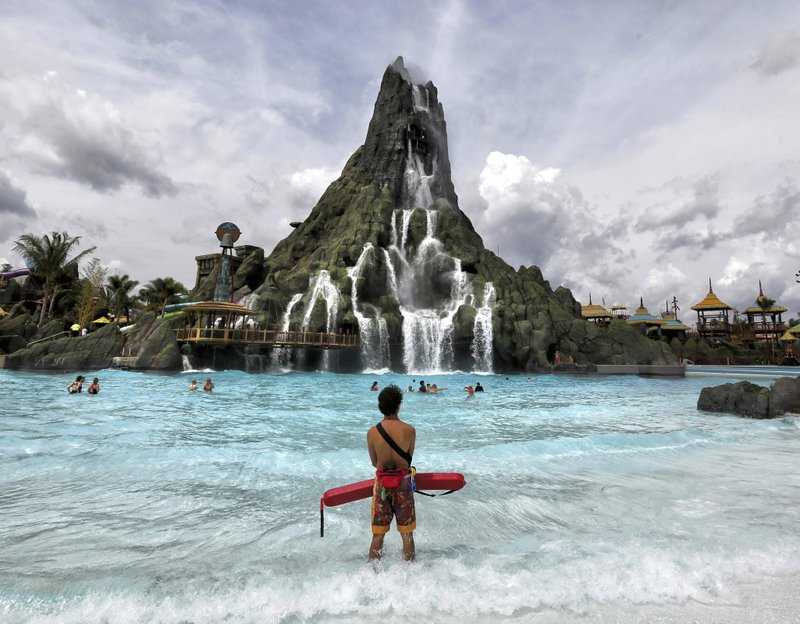
When guests dive into the wave pool at Universal’s Volcano Bay this spring, they’ll also be wading into a new era of payment options.
The water park at the Universal Orlando Resort will transition to a fully cashless payment system beginning February 25, becoming the latest high-profile Florida attraction to drop paper currency and coins altogether.
The move underscores a broader trend sweeping across the Sunshine State — from theme parks and stadiums to restaurants, bars and convenience stores, more businesses are deciding the costs and risks of handling cash simply aren’t worth the fuss.
A report from IHL Group, a global research and advisory firm focused on retail and hospitality, found the cost of handling cash payments can run from 4.7% on the low end to more than 15.5% for bars and restaurants. That’s significantly higher than the average cost of accepting credit cards, which has remained at roughly 2% for more than a decade.
Those cash-handling expenses include more than just bank fees. Counting tills, reconciling drawers, investigating discrepancies and transporting deposits all require employee time — and time is money. For high-volume attractions like Volcano Bay, where thousands of guests make purchases in a single day, eliminating those hours can translate into significant operational savings.
Business owners also point to safety. Fewer companies and consumers want large amounts of cash on hand because of the risk of robbery or theft. Without cash in registers and safes, the incentive for theft drops — and so do losses when incidents do occur. Across Florida, many sports arenas and concert venues have already made the shift to cashless transactions. Some operators report a noticeable decline in vendor robberies after removing cash from concessions stands.
The shift is also being driven by customer habits. More Floridians — and tourists visiting the state’s attractions — now rely exclusively on debit and credit cards, or digital wallets. For many, carrying cash is no longer routine; for some, it’s an annoying relic of the past.
That consumer preference aligns with operational efficiencies. Cashless systems speed up lines, reduce register errors and simplify accounting.
For destinations like Volcano Bay, where guests use wearable technology such as tap-to-pay wristbands to reserve rides and make purchases, the transition to fully cashless operations is a logical next step in a broader digital experience.
While some municipalities around the country have debated or enacted rules requiring businesses to accept cash, Florida’s business-friendly climate has largely allowed companies to determine their own payment policies. A proposal in 2024 to block businesses from going cashless was eventually withdrawn amid limited support.

From beachside cafés in South Florida to major entertainment complexes in Central Florida, operators are weighing the math, and with lower labor costs, reduced theft risk and faster transactions, the numbers are persuasive.
Volcano Bay’s switch may be the latest headline, but it is unlikely to be the last. As more businesses scrutinize their bottom lines, the question is no longer whether cashless payments will expand in Florida, but how quickly.