
Politics
Vax debate — socialism — driver’s license — recounts — stock up
The debate to inoculate
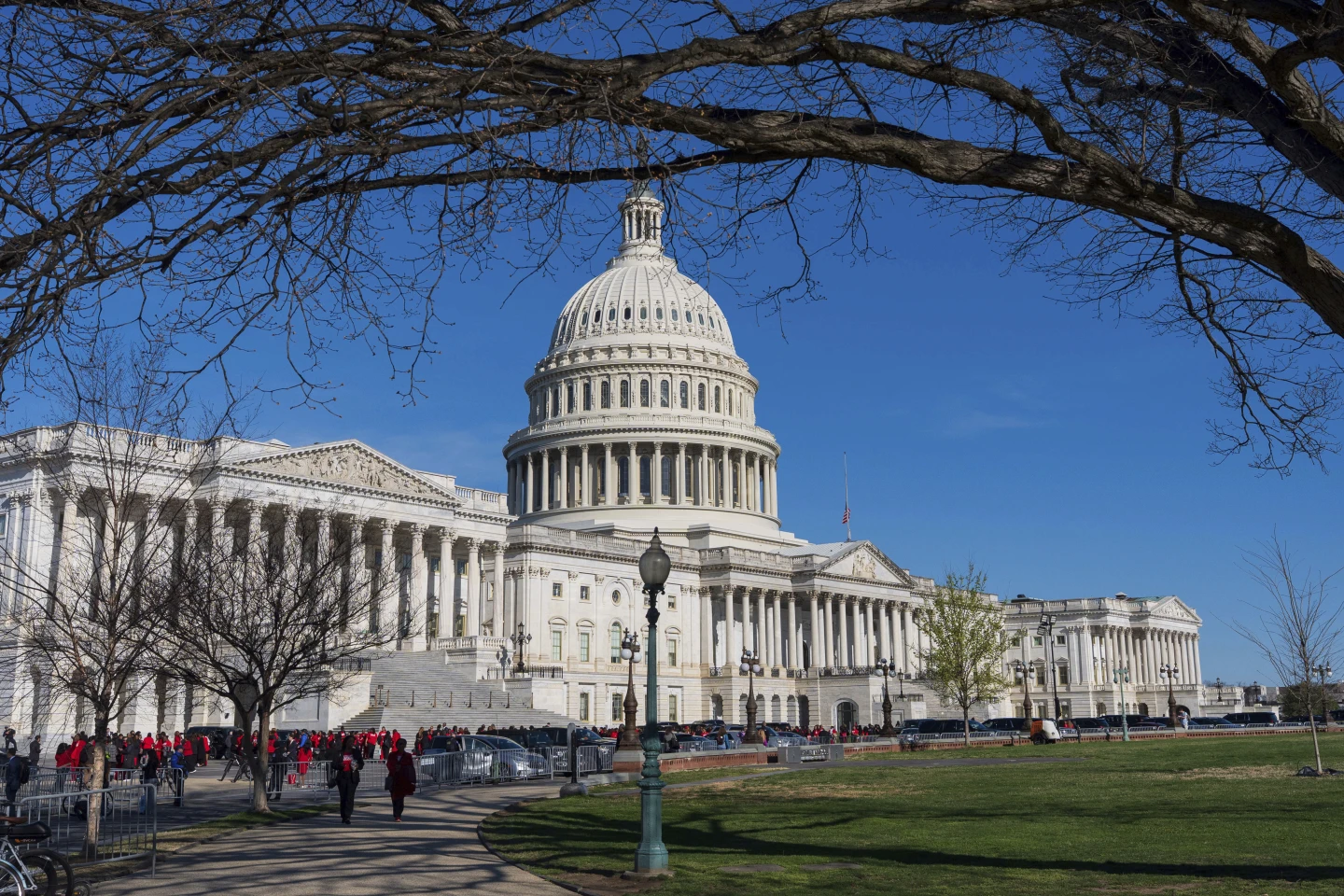
Florida became the first state in the union to announce a move to end vaccine mandates in public schools. That decision came just as Health and Human Services (HHS) Secretary Robert Kennedy Jr.’s anti-vaccine policies came under bipartisan scrutiny in the Senate.
The issue created an instant divide in Florida’s congressional delegation, and it didn’t crack along purely partisan lines.
Sen. Rick Scott told Axios reporter Marc Caputo that Gov. Ron DeSantis erred by demanding an end to vaccine requirements for polio, measles-mumps-rubella, chickenpox, Hepatitis B and other diseases.
“Florida already has a good system that allows families to opt out based on religious and personal beliefs, which balances our children’s health and parents’ rights,” said Scott, who notably worked in health care before entering politics.
That puts him on the same side as Democrats in the delegation, many of whom used more forceful words to decry DeSantis’ decision.
“Eliminating vaccine requirements is reckless and dangerous. It puts everyone at risk, especially endangering children, seniors, and those with weakened immune systems,” said Rep. Lois Frankel, a West Palm Beach Democrat. “It threatens Florida’s economy, which depends on people being healthy and tourists feeling safe.”
Rep. Frederica Wilson called for DeSantis to fire Surgeon General Joseph Ladapo.
“Are we losing our minds? This is getting ridiculous and pathetic. Are we trying to kill millions of innocent children?” the Miami-Dade Democrat said. “Childhood vaccines save lives. Abolishing them is insanity. Gov. DeSantis must either remove Joseph Ladapo as Surgeon General or have him resign. As a former teacher and principal, I know how vital childhood vaccinations are.”
But not everyone felt the same. Sen. Ashley Moody, who was appointed by DeSantis this year, defended the state’s decision.
“You can protect the health, safety and welfare of your people, but you have to do so through the lens of our responsibility of government to make sure that we are not infringing upon and … are protecting their freedoms,” the Plant City Republican told Newsmax.
And Kennedy backed up the DeSantis administration’s stance.
“States have the authority to balance public health goals with individual freedom, and honoring those decisions builds trust,” he said in a statement released by HHS. “Protecting both public health and personal liberty is how we restore faith in our institutions and Make America Healthy Again.”
Of course, the Florida debate roared as critics assailed Kennedy for firing Centers for Disease Control and Prevention Director Susan Monarez. The ousted agency leader said she was forced out for refusing to endorse scientifically unsound changes to vaccine recommendations, though Kennedy said that was a lie.
Rep. Kathy Castor, a Tampa Democrat, was among those in Congress urging Kennedy to resign.
“Secretary Kennedy’s complete disregard for facts and basic science has disqualified him from leading the nation’s health agency. His outright destruction of lifesaving medical research and purge of America’s leading health experts will cost lives,” she said.
“For the sake of the American people — especially children, seniors and those with underlying health risks — the nation needs leadership grounded in expertise, based in science and committed to transparency. Secretary Kennedy is clearly unfit for the job and he must resign immediately.”
But President Donald Trump’s administration remained behind Kennedy, and Republicans in the delegation followed suit.
“Under Biden, HHS was a mess,” posted Rep. Byron Donalds, a Naples Republican. “Secretary Kennedy is doing a great job. He is dismantling bureaucracy. He is eliminating corruption. He is Making America Healthy Again.”
And at least on Kennedy, Scott remains in the Trump administration’s corner. “Thank you, Secretary Kennedy, for fighting to make America healthy again and bringing transparency and accountability back to America’s health care system!” Scott posted.
Decrying socialism
Socialism in Florida holds significance, with a substantial portion of the immigrant population having roots in nations destabilized by such governments in Latin America. Now, Scott and Rep. María Elvia Salazar want Congress to condemn the entire political philosophy formally.
A joint resolution filed by Scott, a Naples Republican, details past and present communist leaders whose regimes were more remembered for famine and injustice than for empowering the people.
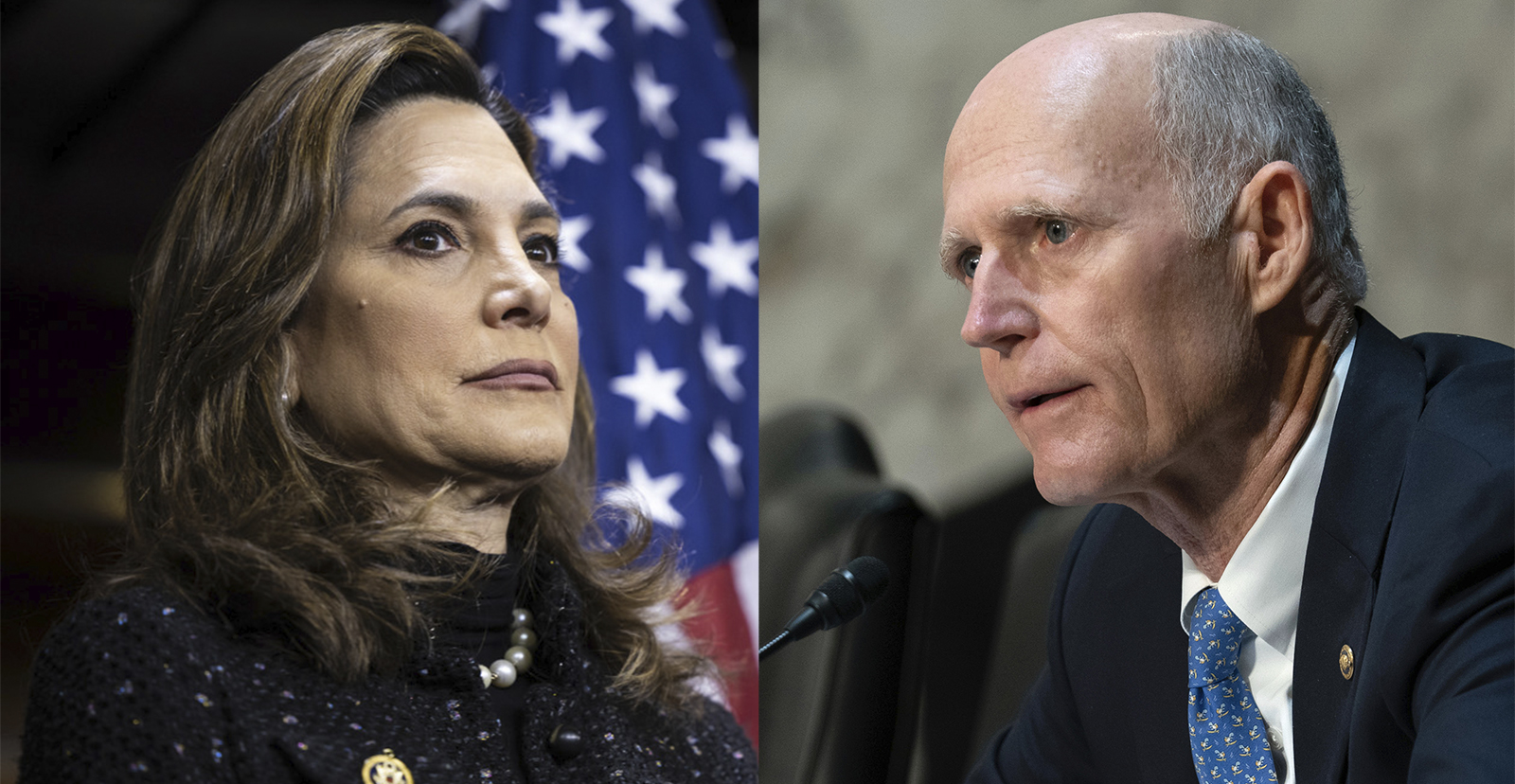
“Many of the greatest crimes in history were committed by socialist ideologues, including Vladimir Lenin, Josef Stalin, Mao Zedong, Fidel Castro, Pol Pot, Kim Jong Il, Kim Jong Un, Daniel Ortega, Hugo Chavez and Nicolás Maduro,” the resolution reads.
The resolution documents the history of socialism from the Bolshevik Revolution to the Maduro regime in Venezuela, then quotes Founding Fathers Thomas Jefferson and James Madison making the case for capitalism and privacy rights.
“Socialism is a failed ideology — it has destroyed countries, crushed economies, and robbed millions of their basic human rights. Just look at Cuba and Venezuela or talk to any of the thousands of families in my state of Florida who fled those regimes after evil dictators stripped them of every opportunity,” Scott said.
“Time and time again, socialism has led to the same, inevitable outcomes: misery, poverty and oppression. It’s despicable to see far-left radicals villainizing capitalism — a system that has helped billions of Americans achieve their dreams — and try to tear down our country and rebuild it in their woke, radical image through socialist policies.”
A release makes a direct tie to left-wing leaders in the U.S., including Zohran Mamdani, a self-described democratic socialist and the Democratic nominee for Mayor of New York City.
Salazar said voters in the U.S. need to reject socialism roundly. The Cuban American said too many democracies have been lured by its promises only to usher in oppression.
“History is clear: from Stalin’s gulags and Cambodia’s killing fields to Castro’s firing squads in Havana, socialism has always ended in misery, suffering and death. Entire nations have been destroyed and millions of lives shattered, including many in my own community who fled its brutality,” the Coral Gables Republican said.
“That is why I am proud to introduce this concurrent resolution denouncing the horrors of socialism in the House, alongside Sen. Rick Scott, to ensure Congress speaks with one voice in condemning socialism in all its forms, wherever it rears its ugly head. America must always stand as the light of liberty against the darkness of socialism and its false promises of equality.”

License check
In the wake of a serious accident in Florida that left three people dead, Moody proposed the Safer Truckers Act to require proof of U.S. residency before a Commercial Driver’s License (CDL) is issued.
Her measure would also require drivers to be proficient in English before a CDL is approved, so they can read road traffic signs and warning messages. States that don’t follow the proposed guidelines “would result in the loss of federal funding,” Moody’s Office said.
The proposed legislation comes after prosecutors charged Harjinder Singh with vehicular homicide. Investigators say Singh made a U-turn on the Florida Turnpike while driving a commercial truck and collided with a minivan near Fort Pierce. All three occupants in the van were killed.
According to an investigation, Singh, a native of India, was not a legal U.S. resident and illegally entered America through Mexico before obtaining his CDL in California. Moody said her proposed legislation is designed to make sure that doesn’t happen again.
“If you’re a commercial truck driver in America, being able to competently read the road signs in English isn’t optional; it’s the job,” Moody said.
“That’s why I’m introducing the Safer Truckers Act to prevent what we saw just happen in my home state, where an illegal alien, who failed his English Language Proficiency test, made a dangerous U-turn in the middle of an interstate and killed three people. States must ensure that folks are safe on our roadways and if they don’t, they should forfeit federal funds.”
Recount impact?
A Florida TaxWatch study examined the impact that could come if census restrictions proposed in Rep. Randy Fine’s Correct the Count Act (HR 4884) were implemented. Analysts found the proposal to exclude all non-U.S. citizens from census counts would mean Florida received an extra seat in the House, at the expense of a Democratic-controlled state.
Notably, Fine’s bill calls for a new census this year that doesn’t count any noncitizens in its totals, even those living in the U.S. legally. But the TaxWatch study doesn’t consider what a new census might find, instead suggesting such a mid-decade enterprise would be difficult to defend in court. “Any change to the operations of the census count must withstand constitutional scrutiny,” said TaxWatch President Dominic Calabro.
But even using the 2020 census data and subtracting noncitizens would mean gains for the Sunshine State. While Florida has plenty of such residents in its count, there aren’t nearly as many as are living in California. In a reapportionment model using the Fine criteria, California would lose three House seats.
“Texas had 14% of the nation’s noncitizen population and Florida had 9%. Although these numbers are high, both Florida and Texas were one of six states with statistically significant census undercounts in 2020,” the report states. “Therefore, the impact of removing their noncitizen population from a corrected population count was less drastic to their apportionment.”

Military silencers
Are nondisclosure agreements silencing service members with legitimate concerns about military housing? Rep. Jimmy Patronis filed a bill this week that would waive any gag order on troops.
The Housing Our Military Effectively For Readiness, Operations and Neutralization of Threats (HOMEFRONT) Act (HR 5035) would eliminate overcompliance that “restricts the military’s ability to modernize and improve military housing and protects service members from predatory nondisclosure agreements.”
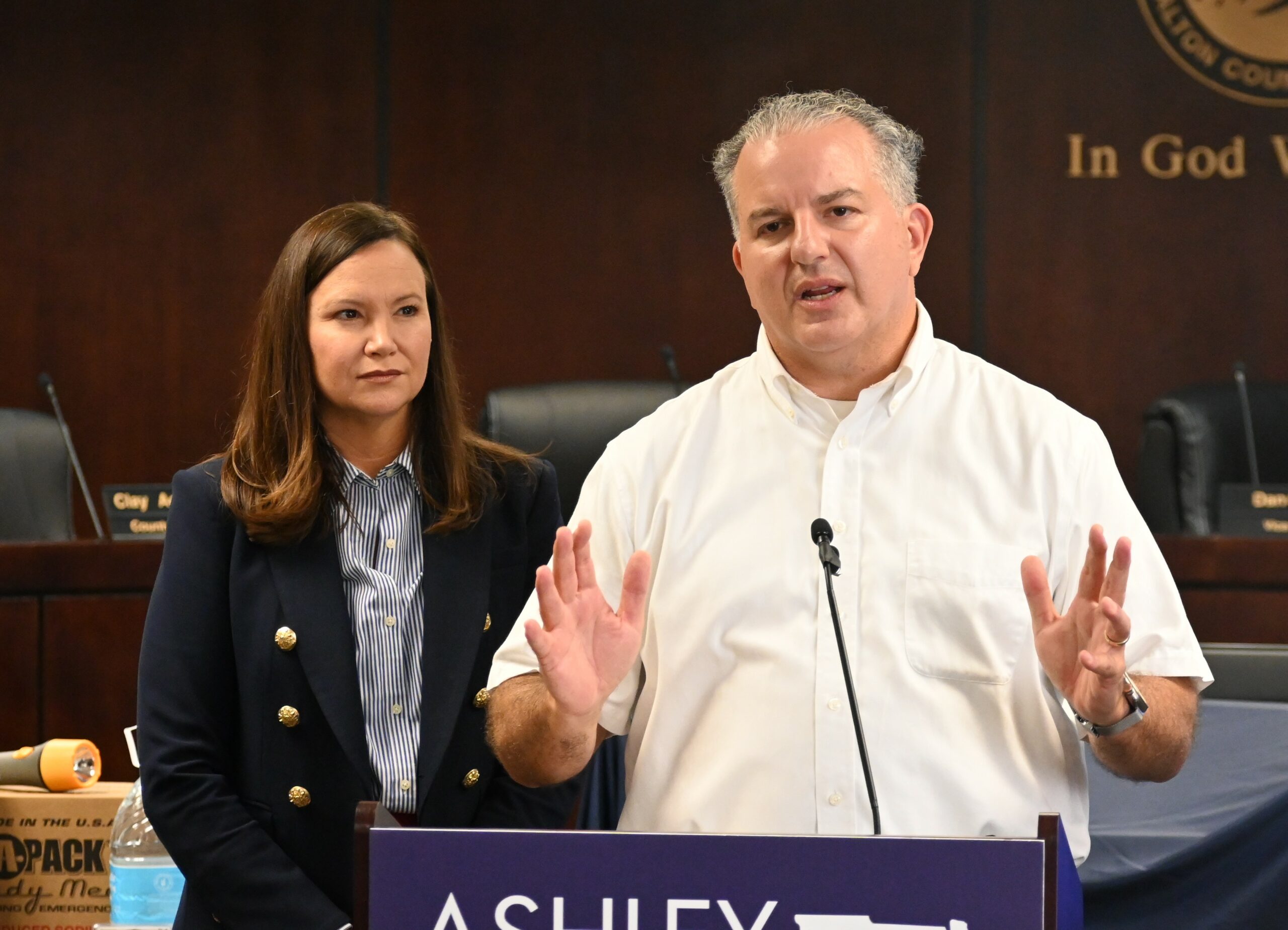
“Our heroes in uniform and their families deserve modern, safe, and dignified housing without bureaucratic hurdles or agreements silencing their concerns. This bill supports our military families through common sense,” the Fort Walton Beach Republican said.
“First, it’s unconscionable that we would subject a military family to an NDA requirement. Second, just because a facility is old does not make it historic. So why would we be wasting taxpayer money instead of supporting our troops on things like pay raises and equipment? The HOMEFRONT Act cuts more red tape, preserves our history, but more importantly, provides the Secretary of Defense additional authority to ensure our service members don’t live in substandard conditions.”
The Defense Department, by law, must manage the property to the same standards as any structure listed in the National Register. But Patronis said that it has left many military families trapped in homes lined with asbestos and lead-based paint.
That contradicts the administration’s priorities to maintain military readiness, he argued.
“President Trump is making our military strong again, and I believe that effort should include providing service members the legal right to refuse nondisclosure agreements and ensure their families have adequate housing,” Patronis said.
Vroom vroom
Another dated standard in federal law, according to Rep. Maxwell Frost, prohibits users of motorized wheelchairs from upgrading their own property with modern technology.
The Orlando Democrat announced he would introduce legislation to remedy that. The Wheelchair Right to Repair Act would allow users to repair their own chairs or use local repair shops, rather than relying exclusively on manufacturers and proprietary parts.

“Power wheelchair users know their chairs better than anyone else, but right now they’re forced to wait months and pay hundreds of dollars for simple fixes that should take days and cost a fraction of the price,” Frost said. “The Wheelchair Right to Repair Act puts people back in control of their mobility and their independence.”
Joining Frost in an Orlando news conference was local disabilities activist J.J. Holmes, who helped craft a similar law passed by the Florida Legislature last year.
“My power wheelchair is like my legs, but when it breaks, I’m told to wait months just to get the simplest stuff fixed. That means I’m stuck at home, and basically hitting pause on my whole life. That’s not just an inconvenience, that’s a total shutdown,” Holmes said.
“This bill is about more than repairs. It’s about saying that people with disabilities deserve the same freedom of choice, the same basic respect, that everyone else already has.”

Taking stock
Rep. Anna Paulina Luna locked arms with Rep. Alexandria Ocasio-Cortez at a news conference this week supporting a bipartisan stock ban in Congress. That came after Luna filed the End Congressional Stock Trading Act (HR 1908), which would require lawmakers and their spouses to divest from all individual stocks, bonds, commodities and other securities or face strict fines.
“No one sent to Congress should be enriching themselves through Wall Street while writing the very laws that regulate our markets,” Luna said.
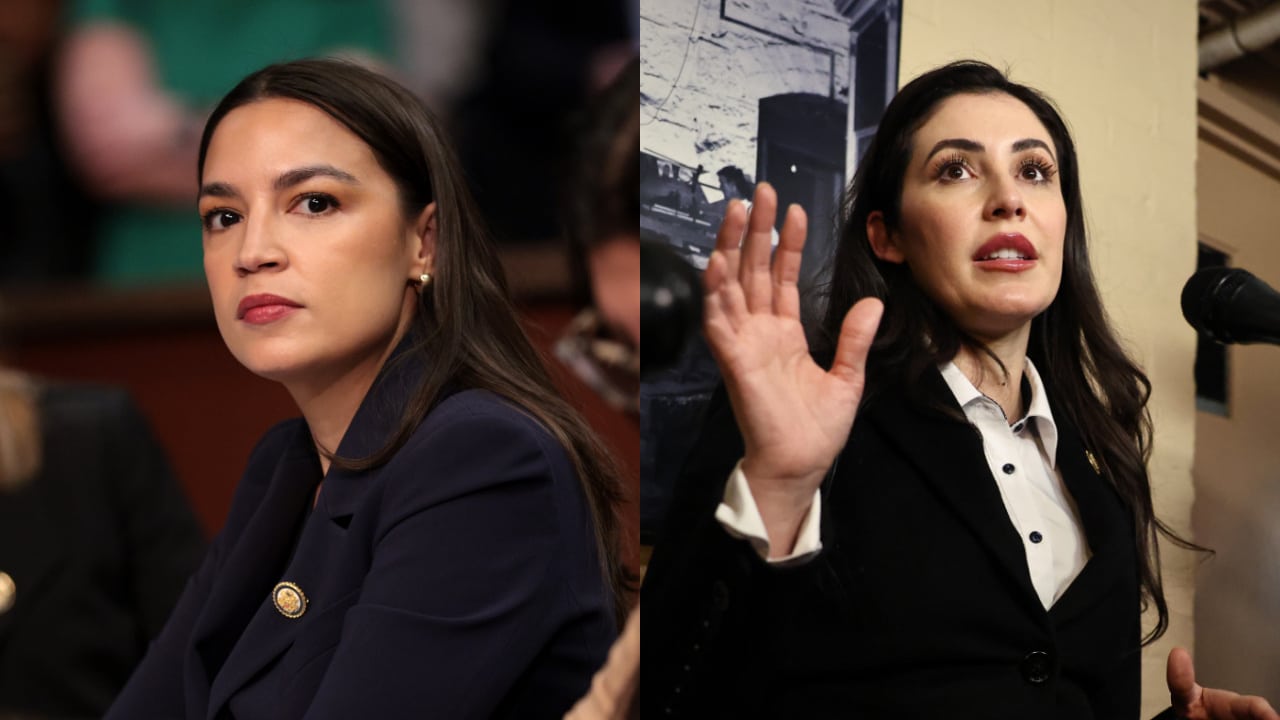
The Pinellas County Republican and outspoken MAGA voice said it shouldn’t surprise anyone that she would be on the same side of this issue as one of Congress’ most famously liberal members. Polls show some 95% of Americans back the legislation.
But to date, House leadership has refused to allow the measure to go through the standard process to reach the floor. At the news conference, Luna and other members said a discharge petition forcing a floor vote would be filed by the end of the month if the legislation wasn’t allowed to go the traditional route. If enough Republican lawmakers support the measure, it would likely pass.
“The President has stated that he supports banning this because it is corrupt, frankly,” she said. “The fact that members are getting plus-600% returns on their investments is wrong. But more importantly, how could you ever be expected to represent your constituents when you’re clearly worried about your pocketbook?”
Disaster caucus
Two delegation members want to keep in place a bipartisan caucus focused on natural disasters.
Reps. Jared Moskowitz, a Parkland Democrat, and Carlos Giménez, a Miami-Dade Republican, serve as co-Chairs of the recently relaunched Congressional Disaster Preparedness and Recovery Caucus. Moskowitz co-founded the group last Congress with Rep. Troy Carter, a Louisiana Democrat who remains a caucus leader. Reps. Juan Ciscomani, an Arizona Republican, and Joe Neguse, a Colorado Democrat, are also co-Chairs.

“As the first emergency manager elected to Congress, I’ve seen firsthand what works in our emergency management system and what doesn’t. This system needs reform, but it also needs the tools to be fully prepared when disaster strikes,” said Moskowitz, who previously served as Florida’s Department of Emergency Management Director.
“Now more than ever, it’s critical that Congress has a strong, bipartisan voice advocating for disaster preparedness and recovery, which is why I teamed up with Congressman Carter to cofound this bipartisan caucus. I look forward to continuing our work, pushing common sense reforms and ensuring that lifesaving resources are there when Florida communities need them most.”
Giménez, who has his own background in public safety, concurred.
“The Congressional Disaster Preparedness and Recovery Caucus is vital to developing common sense policies that keep disaster-prone communities safe,” the former Miami-Dade County Mayor said. “As a firefighter paramedic, Fire Chief, and Mayor, I have witnessed firsthand the critical importance of rapid, reliable resources during hurricane season. I look forward to working with my colleagues to protect families in Miami, the Florida Keys, and communities across our nation.”

Greasy leasing
Military tensions with Venezuela rose this week as the U.S. struck a vessel in the Caribbean that the administration said originated from the South American nation and was operated by Tren de Aragua.
But even as those tensions rise, Democrats within the delegation criticized the administration for going easy on economic sanctions against Venezuelan leader Nicolás Maduro’s regime.
Rep. Debbie Wasserman Schultz, a Weston Democrat who co-chairs the Congressional Venezuela Democracy Caucus, just introduced the Revoke Exemptions for Venezuelan Oil to Curb Autocratic Repression (REVOVAR) Act.
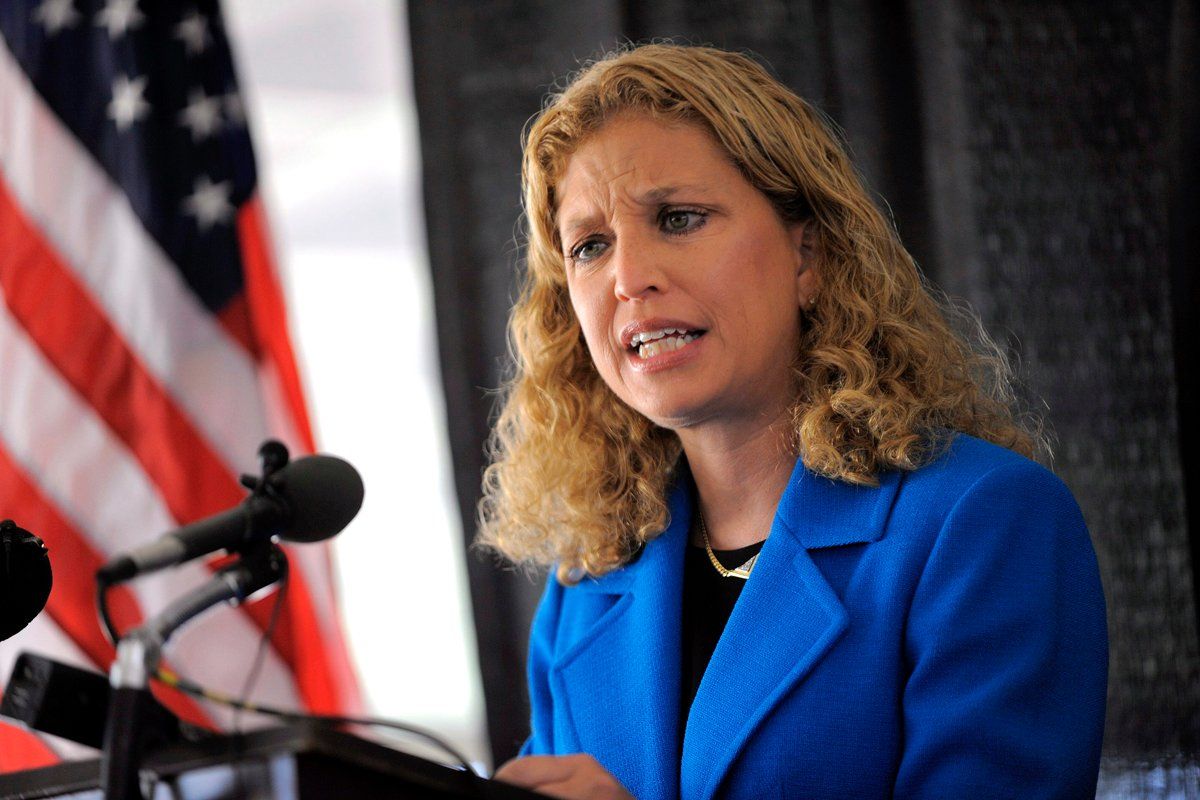
She said it would stop any new leases and cancel existing ones for Venezuela’s state-run oil company.
“American efforts to support democracy and punish repression in Venezuela have been far too slow. But now President Trump is openly paying off Maduro’s criminal regime for their compliance in his mass deportation of law-abiding Venezuelan immigrants,” Wasserman Schultz said. “Instead of cutting off Maduro’s cash flow and supporting the democratic opposition, the Trump administration is cutting democracy assistance and propping up this (Vladimir) Putin-backed narco-regime. I hope Republicans and Democrats join me in correcting this grave mistake.”
Notably, Wasserman Schultz filed a similar bill last year with Salazar when the Joe Biden administration was in charge of leases. This year, Wasserman Schultz is filing the language as an amendment to the National Defense Authorization Act.
As written, the bill would only allow the administration to issue leases after citing a vital national security concern and reporting to Congress how more oil revenue for the Maduro regime would impact its ability to repress Venezuelans brutally or to cling to power.

Let it flow
The House this week passed an environmental budget with $461 million reserved for Everglades restoration and preservation.
Rep. Mario Díaz-Balart, a Hialeah Republican serving as Vice-Chair of the House Appropriations Committee, said he fought for including the funding in the Energy and Water Development and Related Agencies Appropriations Act (HR 4553).
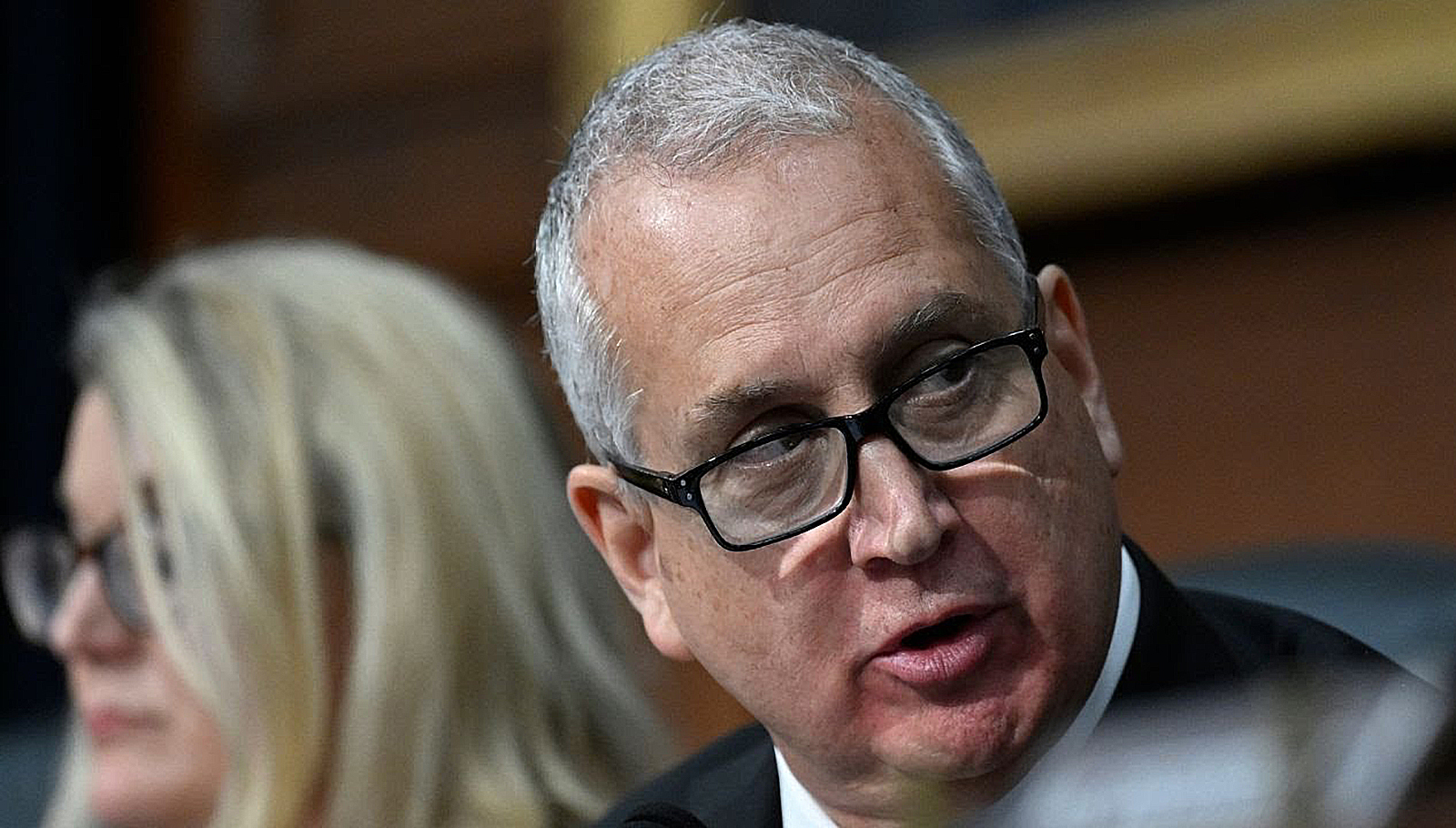
“Once again, my record reflects my unwavering commitment to restoring and safeguarding America’s Everglades. As Vice-Chair of the House Appropriations Committee, I am proud and grateful to have worked with Subcommittee Chairman Chuck Fleischmann to secure $461 million in critical funding for the Everglades, all while ensuring taxpayer dollars are prioritized toward protecting American families, revitalizing our energy grid, and maintaining our nuclear deterrent, while eliminating wasteful Biden-era initiatives that diverted resources from critical infrastructure and innovation,” said Díaz-Balart, deal of Florida’s delegation.
“It is not lost upon me that over 9 million Floridians depend on the Everglades for their drinking water, and this bill demonstrates my strong commitment to restoring and preserving America’s Everglades. This funding will be allocated directly to the U.S. Army Corps of Engineers for Everglades Restoration, accompanied by report language to accelerate construction, enhance transparency, and ensure the timely execution of projects, thereby enabling the Central Everglades Restoration Plan to deliver vital benefits to our region’s ecosystem as quickly as possible.”
The budget also includes $12.7 million for South Florida Ecosystem Restoration and $4 million for Inland Waterway Navigation, projects maintained by the Army Corps of Engineers.
Rep. Scott Franklin also counted the budget’s passage as a win for Florida and the nation as a whole.
“We are returning to an energy strategy built on independence and long-term security. This spending bill modernizes our nuclear infrastructure, hardens critical systems against foreign interference and blocks adversaries like China from accessing sensitive U.S. energy assets. It also eliminates funding for divisive, ideologically driven initiatives that undermine our institutions and weaken America’s ability to lead,” the Lakeland Republican said.
“Florida stands to benefit directly from measures I’ve long supported. Continued funding for Everglades restoration will help improve water quality, protect South Florida’s drinking supply and support thousands of shovel-ready jobs. The bill also advances research into rare earth recovery from phosphate byproducts, a statewide effort that reduces reliance on foreign adversaries and helps rebuild secure American supply chains.”

Maritime appointments
The Trump administration nominated two Florida leaders to be Federal Maritime Commissioners.
Laura DiBella, Florida’s first female Commerce Secretary, was appointed for a term that runs through June 2028. Currently a government relations adviser with Adams & Reese, DiBella is a former President of Business Development at FloridaCommerce, President and CEO at Enterprise Florida and President of the Florida Opportunity Fund.
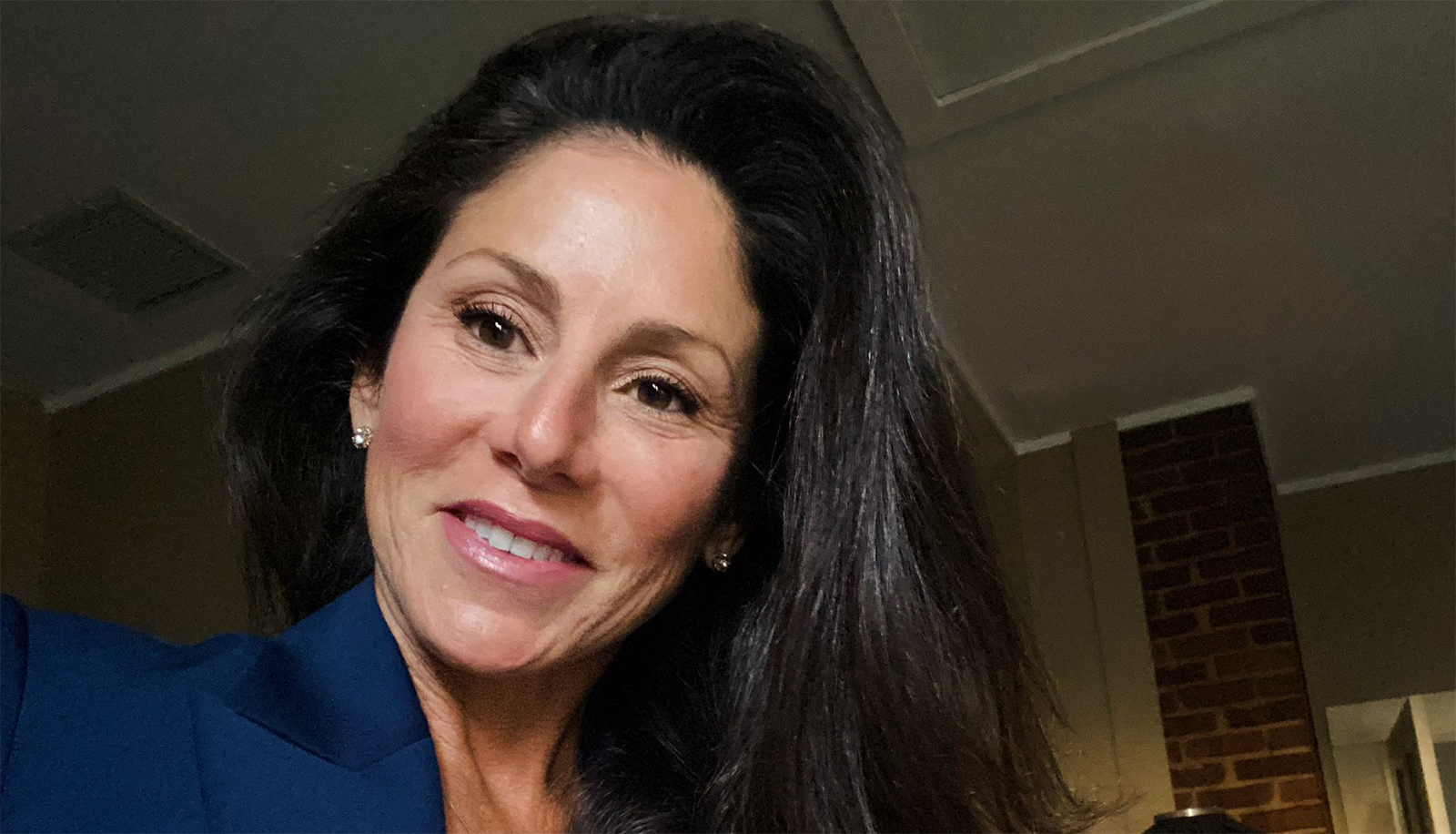
Trump also appointed Robert Harvey to a term that runs through June 2029. Harvey now serves as President and Executive Director of the Florida Opportunity Fund and was previously Executive Director for the Florida Development Finance Corporation and the Florida Resiliency and Energy District.
The nominations were sent to the Senate for confirmation.

On this day
Sept. 5, 1774 — “First Continental Congress convenes” via History.com — In response to the British Parliament’s enactment of the Coercive Acts in the American colonies, the first session of the Continental Congress convenes at Carpenter’s Hall in Philadelphia. Fifty-six delegates from all the colonies except Georgia drafted a declaration of rights and grievances and elected Virginian Peyton Randolph as the first President of Congress. Patrick Henry, George Washington, John Adams and John Jay were among the delegates. The first major American opposition to British policy came in 1765 after Parliament passed the Stamp Act, a taxation measure designed to raise revenues for a standing British army in America.
Sept. 5, 1975 — “Would-be assassin strikes at Gerald Ford” via SFGate — Ford set out from his hotel to make the two-minute walk across L Street in Sacramento into Capitol Park, where he was to enter the Statehouse to meet with Gov. Jerry Brown and the Legislature. The crowd of fans, press and security followed, and an ambulance was nearby in case anything went wrong. Around 10:30 a.m., a diminutive 26-year-old redhead from Southern California pulled a pistol from under her red dress and pointed it at the President, point-blank. She was Lynette “Squeaky” Fromme, Charles Manson’s most trusted follower.
___
Peter Schorsch publishes Delegation, compiled by Jacob Ogles, edited and assembled by Phil Ammann and Ryan Nicol, with contributions by Drew Dixon.
Post Views: 0