Connect with us

Business

Vance warns the longer the shutdown goes on, ‘the deeper the cuts are going to be’

Published

on


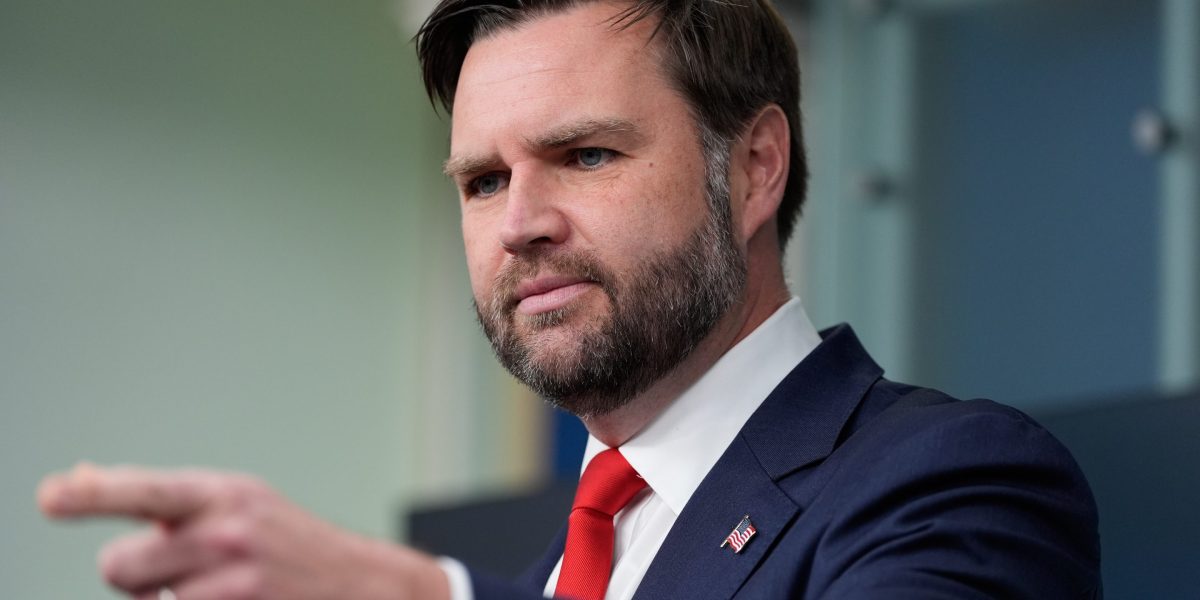
Vice President JD Vance on Sunday said there will be deeper cuts to the federal workforce the longer the government shutdown goes on, adding to the uncertainty facing hundreds of thousands who are already furloughed without pay amid the stubborn stalemate in Congress.

Vance warned that as the federal shutdown entered its 12th day, the new cuts would be “painful,” even as he said the Trump administration worked to ensure that the military is paid this week and some services would be preserved for low-income Americans, including food assistance.

Still, hundreds of thousands of government workers have been furloughed in recent days and, in a court filing on Friday, the Office of Management and Budget said well over 4,000 federal employees would soon be fired in conjunction with the shutdown.

“The longer this goes on, the deeper the cuts are going to be,” Vance said on Fox News’ “Sunday Morning Futures.” “To be clear, some of these cuts are going to be painful. This is not a situation that we relish. This is not something that we’re looking forward to, but the Democrats have dealt us a pretty difficult set of cards.”

Labor unions have already filed a lawsuit to stop the aggressive move by President Donald Trump ’s budget office, which goes far beyond what usually happens in a government shutdown, further inflaming tensions between the Republicans who control Congress and the Democratic minority.

The shutdown began on Oct. 1 after Democrats rejected a short-term funding fix and demanded that the bill include an extension of federal subsidies for health insurance under the Affordable Care Act. The expiration of those subsidies at the end of the year will result in monthly cost increases for millions.

Trump and Republican leaders have said they are open to negotiations on the health subsidies, but insist the government must reopen first.

For now, negotiations are virtually nonexistent. Dug in as ever, House leaders from both parties pointed fingers at each other in rival Sunday appearances on “Fox News Sunday.”

“We have repeatedly made clear that we will sit down with anyone, anytime, anyplace,” said House Democratic leader Hakeem Jeffries of New York. “Republicans control the House, the Senate and the presidency. It’s unfortunate they’ve taken a my-way-or-the-highway approach.”

House Speaker Mike Johnson blamed Democrats and said they “seem not to care” about the pain the shutdown is inflicting.

“They’re trying their best to distract the American people from the simple fact that they’ve chosen a partisan fight so that they can prove to their Marxist rising base in the Democratic Party that they’re willing to fight Trump and Republicans,” he said.

Progressive activists, meanwhile, expressed new support for the Democratic Party’s position in the shutdown fight.

Ezra Levin, co-founder of the leading progressive protest group Indivisible, said he is “feeling good about the strength of Dem position.” He pointed to fractures in the GOP, noting that Georgia Rep. Marjorie Taylor Greene publicly warned last week that health care insurance premiums would skyrocket for average Americans — including her own adult children — if nothing is done.

“Trump and GOP are rightfully taking the blame for the shutdown and for looming premium increases,” Levin said. “Their chickens are coming home to roost.”

And yet the Republican administration and its congressional allies are showing no signs of caving to Democratic demands or backing away from threats to use the opportunity to pursue deeper cuts to the federal workforce.

Thousands of employees at the departments of Education, Treasury, Homeland Security and Health and Human Services, as well as the Environmental Protection Agency, are set to receive layoff notices, according to spokespeople for the agencies and union representatives for federal workers.

“You hear a lot of Senate Democrats say, well, how can Donald Trump possibly lay off all of these federal workers?” Vance said. “Well, the Democrats have given us a choice between giving low-income women their food benefits and paying our troops on the one hand, and, on the other hand, paying federal bureaucrats.”

Democrats say the firings are illegal and unnecessary.

“They do not have to do this,” said Democratic Sen. Mark Kelly of Arizona on CNN’s “State of the Union.” “They do not have to punish people that shouldn’t find themselves in this position.”

Fortune Global Forum returns Oct. 26–27, 2025 in Riyadh. CEOs and global leaders will gather for a dynamic, invitation-only event shaping the future of business. Apply for an invitation.


Source link

Continue Reading

Business

Fists, not football: There is no concussion protocol for domestic violence survivors

Published

on


It’s fall in America, and that means football. With football comes questions and concerns about concussions in athletes. How long does it take to fully recover from a concussion? What happens if an athlete returns to play too soon after a concussion? How many concussions are too many?

But it’s not just sports where concussions occur. The most common cause of concussion in NCAA athletes is a car accident. The most common cause of a concussion overall is a fall. And a hidden demographic of people experience brain injuries at an alarming rate: domestic violence survivors.

Every minute, 32 people in the United States experience violence at the hands of an intimate partner. Roughly half of American women and 40% of American men will experience domestic violence at least once in their lives. Most incidents go unreported. One study found that just one in five victims sought medical help immediately after suffering a head injury. Nearly all these injuries involve a blow to the neck or head. 

Current research indicates that more than 75% of domestic violence survivors suffer one or more traumatic brain injuries. In my experience, the most common response to the question, “How many concussions have you suffered,” is “Too many to count.” 

On any given Sunday, you will see up to 30 medical professionals standing on the sidelines of a professional football game. At a high school game, you are likely to see paramedics within eyesight of the players on the field. There are no medical providers who stand outside the home of domestic violence survivors waiting for an injury to occur. There is no concussion protocol for those who are abused.

In addition to repeated impacts to the head, domestic violence survivors often suffer strangulation, being choked, resulting in decreased oxygen to the brain, loss of bladder and bowel function, seizures, and sometimes death.

The long-term consequences of repeated concussion and strangulation include sleep disturbancedizzinesspersonality changes, and memory problems. The most common complaint of a domestic violence survivor who suffers one or more concussions is headaches. One silver lining is that these symptoms are treatable.

Thanks to widespread education and awareness campaigns, athletes have benefited from a sea change in how brain injuries are recognized and treated. We need to bring that same standard of care to survivors of domestic violence by establishing a concussion protocol tailored to their needs.

We must ensure domestic violence survivors receive concussion screenings when they reach the doctor’s office or emergency department — regardless of whether they exhibit clear signs of a traumatic brain injury. New technologies can make brain injury screening simple and accurate. 

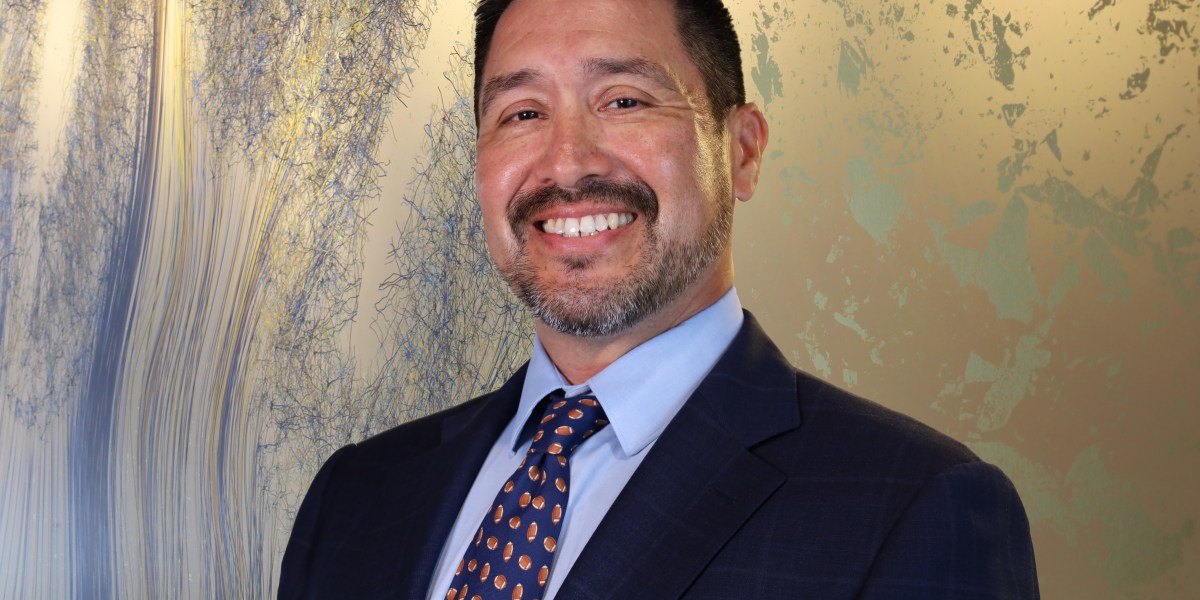
Diagnostic tests, like Abbott’s Alinity i TBI test, can help providers evaluate people for traumatic brain injuries with a small blood sample, by measuring two blood biomarkers in the brain. We recently implemented this testing capability at the WVU Rockefeller Neuroscience Institute. We’re one of the first to adopt the brain injury test, where results come back in just 18 minutes. That quick turnaround is especially useful in situations where a provider may have limited time with a survivor who is hesitant to seek medical care. Finally, we must offer everything we provide to athletes: cognitive screening, concussion rehabilitation, and VIP treatment.

At the WVU Rockefeller Neuroscience Institute in Morgantown, we design a comprehensive, tailored treatment plan for each patient, which may also include psychiatry, physical rehabilitation, and speech and vision therapy. Personalized approaches like this one help resolve subtle, lingering problems and prepare patients to protect their brain health after they check out of the hospital. Survivors of domestic violence are our VIPs.

Society has rightly taken steps to ensure athletes receive top-notch treatment whenever they experience a traumatic brain injury. Survivors of domestic violence are every bit as deserving of that level of attention and care.

The opinions expressed in Fortune.com commentary pieces are solely the views of their authors and do not necessarily reflect the opinions and beliefs of Fortune.


Source link

Continue Reading

Business

FAA head hasn’t sold his stake in an airline despite promises to do so, Democratic Senator claims

Published

on


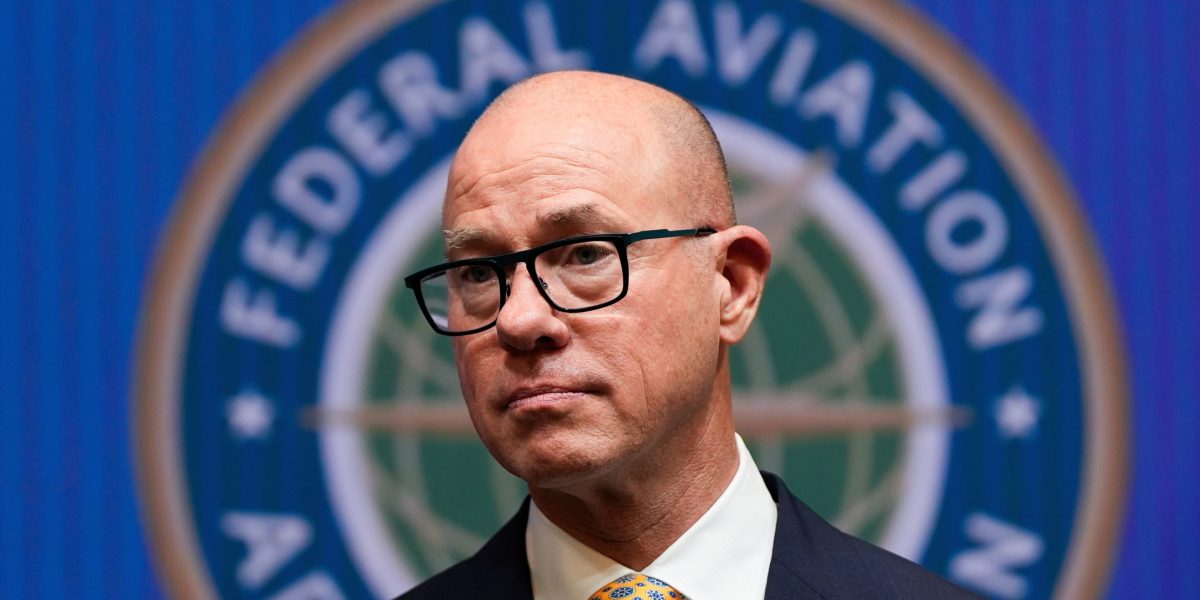
The head of the Federal Aviation Administration has not sold off his multimillion-dollar stake in the airline he led since 1999 despite a promise to do so as part of his ethics agreement, according to a Democratic senator.

In a letter to Bryan Bedford this week, Sen. Maria Cantwell said he vowed to sell all his shares in Republic Airways within 90 of his confirmation but 150 days have now passed. In Bedford’s financial disclosures, he estimated that his Republic stock was worth somewhere between $6 million and $30 million.

Republic completed a merger last month with another major regional airline, Mesa Air Group. Republic’s stock closed Thursday at $19.02, nearly double what it was before the deal was announced in April.

“It appears you continue to retain significant equity in this conflicting asset months past the deadline set to fully divest from Republic, which constitutes a clear violation of your ethics agreement. This is unacceptable and demands a full accounting,” Cantwell said in the letter.

Bedford declined a request for comment, and an FAA spokesperson said he plans to respond directly to Cantwell.

The agency has been in the spotlight since January, when an airliner collided with an Army helicopter over Washington, D.C., killing 67 people. The investigation has already highlighted shortcomings at the FAA, which failed to recognize an alarming number of close calls around Reagan National Airport in the years beforehand.

Then, in the spring, technical problems at the center that directs planes into New Jersey’s Newark Liberty International Airport highlighted a fragile and outdated system relied on by air traffic controllers.

And in the fall, a longstanding shortage of controllers led to thousands of flight cancellations and delays during the longest government shutdown ever as more controllers missed work while going without a paycheck.

Bedford has pledged to prioritize safety and upgrade the nation’s outdated air traffic control system. Congress approved $12.5 billion for that project, and last week the FAA picked the company that will oversee the work.

Join us at the Fortune Workplace Innovation Summit May 19–20, 2026, in Atlanta. The next era of workplace innovation is here—and the old playbook is being rewritten. At this exclusive, high-energy event, the world’s most innovative leaders will convene to explore how AI, humanity, and strategy converge to redefine, again, the future of work. Register now.


Source link

Continue Reading

Business

Arkansas becomes first state to cut ties with PBS, saying $2.5 million membership dues ‘not feasible’

Published

on


The commission that oversees public television in Arkansas voted Thursday to sever ties with PBS, making it the first state to end its contract with the broadcast giant that provides popular television programs such as “Sesame Street,” “Nova” and “Antiques Roadshow.”

The eight-member Arkansas Educational Television Commission, made up entirely of appointees of the governor, announced in a news release Thursday that it planned to disaffiliate from PBS effective July 1, citing annual membership dues of about $2.5 million it described as “not feasible.” The release also cited the unexpected loss of about that same amount of federal funding from the Corporation for Public Broadcasting, which was targeted for closure earlier this year and defunded by Congress.

PBS Arkansas is rebranding itself as Arkansas TV and will provide more local content, the agency’s Executive Director and CEO Carlton Wing said in a statement. Wing, a former Republican state representative, took the helm of the agency in September.

“Public television in Arkansas is not going away,” Wing said. “In fact, we invite you to join our vision for an increased focus on local programming, continuing to safeguard Arkansans in times of emergency and supporting our K-12 educators and students.”

PBS confirmed in an email Thursday that Arkansas is the first state to definitively sever ties with the broadcaster. Alabama considered similar action last month, but opted to continue paying its contract with PBS after public backlash from viewers and donors.

“The commission’s decision to drop PBS membership is a blow to Arkansans who will lose free, over the air access to quality PBS programming they know and love,” a PBS spokesperson wrote in an email to The Associated Press.

The demise of the Corporation for Public Broadcasting, is a direct result of President Donald Trump’s targeting of public media, which he has repeatedly said is spreading political and cultural views antithetical to those the United States should be espousing. The closure is expected to have a profound impact on the journalistic and cultural landscape — in particular, public radio and TV stations in small communities nationwide.

Arkansas House Democratic Leader Rep. Andrew Collins called the demise of PBS in Arkansas sad. “It’s certainly a loss for Arkansas families who value the programming of PBS,” he said.

CPB helps fund both PBS and NPR, but most of its funding is distributed to more than 1,500 local public radio and television stations around the country.


Source link

Continue Reading

Trending

Copyright © Miami Select.