The Society for Historical Archaeology is honoring the University of West Florida (UWF) for its research in the Apalachicola Bay area.
The society recognized the university with the 2026 Mark E. Mack Community Engagement Award — an international distinction — for its “outstanding practices in community collaboration, engagement and outreach in their historical archaeology and heritage preservation work.”
The UWF research led by Nicole Grinnan, Assistant Director of the Archaeology Institute, offers a deep dive into the region’s history.
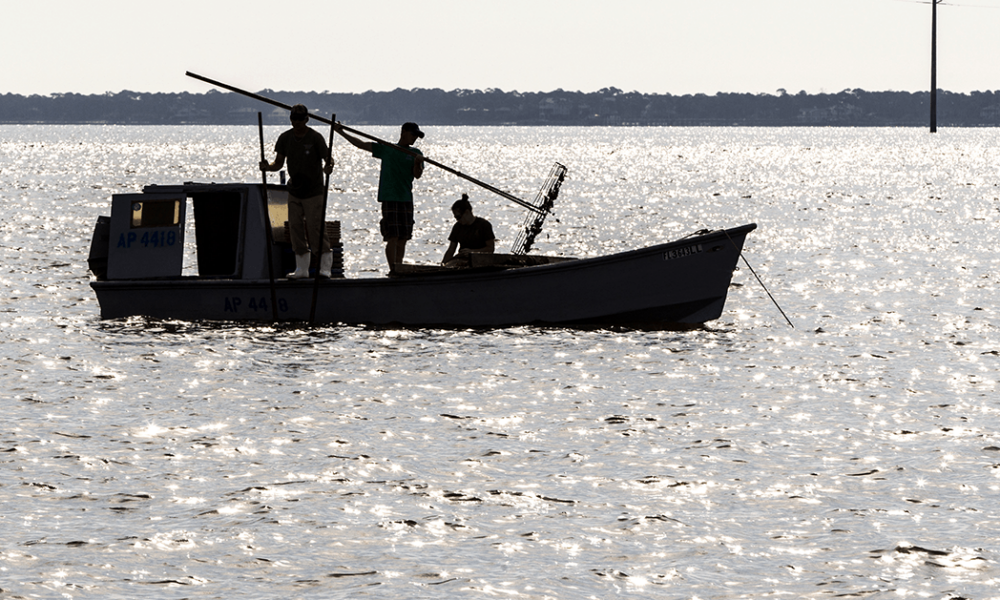
Entitled “People of the Apalachicola System: Exploring Cultural Heritage as a vector for Ecosystem Planning, Management and Adaptation,” her research involved several community stakeholders. Public workshops and quarterly meetings were central to the project, which mapped coastlines and projected changes in Apalachicola Bay, a famed haven for the oyster industry.
“Understanding our unique and shared heritage helps us better understand who we are and where we come from. This award is well deserved, and the university couldn’t be prouder of the team and their efforts,” said David Earle, Dean of the UWF College of Arts, Social Sciences and Humanities.
The project was augmented by funding from the National Oceanic and Atmospheric Administration’s Estuarine Research Reserve System’s Science Collaborative and also involved the Florida Public Archaeology Network, among other organizations. There was joint research from East Tennessee State University and the University of St. Andrews in Scotland.
“Recognition from the Society for Historical Archaeology reinforces the idea that, when communities are partners in research, heritage preservation becomes more meaningful and better positioned to flourish,” Grinnan said.