
Politics
USF, Tampa General land $2M to expand rural cancer care
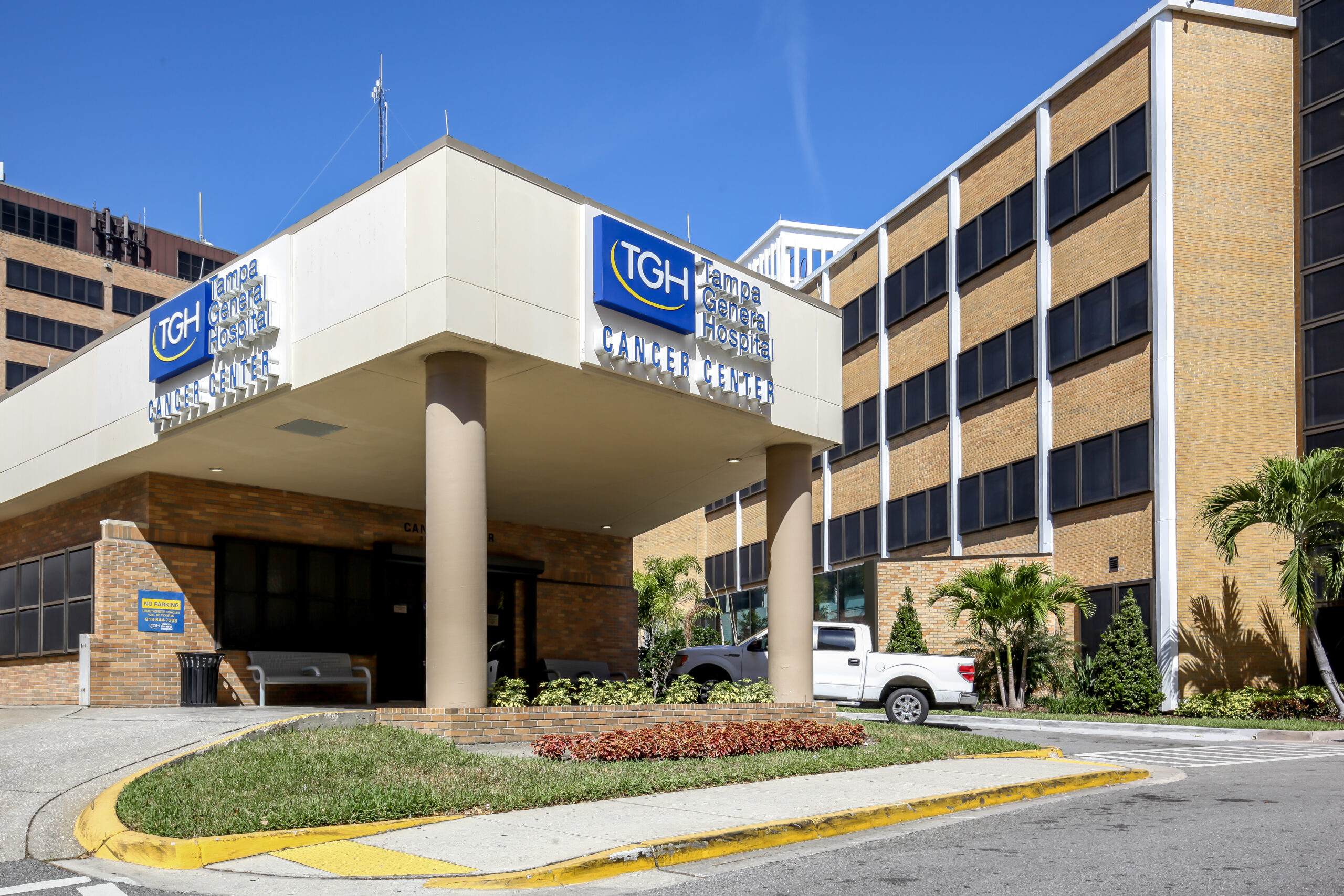
For millions of Americans in rural communities, their ZIP code affects their health outcomes. In Florida alone, more than 662,000 residents live in non-metropolitan areas, where limited access to specialty cancer care and lagging screening rates often result in late-stage diagnoses of preventable cancers.
One of those is cervical cancer, which is on the rise in rural communities. In some Florida counties, more than half of patients who are diagnosed are already in advanced stages. Too often, this results from patients not being able to access timely follow-up care after an abnormal screening result.
With support from a nearly $2 million award from the Florida Cancer Innovation Fund, the USF Health Morsani College of Medicine and the Tampa General Hospital (TGH) Cancer Institute are working to eliminate geographic barriers to cervical cancer care.
“This award exemplifies USF Health’s commitment to translating discovery into real-world impact, and we are grateful to the Florida Cancer Innovation Fund for prioritizing projects like this,” said Charles J. Lockwood, M.D., MHCM, executive vice president of USF Health and dean of the USF Health Morsani College of Medicine. “By integrating advanced informatics with clinical expertise and community partnership, this initiative will improve health access and ultimately lead to better outcomes for patients across Florida and beyond.”
With help from the Florida Cancer Innovation Fund, the University of South Florida and Tampa General’s Care Coordination Center will deploy high-tech, AI-based tools at four high-volume primary care clinics serving rural areas. The project will replace fragmented screening and follow-up processes with a coordinated system that supports patients from detection through diagnosis.
“Our Care Coordination Center has already transformed how we deliver care within the hospital,” said John Couris, president and CEO of Tampa General Hospital. “This initiative demonstrates how those same innovations can be extended beyond our walls to strengthen prevention, enable earlier detection and expand access to care for rural communities across Florida.”
Tampa General’s Care Coordination Center is a revolutionary platform built by TGH in partnership with Palantir. It integrates more than 20 AI-driven applications that translate real-time data into clinical action across hospital operations.
Leveraging this AI technology, clinicians will be able to identify patients overdue for screening during routine visits, engage them in HPV self-testing, and ensure that abnormal results trigger timely follow-up. When abnormal results occur, the AI-driven tools will proactively flag patients requiring diagnostic evaluation and help coordinate access to colposcopy and specialty care, even in counties where those services are not locally available.
“We already have the tools to prevent cervical cancer, but too often rural communities lack the systems needed to deliver those tools,” said project lead Dr. Matthew Anderson, professor of obstetrics and gynecology at the USF Health Morsani College of Medicine and associate director of research analytics and shared resources at the TGH Cancer Institute. “This award allows us to create continuity where it has historically been missing, combining advanced technology with human-centered care so that where a woman lives no longer determines her cancer risk.”
The Florida Cancer Innovation Fund is an initiative of the Casey DeSantis Cancer Research Program, which prioritizes cutting-edge cancer research and care throughout the state in honor of the state’s First Lady and her personal battle with breast cancer. The First Lady announced a total of $60 million in cancer research funding throughout the state at a ceremony at USF in September 2025.
