Fashion
US-EU deal, Asian tariffs and digital threats: a turbulent summer in customs
Translated by
Nazia BIBI KEENOO
Published
August 29, 2025
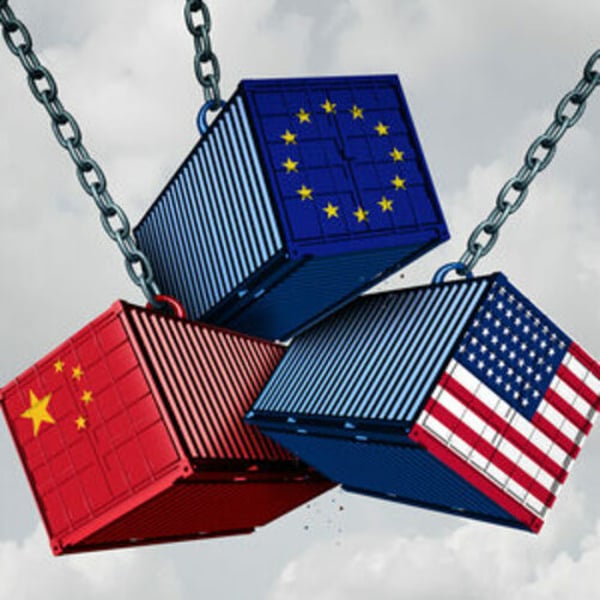
The year 2025 is shaping up to be a turning point in global trade, as the United States escalates a customs battle with nations where it runs large deficits. FashionNetwork.com reviews the key agreements and declarations of the summer that could reshape sourcing strategies in textiles, apparel, and beauty.
After tense negotiations, the United States and the European Union struck a deal in Scotland on July 27, capping US tariffs on European goods at 15%. The measure took effect on August 7. The agreement has divided Europe’s political and business communities. French Prime Minister François Bayrou described it as “submission” to Washington’s pressure, while LVMH’s Bernard Arnault called it the lesser of two evils, noting that former President Donald Trump had repeatedly threatened a 50% levy.
Other nations have not been as successful in deflecting Washington’s demands. China — the primary target — now faces a 55% tariff. India is preparing for a 50% tariff, double the initial 25%, as Trump retaliates against its purchases of Russian oil. The blow is especially worrying for India’s textile industry, the country’s second-largest employer and one that is heavily dependent on US buyers. As with China, which is now taxed at 55%, India is hoping to shift its growth toward Europe. Bangladesh, meanwhile, was hit with a lower 20% tariff, which could help it win market share from higher-taxed rivals. Still, the country is working to lock in European orders, wary of the unpredictability of US policy.
Punishing the EU for holding back US tech
Unpredictability was on display again this week as Trump threatened tariffs on countries that impose regulations on digital platforms. Washington accuses the EU of singling out American tech firms. The European Commission denied this, citing multiple European rulings against Chinese platforms as evidence of its neutrality. Still, by opening a new “front,” Trump made clear that tariffs remain a weapon he is willing to use well beyond trade deficits.


US pressure can also be applied indirectly. On August 28, Bloomberg cited three Mexican officials who said the country was preparing to tax Chinese imports — and potentially other Asian goods as well. China quickly pushed back, denouncing what it called a “coercive” position, as Mexico is already under fire from Washington for serving as a hub for low-cost products headed to the US market. Currently taxed at 25% by Washington, Mexico could see the rate rise to 35% as talks continue. Some analysts view Mexico’s proposal to tax Chinese goods as a gesture of goodwill to Washington, while the two countries remain locked in a standoff over immigration.
This article is an automatic translation.
Click here to read the original article.
Copyright © 2025 FashionNetwork.com All rights reserved.