Connect with us

Politics

Trulieve ‘grateful’ for ‘bold and historic’ marijuana rescheduling
Published

on


President Donald Trump’s push to reschedule pot from Schedule I to Schedule III is drawing praise from Florida’s biggest cannabis company.

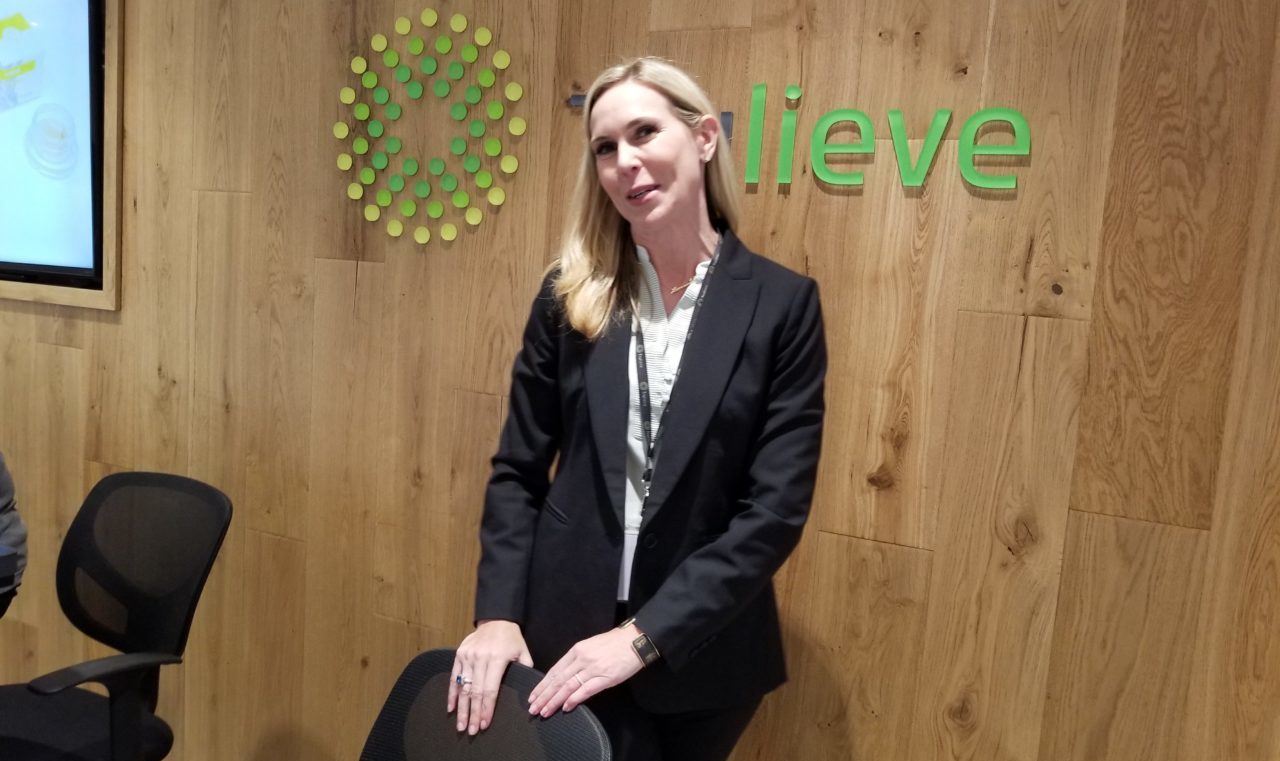
“This bold and historic direction from President Trump represents long overdue change and a major milestone in cannabis reform,” said Trulieve CEO Kim Rivers.

“Trulieve is grateful for the decisive action taken by the Administration that acknowledges the medical benefits of cannabis, supports licensed and regulated operators, and allows law enforcement agencies to prosecute bad actors. We are committed to supporting the Administration throughout this process.”

Rivers has been central in encouraging Trump to move forward on a policy change that the industry has wanted for years.

Trump’s decision to urge Attorney General Pam Bondi to change policy would mean marijuana will be treated less like a dangerous drug and more like something with medical benefits.

Schedule I includes hard drugs, such as heroin, lysergic acid diethylamide (LSD), marijuana (cannabis), 3,4-methylenedioxymethamphetamine (ecstasy), methaqualone, and peyote.

Schedule III includes drugs with a “moderate to low potential for physical and psychological dependence,” like products containing less than 90 milligrams of codeine per dosage unit (Tylenol with codeine), ketamine, anabolic steroids, and testosterone.

For Trulieve, the move is significant. The company describes rescheduling as “an important first step in achieving practical common sense cannabis reform.”

“Moving marijuana to Schedule III opens the door for more robust research of medical marijuana, removes the punitive tax burden imposed by Section 280E of the tax code, and retains flexibility for law enforcement to target and punish illicit operators,” Trulieve said in a press release.

Section 280E is especially significant, given that cannabis companies have been frustrated in banking due to the plant’s Schedule I designation. Securities for Trulieve and other multi-state operators are traded over the counter currently, forcing many retail investors to have to buy ETFs for exposure to these historically volatile stocks.


Source link

Continue Reading

Politics

Greg Steube urges House to consider his marijuana rescheduling bill in wake of Donald Trump announcement

Published

on


U.S. Rep. Greg Steube says President Donald Trump’s order to reschedule marijuana offers a window for Congress to pass his bill doing just that.

“President Trump is right. Now is the time to reclassify marijuana, and the Drug Enforcement Administration must open the door for scientific research into the plant’s medicinal value,” said Steube, a Bradenton Republican.

Trump’s order directs Attorney General Pam Bondi to “take all necessary steps to complete the rulemaking process related to rescheduling marijuana to Schedule III” of the Controlled Substances Act.

Steube says his bill (HR 4963) offers a pathway to expedite that, as it would reschedule the drug from current Schedule I to Schedule III within 60 days after it is enacted.

“My Marijuana 1-to-3 Act will deliver exactly what President Trump has requested: legislation that moves marijuana from Schedule I to Schedule III under the Controlled Substances Act,” Steube said.

“This bill will create new opportunities for scientists and physicians to develop treatments and cures for pain and disease. I am grateful for the White House’s leadership on this issue and call on my colleagues in Congress to bring the Marijuana 1-to-3 Act to the House floor immediately.”

Schedule I includes hard drugs, such as “heroin, lysergic acid diethylamide (LSD), marijuana (cannabis), 3,4-methylenedioxymethamphetamine (ecstasy), methaqualone, and peyote.”

Schedule III includes “drugs with a moderate to low potential for physical and psychological dependence” like “products containing less than 90 milligrams of codeine per dosage unit (Tylenol with codeine), ketamine, anabolic steroids, testosterone.”

Steube has filed this bill for the last four years.


Source link

Continue Reading

Politics

Florida TaxWatch analysis offers recommendations to stabilize local Sheriff’s Offices

Published

on


A government watchdog group has conducted an analysis of Florida’s Sheriff’s Offices, proposing recommendations to make the local law enforcement agencies more financially efficient and help with hiring.

Florida TaxWatch published its Florida Sheriff’s Staffing Analysis, which looks at staffing and hiring challenges facing the law enforcement departments. The study, conducted in a partnership with the Florida Sheriff’s Association, concluded there are serious challenges facing Sheriff’s Offices in Florida.

“Law enforcement is struggling to overcome wage competition amid a limited talent pool. Looking ahead, local and state government must consider ways to expand the talent pool and more accurately align staffing needs with local demand,” stated the report, which was based on surveys with local Sheriff’s Offices throughout the state.

TaxWatch issued five key findings and suggested responses by state government, including:

— The Florida Department of Law Enforcement should develop a standardized approach to compare staffing needs and better target supporting areas that need the most help.

— The state of Florida should work with stakeholders in developing Career and Professional Education programs at high schools and career services at Florida state colleges that encourage new workforce entrants to consider law enforcement as a potential career path.

— Local Sheriff’s Offices should consider utilizing regional collaboration to develop regional law enforcement recruitment efforts and help their purchasing power.

— Small counties should consider whether consolidation of services is the best way to optimize their available resources.

— Florida’s Department of Governmental Efficiency team should be tasked with assisting local governments in identifying the level of funding appropriate for Sheriff’s Offices.

TaxWatch President and CEO Dominic Calabro said the rapidly growing population in Florida is outpacing the ability of local Sheriff’s Offices to handle the demands.

“Here in Florida, the number of employed full-time law enforcement officers has not kept pace with growing demand. From 2014 to 2023, Florida’s population grew by 15.6%, but the number of employed sworn law enforcement officers only grew by 5.6%. Moreover, in 2024, the vacancy rates for deputy sheriffs ranged from 0% to 19% among Florida sheriff’s offices,” Calabro said.

“The results of the joint survey suggest that even though recent legislation improved recruitment efforts, a shortage of officers is still felt statewide. The difficulties imposed by a limited talent pool and the resulting wage competition are not sustainable. Ultimately, Florida taxpayers risk longer response times to calls for service in the absence of a long-term solution.”

TaxWatch Executive Vice President and General Counsel Jeff Kottkamp said Sheriff’s Offices aren’t the only law enforcement agencies operating in Florida and the need for funding by multiple agencies is straining resources.

“It is important to note that sheriffs’ offices are not only competing with each other for law enforcement officers but also with law enforcement agencies operated by national, state, and local governments. In fact, nearly three quarters of our survey respondents say they struggle to maintain their staffing level, with about 30% of all respondents struggling to reach anywhere near their desired staffing level,” Kottkamp said.


Source link

Continue Reading

Politics

National rural health initiative that could help Florida partners with several key players

Published

on


Gainwell Technologies, a Texas-based provider of digital and cloud-enabled health and human services program solutions, has added several strategic partners to its Rural Health Transformation Collaborative.

The nationwide initiative aims to stabilize rural hospitals, expand access to care and build long-term sustainability in underserved communities by connecting data, systems, and partners to interoperate and enable better coordination and decision-making across rural health ecosystems.

The collaborative brings together state agencies, health care providers and technology and community partners in a connected model that supports the Centers for Medicare & Medicaid Services (CMS) Rural Health Transformation Program (RHTP). Gainwell serves as the data integrator and information broker, enabling collaboration among participants to support program design, funding, and outcomes reporting.

Now, four partners will add to the effort, including Abacus Insights, Certilytics, Databricks and Findhelp, expanding an initiative that could help Florida improve its rural health access and outcomes.

Abacus unifies clinical, consumer and third-party administrative and financial data into a secure HITRUST-certified data foundation. Its services enable states and Medicaid stakeholders to leverage better data and existing tools for care program design, reporting and program measurement.

Certilytics provides states with advanced, next-generation analytic intelligence to assess rural health and plan accordingly to improve outcomes. Using predictive insights into health risk factors, chronic disease progression and care gaps, the company helps states anticipate future needs to implement targeted programs and address provider and service gaps. Additionally, the company allows states to track the effectiveness and impacts of the new rural health programs.

Databricks’ data intelligence platform, delivered by Gainwell, uses diverse data sources such as clinical records, claims and social determinants of health into a single source, using advanced analytics and artificial intelligence to turn raw data into actionable insights.

And Findhelp supports social care coordination for more than 70% of Medicaid managed care plans, which reaches more than 91% of Medicaid beneficiaries nationwide. States, health systems and payers use its network to manage health referrals, track health outcomes and document volunteer and job-training activities for community engagement attestation.

“Rural hospitals are the lifeblood of their communities, yet too many are at risk,” said Kathy Bristow, Senior Vice President for Population Health Management at Gainwell. “By serving as the data hub and connector, and with the strength of our new partners, we’re helping states and providers not only survive, but thrive—creating a sustainable future for rural health care.”

By partnering with other companies, Gainwell will be able to simplify planning, align with CMS guidelines and enable outcome measurement.

“As the backbone of the Collaborative, Gainwell is ensuring that data becomes the catalyst for stronger networks, smarter policy, and healthier rural populations,” Bristow added. “When data drives decisions, rural hospitals and communities can thrive.”

The collaborative is working to equip rural hospitals with the technology and information to improve operations and maintain or establish financial resilience. Rather than delivering care or funding operations, Gainwell enables state agencies to use data insights to strengthen operations, model financial performance, and identify sustainability strategies.

Through the Gainwell Rural Health Transformation Collaborative, the company is building data infrastructure to drive measurable clinical and economic improvements—supporting initiatives that reduce maternal mortality, expand access to behavioral health, and improve chronic disease management —while empowering rural partners to act on insights.

Gainwell is a leader in digital and cloud-enabled health and human services program solutions. It has more than 50 years of experience modernizing Medicaid and public health programs through operational efficiency and enhanced provider experiences.


Source link

Continue Reading

Trending

Copyright © Miami Select.