
Politics
This Winter is a celebration of Florida freedom

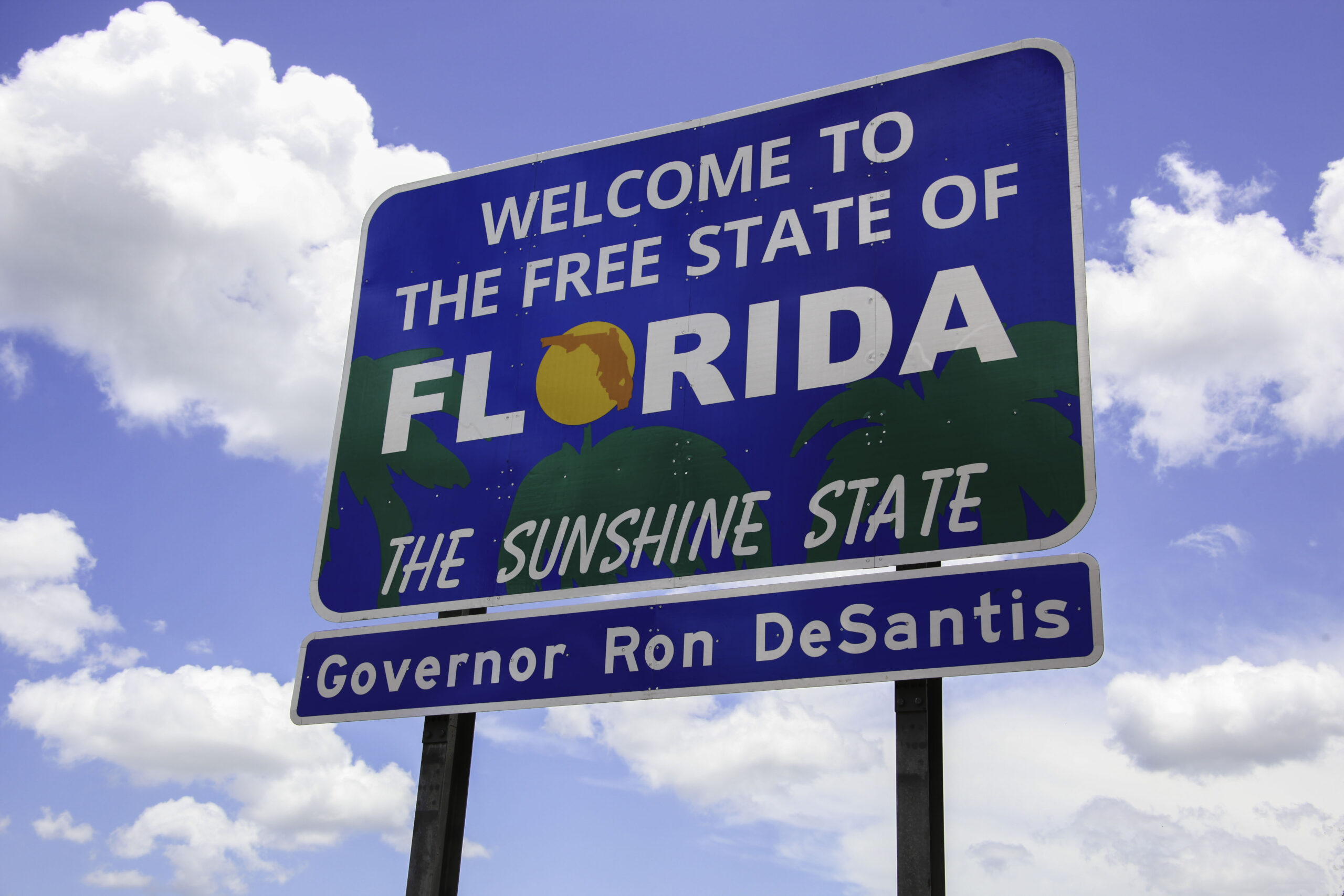
As winter comes to Miami, Floridians can brace for the same old swell in visitor traffic. Despite reports of diminished tourist interest in South Florida, the state is (still) very much trending up.
Empirically, heightened excitement about holiday travel to Caribbean hotspots suggests that Miami will receive its fair share of beachcombers, golfers, and partiers. In 2026, a record 21.7 million Americans are expected to go on ocean cruises, many of them leaving from PortMiami. Anecdotally, locals know that Bostonians, New Yorkers, and other northerners will scratch their itch for warm weather sooner rather than later. This is nothing new—death, taxes, and snowbirds.
What’s new is what the Magic City has in store for tourists, current Floridians, and future ones alike. Last month, Miami’s Freedom Tower reopened after an extensive two-year renovation, commemorating a century of history as a gateway to freedom for Cuban immigrants escaping Castro’s communism in search of the American Dream. Walking by the renovated Freedom Tower (Miami’s first skyscraper), the building earns its nickname as the “Ellis Island of the South” and is open to the general public as a museum.
It’s not the only one. At the nearby American Museum of the Cuban Diaspora, visitors can explore “The Cuban Experience,” a permanent exhibit that immerses them in the brutality of the Castro regime and shares the stories of those who fled Cuba. From a simulated execution wall to recreated prison cells, The Cuban is a necessary reminder that freedom is not actually free; it must be cherished and protected from one generation to another. After all, Cuba went from an up-and-coming republic to an utter disaster under Fidel Castro in a single generation.
New York City seems to have forgotten the history lesson. Long considered the symbol of entrepreneurial spirit and free-market prosperity in the United States, the Big Apple has become a city where Zohran Mamdani’s brand of collectivism and redistribution can win a mayoral election.
Mamdani, who has called for “seizing the means of production,” may be the latest to put a smile on the face of government oppression, but Cubans and Venezuelans in Miami know better. I know better, as a child of escapees from what was once communist Yugoslavia, where the socioeconomic repercussions of socialist dogma are still felt today.
This is not to say that New York will turn into Havana overnight. Still, Mamdani’s popularity is an affront to the free market that built New York into a shining city on the hill in the first place. In this city, even socialists and communists reap the rewards of the American Dream.
Wealthy New Yorkers are already fleeing for the suburbs, and many won’t return to Manhattan with their credit card purchases and jobs in tow. Some will surely test out the Miami waters for good, as they did in 2020.
And they should. Miami, not New York, is now the symbol of American freedom. Just ask Cuban dissident José Daniel Ferrer, who arrived here after being freed from months of torture and humiliation in a Cuban prison.
Ferrer’s crime? Speaking out against the Castro regime.

Ask the hundreds of political prisoners who remain imprisoned on the communist island where freedom lives. Or ask María Corina Machado, who recently won the Nobel Peace Prize after years of exposing the Nicolás Maduro regime for its authoritarian practices and human rights violations. Machado was herself imprisoned earlier this year for daring to support democracy in Venezuela.
This winter, there is no better time to celebrate these freedom champions and the unique cultural heritage of Miami — home to Calle Ocho and Little Havana, Little Venezuela in Doral, and built testaments to the privilege of being American.
From the Freedom Tower to The Cuban, residents and visitors alike are reminded that there is much, much more to Miami than beach bars, nightclubs, and frustratingly slow traffic.
What makes Miami magical — especially in the winter months — is its multifaceted charm. This includes our collective appreciation for the American Dream, whether we hail from Caracas or Bosnia and Herzegovina (in my case).
To quote Ferrer, whose fight for a Cuba Libre is honored at The Cuban, “I want to see a free people.”
Ferrer included, we’re on full display here. That is worth celebrating over and over again.
___
Luka Ladan is president and CEO of Zenica Public Relations, based in Miami.
Politics
While St. Pete Beach residents were locked out after Hurricane Helene, the Mayor was already having repairs done
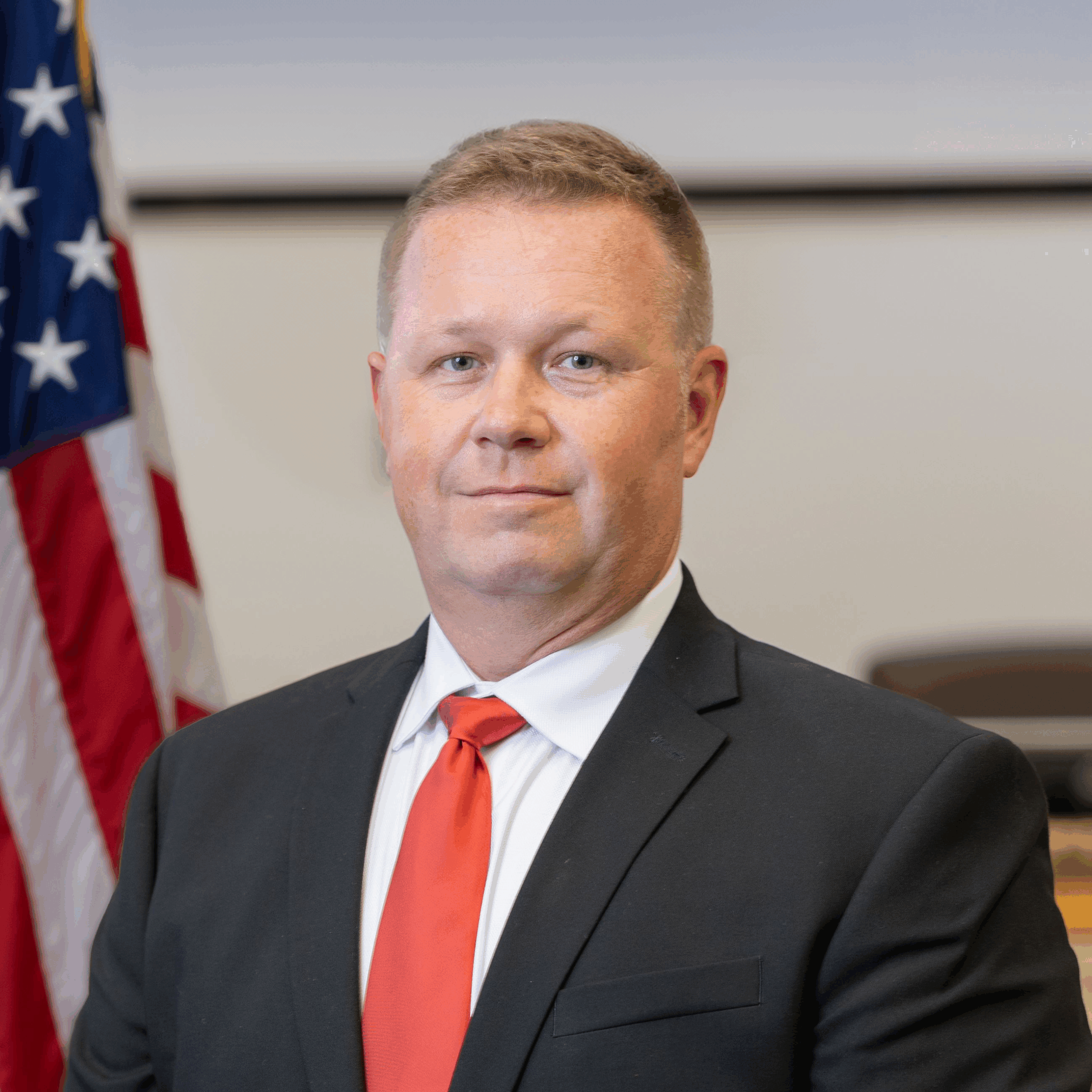
One day after Hurricane Helene skirted past the Tampa Bay area on Sept. 26, 2024, leaving devastating flooding, St. Pete Beach residents were still blocked from returning to their homes to survey damage, as crews worked to ensure it was safe to return.
Yet even as residents grew anxious to see what remained of their homes and communities, St. Pete Beach Mayor Adrian Petrila was already on the island and, it appears, already taking steps to repair his flooded home.
On Sept. 27, 2024, the city of St. Pete Beach posted a warning on Facebook informing residents that access points to the local barrier islands “remain closed today” as “crews from the county and impacted municipalities continue to work on clearing impassable roadways, removing dangerous debris, restoring power, and addressing other infrastructure issues including returning power to our sanitary sewer system.”
The post went on to caution residents that they “should plan to spend multiple days away from their houses.”
That same day, a local resident who had remained on the island to weather the storm captured video at Petrila’s home of what appears to be crews bringing in fans to dry flood areas.
Donna Miller had stayed on the island with a neighbor — a decision she said many residents made after weathering numerous storms without much damage and with no risks to safety. This time was different, as flooding impacted much of the island, leaving homes badly damaged.
She told Florida Politics that she and others who had stayed behind were unable to obtain water, food or other supplies as the barrier islands remained closed because they were told they could leave the island, but would not be able to return until access was restored. Not wanting to miss out on time to address flood damage, many continued to stay.
Instead, Miller and a friend hopped in her car to check on other neighbors. In doing so, they came across Petrila’s home, where video Miller took shows a crew carrying several large fans into the home. The video is just 10 seconds long, but Petrila’s address is visible in the footage and metadata on the video confirms it was taken the day after the hurricane. Petrila is also visible in the garage.
Miller said she stopped filming to confront the homeowner. Said she didn’t realize it was the Mayor until after the confrontation.
Miller told Florida Politics that during the interaction, she asked Petrila, “How is it that you have workers cleaning out your house when people need food and supplies?”

He responded, according to Miller, that the men had already been on the island, a claim Miller said she doubts.
“It seemed like he played the Mayor card to get them in,” she said.
Florida Politics reached out to Petrila on Monday via his city email asking about the video. The email included questions about how workers were able to bring supplies to his house. As of Wednesday, he had still not responded.
Miller, meanwhile, has sent letters to the Pinellas County Sheriff’s Office and to U.S. Rep. Anna Paulina Luna complaining about what she perceived as Petrila misusing his authority as Mayor for personal benefit.
“A Mayor who puts himself before the people needs to find another career,” Miller told Florida Politics. “What he did was horrible. Instead of getting trucks on the island with emergency supplies, he got blowers and workers on the island.”
Petrila, a Republican, is up for re-election this year. He faces fellow Republican Scott Tate in what is expected to be a tight race. Petrila is the top fundraiser in the race, but only barely. Tate has nearly matched Petrila’s fundraising, with new fourth-quarter totals showing he has brought in just over $14,000, only $1,300 less than Petrila.
The tighter-than-usual fundraising in a beach town election cycle that is more often than not a quiet affair comes as Petrila faces criticism for proposing to impose tolls at the north, central and southern access points to the island to fund ongoing infrastructure repairs and improvements following back-to-back hurricanes in 2024 that devastated the island.
Despite his plan exempting residents, employees and business owners, it has been controversial, with some worrying such tolls would reduce tourism and other revenue-generating traffic on St. Pete Beach.
And Petrila, like neighboring St. Petersburg Mayor Ken Welch, who is also facing intraparty opposition for his re-election, is also earning resident frustration over a permitting backlog following the hurricanes that is ongoing as residents continue to rebuild. While Tate has not directly weighed in on the tolling issue, he has lamented that the permitting red tape is a failure of leadership.
Petrila is facing his first re-election contest after first being elected in 2023, when he unseated then-incumbent Alan Johnson.
The St. Pete Beach municipal election is March 10.
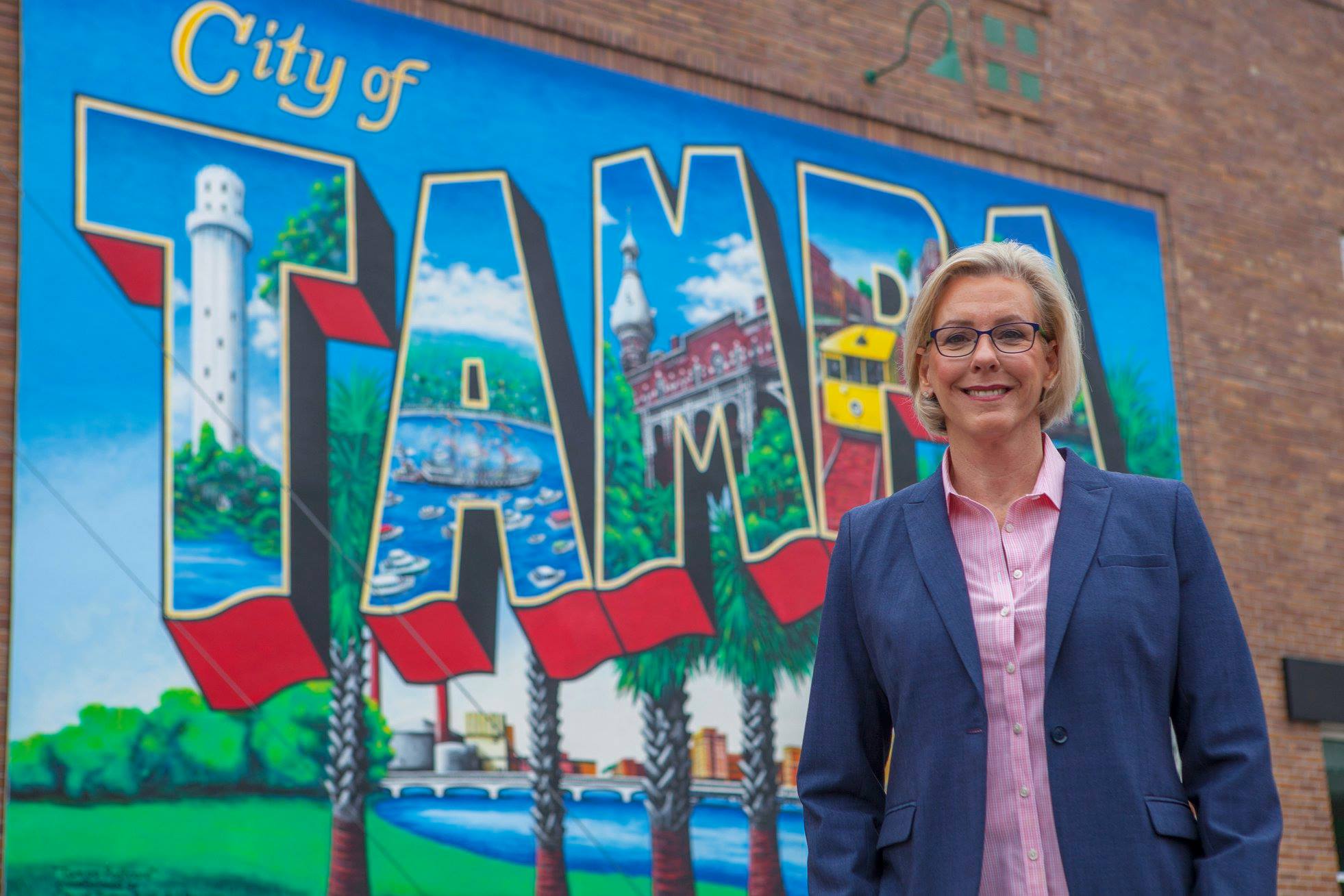
With just over a year remaining in her second and final term, Tampa Mayor Jane Castor’s administration is shifting into a “finish strong” phase to wrap up major redevelopment projects while positioning the city for continued growth under its next Mayor.
Castor told Florida Politics that she is focused on completing long-planned initiatives in the coming year, and creating what she called “project launch pads” for the next administration after nearly seven years of rapid development and population growth.
“We’ve accomplished a great deal in just a bit less than seven years,” Castor said. “Our city’s grown dramatically. We’re focused on finishing up some of those projects and getting other projects ready for the next administration.”
Castor said recent city budgets have emphasized investment in transportation, affordable housing and workforce development.
Transportation remains Tampa’s biggest challenge, she said, calling it the city’s “Achilles heel.” Castor pointed to the defeat of Hillsborough County’s voter-approved transportation surtax as a major setback for the region, though she emphasized that local governments have continued pursuing alternatives.
“We mourned the loss of that, but we didn’t stop,” Castor said.
Instead, Tampa and regional partners turned to grants and federal funding, securing nearly $4 million through a U.S. Department of Transportation program known as the Regional Infrastructure Accelerator. The grant supports planning for large-scale, multicounty transportation projects across Hillsborough, Pinellas and Pasco counties, including both local and regional transit options.
One proposal under consideration would expand Tampa’s streetcar system beyond its current footprint in Ybor City, Channel District and downtown, extending north into Tampa Heights. Castor said the city is also examining longer-term regional transit connections, including potential airport links and public-private partnerships to help finance future projects.
Meanwhile, construction across Tampa continues at a rapid pace, particularly along the riverfront and in historically underserved neighborhoods.
Castor highlighted projects nearing key milestones, such as the West River redevelopment in West Tampa — where a new Riverwalk extension is under construction. Castor also noted the Rome Yard project near Rome Avenue and Columbus Drive, a 16-acre mixed-use development now rising out of the ground.

In East Tampa, the city recently held a ribbon-cutting for the new East Tampa Recreation Center, a sprawling, multiblock complex that Castor said will be among the best facilities in Tampa’s parks system once completed later this year.
Downtown and surrounding neighborhoods are also seeing a wave of new residential construction. Castor cited multiple high-rise developments near downtown, additional riverfront condominiums along Kennedy Boulevard, student housing tied to the University of Tampa, and the long-anticipated opening of the five-star Pendry Hotel near the river this year.
Ybor City and the Channel District remain hot spots for redevelopment as well, with Water Street Tampa entering its second phase and developer Darryl Shaw advancing residential, office and retail projects, including a food hall, near the Gas Worx site.
“The city is just on fire,” Castor said. “I keep saying I’m going to change our city bird to the crane, there’s cranes all over the city.”
As lawmakers convene in Tallahassee for the ongoing Legislative Session, Castor said her top request is simple: leave property taxes alone.
Property taxes remain the primary revenue source for cities and counties, she said, and are already constrained by Florida’s Save Our Homes cap, which limits annual increases regardless of rising property values.
“Any cuts to property tax would be cuts to police and fire, to our parks and recreation, and to all the other city departments that rely on property tax funding,” Castor said.
Castor also addressed ongoing discussions surrounding professional sports facilities, noting that planned improvements to Raymond James Stadium and Benchmark International Arena are already accounted for through Hillsborough County’s voter-approved Community Investment Tax extension. She said city and county officials are meeting with the Tampa Bay Rays as discussions continue around a potential baseball stadium site near Hillsborough Community College.
Looking beyond her tenure, Castor said she does not plan to seek another political office, but intends to remain active in civic life after leaving City Hall.
“I don’t have any plans politically, but I definitely will stay involved in the community,” Castor said. “I was born and raised here in Tampa, so I’ll always be involved — participate on boards, volunteering, whatever way I can — to help continue to grow this great city.”


Slipping on ICE: innocent retailers are the latest collateral damage from Trump’s perpetual noise machine

Alix Earle Pours Heart Out in Late-Night Post Lamenting Life After Braxton Berrios

While St. Pete Beach residents were locked out after Hurricane Helene, the Mayor was already having repairs done
-

 Politics8 years ago
Congress rolls out ‘Better Deal,’ new economic agenda
-
Entertainment9 years ago
New Season 8 Walking Dead trailer flashes forward in time
-
Politics9 years ago
Poll: Virginia governor’s race in dead heat
-
Politics9 years ago
Illinois’ financial crisis could bring the state to a halt
-
Entertainment9 years ago
The final 6 ‘Game of Thrones’ episodes might feel like a full season
-
Entertainment9 years ago
Meet Superman’s grandfather in new trailer for Krypton
-
Business9 years ago
6 Stunning new co-working spaces around the globe
-
Tech8 years ago
Hulu hires Google marketing veteran Kelly Campbell as CMO