
Politics
The (short) history of kratom policy in the United States
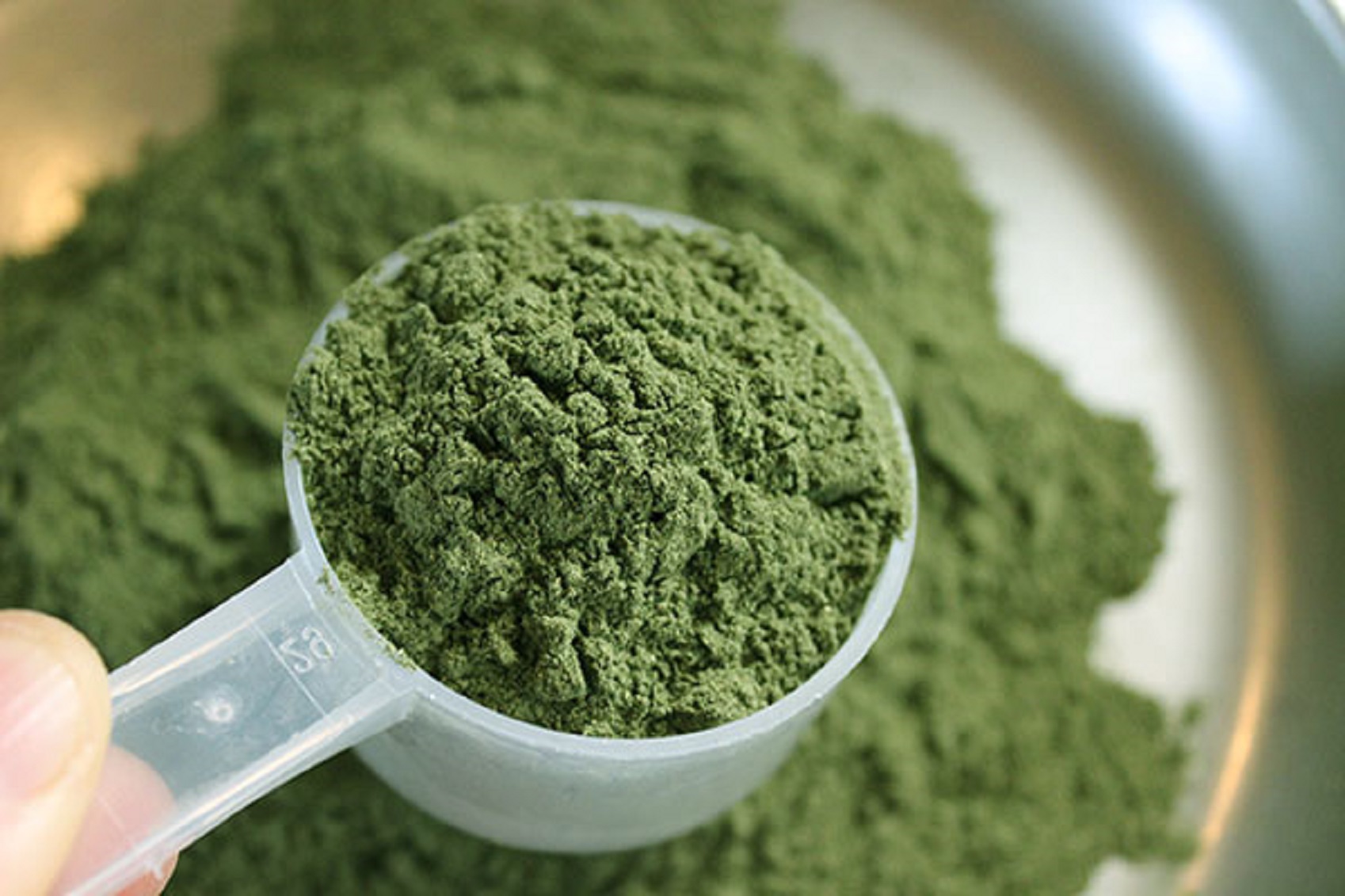
When the federal government attempted to use its regulatory authority to schedule the popular plant-based substance known as kratom in 2016, it learned an important lesson about science, stigma, and the limits of prohibitionist policy.
For the federal health establishment, kratom was an obscure botanical turned Internet trend, something best controlled through enforcement. It was seen as a product people didn’t understand, used by people the government didn’t listen to, and therefore it was treated as a problem to be eliminated rather than a behavior to be made safer.
For hundreds of thousands managing chronic pain, anxiety, or addiction to opiates and other drugs, however, it was a lifeline.
The gap between how institutions saw kratom and how ordinary people used it in practice was exposed.
Users of kratom found a safer, legally available method to manage their withdrawal from other substances, saving them from the scourge of illicit opioids increasingly contaminated with fentanyl, the primary driver of overdose deaths in the United States.
What kratom provided those patients was a reliable, consistent product found on store shelves rather than back alleys and street curbs. By threatening to make it illegal overnight, the DEA risked yanking away the stability of people already balancing on the edge. The practical effect wasn’t “better choices,” but fewer choices until the worst ones remained.
When authorities moved to schedule kratom, they triggered a public health scare, not a safety fix.
The DEA’s 2016 attempt at emergency scheduling showed us what happens when panic drives policy. The agency moved to place kratom’s active alkaloids in Schedule I, alongside heroin and crystal meth, relying on what researchers and patients argued was selective, low-quality evidence that ignored consistent data showing low rates of serious adverse events. Their actions were a signal to states, retailers, doctors, and researchers to not only avoid studies on kratom, but to aim to bury it.
But even then, the DEA’s case was widely criticized. Scholars in the legal community raised red flags about the process, which risked eliminating the safe and legal use of a plant with documented potential to save lives and reduce harm.
The federal government attempted to intervene in an evolving marketplace with the extreme lever of prohibition. This constituted an abuse of authority with real-world consequences for real people. That was, however, until the public weighed in.

Attempts to ban kratom created fear, instability, and risk for hundreds of thousands of users.
Over 23,000 public comments poured in, with 99% opposed to the DEA’s scheduling measures. Many commenters described kratom as the only thing keeping them from relapsing in opioid abuse. Others stated plainly that a ban would cost lives.
Following popular will, the DEA took the rare step of withdrawing its emergency notice, a tacit admission that its process was flawed and out of step with reality.
Panic policy doesn’t protect consumers. It just changes which risks they’re forced to take.
___
Yaël Ossowski is deputy director at the Consumer Choice Center.