The rise of teams built to break baseball’s old rules
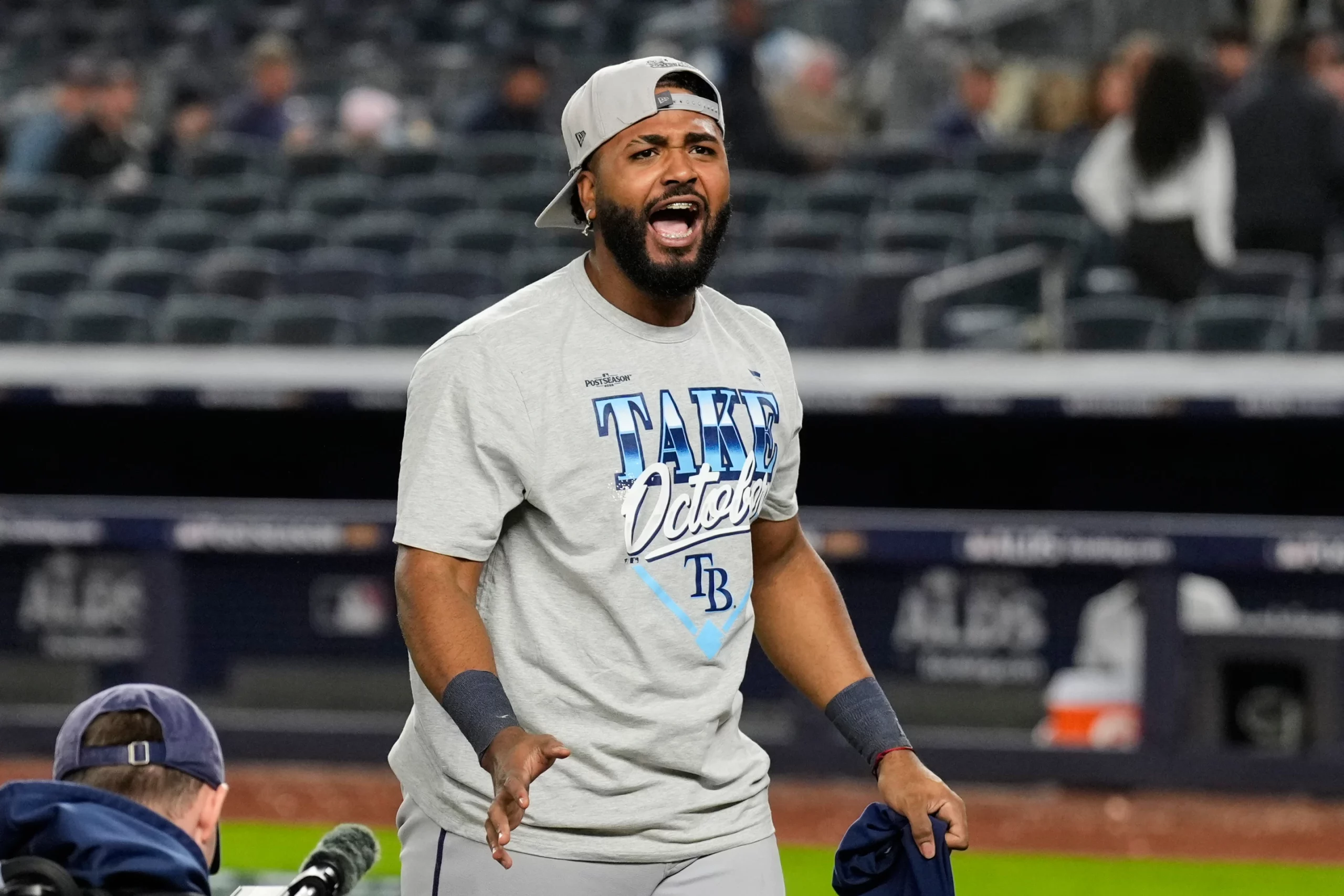
The Milwaukee Brewers, Tampa Bay Rays and Cleveland Guardians have reached the League Championship Series alongside the Los Angeles Dodgers, but they have done it while operating far below baseball’s financial elite. The Rays swept the Yankees in the ALDS, Cleveland eliminated the White Sox, and Milwaukee has pushed the Dodgers to the brink in the NLCS.
The Financial Chasm
The payroll gap is not subtle. Los Angeles entered the postseason with roughly $338 million in payroll, while Milwaukee was at about $143.5 million, Tampa Bay at $98.3 million and Cleveland at $74.2 million.
Put simply: the Brewers, Rays and Guardians combined for approximately $316 million—less than the Dodgers spent on one roster.
Team
2026 Payroll
MLB Rank
Los Angeles Dodgers
$338 million
2nd
New York Mets
Highest payroll
1st
New York Yankees
$308.34 million
3rd
Milwaukee Brewers
$143.5 million
19th
Tampa Bay Rays
$98.3 million
25th
Cleveland Guardians
$74.2 million
30th
The Mets, baseball’s top spender by present-day payroll calculations, missed the postseason entirely. The Yankees, third in spending, were swept by Tampa Bay. Meanwhile, Cleveland reached the ALCS with the lowest payroll in the sport.
How the Small-Market Clubs Compete
Pitching development
The Rays and Guardians have built sustainable pitching pipelines rather than buying expensive free-agent rotations. Both organizations have repeatedly developed, refined and replaced arms internally, allowing them to remain competitive without nine-figure commitments.
Cleveland’s approach is already paying off in October: rookie Chase DeLauter, a 2022 first-round pick, entered the postseason after hitting .287/.363/.457 with 16 home runs and has delivered a .346/.452/.538 postseason line through seven games.
Bullpen leverage
Milwaukee’s bullpen has been one of the defining stories of the postseason. The Brewers have used late-inning matchups and depth to blunt high-priced lineups, including a Dodgers rotation that struggled to navigate Milwaukee’s order in the NLCS.
Rather than committing premium dollars to a traditional closer, the Brewers and Guardians have leaned on adaptable relief groups, matchup-based deployment and defensive positioning to protect narrow leads.
Run prevention and fundamentals
The Brewers and Rays have not relied on blockbuster home-run bats to carry their offenses. Their formula emphasizes plate discipline, aggressive baserunning, defensive value and run prevention—traits that travel well in a postseason environment where margins are thin.
That approach has allowed them to beat more expensive rosters without trying to out-slug them.
The Salary-Cap Debate
This postseason arrives at a volatile moment for MLB economics. The collective bargaining agreement expires Dec. 1, and the league’s push for greater competitive-balance mechanisms will only intensify as low-payroll teams continue advancing.
Commissioner-level arguments for a salary cap often cite the Dodgers as evidence of financial imbalance. But the Brewers, Rays and Guardians offer the MLBPA a powerful counterargument: disciplined scouting, player development and roster construction can still produce championship-caliber teams without a cap.
The Bottom Line
The 2026 playoffs are not merely about who reaches the World Series. They are reshaping baseball’s economic argument.
If Milwaukee, Tampa Bay or Cleveland wins the title, it will deliver the sport’s most inconvenient message to its biggest spenders: in October, smart baseball can still beat rich baseball.