
Politics
The race for Miami Mayor is crowded. Here’s a look at the top six candidates

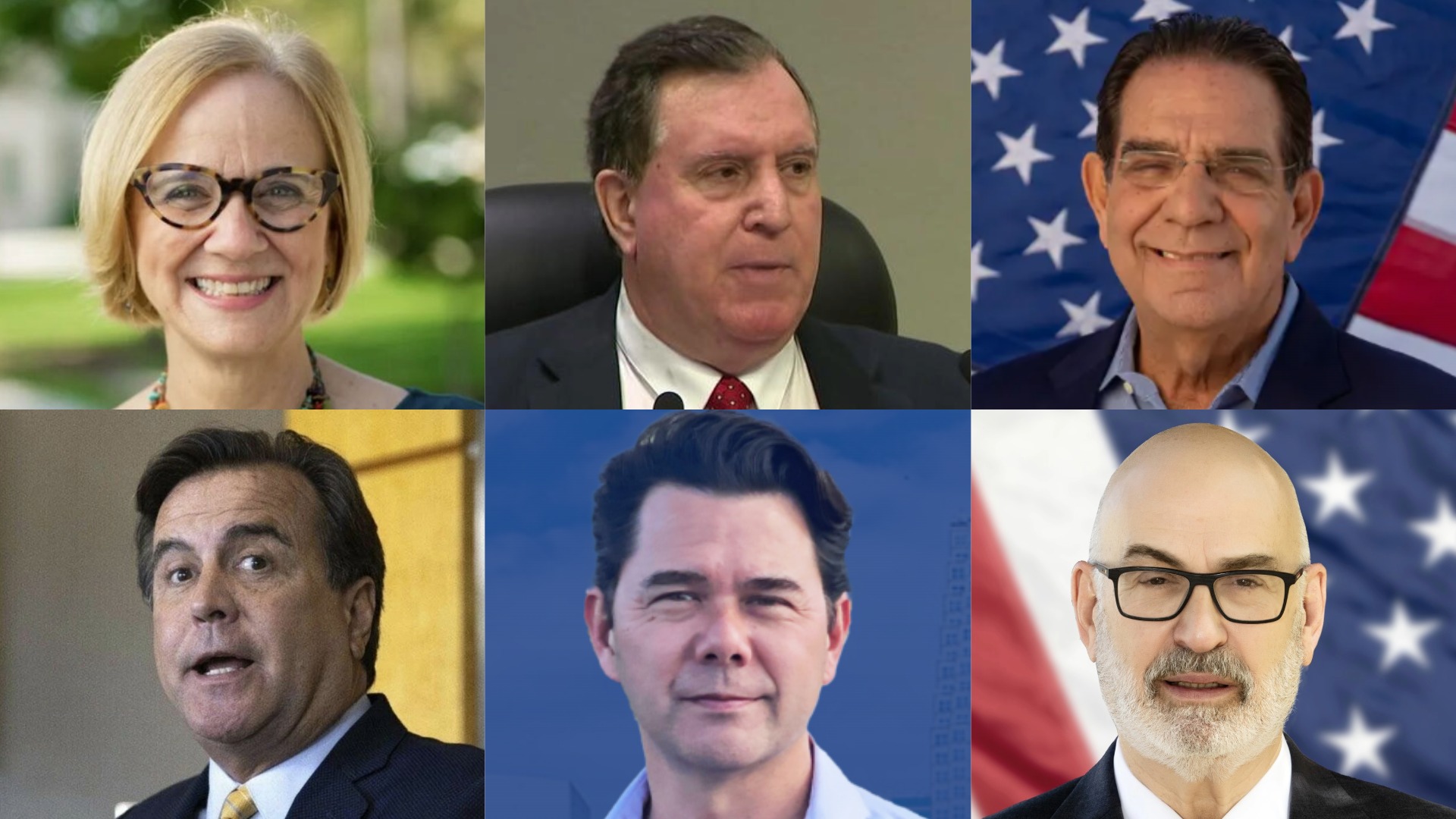
A baker’s dozen of candidates are vying for the right to succeed term-limited Miami Mayor Francis Suarez.
Of them, six stand out for having the highest polling numbers, the longest uninterrupted tenures as “Magic City” residents and for raking in the most campaign cash.
Each of them has also served in at least one prominent government role.
Miami’s Mayor position is a “weak Mayor” post, meaning the office is largely symbolic and its holder carries little power aside from being able to hire and fire the City Manager and veto City Commission items. But having political experience and administrative savvy is still vital to the job.
Late last month, the six candidates — Miami Commissioner Joe Carollo, former City Manager Emilo González, Miami-Dade County Commissioner Eileen Higgins, former Miami Mayor Xavier Suarez, and former Miami Commissioner Alex Díaz de la Portilla and Ken Russell — participated in a debate hosted by the Downtown Neighbors Alliance (DNA).
Only candidates who polled above 5% in a survey that the DNA conducted were invited to participate.
During the debate, the mayoral hopefuls traded barbs over housing, corruption and city leadership. Higgins blamed Miami’s “broken” permitting system for the city’s housing crisis, while Russell and Díaz de la Portilla sparred over funding and past scandals. González and Carollo exchanged corruption accusations.
A separate debate NBC 6 held this month featured four candidates — González, Higgins, Russell and Suarez — who polled above 10% in a Griffin Catalyst survey. Carollo polled in excess of that threshold, too, but didn’t commit to the event by NBC’s deadline.
In terms of fundraising might and government experience in Miami, few can rival Carollo, the city’s term-limited District 3 Commissioner, who previously served two separate stints as Mayor.
Since filing to run for Mayor last month, he’s raised $26,500 through his campaign account. He also collected more than $686,000 this year through his political committee, Miami First, not counting another $1.84 million in carryover funds he still had in the PC.
Through early October this year, Carollo spent more than $558,000 on various campaign and political expenditures.
His campaign website says his priorities as Mayor would be to improve public safety and government accountability, restore public spaces, attract entrepreneurs and “world-class investment” to Miami, boost opportunities through education and protect local “heritage” by prioritizing residents, small businesses and “strengthening neighborhood identity.”
Carollo, a 70-year-old Republican born in Cuba, entered government service early as a police officer. He cut his political teeth as a young adult backing segregationist Alabama Gov. George Wallace’s 1976 campaign for President. Carollo said he was attracted to Wallace’s populist, small-government message, not his racist views. In 1979, he was reprimanded for slipping a drawing of a Ku Klux Klan member into a mailbox of a fellow Black police officer — a prank, he said.
That same year, he became the Miami Commission’s youngest member at 24. He almost immediately began clashing with the city’s then-Police Chief, who accused him of inappropriate and allegedly unlawful acts, including bribing cops seeking police favors for friends.
In 2001, he was arrested on later-dropped charges of domestic violence after he allegedly hit his then-wife in the head with a pot.
Twenty years later, after the city’s then-Police Chief Art Acevedo accused Carollo, Díaz de la Portilla and late Commissioner Manolo Reyes of repeatedly interfering with Miami Police Department affairs, Carollo led a successful charge to oust Acevedo that included showing a clip of the lawman impersonating Elvis Presley in tight pants.
Then, in 2023, two businessmen successfully sued for violating their First Amendment rights by weaponizing city resources to harass them after they backed their political opponent. An appellate court upheld the judgment this past July. Three months earlier, a Broward State Attorney’s Office investigation cleared Carollo of criminal wrongdoing for allegedly stalking and, who own the Ball & Chain restaurant and nightclub, harassing the businessmen and Acevedo.
Last year, an insurer for Miami sued the city seeking a $5 million refund for legal costs incurred defending Carollo against numerous lawsuits since 2018. The case is not yet closed, according to the U.S. District Court of the Southern District of Florida.
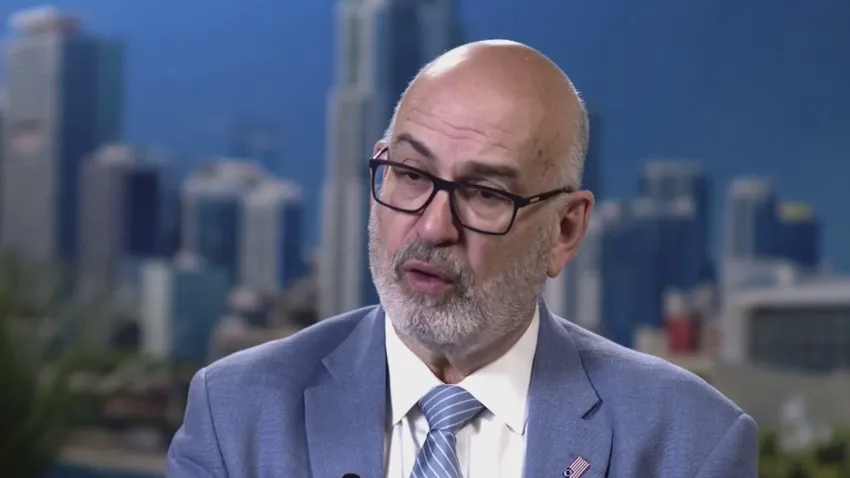
González, a 68-year-old born in Cuba, brings the most robust government background to the race. A U.S. Army veteran who rose to the rank of colonel, he served as Miami City Manager from 2017 to 2020, CEO of Miami International Airport (MIA) from 2013 to 2017 and as Director of Citizenship and Immigration Services at the U.S. Department of Homeland Security under President George W. Bush.
In private life, he works as a partner at investment management firm RSMD Investco LLC. He also serves as a member of the Treasury Investment Council under the Florida Department of Financial Services.
Since filing to run for Mayor in April, he’s raised more than $1 million and spent about $347,000.
He also amassed several high-profile endorsements, including nods from Gov. Ron DeSantis, U.S. Sens. Ted Cruz and Rick Scott, 11 former police officials, former Miami Director of Human Services Milton Vickers, mixed martial arts star Jorge Masvidal, and Emmy award-winning reporter Michael Putney.
MIA workers union AFSCME Local 1542, construction trade group Associated Builders and Contractors, Miami Young Republicans and the Log Cabin Republicans of Miami, among others, are also backing him.
González vows, if elected, to work on rolling back property tax rates, establishing a “Deregulation Task Force” to unburden small businesses, prioritizing capital investments that protect Miamians, increasing the city’s police force, modernizing Miami services with technology and a customer-friendly approach, and rein in government spending and growth.
Notably, Miami’s Nov. 4 election this year might not have taken place if not for González, who successfully sued Miami in July to stop officials from delaying the city’s election until 2026.
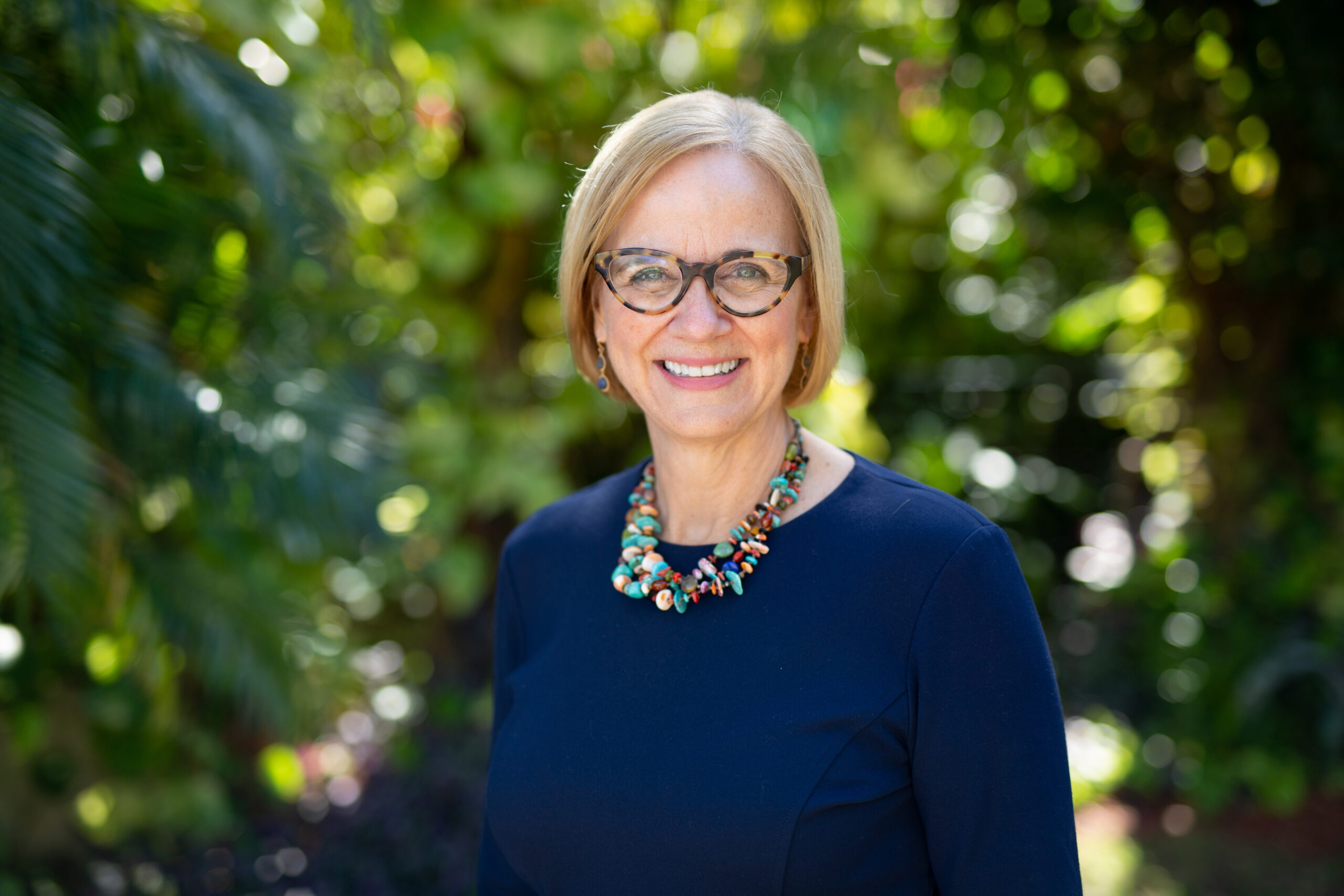
Higgins, a 61-year-old Democrat who was born in Ohio and grew up in New Mexico, comes into the race as the current longest-serving member of the Miami-Dade Commission. She won her seat in a 2018 Special Election and coasted back into re-election unopposed last year.
She’s vacating her seat three years early to run for Mayor.
Higgins boasts a broad, international background in government service. She worked for years in the private sector, overseeing global manufacturing in Europe and Latin America before returning stateside to lead marketing for companies like Pfizer and Jose Cuervo.
In 2006, she took a Director job with the Peace Corps in Belize, after which she served as a foreign service officer for the U.S. State Department under President Barack Obama, working in Mexico and in economic development areas in South Africa.
Her campaign platform for Mayor prioritizes restoring trust in City Hall by fixing Miami’s permitting process and boosting government efficiency, improving affordability, advocating for police and first responders, enhancing transportation connectivity and efficiency, and shoring up the city’s resiliency against climate change effects.
Since filing in April, Higgins raised $156,000 through her campaign account. She also amassed close to $658,000 through her county-level political committee, Ethical Leadership for Miami. Close to a third of that sum — $175,000 — came through a transfer from her state-level PC.
Higgins spent more than $676,000 this year and had $336,300 left heading into October.
Her endorsers include Miami-Dade Mayor Daniella Levine Cava, Miami Gardens Sen. Shevrin Jones, Miami Rep. Ashley Gantt and South Miami Mayor Javier Fernández.
Union and advocacy groups backing her include UNITE HERE Local 355, SAVE Action PAC, LiUNA Local 1652, SEIU 32BJ, Equality Florida Action PAC, EMILY’s List and Ruth’s List Florida.
If elected, Higgins would make history as Miami’s first woman Mayor.

Suarez, a 76-year-old lawyer with no party affiliation, made history in 1985 as Miami’s first Cuban-born Mayor. His son is the current Mayor.
He previously served as a Miami-Dade County Commissioner from 2011 to 2020 and left office after new term limit rules kicked in.
If elected, he said he’ll tackle property tax reform, including supporting Miami Rep. Vicki Lopez’s proposal to exempt all Miami-Dade residents whose homes don’t exceed the county’s median value ($575,000, on average) from paying property taxes.
Suarez wants to make mass transit in Miami free and promised to work with state lawmakers further to reform the “entire system of casualty insurance, beginning by having the state take over catastrophic insurance for all new affordable housing.”
He also backs proposed charter amendments to expand the Miami Commission from five to nine seats and align city elections with federal races.
Since filing in July, Suarez raised about $12,600 through his campaign account. Imagine Miami PAC, which he launched in mid-January, raised another $266,000 of which it has since spent $184,000, leaving him with about $82,000 about a month before Election Day.
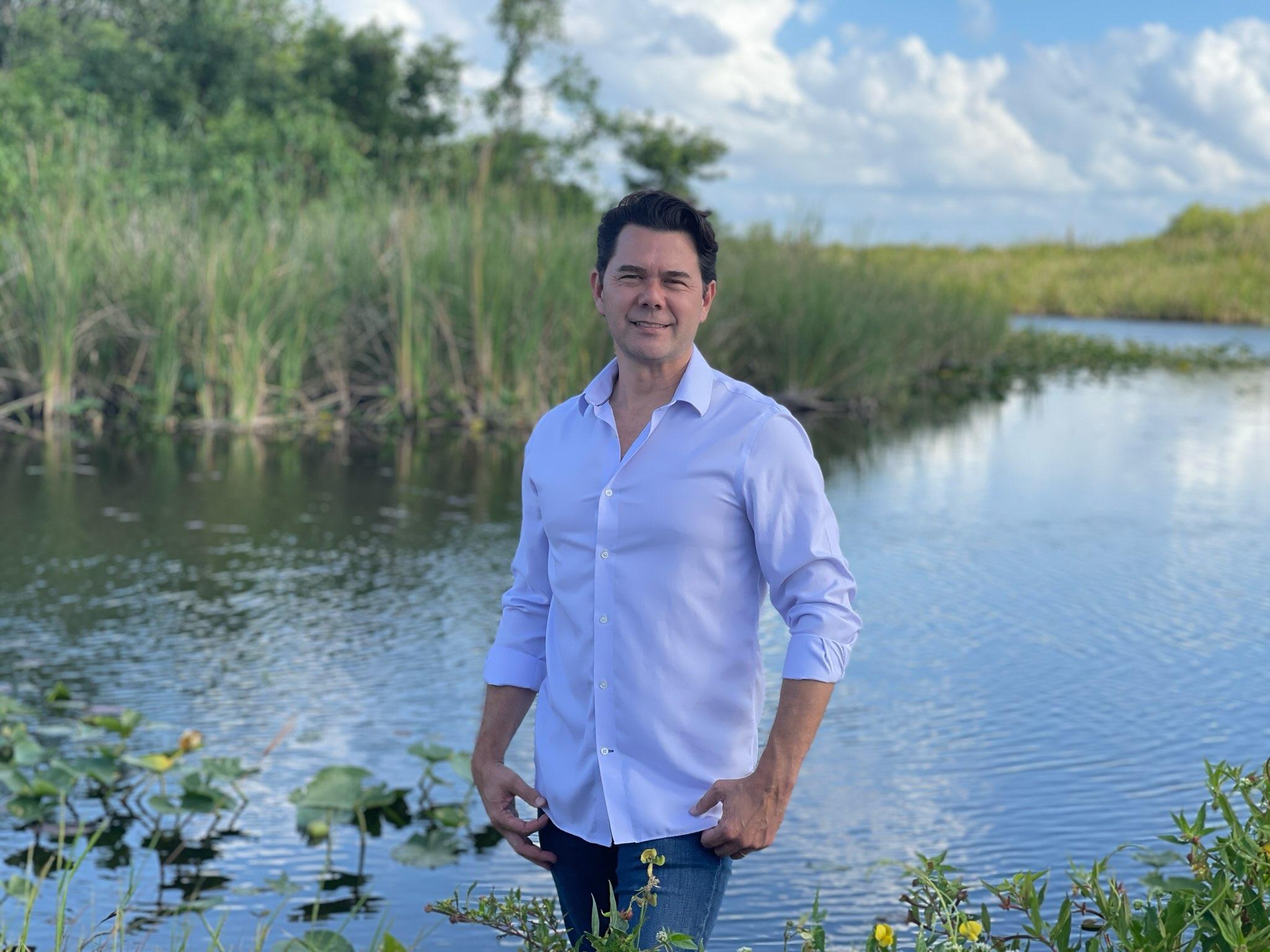
Russell, a 52-year-old Democrat born in Coral Gables and raised in and around Miami, is seeking a comeback after three years away from elected office.
He served as Miami’s District 2 Commissioner from 2015 to 2022, when he ran unsuccessfully for Congress. As a city policymaker, Russell prioritized affordable housing and environmental protection.
As a day job, Russell owns and operates a Miami-based strategic consulting firm focused on environment, government, housing and transit. He previously owned a company that sold water sports gear and a seasonal woodworking business.
He’s also a former yo-yo champion with a penchant for going viral on social media.
Since filing for the race in March, he’s raised and spent about $108,000.
Russell’s endorsers include Fort Lauderdale Mayor Dean Trantalis, former Pinecrest Mayor Cindy Lerner, former South Miami Mayor Phil Stoddard, retired Miami-Dade County Schools Administrator Freddie Young, NBA champion and philanthropist Udonis Haslem and historian, author and filmmaker Marvin Dunn.
VoteWater, a nonpartisan Florida-based group that supports “clean-water candidates,” is backing him too.
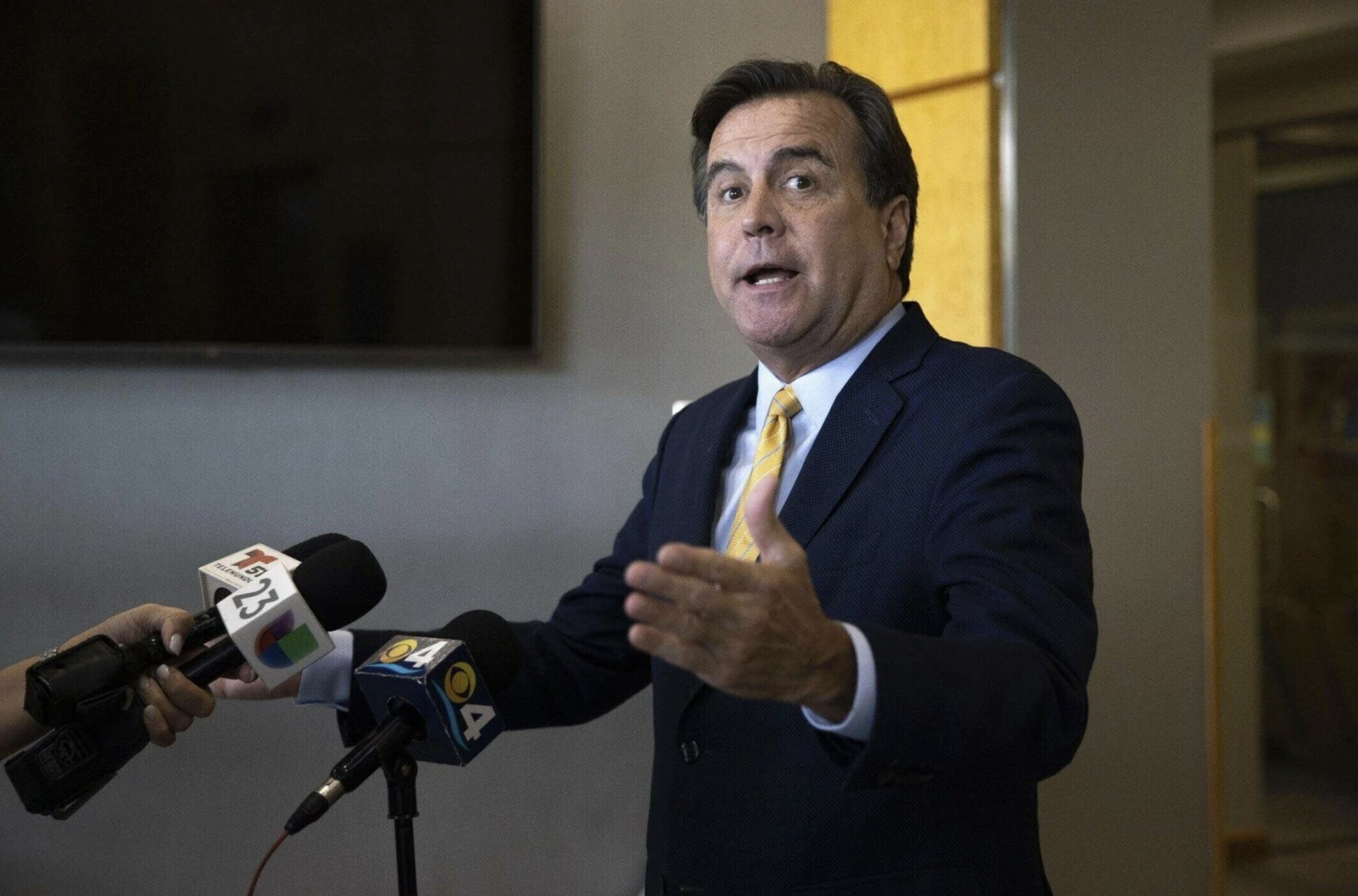
Díaz de la Portilla, a 61-year-old Republican who was born in Miami, is part of a political family dynasty. Several men in his family, including his great-grandfather, served in the Cuban government, including the Cuban Senate, House and as the country’s Minister of Justice.
He and his brothers, Miguel and Renier, carried on that tradition, serving in various county and state offices.
Díaz de la Portilla served in both the state Senate and House, including stints as Senate Majority Leader and President Pro Tempore, before winning a seat on the Miami Commission in 2019. But in 2023, DeSantis suspended him from office after he was arrested on a host of corruption charges, including bribery, money laundering and criminal conspiracy — all of which the Broward State Attorney’s Office dropped just over a year later, citing inconsistent witness testimony and insufficient evidence.
Since he filed to run for Mayor last month, Díaz de la Portilla raised $101,000 through his campaign account. He also spent about $370,200 this year through his political committee, Proven Leadership for Miami-Dade County PC, which still had $60,000 left in it by Sept. 30.
Curiously, Díaz de la Portilla does not have a campaign website. He’s also been largely absent from social media since June.
Other candidates running include Republicans Christian Cevallos, Alyssa Crocker and June Savage; Democrats Elijah Bowdre and Michael Hepburn; and Laura Anderson and Kenneth “K.J. DeSantis, who have no party affiliation.
Anderson, Cevallos, Crocker and DeSantis — who says he’s related to the Governor — haven’t lived in Miami for longer than two years. Bowdre and Savage have lived in the city for at least three years.
Hepburn, a consistent Miami candidate, has alternatively lived in Miami and South Miami since 2016. He most recently moved back to Miami in September 2024, less than a week before he would have been ineligible to run.
Of the lower-polling candidates, Hepburn leads fundraising with $38,400 in donations and $61,600 worth of in-kind contributions. If elected, he’d become Miami’s first Black Mayor.
Miami’s elections are technically nonpartisan, but party politics are frequently still a factor.
The General Election is Nov. 4. If no candidate tops 50% in a race, the top two advance to a Dec. 9 runoff.
Politics
James Fishback is registered to vote in 2 states. Does that make him ineligible for Governor?
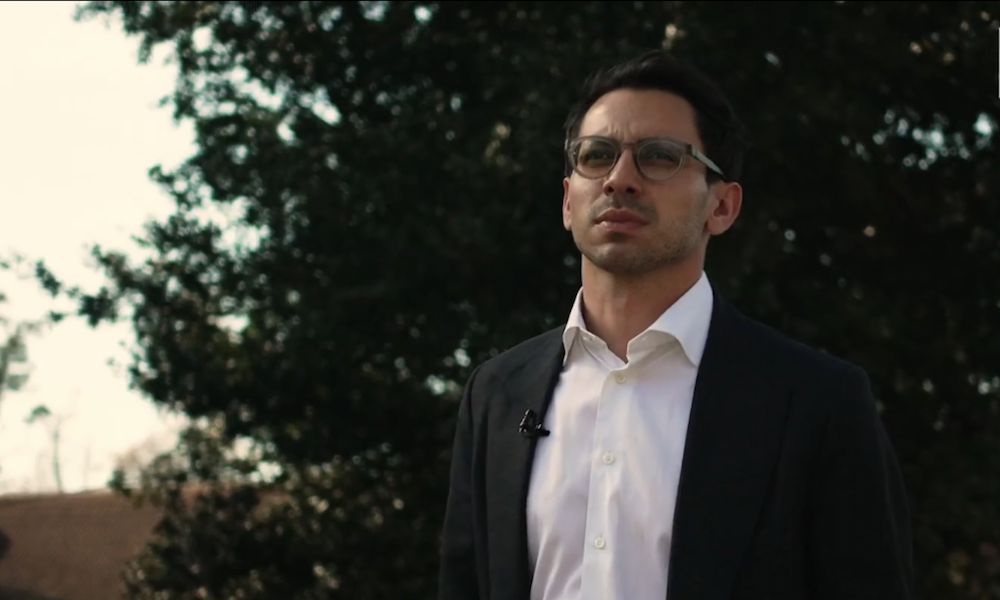
Gubernatorial candidate James Fishback has been registered to vote in two states since around 2020. While he never cast a ballot in both states in the same year, the issue raises questions about whether the Madison Republican meets eligibility requirements for Governor.
The 30-year-old has been registered to vote in Florida since 2012. He transferred his residence from Davie in Broward County to Madison County in 2023, according to the Madison County Supervisor of Elections Office.
But the D.C. Board of Elections confirms Fishback remains an active voter in Washington, where he registered in 2020.
That could complicate Fishback’s campaign for Governor, which he launched last month. Florida’s eligibility requirements for Governor require candidates to be registered to vote in Florida and to be residents of the state for at least seven years.
Of note, state law also requires a candidate for partisan office to be a registered member of the party for 365 days before an election. While Fishback is registered as a Republican in Florida, he is registered without party affiliation in Washington.
Fishback dismissed concerns about his eligibility to run for the GOP nomination for Governor.
“I’m a fourth generation Floridian and have lived here my entire life, and meet all of the constitutional requirements to serve as Governor if the voters entrust me with this awesome responsibility,” he said in a text to Florida Politics.
But despite being a Florida native, Fishback’s residency could be called into question. Fishback owns a property in Washington on 42nd Street, and records show he claimed a homestead exemption on it.
That’s notably a different address than the Davis Place residence where he is registered to vote. That property is owned by Aydee Fishback, according to Washington records, and Florida records show Jay Fishback as a primary owner of the Washington property.
James Fishback is the primary owner of a Pinkney Street home in Madison on property he purchased in 2022, according to Madison County property records. No homestead exemption is held on that property.

___
Jesse Scheckner of Florida Politics contributed to this report.
The policy expansion is retroactive through November 2024.
The House is expanding its paid parental leave policy when employees have a baby or adopt a child, House Speaker Daniel Perez announced.
The policy takes effect immediately and applies retroactively for parents who took leave from Nov. 19, 2024, onward.
Going forward, full-time salaried employees will get up to seven consecutive weeks of paid parental leave for maternity leave after childbirth.
The House will also offer mothers and fathers paid care and bonding leave for up to two weeks within one year after a child’s birth or adoption. The care and bonding leave “may be granted on an intermittent basis” and can’t be taken during the 60-day Legislative Session. It requires supervisor approval as well, Perez’s memo said.
It’s an expansion from the current policy, which Perez explained in the memo.
“As has been the policy of the House, an employee who is the father or mother of a natural born or adopted child will continue to be granted parental leave for a period not to exceed three months total,” Perez’s memo said.
“The employee may include in the request for parental leave one or all of the following types of leave: (new) paid parental leave when allowable; up to 240 hours of accrued sick leave; annual leave; compensatory leave; personal holiday; and leave without pay.”
To help retroactively, the House Office of Administration and Professional Development will be contacting employees to talk about their situations.
The majority of Americans don’t get paid time off for childbirth, according to a 2019 Kaiser Foundation study.
A few major employers in Florida are offering the benefit to new parents.

Publix, for instance, began offering full- and part-time employees paid parental leave in 2022.
“We frequently review our benefits to continually offer a comprehensive package to our associates,” Publix spokesperson Maria Brous told Florida Politics at the time the policy was unveiled.
Politics
Ben Albritton on the future of property tax proposals in the Senate: ‘We’re still measuring’
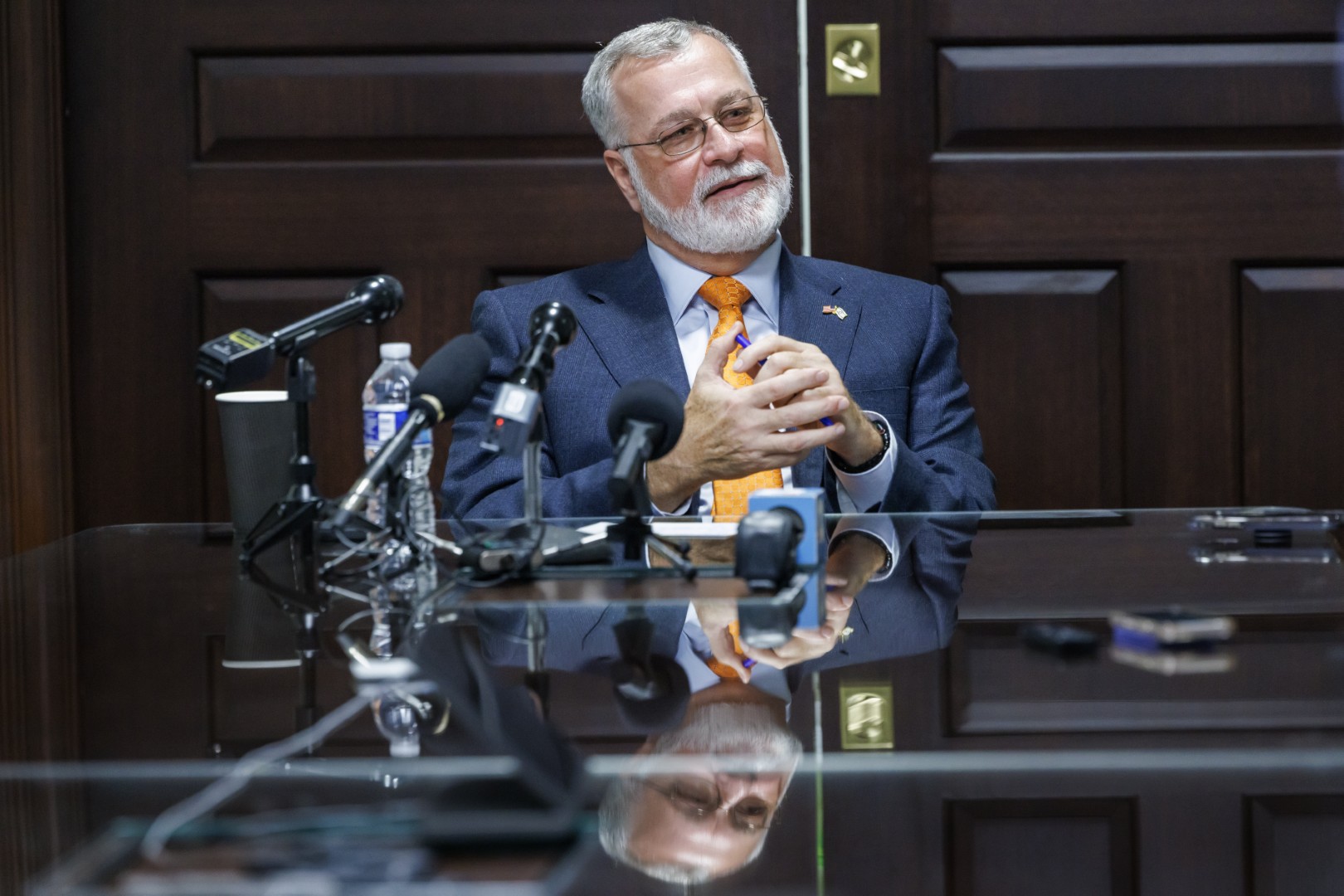
With eight proposals on eliminating or cutting property taxes moving through the House and Gov. Ron DeSantis maintaining that none go far enough, many are looking more and more to the Senate for signs of what, if any, change could be coming.
As he’s done in months past, Senate President Ben Albritton is advocating for a cautious, unhurried approach.
“Honest to goodness, we’re still measuring,” Albritton told reporters Monday. “We’ve looked at the House proposals, and every one of those has a certain amount of cost to it and a certain amount of impact to Floridians.”
Albritton said that while the Senate is committed to delivering financial relief to Floridians in the form of property tax cuts or rollbacks, he and others in the chamber are cognizant that many core services at the local level stand to be adversely affected if it’s done carelessly.
“Every Floridian … depends on the fact that if they call 911, somebody comes to their place, somebody comes to help them,” he said. “We’ve got to be thoughtful about that.”
Asked whether the Governor has unilateral authority to redistribute funds derived from well-to-do counties like Miami-Dade, Broward, Palm Beach and Orange to 29 fiscally constrained, mostly rural counties — as DeSantis has proposed doing — Albritton’s answer was more definitive: “No.”
“The Florida Legislature (is) given the power to appropriate. The Governor is certainly the chief executive. He has the ability to veto or be supportive. He has, I would say, the ability and the opportunity to be able to share perspective in his budget request and when he lays out the budget,” he said.
“The opportunity to backfill lies in the Legislature.”
On the idea of cash-strapped counties asking the state for funding annually that they’d otherwise generate locally, Albritton said it’s “certainly a concern.”
“Do I love the idea? Of course not,” he said. “But I (believe) affordability is a challenge, and providing some relief in the property tax space is a great way to do that, and especially for (homesteaded) Floridians … that’s great.”

Albritton pushed back on the idea that eliminating property taxes would lead to a “gold rush” of wealthy transplants to the Sunshine State, stressing that he is “optimistic” about the prospect despite its potentially negative effects.
“But it’s not that simple,” he said. “And that’s one of the things that I’m finding in that here again: Don’t take down a fence until you know why it was put up.”


Wrestling Star ‘Mr. Electricity’ Steve Regal Dead at 73

James Fishback is registered to vote in 2 states. Does that make him ineligible for Governor?

Notre Dame has a right to be upset
-

 Politics8 years ago
Congress rolls out ‘Better Deal,’ new economic agenda
-
Entertainment8 years ago
New Season 8 Walking Dead trailer flashes forward in time
-
Politics8 years ago
Poll: Virginia governor’s race in dead heat
-
Entertainment8 years ago
The final 6 ‘Game of Thrones’ episodes might feel like a full season
-
Entertainment8 years ago
Meet Superman’s grandfather in new trailer for Krypton
-
Politics8 years ago
Illinois’ financial crisis could bring the state to a halt
-
Business8 years ago
6 Stunning new co-working spaces around the globe
-
Tech8 years ago
Hulu hires Google marketing veteran Kelly Campbell as CMO