
Politics
The present federal threat of kratom ‘panic policy’
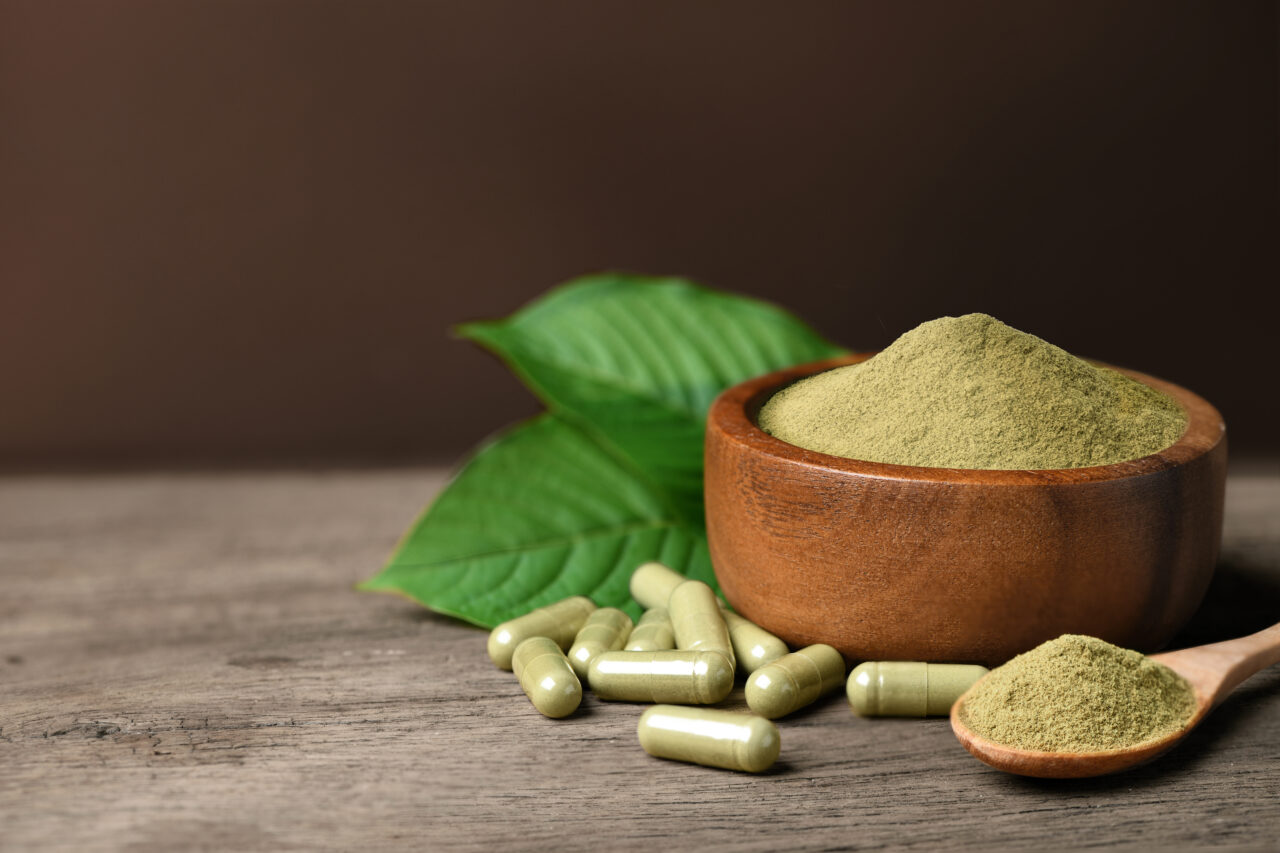
The lesson of the 2016 fight to keep kratom off the DEA’s scheduling list was that federal agencies cannot ignore science and invoke “public health” without evidence. The kneejerk response to emergency-scheduling of kratom and its key alkaloids was based in fear and not facts, and consumer sentiment and activism eventually turned the tide.
Today, the kratom alkaloid known as 7-hydroxymitragynine (7-OH) faces a similar battle. 7-OH is a naturally occurring kratom alkaloid and a metabolite formed in the body after kratom consumption. Many Americans use 7-OH for the same reasons as kratom, whether that be managing chronic pain, anxiety, or opioid use disorder.
Last summer, the FDA recommended Schedule I status for 7-OH citing many of the same charges that were once levied against plant-based kratom. While the instinct to regulate is an appropriate one, the tool of prohibition is a costly one.
Over the last year, 7-OH products have exploded in popularity, and are often sold in stores and online without state regulation. The FDA’s own statements on this market have repeatedly emphasized that it plans a crackdown on 7-OH products, rather than “natural leaf kratom,” which further muddies the waters and invites states and localities to make similar mistakes.
Last year, officials in Los Angeles County made headlines by claiming that a handful of overdose death victims died because of concentrated or synthetic 7‑OH products in their system, but alongside lethal amounts of alcohol and other depressants.
Attributing the deaths to 7-OH — rather than the other more dangerous substances — may be scientifically unsupported, but it was seized upon by public officials. Rather than order additional toxicological screens or scientific analyses on which substances were more prevalent, the county moved to ban kratom and 7‑OH outright.
Officials noted that these products were unregulated and contained unknown 7‑OH concentrations, meaning prohibition arrived after a failure to impose basic regulatory standards like labeling and potency limits.
Similar local bans and age-based restrictions are spreading in counties and states, with Florida enacting one of the most stringent bans in the country, creating a patchwork that only serves to confuse consumers and encourages gray market products.
In July 2025, the FDA urged the DEA to classify 7-OH as Schedule I, labeling it a far more dangerous substance than heroin and stronger than morphine.
Rather than creating a consumer safety framework with appropriate age restrictions, potency limits or test requirements, Schedule I would make 7-OH entirely illegal to buy, sell, or study — foreclosing the very research that could establish safe use guidelines.

Criminalizing a compound found naturally in kratom risks driving the entire kratom supply underground, making products less safe and more dangerous for consumers.
As overdose deaths continue to rise, banning 7-OH distracts from real solutions. Synthetic opioids like fentanyl remain the primary driver of US overdoses, far eclipsing kratom or 7-OH in both scale and lethality. If we remove lower-risk alternatives to opioids, then we risk directing Americans toward the most lethal supply chains.
Resources spent on policing and prosecuting 7-OH will not be spent on evidence-based interventions like medication-assisted treatment, safe supply models, and targeted fentanyl response efforts.
Researchers writing in the journal Frontiers in Pharmacology have noted that there is not yet a strong signal of widespread severe events from either kratom or 7-OH compared with major drivers of overdose. The lack of evidence for a nationwide ban should be enough to elicit questions.
There is a smarter path to deal with novel substances like 7-OH.
If we want to better regulate and control kratom, 7-OH, plus all the derivatives showing up on shelves, we need to develop clear and effective rules, much like we do with alcohol, tobacco, and even cannabis in states where it is legal.
Lawmakers should regulate the product category with adequate safeguards we expect for all products on the shelves: potency limits, mandatory labeling, age restrictions, testing, screening for contaminants, safe packaging, and aggressive enforcement by FDA or any other agency against any and all bad actors.
Limiting debate and the collection of evidence at either the federal or state level deprives consumers and citizens of meaningful engagement on products they may use and need.
The path of prohibition, currently the only option entertained by state and federal officials, has failed us countless times before. The lessons of the 2016 attempted ban on kratom should be instructive for us now.
With smart policies and targeted regulation of these compounds and products, we will have the tools and education necessary to protect consumers now and tomorrow. However, without it, we will once again fall into the generational trap of prohibition, depriving Americans of choice and leaving them more vulnerable as a result, still subject to chronic pain, trapped in an opioid addiction spiral, and cut off from products that work for them.
___
Yaël Ossowski is deputy director at the Consumer Choice Center.