
Politics
Takeaways from Tallahassee — FSU art for animals
Florida State University shared some exciting — one might even say wild — news this week.
The FSU Department of Art, part of the College of Fine Arts, recently took its talents about 2.5 hours east to the Jacksonville Zoo and Botanical Gardens. Students hand-delivered interactive toys they designed for the zoo’s animals as part of their “Interspecies Sculpture Studio” course, projects created for a grade with real-world impact.
The goal of the course was to have students explore the intersection of art and zoology — and how creative work can matter far beyond a gallery, studio or easel.
“Projects like this show how creative thinking and hands-on learning can connect people and institutions in ways that make a real difference. It’s about building bridges — between art and science, students and professionals, and the university and the broader community,” said Rob Duarte, an FSU associate professor and MFA program director who leads the course.
Students worked closely with the Toys for Animals initiative, a program launched by Handshouse Studio. This Massachusetts-based nonprofit has, since 2010, partnered with universities to deliver enrichment projects for animals in zoos and sanctuaries worldwide. Through that collaboration, FSU students gained hands-on experience in teamwork, creativity and problem-solving — all with real-world implications for animals and the professionals who care for them.

“The creativity behind the design for these items and the quality of the products they were able to produce was far above my expectations. These students being able to come in, bring a fresh set of eyes, the time and the tools to create all of these things is really awesome,” said Danielle Minkus, senior Bird Keeper at the Jacksonville Zoo and Botanical Gardens.
To ensure the highest-quality results, the class worked alongside veterinarians, zookeepers and zoo staff to understand each species’ behaviors, quirks and needs. The goal was to design toys explicitly tailored to each animal. Species selected for the project included giraffes, Komodo dragons, and various birds.
“It’s very, very rare that our clients are 10-foot-tall animals. We designed a barrel with holes arranged in a giraffe pattern, with two layers that force the giraffes to stretch their tongues and exercise their mouth muscles more than they typically would in captivity,” said Kate Casey, a senior dual-degree studio art and theater student.
Students tested their designs and sourced safe materials through the FSU Innovation Hub, a collaborative workspace open to on-campus students. Once complete, the class traveled to the Jacksonville zoo, where final adjustments were made with zoo staff as needed.
“Having others interested in helping us improve the well-being of our animals is really invaluable. At the end of the day, everyone’s goal is for these animals to live their best lives and having the university help with that is just incredible,” said Alexis Hart, Applied Animal Wellbeing Officer at the Jacksonville Zoo and Botanical Gardens.

So the next time you’re at the Jacksonville zoo with the kids and see giraffes playing with a unique toy, know it was made possible by some enthusiastic Seminoles with a love for art and animals.
“I think this class honestly taught me about career paths that I didn’t even know existed. There’s so much research to be done in animal enrichment and interdisciplinary studies, and how that connects to art and design — that’s a link I’d never made before,” Casey said.
FSU may be known for party animals, but this time it’s the real ones — and the Noles are making their lives a little better.
___
Coming up, the usual assortment of news, intel, and observations from the week that was in Florida’s capital city by Peter Schorsch, Drew Wilson, Drew Dixon, Liam Fineout and the staff of Florida Politics.
But first, the “Takeaway 5” — the Top 5 stories from the week that was:
— Take 5 —
Surprise, surprise — Florida’s congressional redistricting to address supposedly “malapportioned” districts will come after the Regular Session ends, Gov. Ron DeSantis announced this week. The redistricting Session is set to convene at noon on April 20 and adjourn by the end of that week, with a narrowly tailored agenda: produce a new congressional map and set aside money to defend it in court. This April timetable aligns with DeSantis’ repeated assertions that he expects redistricting “this Spring,” a move that could further cement GOP dominance of the congressional delegation and help maintain a Republican U.S. House next year.
But wait, there’s more — During the same announcement, DeSantis said another Special Session may be in the works to develop a ballot initiative on eliminating property taxes that can actually pass muster with voters. DeSantis says clear and simple language is necessary to achieve the 60% support needed to amend Florida’s Constitution. And it may not be possible to get that during the hurly-burly of the 60-day Legislative Session that starts next week. The Governor also said that a unified, clear product would benefit Republicans politically in November, saying it would “get people to be excited about voting.” The House currently has several proposals moving through the process. But DeSantis doubts the Senate will pass them and says that even if it did, the process would be more perilous.
He wasn’t kidding — Rep. Kevin Steele this week reached into his pocket to put $5 million into his statewide campaign for Chief Financial Officer. The Dade City Republican, who is challenging appointed incumbent Chief Financial Officer Blaise Ingoglia, said he’s willing to put a significant chunk of skin in the game as he runs. DeSantis appointed Ingoglia in July and has the Governor’s endorsement for a full term, but Steele entered the race at the encouragement of President Donald Trump’s political team. He also enjoys the support of U.S. Sen. Rick Scott. Steele, who so far has held back from running an intensely negative campaign, has said he would take a different approach to reducing spending than Ingoglia.
Case closed(ish) — Former Florida Coalition Against Domestic Violence CEO Tiffany Carr has agreed to a negotiated plea that would spare her prison time in exchange for cooperation with state prosecutors, including testifying against a co-defendant, former FCADV Chief Financial Officer Patricia Duarte, later this month. Carr and Duarte were accused of submitting false quarterly reports, billing the state for vacant positions and charging for services that were never provided. The plea comes five years after Florida ended its contract with FCADV, a nonprofit established by the state and tasked with distributing state and federal grants to Florida’s 42 domestic violence shelters. DeSantis dissolved the organization in a 2021 executive order.
One in, one out — As first reported by Florida Politics, Rep. Johanna López said she is not running for re-election to the House but is turning her sights on the Orange County Board of Commissioners instead. López said she had long eyed the Orange County Commission but saw the opportunity to run now, as District 4 is an open race, and she could avoid challenging an incumbent. Alongside her HD 43 exit announcement, López endorsed Orange County Democratic Chair Samuel Vilchez Santiago as her successor. Santiago has led the county party for three years and helped flip seven local seats. He told Florida Politics he’s ready for his next challenge: “All the work that we’ve been doing out in the community to win elections and to shape local politics will obviously come in handy as we get to this state House race.”

— Operation Tidal Wave —
This week, DeSantis announced that “Operation Tidal Wave” has successfully concluded, resulting in more than 10,000 arrests of illegal residents. The operation showcases Florida’s commitment to working with U.S. Immigration and Customs Enforcement (ICE) to protect Florida citizens.
“Since Operation Tidal Wave launched eight months ago, Florida law enforcement agencies have arrested more than 10,400 illegal aliens and worked with federal partners to remove them from our state and country,” said DeSantis. “This is the largest joint immigration enforcement operation in ICE’s history, and we’re proud that it will continue here in Florida.”
Of those arrested, 3,435 are from Guatemala, 3,331 from Mexico, 1,353 from Honduras, 312 from El Salvador, 312 from Venezuela and 1,249 from various other countries.
The Sheriff’s Offices that played a significant role in supporting the operation and ICE included Alachua County, Baker County, Bradford County, Brevard County, Clay County, Hernando County, Hillsborough County, Indian River County, Orange County, Pinellas County, St. Johns County, Sumter County and Volusia County.

“Florida’s immigration enforcement efforts are delivering real results to the people of our state. Operation Tidal Wave is a prime example of those efforts, with more than 10,000 arrests made, marking a major milestone to protect public safety and uphold the rule of law,” said Florida Commissioner of Agriculture Wilton Simpson.
“Through our first-in-the-nation 287(g) partnerships, Florida is working hand in hand with the federal government to ensure that individuals in our country illegally — especially those with serious criminal convictions — are identified, detained and processed appropriately.”
Federal, state and local law-enforcement agencies collaborated to conduct Operation Tidal Wave. ICE Homeland Security Investigations, U.S. Customs and Border Protection, the FBI, the DEA, the and the U.S. Marshals Service all assisted at the federal level.
“We are a country of laws, and Florida is and always will be a law-and-order state. We will never apologize for doing anything in our power to make sure Floridians are safe,” said Florida State Board of Immigration Enforcement Director Anthony Coker.
— A Milly —
It hasn’t been the best week for immigration enforcement at the national level, but that didn’t stop the state’s Chief Financial Officer from making the rounds, despite the optics.
This week, CFO Blaise Ingoglia stopped by the Seminole County Sheriff’s Office to personally present Sheriff Dennis Lemma with more than $1 million to support immigration enforcement efforts. The State Board of Immigration Enforcement provided the funding.

“Florida has continued to be the gold standard for immigration enforcement in our country, thanks to the hard work of our local and federal law-enforcement partners. Because of the work of our law-enforcement agencies, criminal illegal aliens are being taken off our streets and Florida families are safer,” said Ingoglia.
Under the 287(g) agreement under the Immigration and Nationality Act, state and local law-enforcement agencies may partner with federal authorities, including ICE. Local agencies can also apply for reimbursement for immigration enforcement activities through funding provided by the State Board of Immigration Enforcement.
“With the support of the State of Florida, the State Board of Immigration Enforcement, and our continued collaboration with our federal partners, we have the critical financial resources and operational capacity necessary to identify and remove criminal aliens who deliberately bypass the immigration process, ignore our laws, and threaten the safety of our community,” said Lemma.
“These funds are not only deeply appreciated but also vital to ensuring that our deputies have the tools, training, and support required to carry out their duties with diligence and professionalism.”

— Instagram of the week —

— Clear the way —
Don’t be a road hog — especially in an emergency. That’s the message from the Florida Department of Highway Safety and Motor Vehicles (DHSMV) and the Florida Highway Patrol (FHP).
Both agencies are reminding drivers that January is “Move Over Month.” The awareness campaign is designed to remind motorists that Florida law requires vehicles to move over from outside lanes when emergency, service, or utility vehicles are responding to a scene. Drivers must move into an inside lane or slow down to 20 mph below the posted speed limit if moving over is not possible. The Move Over Act has been law in Florida since 2002.

“Unfortunately, over the years, we have seen many State Troopers, other law-enforcement officers, and service professionals injured or killed by someone not giving them the room to work,” said DHSMV Executive Director Dave Kerner.
“These are preventable crashes that not only take our officers away from their families but also take members of our communities who gave freely to make Florida a safer place to live and travel. Please remember to slow down and move over. Lives depend on it.”
As of Jan. 1, the Florida Move Over Act has been expanded to include vehicles parked on the side of the road with hazard lights flashing, emergency flares or visible emergency signs, as well as disabled cars with flat tires.
— Rearview mirror —
As 2026 warms its way into our hearts and minds — and muscle memory while writing or typing — the start of the year is always an appropriate time to look back at what was accomplished in the year prior or even what was squandered.
This week, the FLHSMV and its FHP division did just that.
With more than 1,600 FLHSMV personnel and nearly 2,000 State Troopers, it takes a significant amount of effort to serve and protect Florida’s 23 million residents and 143 million visitors. But this past year was all about maintaining law-and-order (DUN-DUN) for the many Americans who call Florida home.

“The Florida Department of Highway Safety and Motor Vehicles and the Florida Highway Patrol have had an unprecedented year, one that will leave a lasting impact on Floridians and visitors alike,” said Kerner.
Highlights from the year included entering into a memorandum of agreement with ICE, apprehending more than 7,000 illegal residents, providing pay raises for law-enforcement officers, assisting Miami and Panama City with Spring Break activities, implementing the Desk Trooper Program, and launching the Verification of Lawful Status (VLS)/Temporary Protected Status (TPS) program, among other accomplishments.
“We are protecting families, preserving law-and-order and upholding the values that make Florida strong. As we look ahead, we remain committed to building on these achievements, strengthening collaboration with our partners, and ensuring that Florida’s highways remain safe, secure, and welcoming for all,” Kerner said.

— DEP celebrates 2025 —
DEP also rolled back the tape on 2025 to revisit what was accomplished. After all, that’s what the Oscars do in the early stretch of the year, right?
This week, the Florida Department of Environmental Protection (DEP) and Secretary Alexis Lambert reflected on the work accomplished last year — from Everglades projects to conserving working lands — 2025 was a busy one.
“Florida’s environment is not separate from our economy; it is the foundation of it,” Lambert said. “Florida has made strategic, forward-thinking investments that protect our air, water, and land while ensuring Florida remains a place where both communities and commerce can thrive. I look forward to working with the Governor and the Florida Legislature in the coming year to continue turning Florida’s environmental commitments into measurable results.”
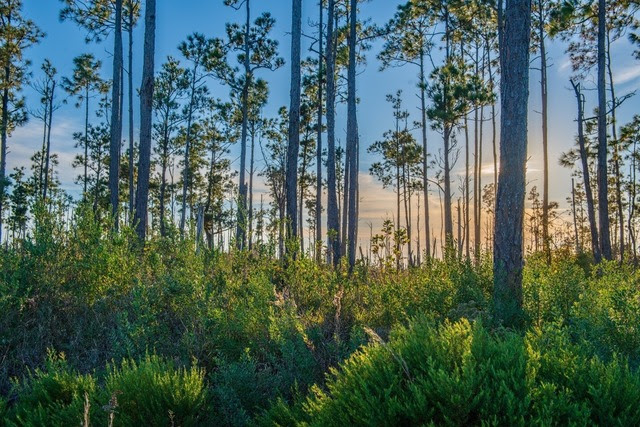
Among the major accomplishments was the completion of the 10,000-acre Caloosahatchee (C-43) Reservoir, which is set to deliver clean water across the Tamiami Trail and into Florida Bay.
The year also marked the 200th conservation easement completed through the Florida Forever program, bringing the total to nearly 400,000 acres of working farms protected from private development. It also coincided with the program’s 25th anniversary.
And when it comes to rankings, Florida landed two beaches on the “Beach’s Top 10 Beaches List for 2025.” Delnor-Wiggins Pass State Park in Naples came in at No. 4, while St. Andrews State Park in Panama City ranked No. 7. The list of accomplishments goes on, but those were some of the standouts.
Here’s hoping 2026 proves to be an even better year for Florida’s environment.
— FloridaCommerce FTW —
FloridaCommerce joined the rest of the class in taking one more look back at 2025 this week, highlighting its accomplishments from the past year, including Florida’s ranking as the top economy in the nation for the third consecutive year by CNBC. Florida’s annual GDP now stands at roughly $1.8 trillion, representing a 65% increase since 2019.
“In 2025, Florida strengthened its position as the most business-friendly state in the nation — supporting small and emerging businesses, accelerating growth in key industries, expanding workforce training, and reinforcing our role as an international hub for investment and innovation,” said Florida Secretary of Commerce J. Alex Kelly.
“Creating an environment where job creators and job seekers can thrive in the Free State of Florida.”
Highlights from the year included DeSantis welcoming SpaceX’s Starship operations to Florida, the full repeal of the business rent tax and the creation of law-enforcement recruitment bonus programs.
“By aligning resources with statewide initiatives and enhancing services across our network, we’re ensuring that job seekers and businesses have the tools and support they need to thrive. We are grateful for the leadership of Governor DeSantis and our dedicated Board of Directors, whose vision and guidance make these accomplishments possible,” said CareerSource Florida President and CEO Adrienne Johnston.
FloridaCommerce also pointed to international outreach efforts, including participation in the Paris Air Show, to showcase Florida’s growing role as a global hub for aerospace and aviation.

— Wastewater info —
Water is essential to Florida — even the dirty kind — and what we do with it.
This week, Rep. Lindsay Cross and Senate Minority Leader Lori Berman filed HB 1167 and SB 1468, respectively, for the 2026 Legislative Session to address wastewater infrastructure needs across Florida.
“Our environment and economy depend on clean water, yet aging sewage facilities continue to threaten our resources. By requiring annual reports on treatment levels and infrastructure health, SB 1468 allows us to prioritize the most urgent upgrades and ensure a sustainable future for Florida,” Berman said.
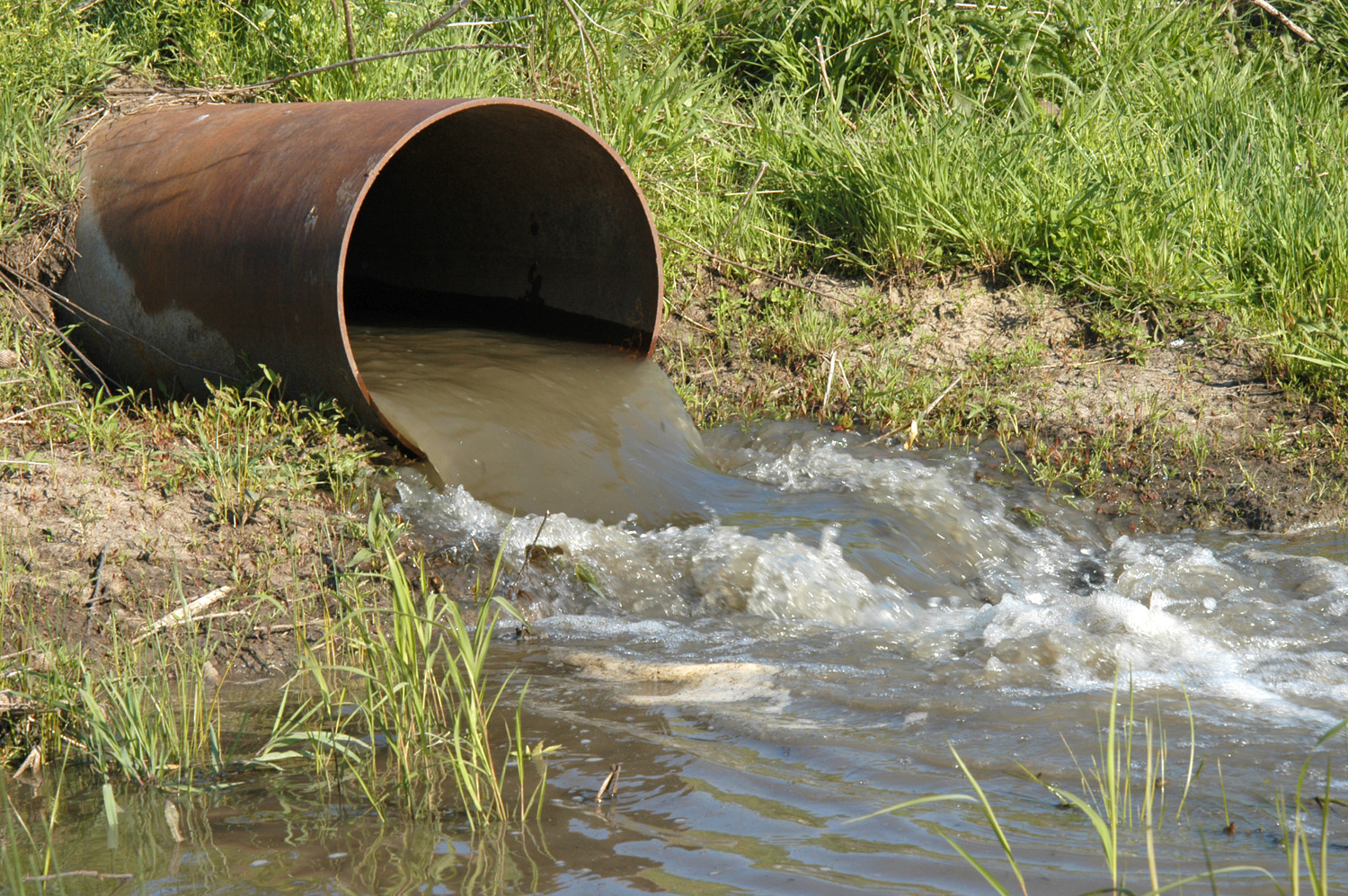
Due to inadequate sewage and stormwater infrastructure across the state, water quality continues to degrade. If passed, the legislation would require wastewater facilities to submit data to the Florida Department of Environmental Protection, which would then be made public. Required reporting would include pollution treatment levels, including nitrogen, phosphorus, PFAS and other contaminants.
“All Floridians deserve clean water regardless of their ZIP code. Unfortunately, the patchwork of water quality policies in Florida means that wastewater is treated to different standards throughout the state. This bill will empower lawmakers with comprehensive data to make better decisions about water quality improvements and where to invest scarce resources to clean up our water. And it provides the public with better accountability of where their money is going,” Cross said.
Supporters say making the reports public would help the state better identify needs and develop targeted plans to modernize wastewater treatment facilities by using consistent data.
“Florida continues to be burdened by our aging and inadequate wastewater infrastructure, causing water quality issues throughout our state. We must prioritize investments that bring us into the 21st century. We are encouraged by this bill, which will have support in communities across the state,” said Tampa Bay Waterkeeper Executive Director Justin Tramble.
“As Floridians, we’ve all seen firsthand the devastating impact of raw sewage dumped into our rivers and bays time and time again. Now is the time to prioritize fixing this. Our water is just too important to do anything less.”
— The Third Man —
Transparency is key in all areas of life — except for a few things we probably don’t want to see too closely, like how the sausage gets made. But when it comes to kids, crystal-clear communication and accountability are the expectation. The bar is not high. It’s basic.
In a rare display of bipartisanship, Sen. Keith Truenow and Rep. Johanna López this week filed SB 1008 and HB 867, respectively, to strengthen transparency and oversight for student support services operating in Florida’s K-12 public schools. SB 1008 and HB 857 address potential gaps in communication and oversight involving third-party organizations — such as counselors, coaches and tutors — that work with students.

“Parents deserve to know who is working with their children, how programs operate, and whether proper safeguards are in place. This bill puts common-sense standards in place around student support services so families can make informed decisions and schools can ensure students are safe while participating in these programs,” López said.
SB 1008 and HB 857 would also require Level 2 background screenings for all individuals working with students in third-party school programs, including counseling, tutoring, sports and clubs. The intent is to establish clear expectations for parents regarding appropriate mentorship and interactions with their children. Knowledge is power.
“This bill is a good first step to ensuring that third-party mentor programs have a basic level of accountability and fairness. We should expect nothing less for our children. The bills being proposed by Representative López and myself are long overdue,” Truenow said.
On the technology side of transparency, schools would also be required to post clear and accessible information on their websites detailing all third-party programs offered if the legislation passes. The measure would take effect July 1, 2026.
— Change a coming? —
It’s time to streamline and modernize. Adapt or move over. And yes, that apparently applies to bureaucracy as well.
This week, Sen. Tina Polsky and Rep. Dan Daley announced they are filing SB 1450 and HB 1199, respectively, to transfer the Division of the Florida Highway Patrol (FHP) and the Office of Commercial Vehicle Enforcement from FLHSMV to the Florida Department of Law Enforcement (FDLE).
The goal is to modernize Florida’s transportation law-enforcement structure by consolidating statewide operations under FDLE while ensuring FHP maintains its authority, purpose and identity.

“Florida’s law-enforcement structure should be organized around public safety and services, not outdated bureaucracy. By moving the Highway Patrol and Commercial Vehicle Enforcement to FDLE, we are strengthening coordination, improving accountability, and ensuring critical public safety and licensing functions are led by experienced law-enforcement professionals,” Polsky said.
The legislation would also require updates throughout the Florida Statutes to ensure continuity of traffic enforcement and public safety operations. In addition, it would require the Executive Director of FLHSMV to be appointed by the Governor and confirmed by the Senate.
“Floridians deserve a government that works, not excuses. The Division of Highway Safety and Motor Vehicles is supposed to do two basic things: provide efficient licensing services and ensure public safety through its oversight of the Florida Highway Patrol. Right now, it is failing at both,” Daley said.
“Despite shifting much of the licensing process to county tax collectors, wait times remain unacceptable while agency leadership continues to claim success that simply isn’t reflected on the ground. This bill restores accountability by requiring Senate confirmation of the Division Director and strengthens public safety by moving the FHP under the FDLE, where law-enforcement oversight, training and accountability belong.
“When performance doesn’t match reality, oversight isn’t political — it’s imperative.”
— Hard time —
State Rep. Berny Jacques is sponsoring a bill for the upcoming Legislative Session that would increase penalties for possession of child pornography.
Jacques’ bill (HB 1159) proposes that anyone who possesses more than 10 files of pornographic material involving a minor would face a mandatory prison sentence of at least five years, up to 15 years, depending on whether the offense is classified as a second-degree or third-degree felony.
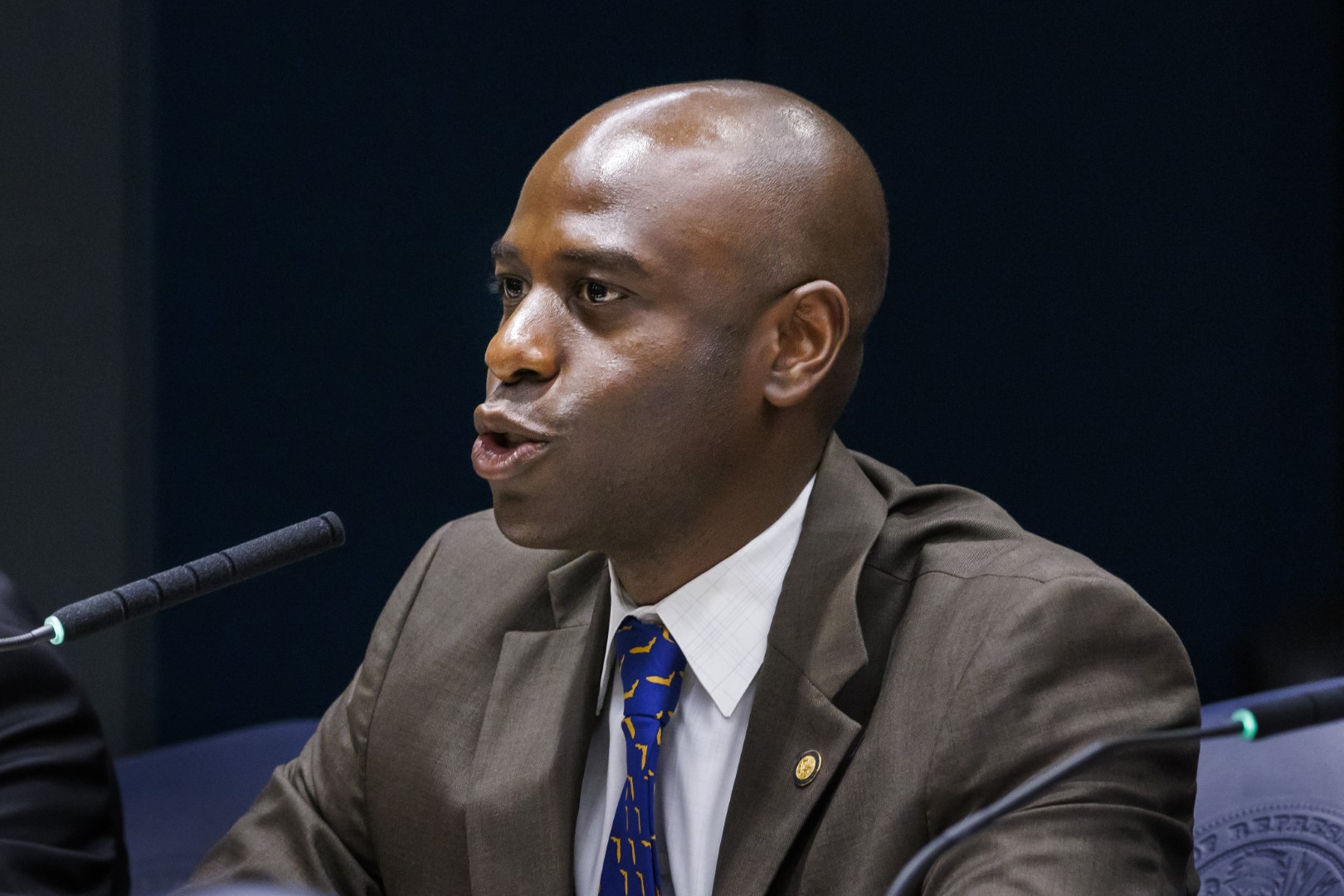
The bill would also redefine “child” to include “persons whose identities are unknown or appear to be younger than 18 years of age,” according to a news release from Jacques’ office. Jacques is a Clearwater Republican.
In addition, the proposal would mandate a minimum 15-year prison sentence for anyone convicted of knowingly using a child for a sexual performance, increasing to 25 years if the offense is classified as aggravated use of a child.
The bill also proposes increased penalties for generating and distributing child pornography, as well as for those convicted of sexual acts with animals.
“It is imperative that we protect our most vulnerable against the most heinous crimes imaginable,” said Jacques.

— Revolving door —
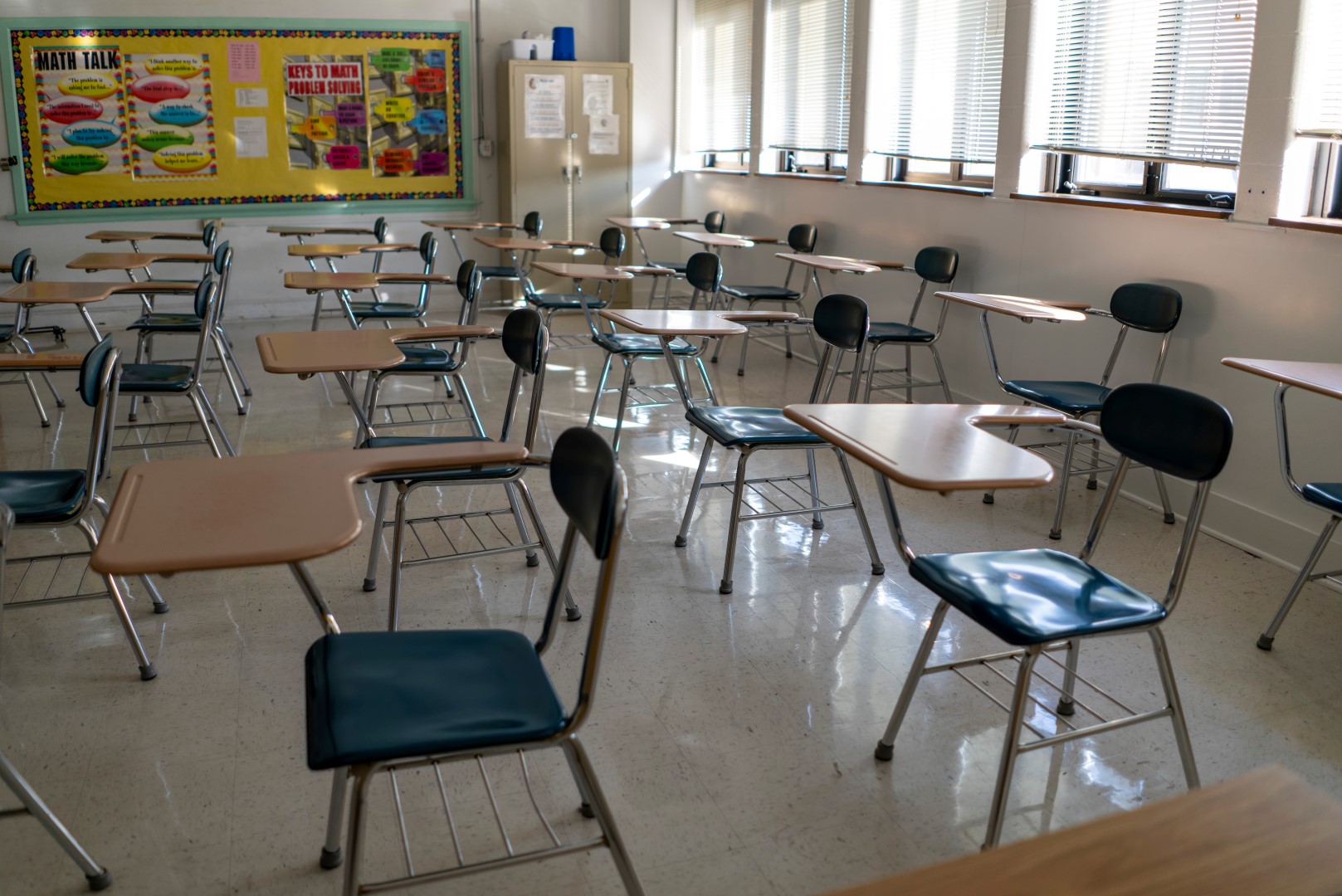
Florida’s public schools are entering the second half of the academic year with thousands of unfilled positions, according to newly released teacher and staff vacancy data.
The latest figures show an increase in vacancies since August 2025, leaving districts statewide short of bus drivers, paraprofessionals, custodial staff, cafeteria workers and classroom teachers. By midyear, most positions are typically filled, but vacancies persist well into January, a trend advocates say reflects roles districts are struggling to fill.
Turnover remains high. Statewide data shows that 31% of teachers last year had fewer than four years of experience, a statistic education leaders cite as evidence of a system marked by constant churn rather than stability.
The Florida Education Association argues staffing shortages persist despite declining public-school enrollment, which it links to rising living costs, the state’s voucher program and policies affecting migrant communities. Even with fewer students enrolled, districts continue to report widespread vacancies, raising concerns about educator retention.
While some vacancy totals have declined year over year, the teacher union said those reductions are mainly attributable to budget cuts and the elimination of positions, not to sustained improvements.
Advocates also contend that some districts may temporarily fill positions with uncertified substitutes and leave vacancies unadvertised, masking the true scope of staffing challenges.
“While the Commissioner of Education will likely try to rewrite the facts, the truth is, if even one child walks into a classroom this semester without a permanent, certified educator, that is one too many,” FEA President Andrew Spar said.
“It’s unacceptable for students to cycle through four or five different teachers in a single year, because consistency is key to student success. Yet, between the micromanagement of classrooms, overbearing regulations, and Florida ranking 50th in average teacher pay, our educators and education staff professionals are being chased out of the profession.”
— Housing group scores —
The Florida Housing Finance Corp. is heading into 2026 with a sense of satisfaction, noting significant gains over the past year.
The affordable housing advocacy group is recapping its 2025 successes and there are plenty. In a news release, Florida Housing officials highlighted that for the seventh consecutive year, Gov. DeSantis approved approximately $435 million in appropriations for the organization. The funding was included in the 2025-26 fiscal budget and is intended to help ensure safe and affordable housing for Florida families.

That funding includes $71.2 million for apartment incentive loan programs, $150 million for local components of those programs, $163.8 million for the State Housing Initiatives Program, which encourages partnerships between local governments and developers and $50 million for the Florida Hometown Heroes program. The latter assists first-time homebuyers working in fields such as law enforcement, first response, education, child care, active military service and veterans’ services.
In addition to major legislative appropriations, Florida Housing cited multiple other accomplishments in 2025, including tax credits and homebuyer loan programs, according to the release.
— Kutak and Tally Lawyers, Rock —
Big news in the Tallahassee legal scene: Kutak Rock, a national law firm with 21 offices across 14 states and Washington, D.C., and more than 550 attorneys serving commercial and government clients, announced that two Tallahassee-based attorneys have been elected to the firm’s partnership: Ryan Durgan and Michele Rigoni. Applause all-around for the 850-lawyer operation.
Durgan is known for counseling special districts in Florida on district operations and governance, including infrastructure financing, contracts, public procurement of goods and services, ethics, public records and open meetings.

He also advises landowners and developers on the formation of special districts and infrastructure financing.
Rigoni has extensive experience counseling special districts, landowners, developers and related parties on special district formation and governance, public financing and infrastructure construction, and land development.
In addition, Rigoni advises Florida districts on a wide range of matters, including contracts, real property, public procurement of goods and services, ethics, public records and open meetings.
Kutak Rock emphasizes a client-first approach and delivering excellence by understanding the full scope of client needs. By that measure, Durgan and Rigoni have clearly earned their new roles.

— Big Bend expands —
Saying goodbye to a loved one is never easy. For decades, Floridians in North Florida have relied on the compassionate care provided by Big Bend Hospice — and the nonprofit is heading into 2026 with big news.
This week, the organization that has served the Big Bend region since 1983 announced it will expand its end-of-life care services to Jackson, Calhoun and Gulf counties.
The expansion marks the first step toward a longer-term goal of providing care to individuals and families throughout this part of the state.

“Our teams have already begun building relationships with providers, facilities and community partners to better understand the unique needs of each community and to ensure the introduction of BBH services is thoughtful, seamless, and rooted in compassion,” said Bill Wertman, CEO of Big Bend Hospice.
End-of-life care options can be limited for Floridians living in more rural areas. During an already stressful and emotionally charged time for friends and families, navigating care for loved ones can be especially difficult.
That’s where Big Bend Hospice steps in, bringing more than 40 years of experience supporting patients and families through moments centered on comfort, dignity and compassion. The organization says it is eager to extend that care to communities in need across North Florida.
— FAMU storyteller makes CBS —
Everyone in Florida knows the strength of Florida A&M University’s School of Journalism & Graphic Communication (SJGC). This week reinforces why.
This week, FAMU announced that student journalist and multimedia storyteller Jonathan Charles had one of his stories selected by KFF (formerly the Kaiser Family Foundation). The piece was then distributed nationally by CBS News, a frequent KFF media partner.
“When I found out CBS was running the story; my mind was blown. I literally Googled my name and saw it pop up. That moment made me feel like I’d found my niche,” Charles said.

Charles, a Haitian American and first-generation college student from Broward County, credits his success to coursework and student organizations at FAMU, including SJGC and student media outlets such as Journey Magazine, The FAMUAN and 90.5 FM, the university’s student radio station.
“Working in those spaces helped me understand the industry and sharpen my skills. Every environment pushed me to grow in a different direction,” he said.
FAMU SJGC professor Clarence Fowler, who taught Charles in visual storytelling courses, said the national exposure came as no surprise, noting Charles’ consistency and focus.
“When he’s locked into a story, he puts everything into it. He goes the extra mile to separate his work from what the average student might produce, and you can see that not only in his personal projects but also during his time as a digital content creator for the FAMU-FSU College of Engineering,” Fowler said.
When Charles isn’t reporting, he’s building his personal brand as a photographer and videographer. He is preparing to launch his portfolio website and is expected to graduate in Fall 2026.

— New crib —
Business is booming. And it has a new home.
This week, Florida State University kicked off 2026 with the grand opening of the Herbert Wertheim Center for Business Excellence.
The 218,000-square-foot, state-of-the-art facility near Gaines Street was made possible by a $65 million philanthropic investment from Herbert Wertheim, a billionaire optometrist, inventor, and founder of Brain Power Incorporated, the world’s largest optical tint manufacturer. Wertheim was on hand for the ribbon-cutting.
“I am standing here in front of all of you to say, ‘Thank you to America.’ (Thank you) for allowing me to have this opportunity to give back. It’s not the finances; it’s not the money. It’s my heart that I give you. And education has made the difference in my life,” Wertheim said.

The building is now the largest academic facility on FSU’s Tallahassee campus. Construction began in October 2022, following more than a decade of efforts to secure funding for a new facility. The College of Business had been housed in the Rovetta Business Building and Annex since 1958 and 1984, respectively and had outgrown those spaces. With an estimated 10,000 students expected to pass through the building during the Spring semester, the timing proved right for a new home.
“We are thrilled to launch this new semester by letting our students and faculty experience the absolute grandeur of the Wertheim Center — named for someone who is the quintessential example of the American Dream,” said FSU President Richard McCullough.
The College of Business is celebrating its 75th anniversary this year, was recently named a top 10 “Best College for Business in America” by Niche and has officially opened its new home. Needless to say, it’s been a big year.
“This is our legacy. This is our home. And together, we have laid the foundation for generations of students to dream, achieve and lead, and we’re going to proudly do so as the world-renowned Herbert Wertheim College of Business,” said Dean Michael Hartline.
If you’ve ever thought about earning a business degree — or already have an undergraduate degree from FSU — now might be the perfect time to check out the new crib and apply.
— Running greatness in 850 —
If you’re reading this in time, there may still be a chance to witness literal greatness — and literal Olympians.
Today, the World Athletics Cross Country Championships are taking place at Apalachee Regional Park. The world’s best runners from the United States, Kenya, Uganda, Ethiopia, Spain, Great Britain, and beyond are competing across five championship races before an international audience. Roughly 450 of the world’s top athletes are racing right here in the capital.
“Leon County is proud to welcome the world to Apalachee Regional Park for the World Athletics Cross Country Championships. With hundreds of elite athletes from nearly 50 countries, this event will put Tallahassee-Leon County on the international stage and is expected to generate more than $4 million in local economic impact. We’re honored to host — and committed to delivering an exceptional experience for athletes, fans and our community,” said Leon County Commission Chair Christian Caban.

The world-renowned Florida A&M University Marching 100 will kick things off with the national anthem and perform throughout the event. A Fan Zone will also be open for spectators, featuring interactive games, food trucks, live music, photo booths, and a beer garden for those looking to enjoy the action and the atmosphere.
“Tallahassee stands ready to welcome the world for a truly historic event. Fans from near and far will experience world-class competition, unmatched energy, and the excitement of our destination in the spotlight on a global platform,” said Visit Tallahassee Executive Director Kerri Post.
Tickets are $10, with free admission for children 12 and under. Gates open at 7:45 a.m., and the championship race begins at 9:45 a.m. What are you waiting for?
— Is This Primate Migration? —
It’s been a minute, but welcome back to the movie rundown. Time to return to the theater.
At the box office this weekend, James Cameron’s “Avatar: Fire and Ash” pulled in $41 million — and despite the haters, has now crossed $1 billion worldwide. “Zootopia 2” (or “Zootropolis” overseas) brought in $19 million for the animated sequel, while “The Housemaid” continued its thriller run with $15 million, pushing its global total past $120 million.
On to the new releases.
January is home to questionable horror drops, and this year’s entry is “Primate,” a film about a group of friends on vacation who are attacked by a pet monkey. Directed and co-written by Johannes Roberts (“47 Meters Down,” “The Strangers: Prey at Night”), the film stars Oscar-winner Troy Kotsur (“CODA,” “Black Rabbit”) and is (surprisingly) being received well so far. A 75% on Rotten Tomatoes, 6.2 on IMDb, and 2.9 on Letterboxd is solid given the premise. Horror fans may be in for a treat, and a sub-90-minute runtime doesn’t hurt.

Back in the COVID era — sorry for the flashback — “Greenland” emerged as a sleeper hit at the box office and on HBO Max. The disaster thriller starred Gerard Butler and Morena Baccarin and earned a warm critical reception. Success rarely goes unnoticed in Hollywood, even pandemic-era success, which brings us to “Greenland 2: Migration.” The full team returns, though reviews are mixed: 53% on Rotten Tomatoes, 6.0 on IMDb, and 2.8 on Letterboxd. Not terrible for a disaster survival sequel, and fans of the original will likely find enough to enjoy. Clocking in under 100 minutes also helps.
For those looking for something more prestigious than killer monkeys or end-of-the-world scenarios — which may feel a little too real — there’s Oscar buzz around “Is This Thing On?” Directed by Bradley Cooper and co-written by Cooper, Mark Chappell, and lead actor Will Arnett, the comedy-drama is based on a true story about a man navigating divorce through stand-up comedy. The cast includes Laura Dern, Andra Day, and Cooper. Reviews are strong: 85% on Rotten Tomatoes (88% audience score), 7.1 on IMDb, and a 3.5 on Letterboxd.
At home, the NFL playoffs are kicking off, so if you’re otherwise occupied, there’s still some solid TV returning.
“The Pitt,” the hyper-realistic ER drama told in a “24”-style format, is back for its second season, and critics are loving the premiere. Another Emmy may be in Noah Wyle’s future. It’s streaming on HBO Max.
After a decade, “The Night Manager” also returns, with Tom Hiddleston back in the lead. Season two currently holds a 95% on Rotten Tomatoes. If the spy thriller worked for you 10 years ago, it may be time to check back in. It’s streaming on Prime Video.
— Capitol Directions —

RON DESANTIS — Down arrow — That Special Session call was the legislative equivalent of popping the question at someone else’s wedding.
YOUR SUMMER PLANS — Down arrow — Maybe next year.
PAUL RENNER — Down arrow — ‘Kill baby kill’ is a hell of a fundraising look.
KEVIN STEELE — Up arrow — Talk is cheap. That deposit slip wasn’t.
JOHN GUARD — Down arrow — The Geiger counter is screaming so loud you can hear it in D.C.
TIFFANY CARR — Crossways arrow — She talks, she walks — but the bill’s still due.
BEN ALBRITTON — Up arrow — He’s acting like someone entrusted with responsibility, not a microphone.
KEITH TRUENOW, ADAM BOTANA — Up arrow — So, we’re finally done pretending the problem isn’t real?
RANDY MAGGARD — Down arrow — Apparently, clean water is negotiable.
CLAY YARBOROUGH — Up arrow — He’s not in Tally to play games, just regulate them.
FENTRICE DRISKELL — Up arrow — Someone round up the caucus and hand her a whiteboard.
JON MAPLES — Up arrow — ‘Hard work’ is code for ‘Complete and Total.’ Noted.
JOEL RUDMAN — Down arrow — A Doc Rock podcast sounds less appealing than a new Van Cherone album.
UWF — Down arrow — The fix was in. Are we allowed to say that out loud now?
FLORIDA CHAMBER OF COMMERCE — Up arrow — You can skip the Capitol. Everyone’s going to be at Turnbull.
WINTER HAVEN — Down arrow — Hypothetical problem, real crackdown.
LEON CO. CHARTER REVIEW PANEL — Down arrow — Might as well enshrine FAFO while they’re at it.
BARRY SHIELDS — Up arrow — Give the man some boots on the ground already.
ANHEUSER-BUSCH — Up arrow — This Bud’s for Jax.
BASCOM COMMUNICATIONS GROUP — Up arrow — Peanut butter meets chocolate, Tallahassee edition.
TIM NUNGESSER — Up arrow — After two promotions in 2025, “DC Tim’s” influence keeps growing at NFIB.
GEORGE K. RAHDERT — Halo — A sword for the First Amendment and a shield for journalists when it mattered most.