
Politics
Takeaways from Tallahassee — Aging anxieties

Floridians age 45 and older are increasingly anxious about their financial security, health care access and housing stability, according to AARP Florida’s newly released Vital Voices survey. The statewide report — conducted every three years to identify the top issues facing older residents — paints a picture of deepening economic strain and persistent uncertainty over the cost of living and future government support programs.
“This survey makes it clear: Floridians aged 45 and older are deeply concerned about their financial future,” said Jeff Johnson, AARP Florida State Director. “From the rising cost of living to the future of Social Security and Medicare, the issues that are vital to older adults are grounded in economic security and peace of mind. AARP Florida will continue fighting to ensure these priorities are protected — because Floridians deserve to age with dignity, stability and the financial security they’ve earned.”
Nearly all respondents — 93% — said that having adequate Social Security benefits and enough income to retire are “extremely” or “very important” concerns. Three out of four said they are worried about the future of the Social Security program and whether it will be able to continue paying full benefits. Those fears come as Florida’s 65-and-older population continues to grow faster than nearly any other age group in the state. Roughly one in five Floridians — more than 5 million people — currently receive Social Security benefits, and almost half of them rely on those payments for at least half of their income.
Health care access remains another source of unease. Respondents cited continuing anxiety over the affordability of prescription drugs and the long-term stability of Medicare, both of which they view as essential to maintaining health and independence in later life. But those concerns are just one part of a wider financial picture defined by inflation and higher costs across the board. Older Floridians reported growing strain from rising utility bills, transportation expenses and especially housing costs — including property taxes, insurance premiums and rent. In states where homeowners’ insurance averages more than $4,000 annually, affordability is a daily worry for those living on fixed incomes.
The survey also underscores how uniquely vulnerable Florida’s older residents are to natural disasters. While most respondents — 73% — said they have an emergency plan in place, confidence in their ability to recover after a storm was low. Only one in four said they felt “very confident” they could bounce back financially after a hurricane, while more than a third said they had little or no confidence. Insurance deductibles amplify that uncertainty: 80% of insured homeowners reported having a hurricane deductible before coverage begins, and nearly half said they were “extremely” or “very concerned” about being able to afford it. Among those without insurance, almost three in four said the cost was simply out of reach.

These overlapping pressures — high costs, fragile health security and climate risk — are shaping AARP Florida’s policy direction heading into the 2026 Legislative Session. The organization’s priorities center on protecting Social Security and Medicare, strengthening family caregiving support, and advancing measures to keep communities livable for older adults. AARP says those efforts are not just about comfort but about ensuring Floridians can age safely, independently and with financial peace of mind.
“The issues we’re hearing about aren’t abstract,” Johnson said. “They’re about real people who’ve worked their whole lives and just want to know they’ll be OK in the years ahead.”
The complete 2025 Vital Voices survey can be viewed on AARP Florida’s website.
___
Coming up, the usual assortment of news, intel, and observations from the week that was in Florida’s capital city by Peter Schorsch, Drew Wilson, Drew Dixon, Liam Fineout and the staff of Florida Politics.

But first, the “Takeaway 5” — the Top 5 stories from the week that was:
—Take 5—
A new challenger appears — A spirited Orange County Mayor Jerry Demings said he is confident he can gain bipartisan support to win the Governor’s race as he rallied his supporters to vote out “performative politicians in Tallahassee.” … “This is not a right or left moment, but a right or wrong moment in our history. The power of the people is greater than the people in power,” Demings said at his rally Thursday in Orlando’s tourism corridor to officially launch his bid. “We’re tired of toxic and divisive politics. If you vote for me, it’s a vote for a new style of leadership. It’s a vote for change. It’s a vote for democracy.” Then Demings, a former sheriff, countered, “It’s time for a new sheriff in town.” Demings will face former U.S. Rep. David Jolly in a Democratic Primary. For Republicans, U.S. Rep. Byron Donalds and former House Speaker Paul Renner are running for Governor.
Florida v. Microsoft — Attorney General James Uthmeier says software giant Microsoft is exhibiting bias against religious groups that primarily impact Christians, representing potential violations of Florida’s Civil Rights Act. The company denies it. “We have been in touch with the Florida Attorney General’s office and are working to clear up any questions related to Microsoft’s nonprofit discount program. Microsoft takes these issues seriously and does not engage in religious discrimination in this or any of our other programs,” a spokesperson told Florida Politics Wednesday evening. For its part, the AG’s office is “glad Microsoft wants to correct these issues.” Those issues are serious, Uthmeier says. Uthmeier alleges that Microsoft “has quietly enacted some sort of tacit religious or ideological litmus test to determine institutions’ eligibility.”
House to Senate — Rep. Josie Tomkow has officially thrown her name into the hat for the Senate District 14 Special Election to replace former Sen. Jay Collins, who is now serving as Lieutenant Governor. She enters the race with prominent backing from U.S. Rep. Laurel Lee; state Rep. Lawrence McClure, the House budget chief; Reps. Danny Alvarez, Traci Koster and Michael Owen; Sheriffs Chad Chronister of Hillsborough County, Grady Judd of Polk County and Chris Nocco of Pasco County; and Hillsborough County Commissioner Christine Miller. Tomkow also begins her Senate campaign with $3 million cash on hand, sources tell Florida Politics. Tomkow is the second prominent Republican to join the race, following Department of Business and Professional Regulation Secretary Melanie Griffin’s entry into the race earlier Friday.
Expect delays — The Federal Aviation Administration (FAA) is ordering airlines to cut about 10% of flights at 40 of the nation’s busiest airports beginning Friday in response to ongoing staffing shortages among unpaid air traffic controllers during the federal government shutdown. FAA Administrator Michael Whitaker said the move is meant to relieve pressure on the national airspace system and keep it operating safely amid rising signs of fatigue among air traffic controllers. He said the step is precautionary and intended to prevent safety problems before they occur. Tampa International Airport (TPA), Orlando International Airport (MCO), Miami International Airport (MIA) and Fort Lauderdale/Hollywood International (FLL) are on the preliminary list of affected airports.
E-Verify is back — Legislation by Seminole Republican Rep. Berny Jacques to require all private businesses in Florida to confirm that their employees can legally work in the U.S. is again advancing in the House. Members of the House Industries and Professional Activities Subcommittee voted to advance HB 197, which would mandate the use of E-Verify, a federal system administered by the U.S. Department of Homeland Security that enables companies and agencies to check the legal status of new employees. The current law, enacted in 2023, requires E-Verify only for public employers and private employers with 25 or more workers. HB 197 would remove the 25-employee threshold. The measure, which has no Senate analogue yet, is Jacques’ second consecutive attempt at passing the expansion. It comes amid a rising national crackdown on undocumented immigration across the U.S. under President Donald Trump, whose administration has also worked to remove existing exceptions and protections for foreign-born residents.

— Cancer cash —
Cancer remains one of the last issues largely immune to partisan division in Florida and across the nation.
This week in Jacksonville, Gov. Ron DeSantis and First Lady Casey DeSantis announced $30 million in grant funding for four of Florida’s specialty children’s hospitals to expand access to clinical trials, develop advanced treatment protocols, and accelerate the discovery of cures for various childhood cancers.
Four of Florida’s top children’s hospitals have received a total of $30 million in funding for their innovative proposals to help children and adolescents who are fighting cancer. By investing in statewide infrastructure for pediatric cancer initiatives, we aim to eliminate the need for Florida families to travel out of state for potentially life-saving experimental therapies and specialized care,” said DeSantis.
Each hospital — Johns Hopkins All Children’s Hospital in St. Petersburg, Nemours Children’s Hospital in Orlando, Nicklaus Children’s Hospital in Miami, and Wolfson Children’s Hospital in Jacksonville — received $7.5 million.

Created in 2025 to advance pediatric cancer research, the Cancer Connect Collaborative Research Incubator is funded with $30 million. It operates as part of Florida’s Cancer Connect Collaborative, a statewide model that turns research and data into life-saving results.
Pediatric cancer represents roughly 1% of all cancer cases nationwide. Still, Florida accounts for about 6% of new pediatric cases, making the Cancer Connect Collaborative Research Incubator a critical resource for children and families across the state.
A cancer survivor herself, Casey DeSantis added: “Research Incubator investments to advance research, prevention, and treatment for pediatric cancer represent a meaningful step forward in our mission to improve outcomes, strengthen families, and ensure that every child has access to the most advanced care possible right here in Florida.”
For more information about Florida’s cancer research and related initiatives, visit FLCancerConnect.com.
— Slow N Go —
Attorney General James Uthmeier announced the takedown of a major drug trafficking ring following a monthslong investigation involving multiple South Florida and Treasure Coast law enforcement agencies.
The drug interdiction effort, dubbed “Operation Slow N Go,” dismantled a network accused of trafficking cocaine, fentanyl, xylazine, psilocybin, marijuana, methamphetamine and several other substances.
Uthmeier said five people were arrested, and authorities seized six handguns along with several automatic rifles.

“If anyone traffics dangerous drugs like fentanyl into Florida, expect our Office of Statewide Prosecution to throw the book at you,” Uthmeier said in a news release. “This case is further proof that Florida has the best sheriffs in the nation and thanks to their partnership, we have fewer criminals on the street and less fentanyl in our communities.”
The investigation spanned six months and included cooperation from the Sheriff’s Offices of Palm Beach, Okeechobee, St. Lucie, Indian River and Martin counties, as well as Police Departments in West Palm Beach, Miami and other municipalities. The Florida Department of Law Enforcement (FDLE) also assisted.
“This is a good message to everybody that with our collaborative efforts, if you commit a crime, we will catch you anywhere, inside or outside the state of Florida,” said Martin County Sheriff John Budensiek. “We have broken down the barriers of the jurisdictional boundaries to protect the residents of Florida. This case exemplifies our working relationship and our resolve to catch bad guys everywhere.”

— ICE-cold cash —
The Department of Homeland Security and U.S. Immigration and Customs Enforcement (ICE) aren’t exactly popular across much of the country right now. Just look at how election night unfolded Tuesday — an issue clearly on many voters’ minds as they thought about community members being detained by masked officers.
But in Florida, ICE still pays.
This week, Chief Financial Officer Blaise Ingoglia awarded $1.8 million to local law enforcement agencies across the Panhandle to support their immigration enforcement efforts. The Taylor County Sheriff’s Office, Leon County Sheriff’s Office, Suwannee County Sheriff’s Office, Jefferson County Sheriff’s Office, and the Chattahoochee Police Department were among those receiving additional funding.
“Our law enforcement professionals put their lives on the line every single day. They deserve our support and the resources necessary to keep our communities safe,” Ingoglia said.

The $1.8 million in funding was provided through the State Board of Immigration Enforcement for law enforcement agencies that applied for reimbursement. Bonuses were awarded to officers trained under the 287(g) agreement of the Immigration and Nationality Act.
“An investment in law enforcement is an investment in stronger, safer communities. This award ensures we have the resources and capabilities to respond to illegal immigration and that we do not have to rely solely on local resources. On behalf of the Leon County Sheriff’s Office, we are thankful for the CFO’s support and dedication to our officers,” said Leon County Sheriff Walt McNeil.
The Taylor County Sheriff’s Office received $991,279; the Leon County Sheriff’s Office received $499,523; the Suwannee County Sheriff’s Office received $212,376; the Jefferson County Sheriff’s Office received $130,660.70; and the Chattahoochee Police Department received $30,440.
“As a Sheriff, it is vital to have the support of Florida Cabinet members to ensure that our officers have the resources they need to protect and serve our communities. Thank you, CFO Ingoglia, for being a consistent supporter of law enforcement in North Florida,” said Jefferson County Sheriff Mac McNeil.
— Rural tech —
FloridaCommerce is distributing $1.5 million to 26 communities across the state to help develop technical assistance and increase competition among businesses, particularly in smaller towns.
The money is coming from the Community Planning Technical Assistance (CPTA) and Competitive Florida Partnership programs. FloridaCommerce is the state’s business development bureau.
“Under Gov. Ron DeSantis’ leadership, FloridaCommerce continues to support Floridians in building strong, resilient communities,” said Florida Secretary of Commerce J. Alex Kelly in a news release.
“Since 2019, FloridaCommerce has awarded more than $7.6 million through the CPTA program to over 110 communities — empowering many of Florida’s small and rural communities to advance strategic economic initiatives and strengthen their local economies for future growth.”

The majority of the latest round of funding will come from the CPTA. That program is designed to “provide local governments located in Rural Areas of Opportunity and/or rural communities, counties, municipalities and regional planning councils the opportunity to create innovative plans and development strategies to promote a diverse economy, and meet statutory requirements for planning, while also protecting environmentally sensitive areas,” the CPTA website explains.
Technical assistance is the primary purpose of those grants. Some of that money will also be used to assist with disaster recovery and economic development planning.
Each of those grants is for less than $100,000. But the money is earmarked for some of the most rural and least populated areas of the state, such as Bradford County, the city of Crystal River, Cedar Key, Greenville, Loxahatchee Groves and other rural towns and counties.
Some of the money goes directly to economic development strategies, while other funding helps pay for tourism opportunities, updates to land development regulations, zoning issues and other development.

—Hurricane fines —
Thunder rattles and lightning strikes during hurricanes, but the Office of Insurance Regulation (OIR) brings the boom to those who mess with Floridians, especially during our most dreaded season of the year.
This week, Insurance Commissioner Mike Yaworsky and the OIR ordered penalties of $250,000 each against Kin Interinsurance Network and Slide Insurance Company for certain claims-handling practices spotted after finishing their market conduct examinations for Hurricanes Ian and Idalia. Fines assessed by the OUR do not affect policyholder insurance rates.
“Claims management practices must always be efficient and fair, especially after Hurricanes. I have said it before and will say it again, the Office of Insurance Regulation takes consumer protection very seriously. I implore all insurers to review their practices and perform at the high caliber we expect,” said Commissioner Yaworsky.
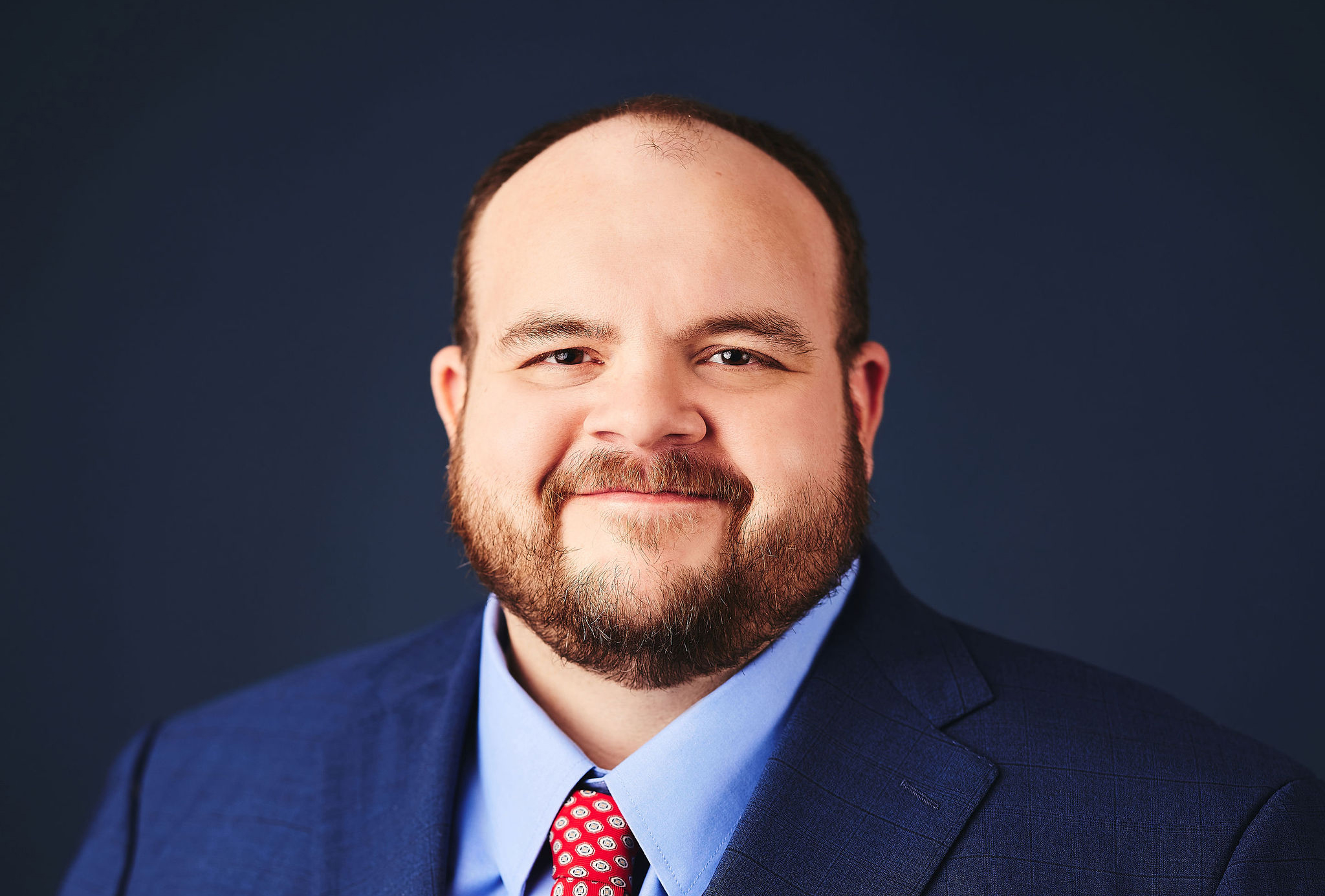
“I am also very proud of our team’s efforts in holding insurers accountable and want to commend their efforts—OIR’s Market Conduct Unit has initiated over 100 examinations, completed more than 340 investigations and secured $14.5 million in consumer restitution.”
In the examination for Kin, it was discovered that they failed to provide disclosure statements for both Hurricane Ian and Idallia and failed to pay or deny claims within the 90 days for Hurricane Ian.
When it came to Slide, it was revealed that they were using unappointed adjusters and failed to provide disclosure statements for both Hurricanes Ian and Idalia.
“After a storm, the last thing that a policyholder should have to deal with is an insurance company that is not holding up their end of the deal,” said Chief Financial Officer Ingoglia.
“I will continue to work with the Office of Insurance Regulation to ensure that Florida’s insurance market is working for its insurance policyholders and that insurance companies are adhering to their requirements.”
— Arigato, Mr. Orlando —
The most annoying person you know is about to become even more obnoxious when they go to Japan for the first time (or return).
This week the FloridaCommerce announced that during the 47th Southeast U.S./Japan Association (SEUS-Japan) annual meeting that “ZIPAIR,” a subsidiary of Japan Airlines (JAL), will be hitting the sky and coming to Florida.
Four new nonstop passenger charter flights between Tokyo (NRT) and Orlando International Airport (MCO) are being offered not only for leisure travel, but also to serve the Florida-Japan business-travel lifeline. Orlando (which isn’t too far from Tampa or Miami as well) is a massive media market, along with Tokyo.
“ZIPAIR’s investment represents more than a business expansion—it is a powerful symbol of the growing economic partnership between Florida and Japan. Japan is an increasingly important source of investment in Florida, and ZIPAIR’s presence in Florida will cater to the growing business-travel need between Florida and Japan, further strengthening the economic, cultural and strategic ties that connect our two regions,” said Florida Secretary of Commerce, J. Alex Kelly.

In 2024, Florida broke its tourism record, with more than 143 million visitors, including nine overseas visitors. Florida is also a key layover for many traveling to Latin America and the Caribbean, making it a natural fit for ZIPAIR as it expands its footprint into the Western Hemisphere.
“As the world’s tourism destination, Florida is ecstatic to welcome a new direct flight from Japan with ZIPAIR,” said the President and CEO of VISIT Florida, Bryan Griffin.
“We welcome Japanese travelers to enjoy our state with this new, easy flight path, and VISIT Florida is enthusiastically committed to facilitating even more direct flights from Japan as a gateway to Asia and the Pacific.”
Japan is Florida’s 8th-largest merchandise trading partner and the 2nd-largest in the Asia-Pacific region. DeSantis visited Japan in April 2023 to promote more business and exchange between the two countries. Japan and Florida’s trade exceeds $6.8 billion annually.
“There is no way to overstate the importance of this new service between Asia and Orlando International Airport. Not only does this new service validate the years of effort put into developing this relationship, it also lays the groundwork for continued cooperation and business opportunities for both Asia and Central Florida,” said Stephanie Kopelousos, Board Chair of the Greater Orlando Aviation Authority.
We suggest you try to take a visit before Sanae Takaichi goes full “Makes Japan Great Again” and takes Japan back to the days before Matthew Perry, and they closed the country to all tourists and non-Japanese people (or Dutch, they were cool with them).

— Instagram of the week —

— 18+ Holiday Gift —
Thanksgiving and Christmas are approaching sooner than one thinks.
The time to give and spend time with loved ones. A popular gag gift/white-elephant choice, a popular last-minute fun “why not,” or given to those who actively like to play, Florida Lottery tickets remain a classic option for the gift-giving spirit. And the Florida Lottery is reminding citizens to gift responsibly this holiday season, for everyone’s safety.
“Playing Florida Lottery games is good fun that helps fund education across our state. But it’s important to remember that while our games bring enjoyment to adults, they are not intended for children. We want to make sure everyone celebrates the holidays responsibly,” said Florida Lottery Secretary John F. Davis.

The Florida Lottery is meant to be a form of “entertainment” (aka legalized gambling that doesn’t go to the Seminole Tribe/Hard Rock) for adults only, and only if they can afford it. They might be a go-to small trinket for the stocking over the fireplace, but only if that oversized sock with an initial on it belongs to an 18+ year old. Don’t do it. Gambling is already widespread enough with these nonstop ads and “locks” on ESPN.
The Florida Lottery’s “Gift Responsibly” message is a commitment year-round, aligned with the National Council on Problem Gambling’s annual “Gift Responsibly Campaign.” Since 1988, the Florida Lottery has paid $103.2 billion in prizes and created 4,430 millionaires, which is why some people love receiving it as a gift. But don’t start the young ones on the scratch-off path.
Also, if you buy lottery tickets at the gas station, know the entire line is mad at you for delaying everyone. Happy holidays! For more information about the campaign, visit floridalottery.com/play-responsibly.
— FWC’s new face —
Nature and the animals that inhabit the untouched areas of it are one of Florida’s most prized possessions, so leadership in this area is key to maintaining one of our state’s best attributes.
This week, the Florida Fish and Wildlife Conservation Commission (FWC) announced that Alberto Maza will serve as the new director for the agency’s Division of Law Enforcement. Over 1,000 employees in the FWC’s Division of Law Enforcement will now be led by Col. Maza as they aim to protect Floridians and Florida’s natural resources, either on water or land.
“Colonel Maza holds the distinction of being the first Hispanic Colonel for the FWC, and we are confident that in his new role, he will continue moving the division and the agency forward well into the future,” said Commission Chair Rodney Barreto.
Maza’s career with the FWC goes back to 1998, when he attended the joint DEP/FHP Academy Class #23. Maza was promoted to Law Enforcement Captain in Miami in 2016, where, after five years, he was then elevated to South Bravo’s Regional Commander (Law Enforcement Major) in 2021.
“Our officers and staff are dedicated to protecting the people of Florida and conserving our natural resources. It is my honor to represent them in this new role, and it is our shared responsibility to ensure our environmental resources are there for future generations to enjoy,” said the new director of the FWC Division of Law Enforcement.
Congratulations to the FWC, Col. Brian Smith, on his long and successful tenure in the role, and to newly appointed Col. Maza — remember, keep our animals and land safe and clean, boys.

— Minding Medicaid —
A proposal moving through the Florida House and Senate would expand after-hours access to health care for Medicaid recipients across the state.
Rep. Felicia Robinson, a Miami Democrat, and Sen. Barbara Sharief, a Democrat from Miramar, have filed companion bills to improve access for an estimated 5 million Floridians enrolled in Medicaid.
Robinson is sponsoring HB 163, while Sharief is backing SB 40. The measures would direct the Agency for Health Care Administration (AHCA) to establish requirements for providers within managed care networks to offer services and appointments outside of “traditional regular business hours.”

“Access to quality health care shouldn’t be a 9-to-5 privilege, especially for our working families and seniors who depend on Medicaid,” Robinson said in a news release. “Far too often, families have to postpone vital care simply because they can’t get an appointment that fits their schedule. HB 163 is a commonsense measure that ensures our managed care system is truly managing care around the realities of people’s lives, not just the convenience of office hours. It’s about making health care work for the patient.”
Both bills now head to the legislative Committee review process before consideration during the 2026 Legislative Session.
— House housing help —
Floridians seeking to buy their first home could get help from the businesses they work for, as proposed by a new bill working its way through the Florida House of Representatives.
State Rep. Jervonte “Tae” Edmonds, a West Palm Beach Democrat, has introduced HB 311, entitled the Homebuyer Workforce Tax Credit Act. The intent is to offset workforce shortages in the state, increase housing affordability and provide generational wealth.
The proposed measure would allow employers in the state to receive a 100% tax credit of up to $5,000 per worker, which could be contributed to an employee’s down payment or closing costs on a home. Those employers could also acquire credits for contributing to other state programs, such as Florida’s Hometown Heroes.
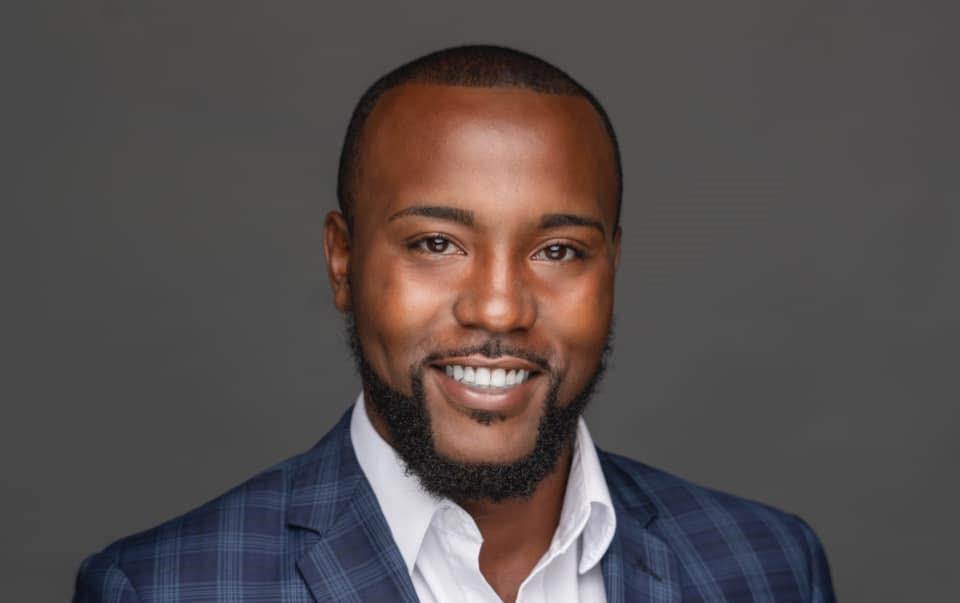
“When employers help their workers buy homes, they’re not just investing in their company, they’re investing in Florida’s future,” Edmonds said in a news release. “HB 311 is about rewarding hard work, strengthening our workforce, and building generational wealth for families who have been locked out of homeownership for too long.”
The measure would allow the Florida Department of Revenue to use up to $5 million annually in tax credits from 2026 through 2029 for the program.
The proposed bill is about to go through the legislative Committee process for review before it goes to the floor of the full House and Senate in 2026 during the regular Session.
— CGMs for everyone —
Diabetes is a life-threatening condition that can take one’s life if not treated with the proper precautions, medication, and monitoring.
Glucose monitors are a go-to for many diabetes patients to help track their blood sugar levels and how medication, diet, and exercise affect their condition.
This week, Tallahassee Democrat Rep. Gallop Franklin refiled HB 293, a measure that would aim to improve access to continuous glucose monitors (CGMs) for Floridians on Medicaid and Medicare. HB 1465, filed last year by Franklin, a pharmacist, stalled in Committee.
The AHCA would be required to ask for federal approval to pay for CGMs as a durable medical equipment benefit if the legislation passes.
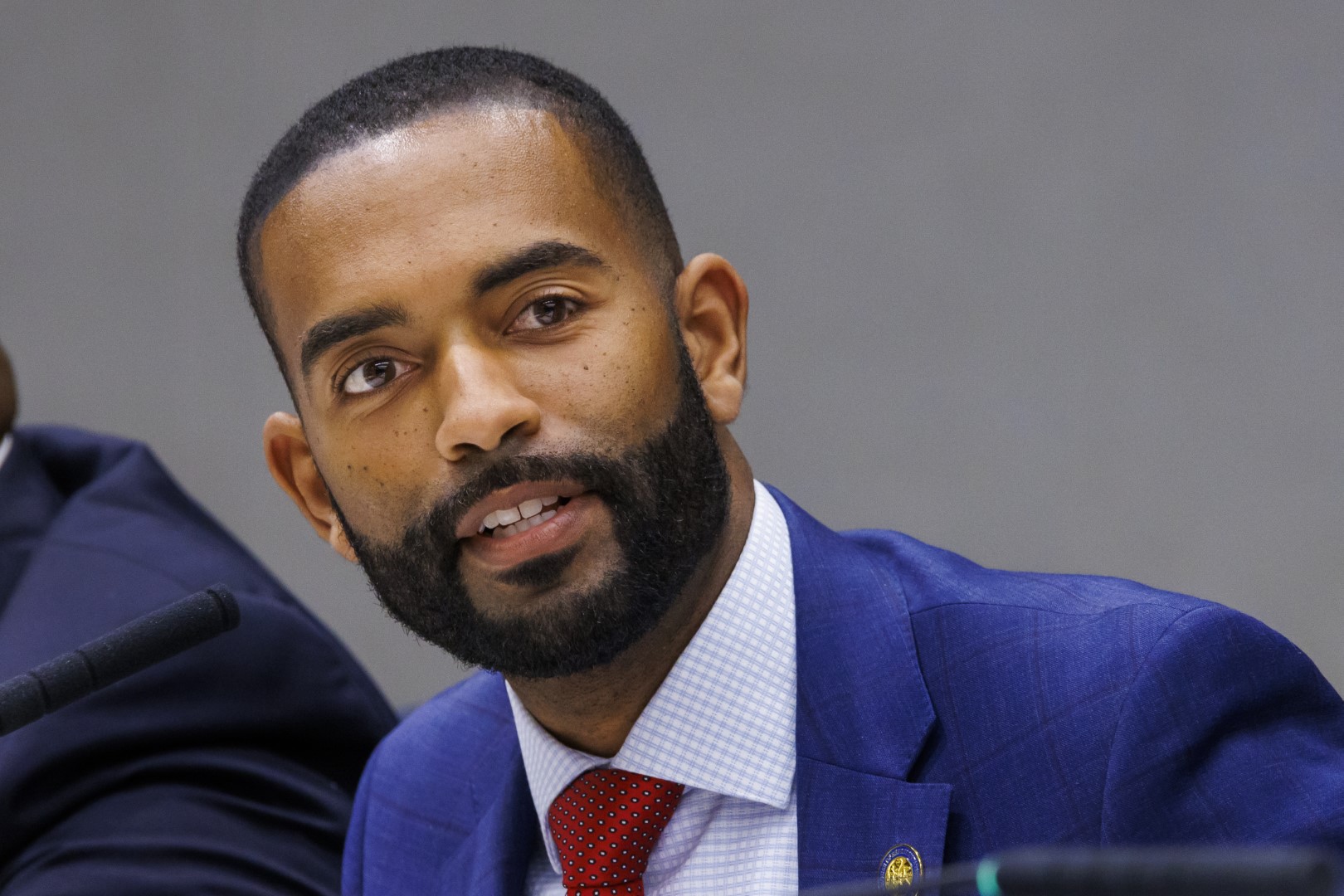
“Diabetes is a growing public health issue affecting thousands of Florida families, and far too many patients struggle to access CGMs due to coverage gaps, especially under Florida’s Medicaid program. HB 1465 addresses this by expanding coverage and ensuring CGMs are classified as durable medical equipment under both Medicare and Medicaid,” said Rep. Franklin.
“By improving access, patients will have better tools to manage their condition and reduce costly emergency care and hospitalizations. The bill also requires regular follow-up visits with health care providers to ensure proper device use and mandates documentation of glucose readings to support ongoing care.”
The end goal of HB 293 is to improve access to life-saving technology for low-income Floridians and proactively reduce the long-term adverse health effects of poorly managed diabetes, not when it’s too late.
Approximately 2,071,045 people, or 11.6% of the adult population in Florida, have some form of diabetes according to statistics from the American Diabetes Association.
“Florida’s health care system should work for everyone, and HB 1465 takes a vital step toward making that vision a reality,” said Franklin.


— Blue envelope please —
Navigating life with autism can be challenging to manage for both the individuals with it and sometimes their loved ones and those around them. And communication shouldn’t be the difference between going to jail or not, or even worse.
This week, Sen. Shevrin Jones and Rep. Susan Valdés announced their introduction of legislation, SB 418/HB 365, that would create a “Blue Envelope Program” to help make interactions between law enforcement and people with autism during potential roadside stops.
“As we’ve seen in other states, the Blue Envelope Program is a straightforward and effective tool designed to assist officers and emergency personnel in recognizing and adapting their approach when interacting with a driver with autism or other special needs who may experience heightened anxiety or other communication challenges, said Sen. Jones.

“This will help our police and emergency service personnel identify individuals’ needs and limit misunderstandings. Now more than ever, we must promote empathy, understanding, and patience to keep all Floridians safe.”
SB 418/HB 365 would require the Department of Highway Safety and Motor Vehicles to make envelopes available to individuals with autism spectrum disorder so they can hold copies of their driver’s license, vehicle registration, proof of insurance, and emergency contact information. This would be immediately provided to an officer upon request for license and registration and would improve communication for both officers and people pulled over with autism.
The legislation would also strengthen law enforcement training components for officers when it comes to people with autism, keeping them informed and providing the best techniques to use.
“This bill is about dignity and safety. By giving our officers the right tools and information, and providing the ASD community with a simple, recognizable way to communicate, we can prevent misunderstandings and ensure every traffic stop ends safely for everyone involved,” said Rep. Valdés.
“This is truly a win for all Floridians.”
— Proost! —
Begroeting! As they say in the Netherlands, for salutation! But how do you say “Strike, strike, strike, again,” in Dutch…Hmm…
This week, 12 Florida A&M University (FAMU) College of Law students got to partake in the trip of a lifetime and travel to The Hague, Netherlands (the capital city of South Holland for you geographically challenged Americans) for a global legal engagement, academic excellence, and cultural immersion program.
Students had access to some of the most prestigious worldwide law institutions, such as the International Criminal Court (ICC), the International Court of Justice (ICJ) and the United Nations International Residual Mechanism for Criminal Tribunals.
“Visiting The Hague was such a meaningful experience. It brought international law to life in a way no classroom ever could,” said third-year law student Lineca Honore.

“Standing inside the very institutions where justice is debated and delivered deepened my passion for this field and reminded me why I chose this path. It was both humbling and inspiring to witness how international law operates in practice and to see the global impact of what we study every day.”
Other students who experienced law history were Aurora Crespo, Richell DeJesus, Arturo Farchakh, Taylor Lindo, Andrew McMann, Marco Perez, Joshua Salomon, Janessa Siegel, Emily Smith, Hailey Upchurch, and Lauren Woodward. The trip was coordinated by FAMU’s Jeremy Levitt (J.D., Ph.D.).
“Standing in the halls of the ICC and ICJ, students saw firsthand how principles translated into practice, and how justice was shaped on the world stage. This journey empowered our future lawyers to think beyond domestic boundaries—to become advocates who led with both global insight and local relevance,” said associate provost and interim dean Cecil Howard.
FAMU Law students are in good hands when it comes to “Excellence with Caring” and to positioning themselves as global leaders for law, justice, and advocacy.

— Google x FSU —
When you ever need a quick answer to something, what do you do? “Bing it,” it of course (said no one ever)! Florida State University is teaming up with the king of search engines and our everyday online lives—Google.
This week, FSU announced its partnership with Google to offer students complimentary access to Google People Management Essentials, a learning certificate program that helps students gain insight and leadership in the professional work landscape and how artificial intelligence (AI) can play a part.
The College of Business is leading the initiative, in partnership with FSU Information Technology Services, to provide business students with unique, cutting-edge management training and ever-adapting AI tools.

“At Google, we’ve seen firsthand how investing in managers creates a more effective, collaborative and supportive environment for all and drives business outcomes. We believe the principles behind effective management are universal. By sharing what we’ve learned, we hope to empower leaders and their teams to thrive in any organization,” said Brian Glaser, chief learning officer at Google.
“We believe that great managers create great teams. By making our foundational management principles accessible to everyone, we hope to empower the next generation of leaders to build a better future for teams, one manager at a time.”
FSU is one of the first higher learning institutions in the country to offer the “Google People Management Essentials” course. The Google School for Leaders developed the self-administered and paced course, Google’s center for leadership development and taught by Google experts over an eight-hour lesson to help provide aspiring entrepreneurs, future business owners, and managers the skills to assemble a high-performing team, set achievable goals, and maximize self-growth.
“We are excited about our partnership with Google, one of the world’s most prominent tech companies, and the benefits it will offer our students. This collaboration reflects our ongoing commitment to prepare students for the transformative effects of AI on workplaces and society, ensuring they graduate with the relevant, in-demand skills necessary for a rapidly changing world,” said Dean of the College of Business, Michael D. Hartline.
— Eyes on the prize —
It pays to be amongst the best. Literally.
This week, the artist formerly known as TCC, Tallahassee State College (TSC), announced that it has been named among the top 200 community colleges in the United States by the Aspen Institute.
That puts them in play to compete for the “Aspen Prize for Community College Excellence,” a prestigious title that comes with a $1 million prize. Selection attributes include student retention, degree completion, transferability to other universities, and attainment of bachelor’s degrees.
“We are incredibly proud to be named among the top 200 community colleges in the nation. It affirms the work happening every day to support our students, strengthen our workforce, and elevate opportunity throughout our region,” said Jim Murdaugh, TSC president.

Aspen is a nonprofit that has been around for 75 years, creating positive global impact through initiatives that connect people through dialogue, leadership, civility, and freedom of expression to help create a better society for everyone.
The Aspen Prize is considered to be the premier recognition for the nation’s community college sector. Nearly 1,000 colleges were eligible, and in this ninth year, 200 colleges were selected for the first round. The most ever, proving the bar for excellence this year.
The winner of the Aspen Prize will be announced in Washington, D.C., in the Spring of 2027. For more information about the prize visit, visit as.pn/prize. Good luck to all our friends and students at TSC.

— Predator: Christy My Love —
Time for Florida Politics’ weekly trip to the movies. Let’s see what’s playing in theaters and at home this week.
In a historically low October box office, audiences weren’t exactly buying what was being sold. But someone has to win the weekend. “Black Phone 2” took first place this past Halloween weekend with $8.3 million, followed by “Regretting You” — both starring 18-year-old Mason Thames. He also topped the box office earlier this year with “How to Train Your Dragon.” Someone give his agent a raise. “Chainsaw Man” rounded out the top three with $6.2 million.
Dan Trachtenberg (“10 Cloverfield Lane”) — an Emmy-nominated director — has completely rebooted, saved, and breathed life back into one of your dad’s favorite ‘80s franchises: Predator. Not only did he direct the Emmy-nominated TV film “Prey” in 2022 (which totally rips), but he also helmed the acclaimed animated anthology “Predator: Killers of Killers” earlier this year on Hulu. Now he’s ready for the IMAX.
“Predator: Badlands” follows an outcast Yautja (Predator), played by Dimitrius Schuster-Koloamatangi, who teams up with a broken-down robot that’s now just a head — voiced by Emmy nominee Elle Fanning (“Super 8,” “The Great,” “A Complete Unknown”). Together, they traverse the wasteland in search of the ultimate adversary. With 87% on Rotten Tomatoes (96% audience), 7.6 on IMDb, and 3.6 on Letterboxd, it’s safe to say: we are so back. Warning, though — this is the first PG-13 Predator film, so expect less blood and more accessibility for new fans.

Oscar winner Jennifer Lawrence (“Silver Linings Playbook,” “The Hunger Games,” “American Hustle”) joins heartthrob Robert Pattinson (“Twilight,” “The Batman,” “The Lighthouse”), Oscar winner Sissy Spacek, and nominee Nick Nolte in the dark comedy “Die My Love.” The film, directed by BAFTA winner Lynne Ramsay (“You Were Never Really Here,” “We Need to Talk About Kevin”), follows a young mother and writer slipping into madness while isolated in Montana. Premiered at Cannes, it’s earning strong reviews — 77% on Rotten Tomatoes, 6.6 on IMDb, and 3.4 on Letterboxd — especially from fans of “The Girl on Fire” herself.
Two-time Emmy nominee and controversial jeans advertiser Sydney Sweeney may be eyeing her first Oscar nomination with “Christy,” the true story of 1990s female boxer Christy Martin. Directed by David Michôd (“The King,” “The Rover”), the film co-stars two-time Emmy winner Merritt Wever (“Nurse Jackie,” “Severance,” “Signs”) and Emmy nominee Ben Foster (“Hell or High Water,” “3:10 to Yuma,” “Leave No Trace”). Unless you’re a die-hard Sweeney or boxing fan, you might want to hold your bets — 66% on Rotten Tomatoes, 6.1 on IMDb, and 3.4 on Letterboxd leave a bit to be desired.
And for those staying home, there’s a treat. Still playing in select theaters but officially streaming on Netflix as of November 7 is Oscar winner Guillermo del Toro’s (“The Shape of Water,” “Hellboy,” “Pan’s Labyrinth”) take on the Mary Shelley classic: “Frankenstein (2025).” It’s everything you’d expect from del Toro — stunning cinematography, breathtaking production design, immaculate hair and makeup, and the perfect blend of gore and heart. The film is already generating Oscar buzz for Best Picture and a possible Supporting Actor nod for BAFTA nominee Jacob Elordi (“Saltburn,” “Euphoria,” “Priscilla”), who reportedly steals every scene.
Oscar winner Christoph Waltz, Emmy nominee Oscar Isaac, and horror rising star Mia Goth round out the gothic cast. With 85% on Rotten Tomatoes (95% audience), 7.7 on IMDb, and 3.9 on Letterboxd — what are you waiting for? It’s alive! It’s streaming!

— Capitol Directions —

RON DESANTIS — Up arrow — Good optics and good governance? From this administration?
JAMES UTHMEIER — Crossways arrow — He was right to campaign against Jay Jones … well, almost right.
ALAN LEVINE — Up arrow — It’s not the Governor’s board; it’s the Board of Governors.
MORI HOSSEINI — Down arrow — Mr. UF is having about as good a year as the football team.
CHUCK CLEMONS — Down arrow — Gainesville voters took his GRU plan to the curb for Wednesday pickup.
1ST DCA — Down arrow — Gainesville spoke; the court hit mute.
FLORIDA REALTORS — Up arrow — Mamdani wins in NYC, and Florida Zestimates go up.
TOM KEEN — Up arrow — Three pairs of shoes and one less Republican on the Orlando City Council.
FLA. DEMS. — Up arrow — Turns out organizing early, often, and everywhere occasionally works.
CHRISTIAN ULVERT — Up arrow — You’d brag too if half your client list just won.
DAVID SUAREZ — Down arrow — Miami voters finally hit ‘block’ on his brand of politics.
E-VERIFY — Crossways arrow — Back again, because nothing says ‘business-friendly’ like red tape.
CHRISTINE HUNSCHOFSKY — Up arrow — Imagine that — a bill that fixes a problem instead of creating one.
JOHN SNYDER — Up arrow — Teaching Tallahassee where Florida’s heartbeat actually is.
SAMANTHA SCOTT — Up arrow — She’s got more endorsements than Sumter County has voters.
UCF — Up arrow — Proof that being big doesn’t mean bloated.
NEW COLLEGE — Down arrow — Turns out ‘woke waste’ wasn’t the problem after all.
JANICE GILLEY — Up arrow — Finally, someone on the UWF Board can now find it without GPS.
BALLARD PARTNERS — Up arrow — The Eileen Stuart hire may be the best free-agent signing since the Dodgers snagged Ohtani.
JEFF BRANDES — Up arrow — Still driving Florida’s tech future — just without the driver.
VINCE EVANS — Crossways arrow — Loves FAMU enough to help, but not enough to relocate.
DUKE — Up arrow — A utility cutting bills? Must be a glitch in the matrix.
GOODWILL — Up arrow — Even Florida TaxWatch found the real fiscal watchdogs are wearing blue vests.
APALACHICOLA BAY — Up arrow — The Bay’s comeback story finally gets a pearl.
TALLAHASSEE REPORTS — Down arrow — Stew picked a fight he can’t win.