Politics
Study finds dozens of First Coast restaurants are falsely advertising locally caught shrimp
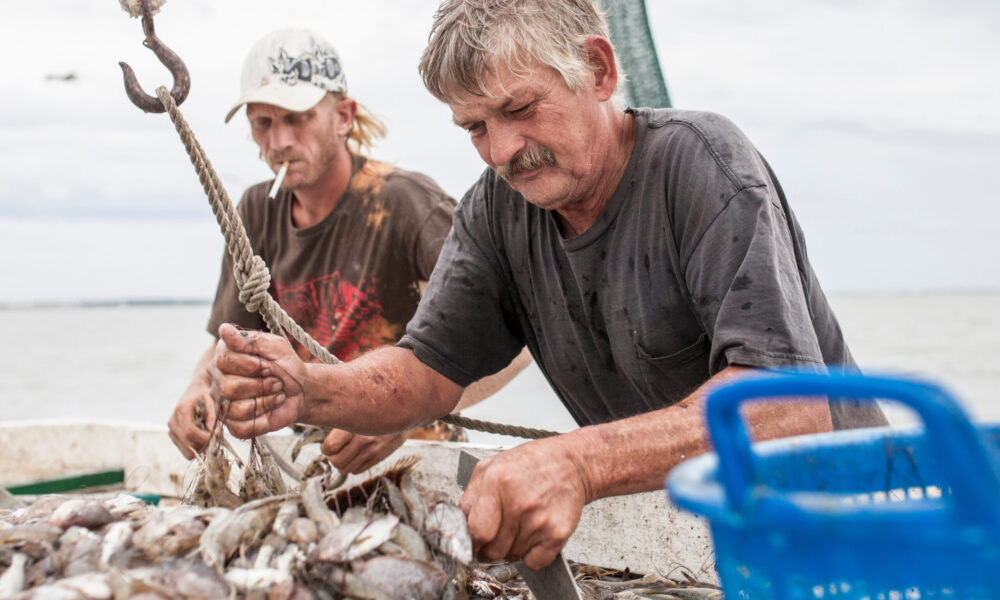
Industry leaders are demanding Florida lawmakers consider legislation to end bogus sales of Mayport shrimp.
North Florida has long been proud of its Mayport shrimp offerings. But a new study shows many First Coast restaurants are falsely advertising the popular Mayport shrimp while serving crustaceans from elsewhere.
The study was commissioned by the Southern Shrimp Alliance and was conducted by SeaD Consulting. The analysis used genetic testing results on shrimp from 44 different restaurants in North Florida.
It found 57% of the shrimp in those sales was not from the First Coast, even though the product was advertised as wild catches brought back to Mayport, a historic fishing village founded in 1562 near the mouth of the St. Johns River.
Some 25 orders of shrimp at 44 establishments “were explicitly inauthentic, meaning menus or staff verbally represented the shrimp as local-Mayport-American wild-caught when testing confirmed imports.”
In North Florida, presenting shifty shrimp is a major faux pas. Jacksonville’s AAA Minor League Baseball team is named the Jumbo Shrimp, and shrimp are endemic to the local culture, tourism promotion and culinary fare.
Culture aside, the study found bogus Mayport shrimp claims are costing customers, who are paying extra for Mayport wild-caught shrimp. Consumers are paying an average of $2 more per serving, yet aren’t receiving the real deal.
The Southern Shrimp Alliance is raising major concerns about the findings.
“False advertising and mislabeling of shrimp dishes negatively impacts our American wild-caught shrimping industry, honest restaurants and seafood markets, and anyone coming to the coast looking for regional seafood,” said Blake Price, Director of the Southern Shrimp Alliance.
Price is calling for serious review of the findings and is demanding state lawmakers to consider action.
“Seafood tourism is real. They aren’t seeking imported farm-raised shrimp,” Price said. “Given the rampant bait-and-switch in the marketplace, Florida needs to join other states and pass a law requiring transparent seafood labeling in restaurants. Let consumers make an informed choice.”

