Connect with us

Politics

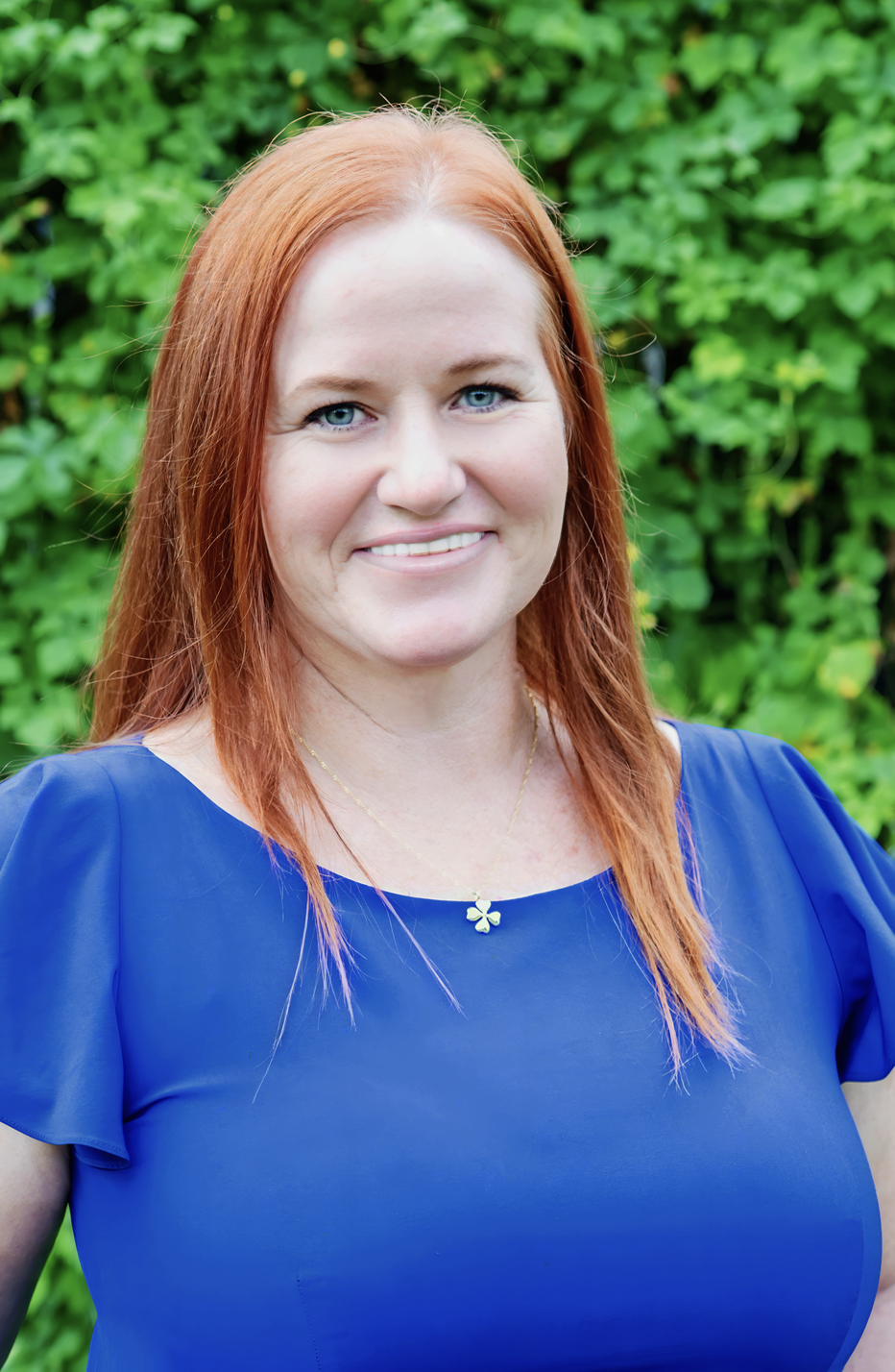
Stephanie Nordin kicks off campaign for Collier County School Board seat

Published

on


Stephanie Nordin has officially launched a campaign for the Collier County School Board District 1 seat, opening her bid with a campaign kickoff event in Naples that drew more than 150 supporters.

The event, held at Stix Sushi & Seafood, marked Nordin’s entry into the nonpartisan School Board race held during the 2026 election cycle. Nordin will run against Jeff Donaldson and Ronald Nuara for the seat. Jerry Rutherford, who currently holds the seat, has not yet filed for re-election.

Donaldson has raised $8,500 for his campaign, while Nuara raised $100, as of the most recent reporting period.

Nordin is a lifelong Collier County resident, a graduate of the county’s public school system and a mother of four. She’s also the founder of Autism Collier, a nonprofit organization that supports families navigating education and related services, and is the co-founder of the Autism Collier Charter School

Nordin said she is seeking to bring practical experience and collaborative leadership to the School Board.

“I’m running because I believe our school board needs leaders who are prepared, collaborative, and grounded in real experience,” Nordin said in a news release. “Strong schools require more than good intentions; they require thoughtful leadership, responsible decision-making, and a deep understanding of how policies impact students, families, and educators.”

Nordin’s campaign emphasizes student success, family partnerships, support for teachers and staff, fiscal responsibility and expanding opportunities across Collier County schools.

The kickoff event drew support from a cross-section of local elected officials and community leaders, including School Board member Tim Moshier, former School Board Chair Jen Mitchell, Property Appraiser Vickie Downs, Everglades City Council member Mike McComas, County Commissioners Burt Saunders and Rick LoCastro, and Marco Island City Council members Tamara Goehler and Deb Henry.

Nordin has also received early backing from Rep. Meg Weinberger, with additional endorsements expected in the coming weeks.


Source link

Continue Reading

Politics

Still waiting on flying cars, but Amazon keeps delivering the future

Published

on


Happy 2026!

I was pretty sure we’d have flying cars by now.

The Jetsons promised them, after all, even if their future was set in 2062. They nailed video calls, flat screens, and robot vacuums. The flying cars remain elusive. We’ll have to settle for self-driving vehicles and groceries that practically check themselves out.

Moving on from George Jetson and the gang. Remember when the tech world promised a grocery store with no cashiers and no checkout? Grab your items, walk out, and let artificial intelligence handle the rest through cameras and sensors.

That vision became Amazon’s “Just Walk Out” technology.

Technically, it worked, but turned out to be more difficult, more expensive, and more disruptive than expected.

Amazon eventually pulled back, not because the tech failed, but because it wasn’t the right solution at scale. I wrote about the concept years ago in the Amazon Go storefront, the next significant disruption in retail, society, and the idea itself hasn’t gone away. Amazon still licenses the technology to other retailers. As this breakdown explains, “Why Amazon’s Just Walk Out initiative failed – and why it’s not the end of checkout-free technology,” innovation rarely dies. It mutates.

So Amazon pivoted. Enter Dash Carts. If you haven’t seen one yet, imagine a shopping cart with a built-in screen, scanner, scale, and bagging area. You scan items as you go, see running totals and deals, and skip the traditional checkout entirely. They’re currently in a limited number of stores, but they work. Here’s a shopper walking through the experience: Amazon Dash Cart: How it works.

Then there’s the palm reader. Yes, palm reader. Years ago, I hired one for a corporate anniversary party. The idea was drinks, lighthearted fun, and fortune-telling. Instead, guests emerged shaken, convinced doom was imminent. The palmist blamed “low psychic energy.” I countered with Benjamin Franklin. Her energy recovered immediately.

Amazon, meanwhile, took the palm concept and stripped out the mysticism. Amazon One lets customers pay by scanning their palm. No cards. No phone. No prophecies. Just biometric payments. It’s already live in Whole Foods locations nationwide and is far more widespread than Dash Carts. If you’re curious, try Amazon One next time you’re shopping.

Ten years ago, home delivery felt occasional. Now Amazon ships nearly 20 million packages a day in the U.S. alone. At our house, it’s not daily, but it’s close enough to avoid doing the math. Some data is better left unanalyzed.

Recently, I received a behind-the-scenes look at how the machine works during a visit to the Amazon Fulfillment Center in Tallahassee, courtesy of the Tallahassee Chamber of Commerce. The scale, speed, and organization are staggering. Everything moves with purpose. Watching it in person reframes the entire Amazon experience. Even their “failures” are small experiments inside a much larger system that keeps adapting.

As Arianna Huffington once put it, “Failure is not the opposite of success; it’s part of success.” That mindset is evident throughout Amazon’s operations.

So here we are. Smart carts. Palm payments. Same-day delivery. We’re basically living The Jetsons, minus the flying cars. Maybe next year.


Source link

Continue Reading

Politics

Jennifer Winkler reports more than $105K raised as HD 74 GOP Primary intensifies

Published

on


Republican House District 74 candidate Jennifer Winkler is reporting a sharp uptick in fundraising as the GOP Primary field continues to take shape.

Winkler announced that she has raised nearly $105,000 between her campaign account and her affiliated political committee, Friends of Jennifer Winkler, since entering the race. That total includes roughly $50,000 raised during the fourth quarter of 2025, according to figures released by the campaign.

Winkler’s campaign brought in nearly $26,000 during the final quarter of the year, while her political committee raised just over $24,000. Winkler’s campaign said she has now surpassed the $105,000 mark heading into 2026.

“I am truly humbled by the incredible support and financial backing from so many friends and neighbors across our community,” Winkler said in a statement.

“Together, we have a clear mandate to keep Florida’s economy charging ahead while working to keep housing and insurance costs down for our residents. This campaign is all about connecting with every corner of our community and earning the trust of those looking for an effective representative in Tallahassee, and we are just getting started!”

Winkler is seeking the Republican nomination for HD 74. The seat will be open in 2026 due to incumbent James Buchanan facing term limits. Buchanan has filed to run for Senate District 22 that will be vacated by Sen. Joe Gruters, who is term-limited himself and recently took up the mantle as Chair of the Republican National Committee.

Winkler joins a crowded GOP Primary field that includes Kelly Ann Walker, Nick Pachota, Chris Felder and Les Nichols. Walker recently reported more than $250,000 cash on hand between her campaign and committee. Pachota has raised $89,035 as of September, while Felder has raised $3,883 and added $1,300 in loans. Nichols has raised $6,937 and taken $4,250 in loans as of December. That’s all according to their most recent reports or news releases.

Buchanan has already endorsed Pachota in the race.

The district spans communities across Sarasota County, including Sarasota, North Port and Venice. Republicans make up roughly half of registered voters in the district, with Democrats accounting for about 23% and the remainder registered as unaffiliated or with minor parties.

Winkler owns and operates The Peeples Insurance Agency, an independent insurance business she founded in 2014. Her campaign has emphasized small-business experience, workforce development, housing affordability and health care costs. She has lived in Sarasota County since 2010, is a graduate of the University of Central Florida, and “is the proud mom of two sons, Logan and Luke.”

The winner of the Republican Primary will advance to the General Election, where Democrat Nancy M. H. Simpson has filed, though additional candidates could still enter the race.


Source link

Continue Reading

Politics

Florida lands $209 million to strengthen rural hospitals statewide

Published

on


Florida’s rural hospitals are set to receive a major boost following the federal government’s announcement last week that the state will receive a $209 million award through the Rural Health Transformation Program (RHTP) for fiscal year 2026.

The Florida Hospital Association (FHA) applauded the award earlier this week, calling it the largest single federal investment in rural health care in the state’s history. The program is designed to improve access to care, modernize technology, strengthen the health care workforce, and drive innovation across Florida’s rural communities.

“Florida’s rural hospitals are lifelines in their communities, providing access to care for the families who live in rural areas,” said Mary C. Mayhew, president and CEO of the Florida Hospital Association. “This critical funding not only sustains these essential lifelines but strengthens them. By building a stronger workforce, implementing modern technologies and establishing collaborative partnerships across rural care providers, we can better meet the needs of every community from the Panhandle to the Glades.”

Florida is a major beneficiary of the nationwide effort to improve rural health care delivery. The RHTP will distribute a total of $50 billion nationally — $10 billion annually from 2026 through 2030 — to states approved for participation, according to the Centers for Medicare and Medicaid Services. Florida’s $209 million award represents the first tranche of funding under the five-year grant program.

The RHTP was established under the One Big Beautiful Bill, which was signed into law on July 4, 2025. FHA cited its collaboration with a broad group of stakeholders to produce more than 60 pages of data analysis and recommendations for the Florida Agency for Health Care Administration (AHCA) to consider as part of its application for federal funds.

AHCA is expected to seek legislative approval to expend the awarded funds. Once approved, the agency will issue a Request for Application, allowing regional collaboratives across the state to submit grant proposals in the coming months.

Florida’s rural hospitals continue to face significant challenges, including rising costs and low occupancy rates. Ensuring their long-term viability and preserving timely access to care for rural residents remain top priorities for FHA. Over the past 20 years, five rural hospitals in Florida have closed, and three others have transitioned to emergency- or urgent-care-only facilities.

“Floridians deserve timely access to quality care, no matter where they live,” Mayhew said. “The Rural Health Transformation Program provides a comprehensive framework and an influx of resources to ensure rural residents are not left behind as Florida’s health care system evolves.”


Source link

Continue Reading

Trending

Copyright © Miami Select.