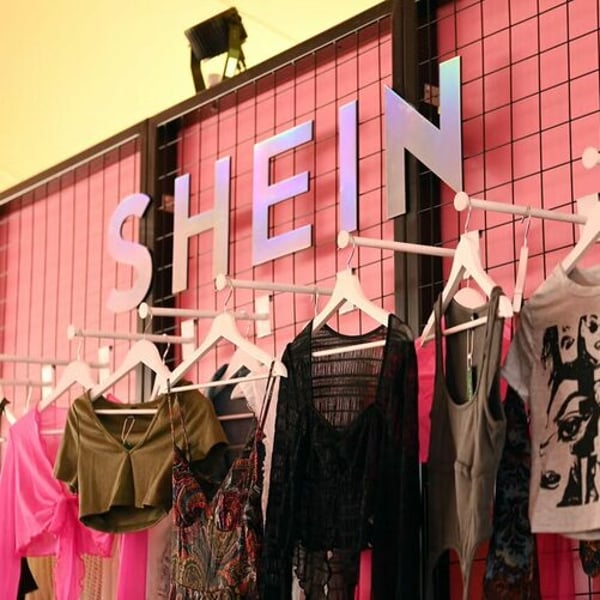
Shein Group Ltd. has begun offering other fashion brands access to its apparel manufacturing network in China as a service, according to people familiar with the matter, as it seeks new revenue streams amid pressure on its retail business from U.S. tariffs.
Shein launches manufacturing service for brands as U.S. tariffs pressure sales – DR
Other fashion brands can now tap into the fast-fashion retailer’s supply chain—which includes factories that can turn around new designs in five to seven days—as long as they open a store on its online marketplace, said the people, who asked not to be identified as they are not authorized to speak publicly.
Shein began formally recruiting brands to join the initiative in the past two months, following nearly two years of preparation and testing, the people said. Around 20 brands, including French fashion label Pimkie and Filipino designer Jian Lasala’s brand, are currently using the service, which is being promoted through a new website launched in August, they said.
Besides manufacturing, the people said Shein also offers sample development, warehousing, sales, and order fulfillment to the brands—services that smaller companies typically cannot access at the low costs the Chinese giant enjoys.
By transforming vendor relationships into a product, Shein is seeking to establish a new growth pillar, as its self-branded sales of $2.46 shirts and $6.75 dresses face limited upside following the United States’ removal of tax exemptions for small parcels from China. Although still stronger than rival PDD Holdings Inc.’s Temu platform, Shein’s U.S. sales have followed an uneven trajectory, according to data from Bloomberg Second Measure.
In response to queries from Bloomberg News, a Shein spokesperson stated that its new program is called Xcelerator, which aims to help brands “overcome value-chain challenges by offering direct-to-consumer services, on-demand production, and global sales access to scale their creativity worldwide.”
Unlike Alibaba.com and 1688.com, which offer open access to Chinese manufacturers, the clothing retailer has made supplier access conditional on participation in its platform.
The initiative—primarily aimed at attracting more fashion brands to join its marketplace—is an effort to leverage its extensive apparel supply chain network in southern China amid growing competition and a volatile trade environment.
Shein’s China-based manufacturing network is harder to copy and may potentially contribute to sustainable growth in the longer term if it succeeds in selling these services to industry peers, the people said.
The privately held clothing retailer—originally founded in mainland China and now headquartered in Singapore—does not disclose its financial information. Bloomberg News earlier reported that the retailer’s net income rose to over $400 million and revenue was nearly $10 billion in the first quarter, as consumers rushed to purchase the retailer’s products ahead of U.S. tariffs.
While it’s unclear how Shein fared in the April–June quarter—a period that saw President Donald Trump end the de minimis tariff exemption—sales recovered in June, but the momentum has since faded, with numbers dipping again in recent weeks.
In addition to mounting external operational challenges, Shein has faced significant hurdles in its push for an initial public offering. Its original plan to list in the United States was shelved amid scrutiny over supply chain and labor practices. The company later explored a U.K. listing before settling on Hong Kong, where it has confidentially submitted a draft prospectus for review. It is weighing a move back to China to smooth its path to a share sale in Hong Kong, Bloomberg News reported last month.
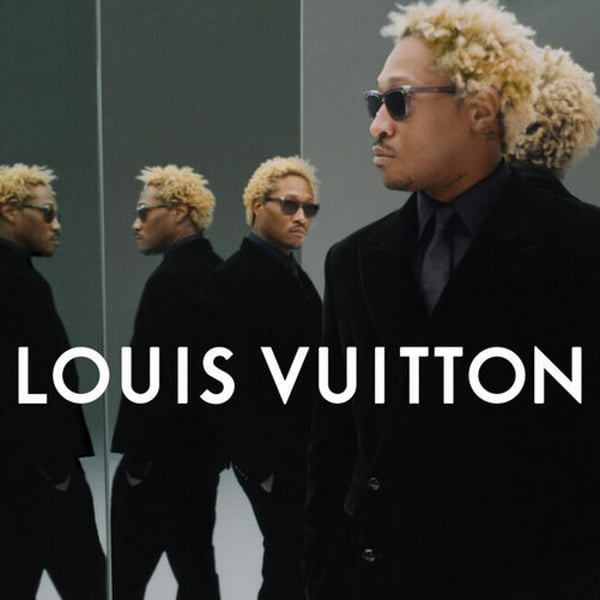
Louis Vuitton has named Grammy Award–winning artist Future as its newest ambassador, deepening the maison’s ongoing commitment to celebrating talent across cultural landscapes.
Louis Vuitton names Future as its newest ambassador. – Louis Vuitton
The Atlanta-born rapper, producer and composer continues to dominate the global music landscape. Most recently, he released back-to-back chart-topping albums, “We Don’t Trust You” and “We Still Don’t Trust You”, which became an international phenomenon and further cemented Future’s status as a cultural trailblazer. Over the course of his career, Future has earned 11 number-one albums and multiple chart-leading singles.
“Future embodies the core values of Louis Vuitton, including creativity, artistry, and a pioneering spirit that resonates with international audiences,” the maison said in a statement. “His unique style and creative vision make him an invaluable addition to the Louis Vuitton family.”
It’s not the first time Future collaborates with Louis Vuitton. He attended Louis Vuitton’s Men’s Spring–Summer 2026 show in Paris at the invitation of Pharrell Williams, a longtime friend and creative collaborator. Earlier this year, Future also appeared at the 2025 Met Gala, themed “Superfine: Tailoring Black Style,” wearing a custom Louis Vuitton grey quarter-zip ensemble layered with a tie, designed by Williams.
Rent the Runway announced on Monday sales for the third quarter rose 15.4% to $87.6 million, with the U.S. rental platform clocking growth across its subscriber base.
Rent the Runway
The New York-based firm said ending active subscribers grew 12.4% to 148,916 during the three months, and average active subscribers totalled 147,645, up 12.9% on the prior-year period.
Meanwhile, total subscriber numbers lifted 6.1% to 185,166 during the quarter ending October 31.
In line with strong sales growth, the company reported a net income of $76.5 million, as compared to a loss of $18.9 million in the third quarter last year.
“This year we’ve repositioned ourselves for sustained growth in the category,” said Jennifer Hyman, co-founder and CEO of Rent the Runway.
“Not only did we execute operationally on our stated goals to return to our customer-obsessed origins, reinvigorate our brand, and drive double-digit growth in subscribers; but we also restructured our balance sheet, closing the recapitalization transactions in October that offer improved financial flexibility to better position us for continued growth.”
Earlier this year, Rent the Runway said it will hand over a controlling stake in the company as part of a plan to cut debt and grow.
The deal, with lender Aranda Principal Strategies and other partners, will wipe more than $240 million of debt from Rent the Runway’s balance sheet, according to an emailed statement released in August.
Looking ahead, Rent the Runway said it forecasts revenue of between $323.1 million and $325.1 million for the full-year.
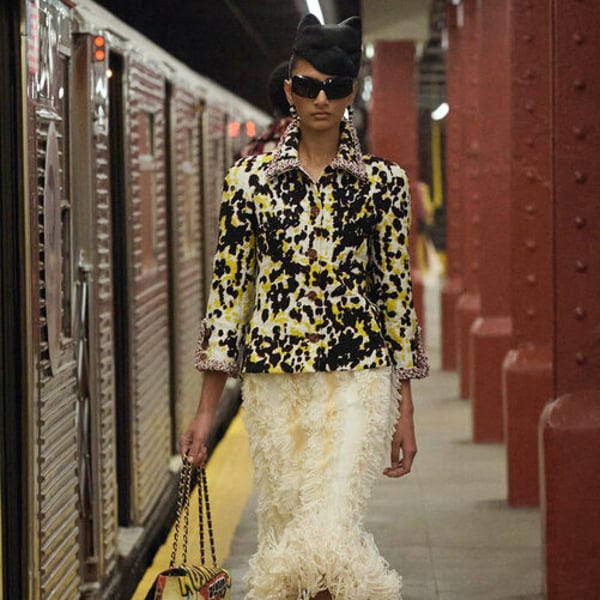
Elisabetta Caldera, 55, has been named global chief people and organization officer for Chanel Ltd., succeeding Claire Isnard, 64, starting next month, the company told Bloomberg News in a statement.
Isnard is retiring after more than 17 years at the group, which had a workforce of around 38,400 employees last year. Caldera will join Chanel’s leadership team, reporting to Chief Executive Officer Leena Nair, and be based in London.
Caldera spent more than four years as global chief human resources officer at Aegon Ltd. where she was also part of the insurer’s executive committee. The Italian executive previously spent 17 years at Vodafone Group Plc in various HR roles until 2021 when she joined Aegon.
Under CEO Nair, the former head of HR at Unilever Plc, Chanel has been rebuilding the roster of top managers at the company as an older guard retires.
Chanel, known for its No. 5 fragrance, is privately owned by the billionaire brothers Alain and Gerard Wertheimer whose fortunes are estimated at about $43 billion each, according to the Bloomberg Billionaires Index.
The company, founded in Paris but headquartered in London, reports its financial performance once a year, generally around late May. Revenue fell 4.3% to $18.7 billion in 2024 on a comparative basis with operating profit sliding by almost a third partly due to heavy advertising spending and a rise in hiring.





 Politics8 years ago