
Politics
Senate Committee approves bill that gets a facelift with amendment on local control for residential development

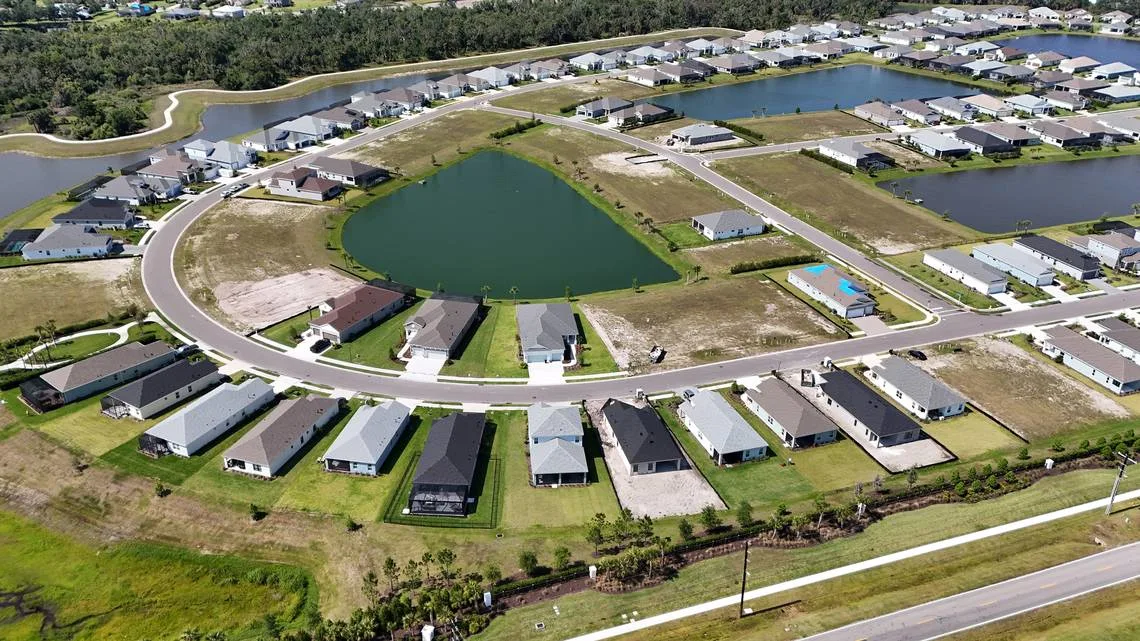
A Senate bill seeking to limit local government control for deciding new residential development was reworked with a strike-all amendment that gutted the original proposal.
With a short discussion Monday, the Senate Judiciary Committee unanimously approved the amended SB 208 during Monday’s hearing.
Bill sponsor Sen. Stan McClain, an Ocala Republican, called the amendment “a negotiated compromise amongst all the key stakeholders.”
Chadwick Leonard, Conservation and Planning Advocacy Coordinator for 1000 Friends of Florida, supported the amendment and said it was about “making sure that local control and the voice of the citizens are being heard.”
Other organizations, including the Florida Chamber of Commerce, the Florida Association of Counties, and the Florida League of Cities, all signaled their support for changes.
The original bill, which contained several provisions, would have overrode any local local rules on the books, so applications to “fill in” more housing in existing residential areas would be required to be approved without having any public hearing, comprehensive plan, amendment, rezoning, variance if the proposed development was similar to existing housing’s density and standards.
The original bill also would have prohibited local governments from banning residential development “on the basis of compatibility” if the proposed development was next to a similar residential development.
But the newly-tooled amended five-page bill will several provisions now says, “Local government comprehensive plans and land development regulations must include factors for assessing the compatibility of allowable residential uses within a residential zoning district and future land use category. Such factors may include intensity, density, scale, building size, mass, bulk, height and orientation, lot coverage, lot size and configuration, architectural style, permeability, screening, buffers, setbacks, stepbacks, transitional areas, signage, traffic and pedestrian circulation and access, and operational impacts, such as noise, odor, and lighting.”
Local government staff must specifically identify how the project isn’t compatible if they are going to deny an application for rezoning, subdivision, or a site plan approval on compatibility grounds, the amended bill said.
And the amended bill added, “References to ‘community character’ or ‘neighborhood feel’ are not sufficient in and of themselves to support a denial of an application on compatibility grounds.”

However, a local government could still set conditions or terms in approving an application to deal with compatibility concerns.
The amended bill had exemptions for rural, agricultural, conservation, open space, mixed-use, industrial, commercial use, master planned communities and historic districts.
Politics
Mike Suarez leads the cash battle as Dems seek to reclaim HD 64 after Susan Valdés party swap
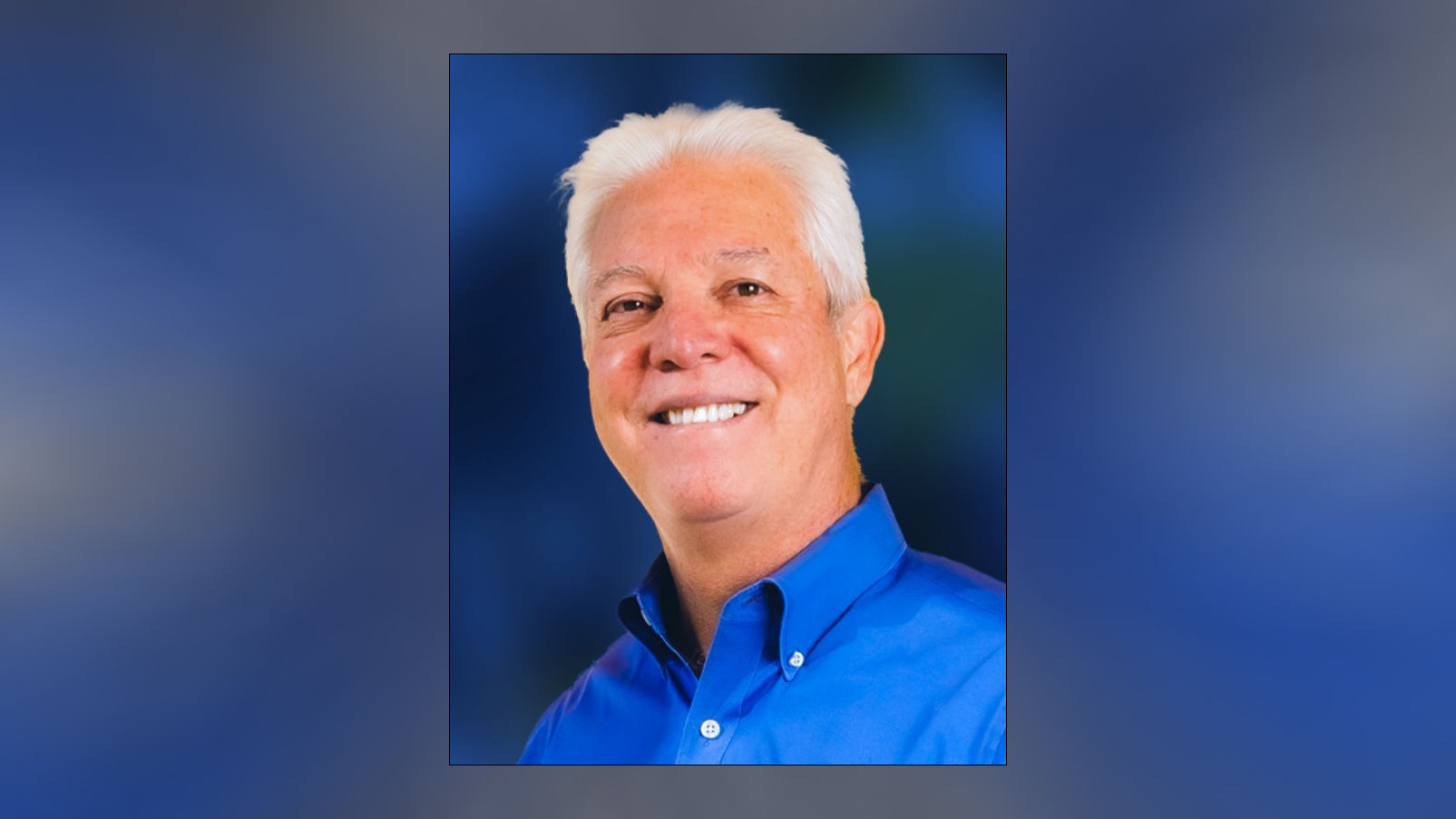
Former Tampa City Council member Mike Suarez is by far the top fundraiser so far in the race for House District 64.
Suarez raised nearly $32,000 in the fourth quarter of 2025, more than twice what his closest opponent raised in the same period. But that candidate, Luis Salazar, didn’t enter the race until about halfway through the period.
Still, Suarez maintains about $29,000 in his coffers, compared to just shy of $10,000 for Salazar.
Both are Democrats. They also face fellow Democrat José “Dante” Sánchez-Sánchez, but he has not yet filed a campaign finance report despite the passage of Monday’s filing deadline. One Republican is running, Amaro Lionheart. He also has not yet filed a finance report.
The candidates are vying to replace term-limited Rep. Susan Valdés, who is now a Republican but was elected as a Democrat.
The district has a voter advantage for Democrats, who make up more than 37% of the electorate. Republican voters, meanwhile, account for nearly 29% of the district’s voters, according to the most recent L2 voter data.
Suarez brought in 82 contributions last quarter, averaging about $386 each.
Top donors cutting maximum $1,000 checks include Travis Mitchell & Associates, a local government relations firm; Parkway Corporation CEO Robert Zuritsky and its Chair, Joe Zuritsky; Blue Sky Communities President Shawn Wilson; developer Bernard Arenas; Hillsborough County Commissioner Harry Cohen’s Hillsborough Together political committee; developer Jonathan Levy; contractor Joseph Williams; the Florida Insurance Council/ The Travelers Companies; the Tower Hill Insurance Group; and Tampa Bay Entertainment Properties, which is Jeff Vinik’s events operations firm.
Suarez’s top expenditure, at nearly $6,500, was to Tampa-based Womack Strategies for political consulting, run by communications strategies Michael Womack. Suarez also spent $3,885 on his campaign kickoff expenses at Florida Avenue Brewing Co. and paid campaign staffer Sebastian Leon about $2,100.
Salazar raised $15,497 from the time he entered the race in late October through December, and spent about $5,500 during that same period.

Salazar is running a grassroots campaign, with 335 contributions averaging less than $47 each. He only took in two top-dollar $1,000 contributions and just a handful of $500 checks.
His top expenditure was nearly $1,500 paid to Alex Honda for consulting, followed by $704 paid to Mark Hanisee, a former Pinellas County Democratic Party Chair, also for consulting fees.
“Our campaign is powered by people, not special interests,” Salazar said. “The fact that over 400 individuals chose to invest in this movement so early on says everything about the hunger for change. I am humbled and energized by the support.”
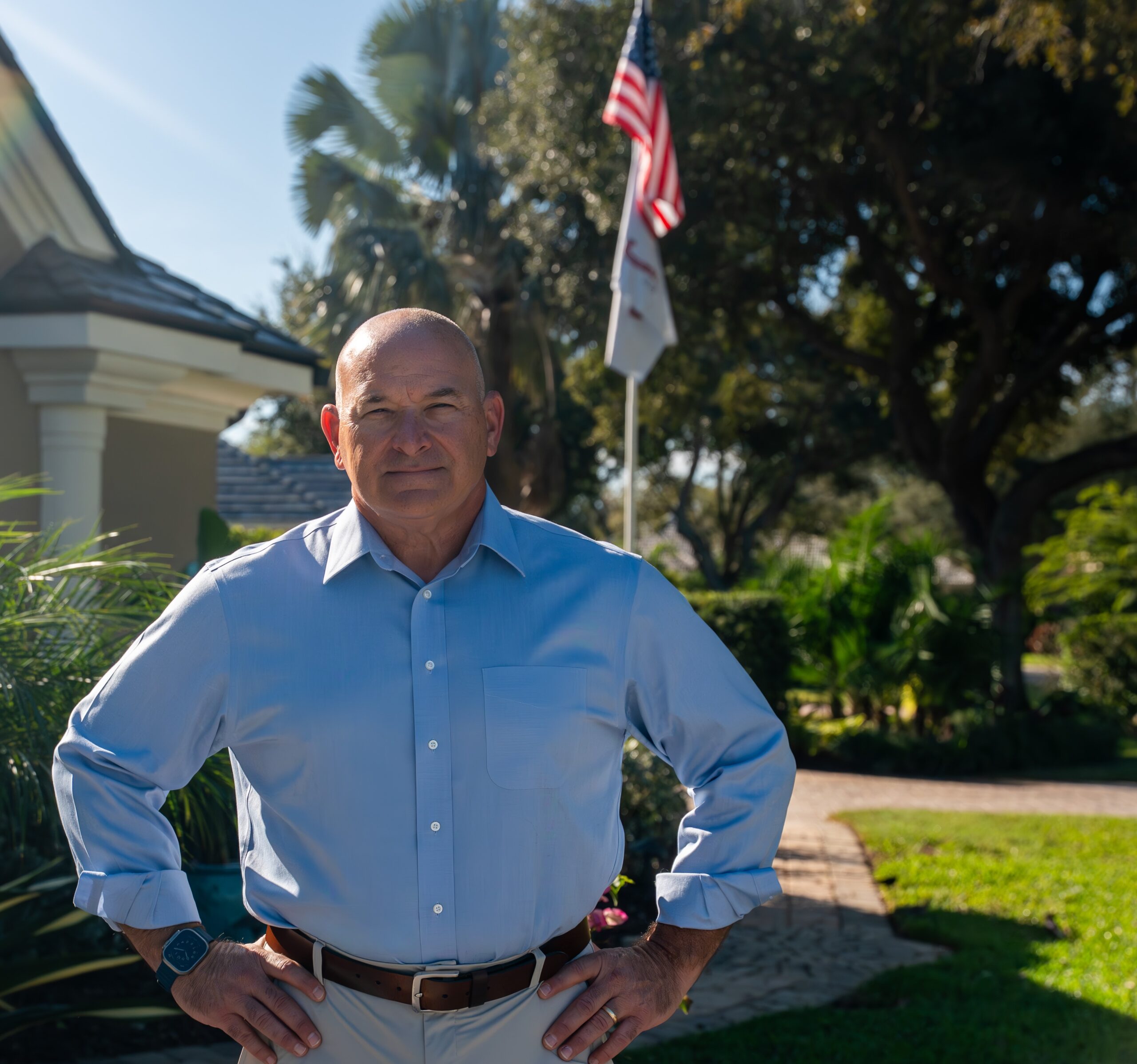
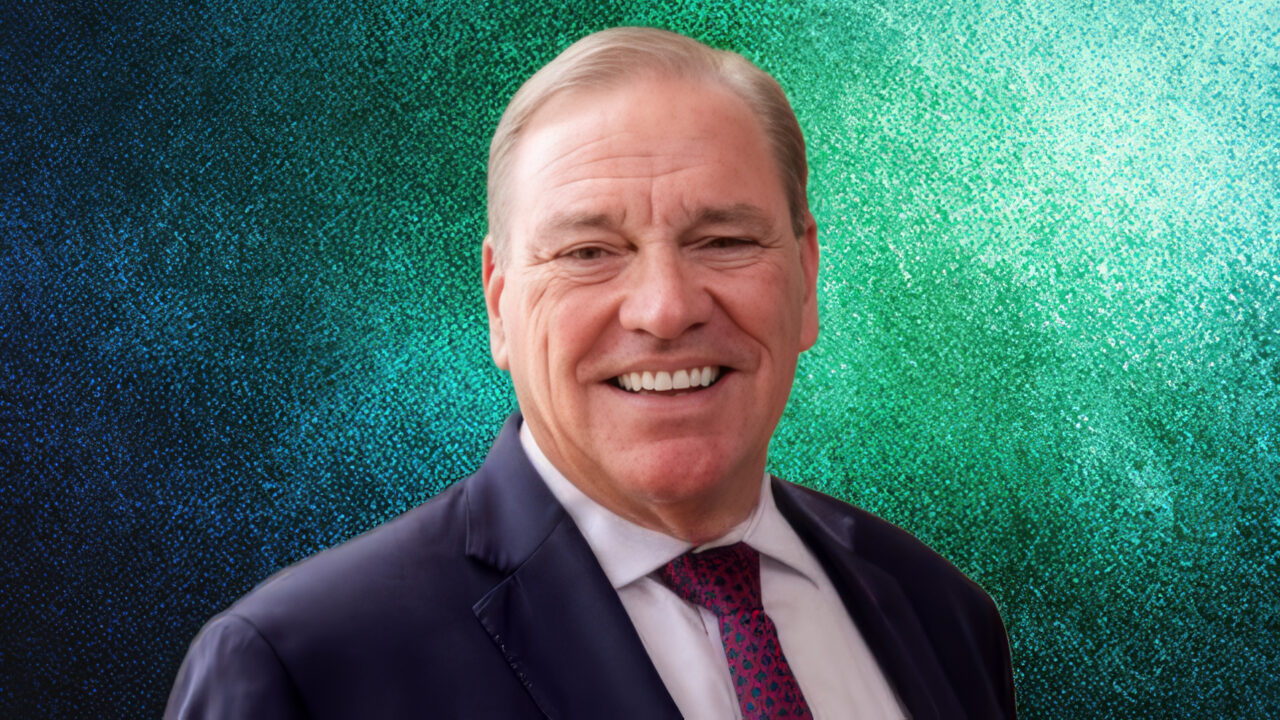
U.S. Rep. Neal Dunn will not seek another term in Congress. The Panama City Republican announced he will retire after a decade in the House.
“After much prayerful consideration and discussion with my family, I have decided not to seek re-election to the United States House of Representatives,” Dunn said. “This will conclude my service after five meaningful terms representing the people of Florida’s Second Congressional District.”
CD 2 covers parts of the Panhandle and Big Bend. Dunn easily won re-election in 2024 over Democrat Yen Bailey with about 61.7% of the vote. More than 58.5% of voters there supported Republican Donald Trump over Democrat Kamala Harris for President, according to MCI Maps, and more than 60% of voters backed GOP U.S. Sen. Rick Scott’s re-election.
Still, the district could generate bipartisan interest, especially as Florida sets out on redrawing its congressional lines ahead of the Midterms.
When Florida last redrew its political boundaries in 2022, it pitted Dunn against U.S. Rep. Al Lawson, a Tallahassee Democrat, in Florida’s only incumbent-on-incumbent battle of the cycle. Dunn ultimately defeated Lawson with 60% of the vote.
Before lines were redrawn, Dunn actually flipped CD 2 from Democratic control in 2016, when he defeated Democrat Walter Dartland, winning a then-open seat with more than 67% of the vote.
The district was redrawn that cycle as well, with the Florida Supreme Court tossing the state’s map and crafting a Panama City-centered district. Under a prior configuration, it was represented by U.S. Rep. Gwen Graham, a Tallahassee Democrat who opted not to seek re-election under the new map.
But now, the 72-year-old said his work in Washington is done.
“As a physician, an Army surgeon, and veteran from a multi-generational military family, I brought my commitment to life, liberty, and conservative values to Washington. It has been my greatest honor to fight for lower taxes, our military and veterans, the unborn, healthcare innovation, and policies that empower Americans over bureaucracy and addressing threats from Communist China, Russia and others,” Dunn said.
“The time has come to pass the torch to new conservative leaders, return home to Panama City, and spend more precious time with my family and our beloved grandchildren. I am deeply grateful for your trust, support, and prayers over these years.”



Justin Baldoni Says Ryan Reynold’s Info Should Not Be Sealed in Blake Lively Suit

Britons turning to AI ‘to help with savvy spending in 2026’ – American Express

Mike Suarez leads the cash battle as Dems seek to reclaim HD 64 after Susan Valdés party swap
-

 Politics8 years ago
Congress rolls out ‘Better Deal,’ new economic agenda
-
Entertainment8 years ago
New Season 8 Walking Dead trailer flashes forward in time
-
Politics8 years ago
Poll: Virginia governor’s race in dead heat
-
Politics8 years ago
Illinois’ financial crisis could bring the state to a halt
-
Entertainment8 years ago
The final 6 ‘Game of Thrones’ episodes might feel like a full season
-
Entertainment8 years ago
Meet Superman’s grandfather in new trailer for Krypton
-
Business8 years ago
6 Stunning new co-working spaces around the globe
-
Tech8 years ago
Hulu hires Google marketing veteran Kelly Campbell as CMO