
Politics
Ryan Chamberlin files first part of 3-bill package to roll back property taxes to 2022-23 levels
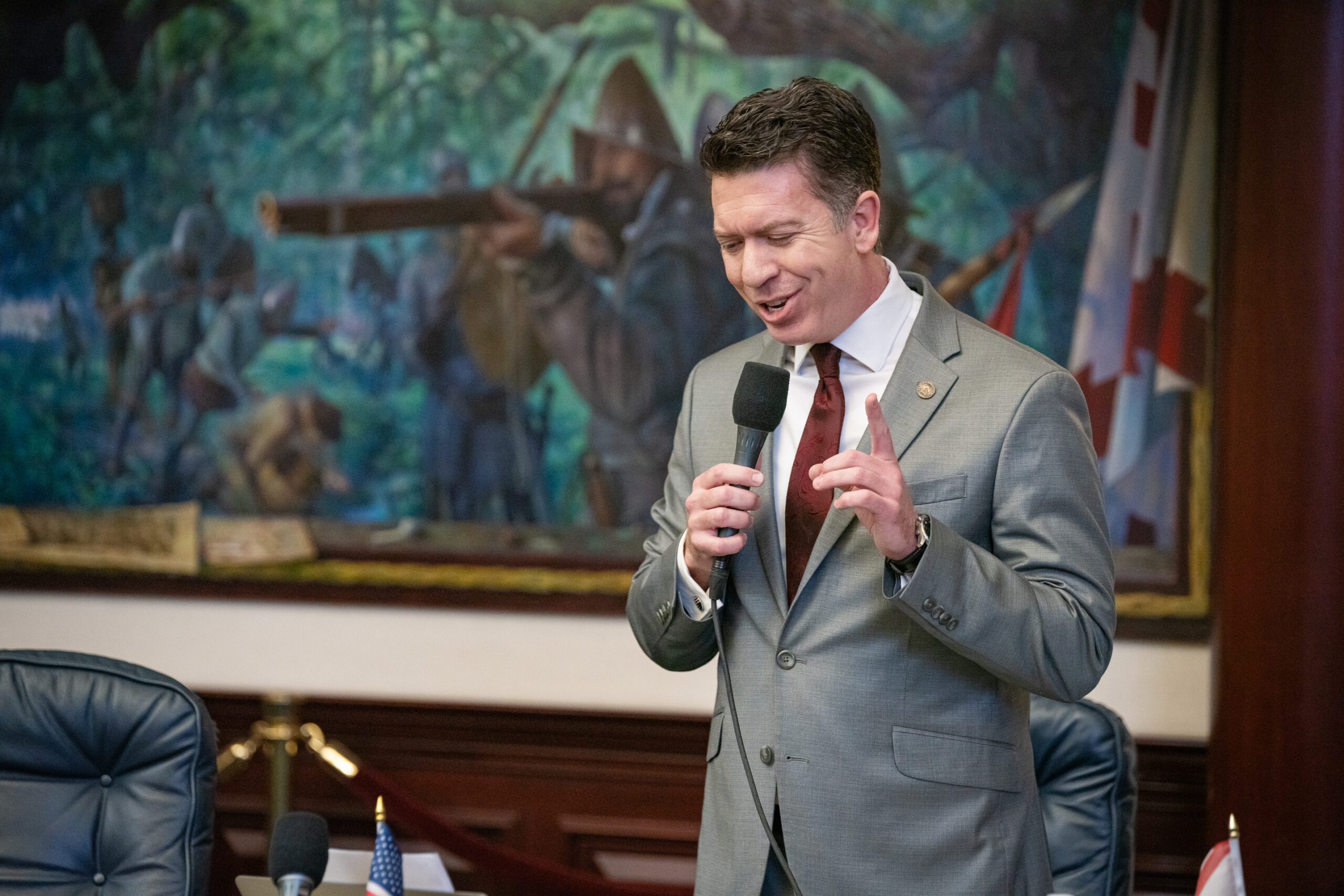
A week before Speaker Daniel Perez unveiled a legislation suite meant to give voters a say next year in reducing their property taxes, Rep. Ryan Chamberlin introduced a more modest relief proposal with similar aims.
Chamberlin, a Belleview Republican, described the bill (HB 149) as a sensible first step toward ending property taxes for good.
In short, the measure, if approved as-is, would require all counties and school districts to reduce property tax millage rates to the same levels as those levied during the 2022-23 fiscal year.
He dubbed the measure “Freedom 1,” as it’s the first of what his office called a “three-tiered plan to reduce and replace property taxes with some other form of taxation.”
The name of that plan, which Chamberlin announced in mid-September, is “Freedom 1-2-3.”
“The first thing we must do to start down the road of eliminating property taxes and the best thing we can do to provide immediate relief is to pass legislatively mandated rollback,” Chamberlin said in a statement.
“With property tax levies having grown on average by almost 50% over the last four years, it makes sense to immediately reduce levies to the 2022-2023 fiscal levies.”
HB 149, which does not yet have a Senate companion, would cap county and school district millage rates at whatever levels generated the same ad valorem revenues in Fiscal Year 2022-23, regardless of subsequent growth in property values.
The rollback would take effect in Fiscal Year 2027-28 and remain in place until the bill’s scheduled repeal on Jan. 1, 2029. According to Chamberlin’s Office, the proposal would generate property tax reductions that vary by count and property type, but should yield an average 20% cut in what homeowners and businesses would otherwise owe.
Chamberlin described the measure as complementary to broader accountability efforts at the local level, like the state DOGE effort under CFO Blaise Ingoglia at the county and municipal levels.

“But by reducing the revenue flow to local governments,” he said, “we will place the burden of DOGE onto those local officials who have spent too much of our massive property tax levies over the past 5 years.”
Chamberlin’s latest effort to end property taxes comes about a year and 10 months after he filed legislation to study the impact of eliminating property taxes and replacing them with a “consumption tax.”
The proposal died in its second committee stop last year. Follow-up measures he filed for the 2025 Session fared similarly.
According to the Tax Foundation, Florida ranks 26th nationwide in property taxes paid as a percentage of household value (0.91%) and 29th in state and local property tax collections per capita ($1,541).
Property taxes are Florida’s second-largest source of per capita revenue after federal transfers, according to an analysis of U.S. Census data by the Urban Institute, a Washington-based think tank.