
Politics
Ron, Casey DeSantis herald groundbreaking carbon-ion therapy investment at Jacksonville’s Mayo Clinic

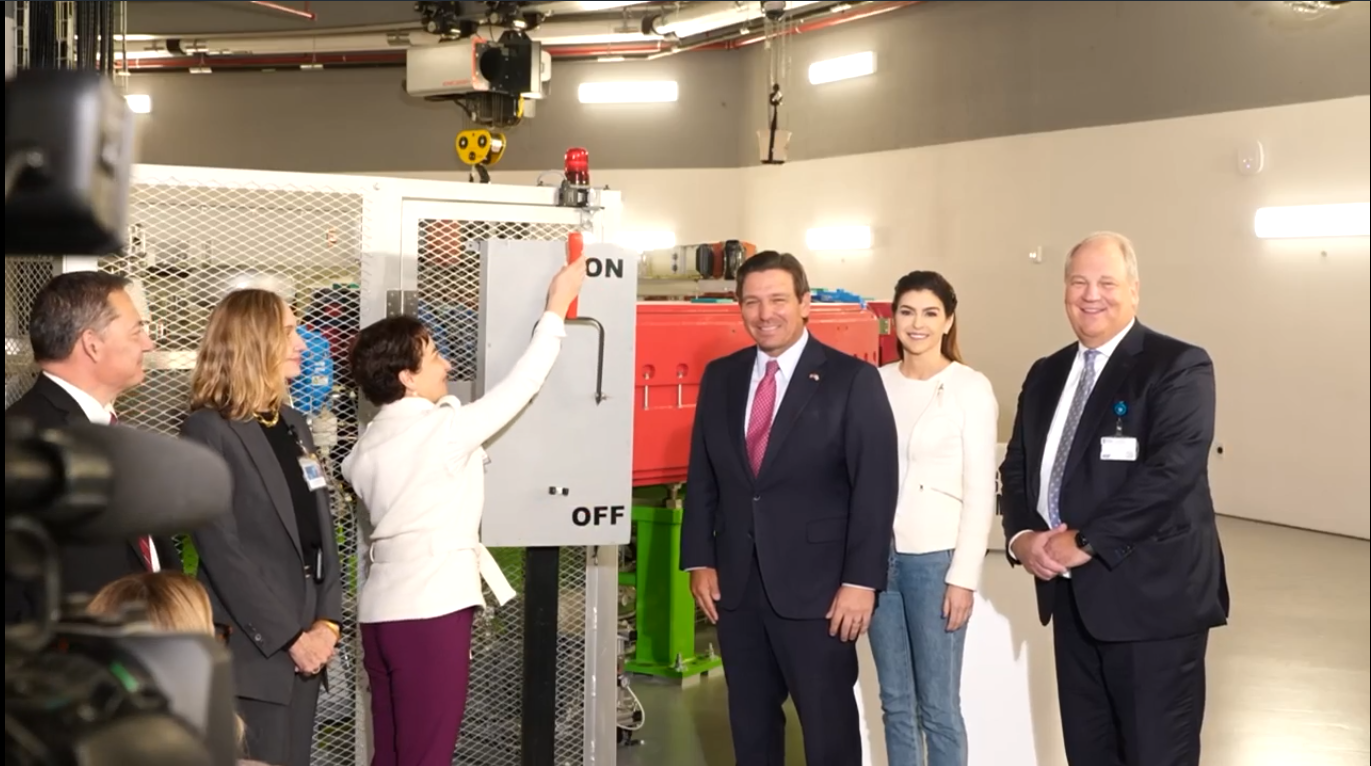
Florida’s First Couple continues to demonstrate a commitment to cancer research, helping to bring new technology to the state that can help those with the toughest forms of the disease.
Gov. Ron DeSantis and First Lady Casey DeSantis returned to Jacksonville to highlight new investments at the Duan Family Building at the Mayo Clinic. It’s part of $218 million appropriated last year, marking over a billion dollars since the Governor was elected, with more than $100 million going to Mayo alone.
“We are here today with the backdrop of all the heavy artillery you see for treating cancer to announce the next major step forward,” the Governor said.
“Mayo Clinic is now launching the technology for the first carbon ion therapy program anywhere in the United States of America. And in fact, it’ll be the only carbon ion therapy program in the entire Western Hemisphere. So this is newer technology. Japan has really embraced it. Mayo’s the first one in the United States.”
Roughly $30 million of state money went into this initiative, which the Governor said is the most advanced form of radiation treatment for cancers that don’t respond well to traditional radiation. He also said it’s a way to continue boosting the “upward trajectory of the medical community” in Florida.
DeSantis said proton and carbon-ion treatments would be available in 2027 and 2028, respectively, with the latter pending federal approval by the Food and Drug Administration. He said carbon-ion had been proven successful in Japan, and had benefits beyond the localized cancer itself.
“There’s a school of thought that it basically helps with your natural immunity or some of the other medications for other parts of your body that would potentially be subjected (to cancer risk),” DeSantis said.
Dr. Kent R. Thielen, Vice President of the Mayo Clinic, called this investment a “transformative moment in the future of family care,” with the most technologically advanced treatment modality anywhere. Carbon-ion treatment particularly helps patients and cancers resistant to proton therapy, he said, as the former is 12 times heavier than the latter and therefore can be more medically effective than proton therapy alone.
Adults and children could be treated in the coming years, Thielen added.
Casey DeSantis said this was a “huge deal” for Florida and well beyond. A cancer survivor who has ongoing effects from radiation therapy herself, she expressed hope that the new technology would improve the quality of life of those who beat the dreaded disease.


Florida is in the middle of a housing affordability crisis.
Across our state, families are feeling the squeeze of a housing market that no longer works for them. Rapid population growth, rising construction costs, and record-high taxes all contribute to the crisis. But a major part of the problem is far less visible.
Outdated zoning rules are making it harder to build the homes Floridians need.
Minimum lot-size mandates are a major issue. In many communities, local governments require new homes to be built on lots that are far larger than the market demands. This may have made sense a decade ago, but today it limits housing supply, increases costs, and pushes homeownership out of reach for the next generation.
The impact is clear. According to the American Enterprise Institute, Florida faces a housing shortage of more than 486,000 homes. Families are paying more than ever just to keep a roof overhead, and the average home price in Florida has now reached about $400,000. This is a clear sign that housing costs are continuing to rise in Florida, and we urgently need these reforms. Multigenerational households, which are increasingly common in states where families care for multiple children and aging parents under one roof, often cannot expand or add living space because zoning rules restrict growth.
The housing affordability crisis is not accidental. It’s the result of decades of policies that restricted supply, limited housing types, and made it nearly impossible for the market to keep up with demand.
Florida homeowners need common-sense solutions. Thankfully, lawmakers have filed legislation, SB 948 and HB 1143, that would modernize minimum lot size requirements and restore flexibility for both homeowners and builders. This reform would allow the market to produce the smaller, more attainable homes that do not exist today. And Florida would not be alone.
Texas recently enacted similar lot-size reforms and has shown that a conservative, pro-growth approach to zoning works. When Texas lifted unnecessary land-use barriers, communities gained more choices and families benefited from a wider range of affordable housing options.
This effort also aligns with another important housing solution moving through the Legislature. House Bill 313 and Senate Bill 48 strengthen support for accessory dwelling units (ADU), often called garage apartments, in-law suites, or granny flats. ADUs give families a practical way to create affordable rental units, support aging parents, help young adults stay close to home and make better use of underused land near jobs and schools.
Both reforms target the same issue: the lack of affordable homes in communities across Florida.

When local governments enforce large minimum lot sizes, they block the smaller, more affordable homes that many families would choose. They also make it more difficult for ADUs, modular homes, and cottage-style developments to expand.
At a time when families are being priced out of the neighborhoods they love, these restrictions no longer make sense.
By eliminating minimum lot-size mandates, lawmakers can enable new starter homes, duplexes, cottages, and family-friendly ADUs that reflect how people actually live today. A statewide approach would also bring consistency and predictability to a system that currently varies widely across localities.
Florida has always been a place of opportunity. But opportunity means little if families cannot afford to buy a home and stay there.
Americans for Prosperity-Florida supports this legislation because it puts families, homeowners and communities first. Floridians deserve the freedom to use their property in ways that meet their needs while strengthening families and communities. We appreciate Sen. Stan McClain and Rep. Danny Nix, sponsors of SB 948 and HB 1143, along with Sen. Don Gaetz, for driving these common sense solutions that will help lower housing costs and expand opportunities for Florida families.
It is time to lift outdated restrictions and help end the housing affordability crisis.
Together, we can get the government out of the way and create greater housing opportunities for Florida families.
___
Skylar Zander is the State Director of Americans for Prosperity-Florida.
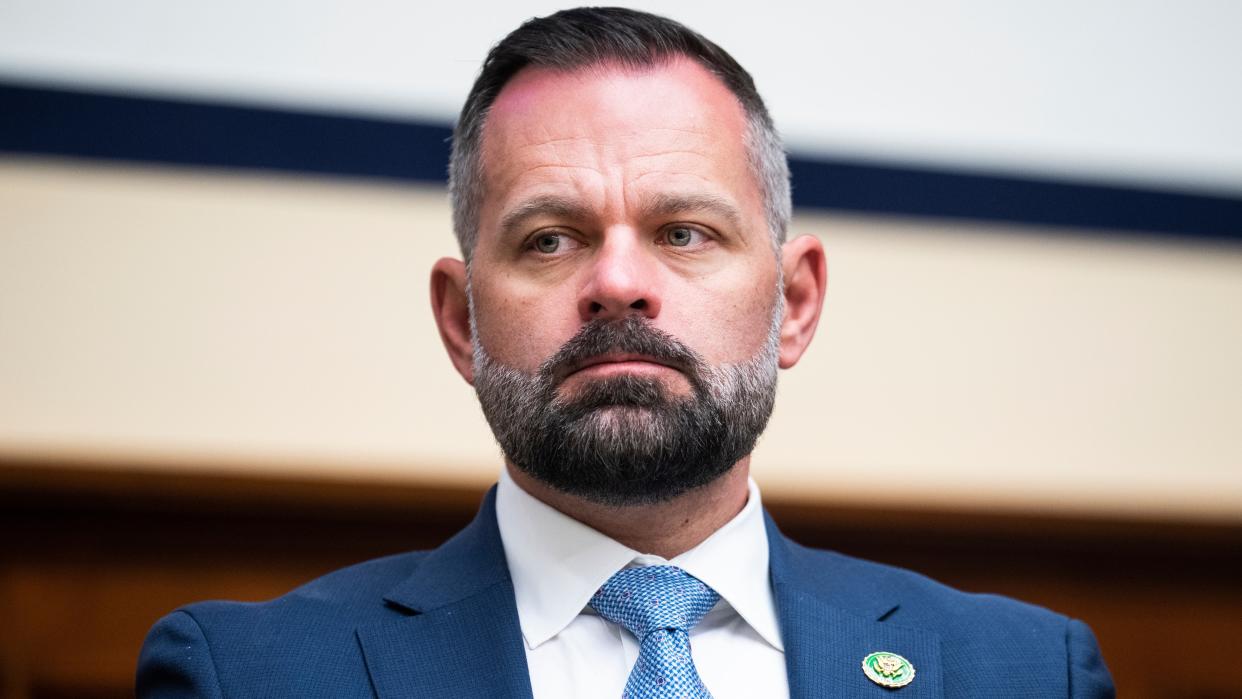
A top political prognosticator just offered a fresh assessment on Democrats’ chances of unseating U.S. Rep. Cory Mills.
Cook Political Report has moved Florida’s 7th Congressional District from its “Solid Republican” to “Likely Republican” column.
The shift came as the high-profile election predictions site moved 18 House races nationwide in a direction favorable to Democrats. That suggests a hostile climate for Republicans overall, two years after President Donald Trump’s return to the White House.
But Mills’ particular situation has also been impacted by a series of scandals, something the Democratic Congressional Committee (DCCC) was quick to point out.
“Voters in Florida’s 7th Congressional District deserve a representative that is focused on them and their priorities, not someone distracted by the need to litigate personal scandals on multiple fronts,” said DCCC Spokesperson Madison Andrus. “This November, Floridians are going to elect a fighter that’s actually in their corner.”
Three Democrats remain in the running to challenge Mills: Jennifer Adams, Bale Dalton and Marialana Kinter. Noah Widmann, the top fundraiser through the third quarter of 2025, recently dropped out and endorsed Dalton.
Mills, meanwhile, has faced criticism even from Republican colleagues, especially women, who have encouraged him not to seek another term.
The New Smyrna beach Republican remains under investigation by the House Ethics Committee for a number of issues, including allegations about him profiting from Defense Department contracts while serving in Congress, assaulting a girlfriend in their shared Washington apartment, threatening to publicly distribute intimate photos of an ex-girlfriend who lived with him in New Smyrna Beach, and exaggerating his military service.
Mills in 2024 won re-election to a second term, receiving 56.5% of the vote over Adams. In the same election, 55.6% of voters supported Trump for President compared to 43.1% support for Democrat Kamala Harris, according to MCI Maps. More than 54.7% of voters in the district supported U.S. Sen. Rick Scott’s re-election.
Notably, the lines for CD 7 could soon shift, with GOP leaders in Florida promising redistricting ahead of the Midterms.

Politics
3 Democrats already challenging Neal Dunn see opportunity in CD 2 following retirement news
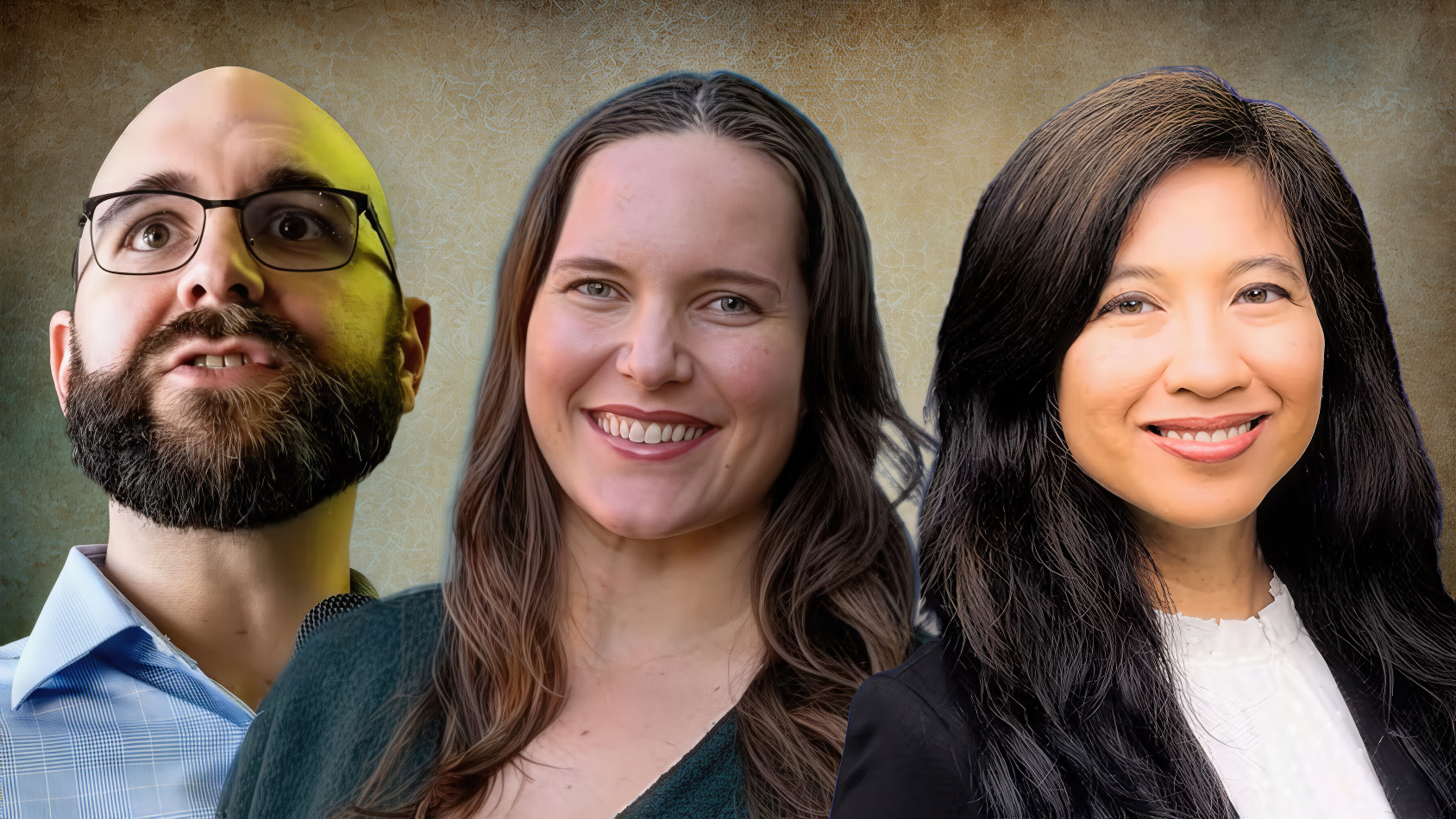
News that U.S. Rep. Neal Dunn will retire after this year has fueled speculation about who may enter the race. But three Democrats have been running for months, collectively raising more than a quarter million dollars to take on the incumbent.
Yen Bailey, who challenged Dunn in 2024, was preparing for a rematch. But the race also drew in foreign aid professional Amanda Maria Green and tech entrepreneur Nic Zateslo. All suggested in online posts that Dunn’s motivation for retirement may have been a sense that the 2026 Midterms will prove especially hostile to Republicans.
Of course, the prospect of an open seat has drawn new interest in the race. Former U.S. Rep. Gwen Graham, a Tallahassee Democrat, confirmed to Florida Politics she is thinking about a run. And many expect interest from former U.S. Rep. Al Lawson, a Tallahassee Democrat who lost to Dunn in 2022, and former state Sen. Loranne Ausley, a Tallahassee Democrat unseated the same year.
But the candidates already in the running have a jump on organizing and fundraising, even if they don’t have as much experience on the trail.
Bailey, a Tallahassee lawyer, won just 38.3% of the vote against Dunn in the last election cycle. That election proved to be a good year for Republicans, with 58.5% of voters in the district voting for Donald Trump for President and 60% backing U.S. Sen. Rick Scott’s re-election.
But she welcomed the retirement news, declaring “Dunn is done” in a post on X.
“This district has a genuine chance at real representation that shows up, listens and actually works for the people,” she said in a video message. “We also know that the Republican Party is a well-oiled machine. The rumors are already swirling about who they’re going to run next, and whoever it is, they are going to be loyal to Trump and do exactly what he tells them to.”
Through the end of September, Bailey raised more than $102,000, including more than $88,000 in individual contributions. The total also includes a $13,000 candidate loan.
But Zateslo reported more than $120,000 in fundraising, including about $18,000 in self-funding. He has worked at a number of political tech companies, including working as chief operating officer for Votivate, a technology project launched by the Working Families Party and now used by Democrats and progressive groups.
After Dunn announced he would not seek re-election, Zateslo issued a statement saying Democrats need to mobilize immediately.

“For those of us who call North Florida home, this is an important moment to take stock of what has worked, what has not, and what kind of leadership we need going forward,” he said.
“l am an Eagle Scout, an entrepreneur, a husband and a father of two young boys who grew up right here in North Florida. I believe we need leadership grounded in integrity, real-world experience, and a willingness to do the work, not in career ambition or the same old political playbook.”
Green filed for the office in August and has since raised about $42,000 for a run, all through outside donations. She worked nine years for Chemonics International, a top contractor for the U.S. Agency for International Development before its dismantling under Trump.
She has been campaigning while pregnant for months, and had a child days before Dunn’s announcement. But she jumped online at the news to post a statement on the development.
“Thank you, Neal Dunn, for finally recognizing that another run for this seat would be a disservice to our community. After five terms of absentee leadership, we finally have an open seat and a real chance to move forward,” she said.
“Florida’s District 2 has been asking for more, and for better, for a long time: better communication, more presence, real accountability, and true representation. Today is proof that persistence and pressure work. To my neighbors in North Florida — our work is far from over. We deserve better, and I will demand better as your representative. With your support, we can fight for a better and stronger future for our families, together.”


Gavin Newsom started his career with billionaire funding, but he was raised by mother with 3 jobs

‘SNL’s Chris Redd Rules Out Kenan Thompson As Suspect in Beatdown

FGF Industry brand Blauer expands into Scandinavia and the Balkans, women’s and kid’s wear performs very well
-

 Politics8 years ago
Congress rolls out ‘Better Deal,’ new economic agenda
-
Entertainment8 years ago
New Season 8 Walking Dead trailer flashes forward in time
-
Politics9 years ago
Poll: Virginia governor’s race in dead heat
-
Politics8 years ago
Illinois’ financial crisis could bring the state to a halt
-
Entertainment8 years ago
The final 6 ‘Game of Thrones’ episodes might feel like a full season
-
Entertainment8 years ago
Meet Superman’s grandfather in new trailer for Krypton
-
Business8 years ago
6 Stunning new co-working spaces around the globe
-
Tech8 years ago
Hulu hires Google marketing veteran Kelly Campbell as CMO