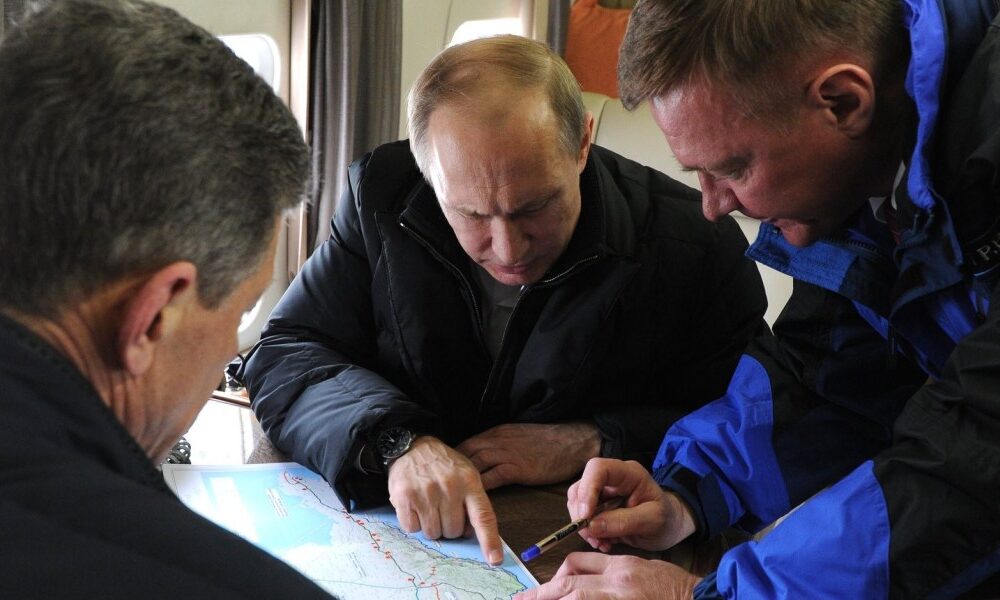
Starovoit, 53, was removed from his post by Russia’s President Putin after barely a year in office. Before he was appointed transport minister in May 2024, he served as governor of the Kursk region, a border area critical to Russia’s logistics and military operations. His dismissal came amid mounting transportation crises, including widespread flight cancellations linked to Ukrainian drone attacks and a major ammonia leak at a Leningrad port.
The Kremlin did not specify the reason for his removal, but reports indicate Starovoit may have faced a looming criminal investigation related to alleged budget improprieties during his governorship.
‘Sudden Russian death syndrome’
Since 2022, dozens of prominent Russians—many in the energy, finance, and infrastructure sectors, often at the level of director or chairman—have died in ways that have fueled speculation about internal power struggles, corruption probes, and the Kremlin’s shifting loyalties. Starovoit is the fourth of Putin’s ministers to die in that period.
Starovoit’s sudden death is notable not only for its timing—mere hours after his firing—but also for its echoes of a troubling pattern among Russia’s elite. In recent years, a string of high-profile officials, oligarchs, and business leaders with close Kremlin ties have died under mysterious or violent circumstances. These incidents, often labeled as “sudden Russian death syndrome,” include apparent suicides, falls from windows, and unexplained accidents.
The episode underscores the precariousness of elite status in Putin’s Russia—and the unpredictable consequences for those who lose the president’s trust.
For this story, Fortune used generative AI to help with an initial draft. An editor verified the accuracy of the information before publishing.
Introducing the 2025 Fortune 500, the definitive ranking of the biggest companies in America.
Explore this year’s list.