
Politics
Residents press for MLK Street safety upgrades as St. Pete faces state tax pressure
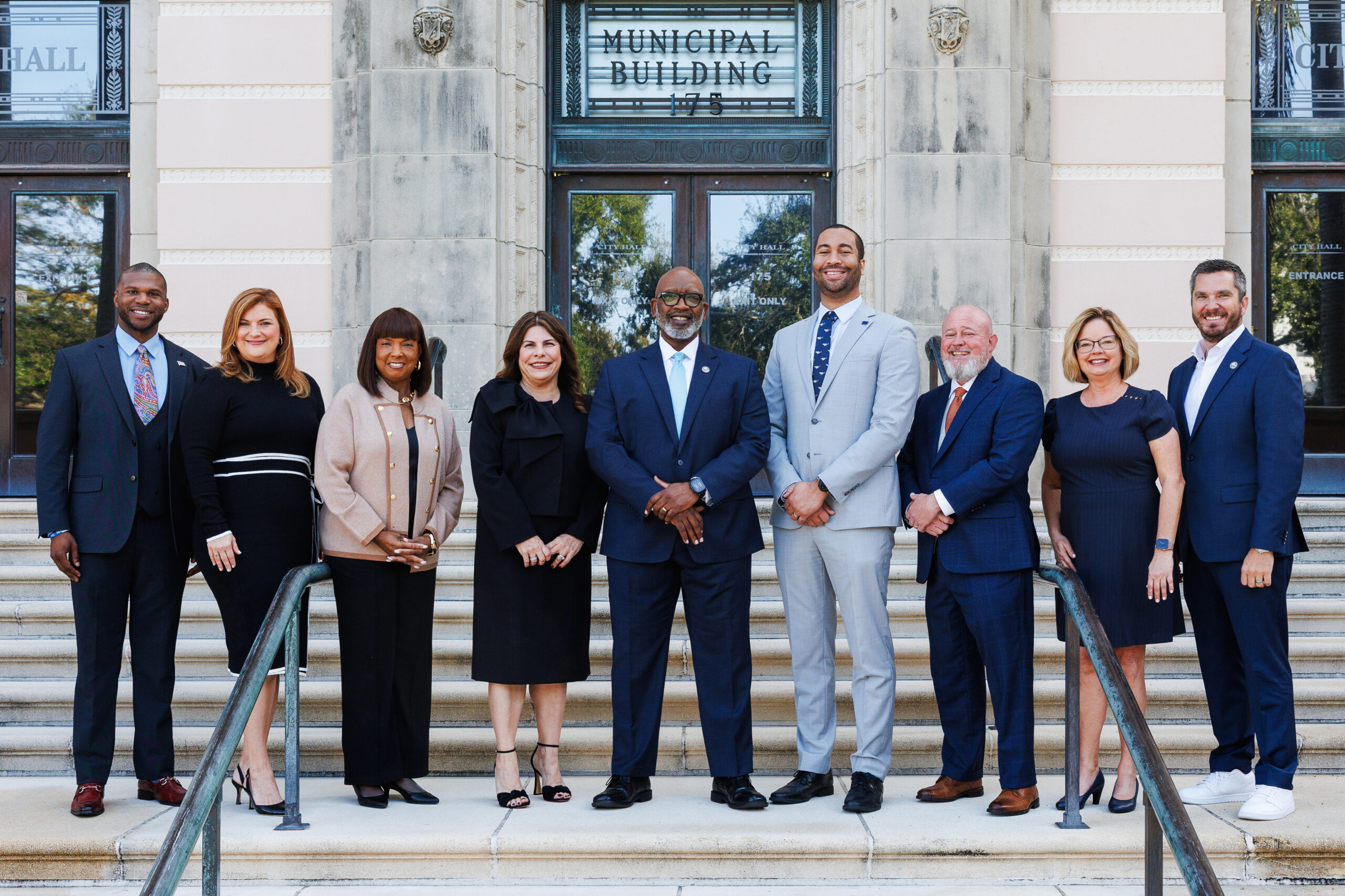
St. Petersburg residents are pressing city leaders to prioritize long-needed public safety improvements along Dr. Martin Luther King Jr. Street while also calling for investments in arts programming and community amenities.
The feedback, delivered during a public comment session that will help shape the city’s Fiscal Year 2027 budget, highlights the competing demands facing officials as they evaluate growing community needs with limited resources as state legislators push property tax reform. It also follows recent criticism from CFO Blaise Ingoglia over city spending.
City Council Chair Lisset Hanewicz opened the workshop by emphasizing the balancing act ahead. She called for investment in core services such as public safety, infrastructure, sustainability, “and the everyday essentials that residents depend on.”
“We are navigating rising costs, shifting federal support and uncertainty at the state level. In that environment we must focus on what matters most: keeping St. Petersburg safe, resilient, and moving forward,” Hanewicz said.
Early budget estimates outline capital “resources” across several categories. That includes roughly $3 million in housing and general capital improvements funds, $41.6 million in capital projects funded through the Penny for Pinellas sales tax, about $3.2 million for other capital improvements — such as bicycle and pedestrian safety — and approximately $159 million in enterprise capital projects, including water resources, stormwater drainage and airport improvements.
Meanwhile, planning documents identifying current funding needs show higher demand in several areas, including nearly $5 million for housing and general capital improvements, about $34 million in penny-funded projects, roughly $3.7 million in other capital improvements, and just over $160 million in enterprise capital investments.
City officials have about $40.8 million in funding still unappropriated headed into upcoming budget discussions, highlighting key decisions ahead.
Mayor Ken Welch said the administration is working to fund “essential city services” while addressing emerging priorities such as resiliency needs across the city. His administration is working to align spending with his “five pillars for progress”: education and youth opportunities; equitable development; neighborhood health and safety; housing opportunities for all; and environment, infrastructure and resilience.
Welch cautioned that priorities are colliding with fiscal realities, but said the city will ask voters to support an estimated $600 million general obligation bond to support needed resiliency improvements throughout the city.
“Under our St. Pete Agile Resilience program (SPAR) we fast tracked the completion of several infrastructure projects,” Welch said. “But the resources needed to make a more substantial impact, to meet more of the objectives of the stormwater master plan, require a higher level of funding — and we need that funding now in the near term.”

However, much of the public comment focused on the need to accelerate “Complete Streets” projects — particularly along MLK Street in South St. Petersburg — and other neighborhood or cultural priorities.
St. Petersburg resident Miko Seymour, who is opening a café on MLK Street soon, said the corridor is in dire need of public safety improvements.
He painted a picture of what it’s like to walk down the street that bears the name of the civil rights leader — a walk that includes “elders waiting at bus stops with no shade,” and “mothers pushing strollers in the street because the sidewalk gave out 3 blocks ago.” He also noted dangerous intersections known even among local children to be deadly.
Seymour was among many local residents who expressed a similar desire for complete streets investment on MLK Street this year.
“I’ve grown up in public housing, raised by a single mother, and I know what it feels like to live in a neighborhood the city forgot,” he said. “I’m raising a daughter in a city I believe is way better than that, so put money where the name is. Put money where the people are.”
While MLK Street safety dominated the discussion, speakers also urged the city not to overlook other quality-of-life investments. Claudio Rodriguez, CEO of the Museum of Fine Arts in St. Petersburg, made a case for continued arts funding. He noted art’s economic importance and cultural significance to St. Petersburg.
“As a cultural anchor for over 60 years, we have evolved alongside St. Petersburg to ensure that art remains a resource for everyone in this community,” Rodriguez said. “Our mission is deeply aligned with the Mayor’s Pillars for Progress. We don’t just house objects, we use them to build a more equitable and connected community through our intergenerational education programs.”
Others pointed to waterfront infrastructure, including calls to prioritize funding for the replacement of the Jungle Prada Pier. Juliana Fisher, President of the Jungle Prada neighborhood association, said residents are willing to wait for a full rebuild rather than accept a scaled-down project.
Fisher spoke on behalf of Jungle Prada residents as well as other nearby neighborhoods “spanning thousands of residents in western St. Pete” who have aligned with calls for a fully fleshed-out pier rebuild. She said some residents are even volunteering to try to identify alternative funding sources to ensure community desires are not shortchanged in the pier’s rebuild.
“It’s important that this pier be replaced at its existing length and size, even if it takes longer to gather funds, get approvals or extend permits versus rushing the project for a less desirable finished product, such as a smaller structure,” Fisher said.
“Understanding the pier creates a budget challenge, and considering the newly approved federal funds for the Dunedin Pier, several neighborhood volunteers are working to investigate external funding assistance from federal, state, environmental and historical structure grants.”
Several speakers also called for increased investment in youth programming and violence prevention initiatives, arguing that proactive outreach and access to resources are critical to improving public safety in South St. Petersburg. Others highlighted food access challenges, urging the city to invest in community-based solutions to address food insecurity.
The public input, made during a public forum on Monday, comes as St. Petersburg continues its multimonth budget process. Welch is expected to make formal budget recommendations in July and the City Council is expected to approve a finalized budget in September following required public hearings.