Politics
Report links patient deaths in Florida to missed monitoring in state hospitals
A new report from Disability Rights Florida says at least six deaths inside the state’s mental health hospitals over the past five years were preventable and stemmed in part from missed safety checks, falsified records and broader failures in oversight.
The watchdog organization, Florida’s federally designated protection and advocacy system for people with disabilities, found basic procedures meant to ensure patients were alive and not in distress were repeatedly ignored.
In several cases, hospital staff documented checks that investigators later concluded never occurred.
The report, finalized last month and announced this week, examined deaths at Florida State Hospital, Northeast Florida State Hospital, North Florida Evaluation and Treatment Center and South Florida State Hospital, highlighting what its authors characterized as a pattern of negligence that contributed to deaths by suicide, homicide and untreated medical complications.
“These are not isolated incidents,” Disability Rights Florida Executive Director Cherie Hall said in a statement. “These are systemic failures in facilities responsible for the care of some of Florida’s most vulnerable individuals.”
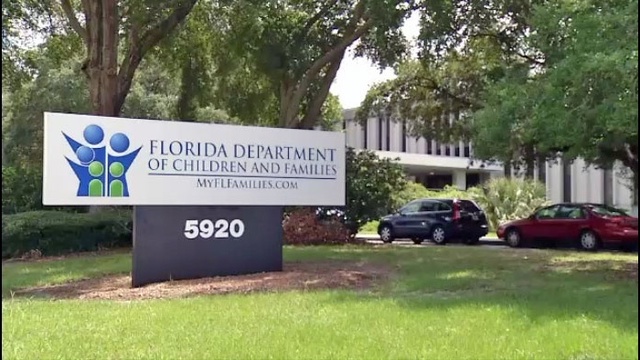
Patients continue to die, Disability Rights Florida said, because Florida’s Department of Children and Families (DCF) “has not made the kind of systemic reforms necessary to prevent these problems across its system of care.”
Florida Politics contacted DCF for comment on this story, but received no response by press time.
At issue are patient safety checks, or “face checks,” used to verify that patients are safe and responsive. In most psychiatric settings, patients are checked every 15 minutes. But in Florida’s state hospitals, the default is every 30 minutes, with more frequent checks requiring time-limited medical orders.
Disability Rights Florida found that those safeguards were often missed, performed superficially or falsified.
In one case, a 57-year-old woman at Northeast Florida State Hospital referred to as “Ms. A” was supposed to be monitored every 15 minutes after suffering a head injury from falling out of her wheelchair.


Staff recorded completing those checks, but investigators found they were not done. The woman was discovered unresponsive hours later, foaming at the mouth without a pulse and not breathing.
She was pronounced dead after emergency lifesaving measures failed, and a postmortem analysis found she likely had a seizure staff failed to notice until it was too late.
In another case, a 50-year-old woman at Florida State Hospital called “Ms. B” died after asphyxiating herself by putting a washcloth in her mouth and a plastic bag over her head. Staff failed to complete required checks and later signed off on observations they did not perform.
By the time she was found, her body was cold to the touch and rigor mortis — which begins about two hours after death — had set in.
“Mr. D” died in an almost identical fashion at North Florida Evaluation and Treatment Center after going unobserved for hours. He was known for hoarding prohibited items, and staff had previously found plastic bags like the one he used to kill himself in his room months before his death.
At South Florida State Hospital, “Mr. C” was found unresponsive after he was beaten by his roommate. Staff should have checked on him every 30 minutes, but didn’t. They recorded doing so, but video reviewed by Disability Rights Florida showed staff performed just two patient safety checks, neither of which was long enough to verify signs of life.
The man died in an outside hospital two days later.
Two additional deaths at Florida State Hospital also involved falsified logs, including one patient, “Mr. E,” who hanged himself in a dormitory hallway and another, “Mr. F,” who accessed an unsecured laundry room and did the same after going unchecked for hours. Mr. F told staff during his admission that he had attempted suicide at least five times before.
Disability Rights Florida said the breakdowns reflect gaps in oversight and inconsistent practices across facilities, not just individual lapses. Patient safety checks, the group said, are typically performed by direct care staff — often low-paid, nonclinical workers in high-turnover roles — with limited supervision from nursing or administrative personnel.
The report found that DCF has not established uniform statewide standards for how checks should be conducted or audited, with hospitals setting their own procedures and, in many cases, having no reliable ways to verify whether checks were properly completed.
While facilities have taken corrective steps after deaths, such as firing staff or removing hazards, the group said those responses have been reactive rather than prescriptive, and too narrowly focused.
Disability Rights Florida recommended that DCF:
— Conduct comprehensive environmental safety reviews at all state hospitals in areas where patients live, which must include ensuring that ligatures and other potentially harmful items like plastic bags are not accessible to patients.
— Review its procedures for screening suicide risk to ensure they reflect best practices.
— Increase staffing of units in late night/early morning hours, when suicides most frequently occur.
— Standardize procedures for how staff at state hospitals should conduct patient safety checks.
— Implement video audits to ensure patient safety checks are conducted properly.
“People receiving treatment in state mental health hospitals are patients first,” Hall said. “When the state takes custody of someone for treatment, it has a legal and moral responsibility to keep them safe.”
The findings come as Florida’s mental health system faces broader strain.
DCF has long struggled to provide enough treatment beds for mentally ill inmates deemed incompetent to stand trial or not guilty by reason of insanity. Florida Politics reported in August that 772 defendants were waiting beyond the 15-day transfer deadline, with average waits exceeding 100 days.
A state-commissioned analysis projected Florida will need at least 1,602 additional forensic beds within five years to meet demand.
If DCF fails to close that gap — which has contributed to suicides and cases of self-mutilation — it could expose Florida to costly lawsuits, including a $100 million judgment in Washington in 2023.