
Politics
Reggie Gaffney, Audrey Gibson set to collide in HD 13 race to succeed Angie Nixon

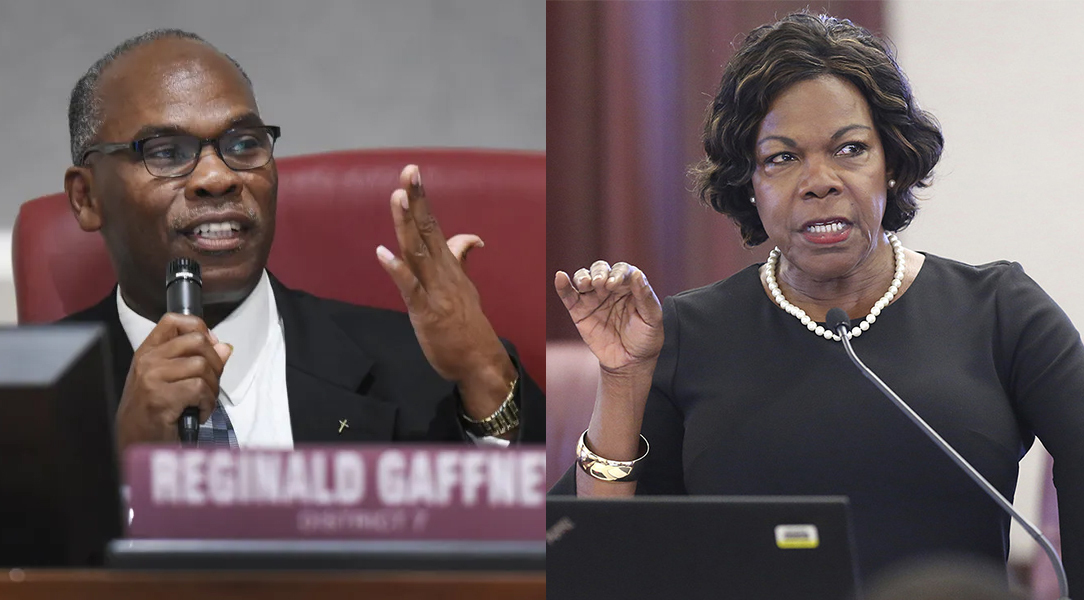
With state Rep. Angie Nixon exploring a run for U.S. Senate, a familiar face is resurfacing as a candidate in 2026.
And another one may be in the race soon.
Former Jacksonville City Councilman Reggie Gaffney Sr. is in the House District 13 Democratic Primary.
And Audrey Gibson, the former leader of the Senate Democrats, could file as soon as next week.
Both are among the best known Democrats in Duval County, with considerable political experience.
And both are recovering from recent political setbacks.
Gaffney served most of two terms, leaving the Council for what was an unsuccessful run against Tracie Davis for the Florida Senate in 2022, after Gibson was term limited.
Gibson ran to be Chair of the Florida Democratic Party after leaving the administration of Jacksonville Mayor Donna Deegan last year, but ultimately fell short in her bid to replace Nikki Fried.
Political newcomer Shemiah Rutledge is already in the race, but Gaffney and Gibson will complicate any path she might have had.
Whoever wins the primary likely wins the seat, given the Democratic registration edge in the Duval County district.

If elected, Gaffney promises to bring the “same energy” to Tallahassee that he did to City Hall, vowing to “build relationships” and “work across the aisle” for economic development, job creation, mental health and education.
He laments that in Washington and state government, people don’t work together across party lines.
“From Day 1, I’ll know the Governor’s name, the key members in the House. I’ll make a difference,” he told Florida Politics.
He also promises to make appropriations a priority for the district, which includes much of Jacksonville’s Urban Core.
Gibson notes that she told Gaffney she would run weeks ago, and is excited about the opportunity to serve in office again.
As a former leader of the Senate Democrats, she is well acquainted with the process in the State Capital, and has been productive in scoring wins for her constituents as well.
Gibson confirmed that Nixon was not running for a fourth term in the House before deciding to run.
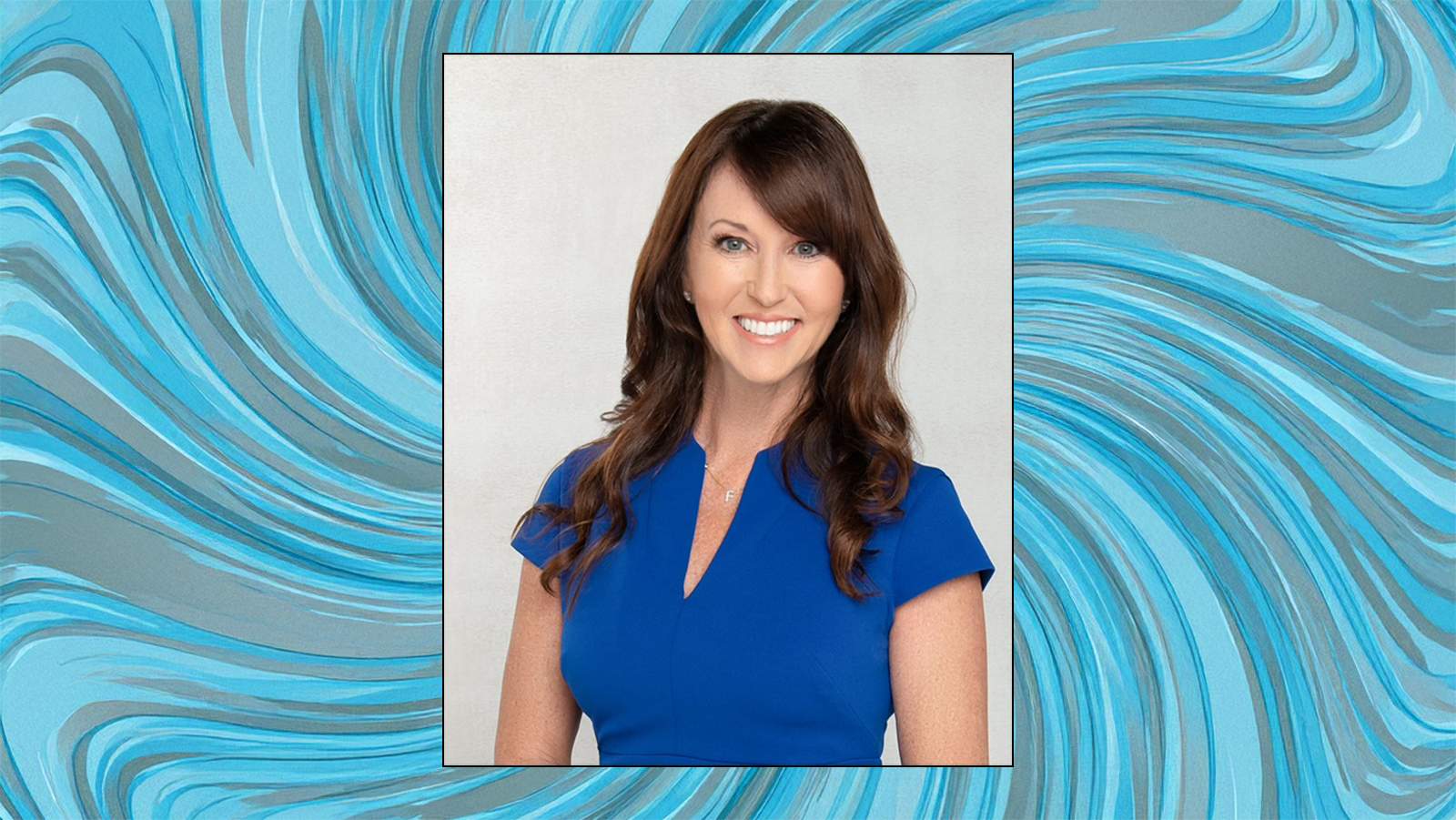
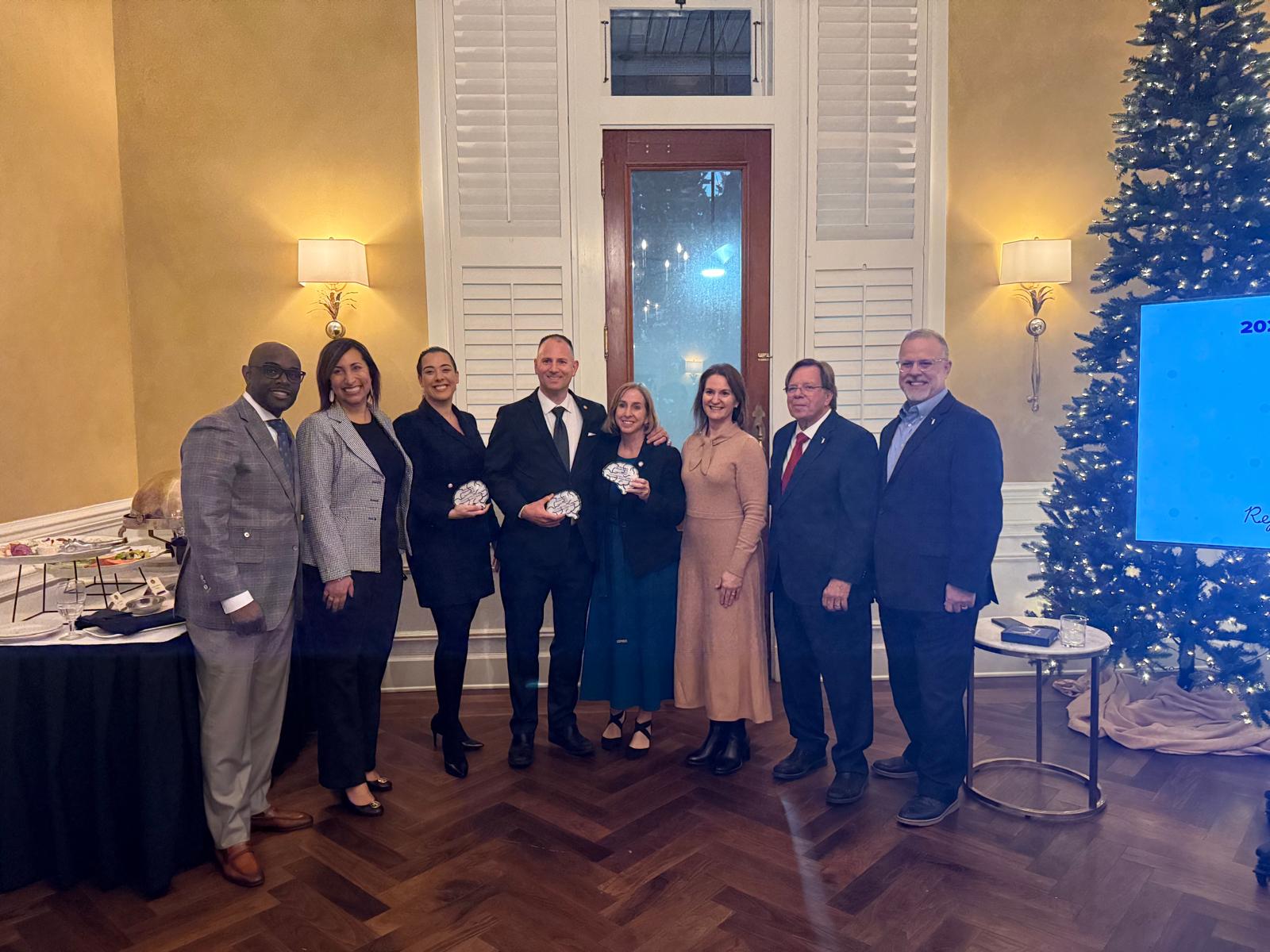
The Children’s Movement of Florida gathered a full room of advocates and lawmakers to recognize three legislators who helped steer early learning priorities across the finish line during the 2025 Legislative Session.
At a ceremony at the Governors Club in Tallahassee, the organization presented its Early Childhood Champion Award to Republican Sen. Alexis Calatayud, Democratic Rep. Robin Bartleman and Republican Rep. Chase Tramont. The Children’s Movement praised the lawmakers’ work expanding access to the state’s School Readiness program and strengthening support for children with special needs.
The group said the trio played central roles in improving tuition assistance and ensuring families aren’t shut out of early learning opportunities as incomes rise.
“Sen. Calatayud, Rep. Bartleman, and Rep. Tramont demonstrate the bipartisan consensus that investing in early learning is good for our state — benefiting not only children and families, but also the state’s workforce and economy,” said Madeleine K. Thakur, President and CEO of The Children’s Movement.
“Their commitment to increasing access for Florida families is an important contribution to our birth-20 education system, and enables true parent choice for the earliest years before kindergarten.”
Calatayud’s bill on the School Readiness program (SB 1102) contained changes designed to make it easier for providers to receive special needs differential funding. The new law also requires participating programs to complete 10 hours of inclusive-practices training before receiving the additional dollars, a move supporters say helps ensure children with special needs can be served effectively.
The House companion, sponsored by Bartleman and Rep. Dana Trabulsy (HB 877), cleared all committees before lawmakers opted to take up the Senate version.
Calatayud also joined Tramont in spearheading legislation tying income thresholds for the School Readiness program to a percentage of the state median income rather than the federal poverty level, among other changes. Advocates argued the shift was necessary as Florida’s minimum wage continues to climb, pushing some working families out of eligibility even as costs rise.
Their proposals were ultimately rolled into the House’s broader education package (HB 1255).
The Children’s Movement of Florida is a nonprofit, nonpartisan coalition formed in 2010 to make early childhood development a top state priority. The group describes itself as Florida’s “leading voice on early childhood,” working both at the grassroots level — with community engagement and volunteer initiatives — and at the state level, by shaping policy and mobilizing support for early-childhood investment statewide.

The organization said this year’s progress highlights how sustained attention from lawmakers can reshape outcomes for children during their most formative years. The organization pledged to continue working with legislators and state agencies heading into 2026 to protect and expand access to early learning support across Florida.



Boca Raton police union endorses Fran Nachlas for Mayor

MacKenzie Scott’s $7 billion year: Philanthropist reveals inspiration for monumental giving

New Photo of Ryan Wedding, Olympian-Turned-Drug Lord, Released by FBI
-

 Politics8 years ago
Congress rolls out ‘Better Deal,’ new economic agenda
-
Entertainment8 years ago
New Season 8 Walking Dead trailer flashes forward in time
-
Politics8 years ago
Poll: Virginia governor’s race in dead heat
-
Entertainment8 years ago
The final 6 ‘Game of Thrones’ episodes might feel like a full season
-
Entertainment8 years ago
Meet Superman’s grandfather in new trailer for Krypton
-
Politics8 years ago
Illinois’ financial crisis could bring the state to a halt
-
Business8 years ago
6 Stunning new co-working spaces around the globe
-
Tech8 years ago
Hulu hires Google marketing veteran Kelly Campbell as CMO