Sports
Rays show their best proposal yet for a new stadium complex
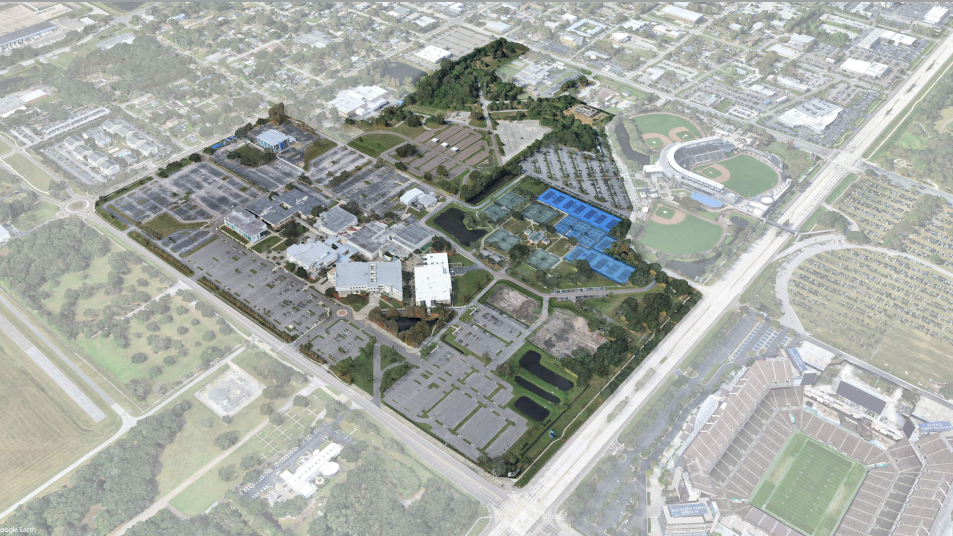
The Rays’ March 3, 2026 community session offered more than a new rendering. It gave Tampa Bay residents a clearer sense of how the proposed Hillsborough College ballpark could reshape the region’s economy. Local reporting highlighted the project’s scale and long‑term financial footprint. FOX 35 Orlando reported that the stadium and mixed‑use district could generate an estimated $34 billion in economic impact and create nearly 11,900 jobs across construction, operations, and surrounding development.
MORE SPORTS – SPORTS TALK FLORIDA
The project’s $2.3 billion price tag reflects a broad vision that extends far beyond baseball. The Rays and Hillsborough College leadership described a district designed to attract year‑round activity, with retail, housing, and public spaces built into the plan. That approach aims to create a steady flow of revenue rather than relying solely on game‑day crowds. The team’s representatives emphasized that the stadium would anchor a larger redevelopment strategy, one that could lift nearby neighborhoods and expand the tax base.

Local media also noted that the project’s economic promise depends on continued negotiations between the Rays, Hillsborough College, and local government. Funding talks remain ongoing, and community feedback will influence the final scope. Still, the early projections underscore the franchise’s belief that the ballpark can serve as a long‑term economic engine for Tampa.
Key design features highlighted in the new rendering
The March 3 rendering offered the clearest visual yet of the Rays’ proposed stadium. Spectrum News Bay News 9 described a revamped Hillsborough College Dale Mabry campus with a compact, modern ballpark at its center. The design includes a fully enclosed roof to protect fans from Florida’s heat and storms, ensuring consistent scheduling and comfortable viewing conditions. The indoor layout also supports non‑baseball events, which could increase revenue and community use.
The rendering showed a stadium integrated into a walkable district with plazas, green space, and mixed‑use buildings. WUSF reported that the Rays envision a development that blends with the campus environment while creating new public gathering areas. The team highlighted improved transit access and pedestrian‑friendly pathways, signaling a shift toward a more urban, connected ballpark experience.
USA Today noted that the Rays have released multiple renderings over the years, but this version reflects the most advanced iteration of their Hillsborough College plan. The March 3 session marked the first of three community engagement meetings, giving residents a chance to react to the design and offer input before the next round of revisions. Yahoo reported that more than 100 students, faculty members, fans, and residents attended the opening session, underscoring the community’s investment in the project’s future. Yahoo
Why the rendering matters for Tampa Bay’s future
The Rays’ latest design signals a commitment to staying in the region while building a stadium that reflects modern expectations for comfort, accessibility, and year‑round use. The economic projections and design features suggest a project that could reshape the Dale Mabry corridor and strengthen the team’s long‑term presence. The next steps hinge on public feedback, funding agreements, and continued collaboration between the Rays and Hillsborough College.