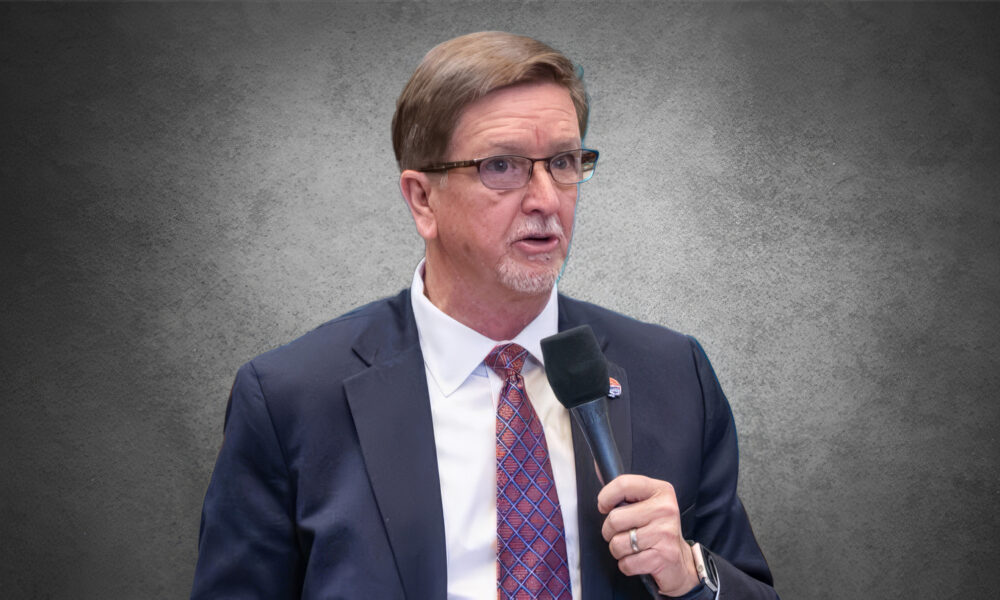
A new bill would block Florida cities and counties from setting their own rules on water quality, wetlands and pollution control.
HB 479, filed by Republican Rep. Randy Maggard of Pasco County, would bar local governments from adopting any laws or policies dealing with water quality or quantity, pollution control, pollutant discharge prevention or removal, and wetlands. Those powers would be fully preempted to the state.
It would also require that the Department of Environmental Protection (DEP) notify the Chief Financial Officer if a city or county violates state preemption, and would require the CFO to withhold state funds from local governments if they violate state preemption.
The bill includes limited exceptions, such as interlocal agreements between DEP and any agency, water management district, or local government conducting programs affecting the water resources of the state.
HB 479 would also create an exemption that allows regulations needed to operate a local water, wastewater or stormwater systems, and would repeal a separate statute on land management review teams. That statute requires water management districts to convene multiagency review teams that evaluate whether district-owned conservation and recreation lands were being managed according to their approved plans.
Maggard filed a nearly identical bill in 2023 that died in the Water Quality, Supply & Treatment subcommittee. Reporting by the Florida Phoenix speculated that the bill was filed after Maggard’s nephew removed an eagle nest on his property against regulations, leading to the realization that building plans for the property did not match wetlands mapping.
The 2023 bill also incited outcry among environmental advocacy groups, such as the Friends of the Everglades, that decried a lack of protection for existing local wetlands and water quality protection laws. Republican Sen. Danny Burgess, a close ally of Maggard’s, carried the associated Senate bill.
“The laxity of state law and lack of enforcement is why cities and counties feel compelled to adopt tougher local rules in the first place,” Friends of the Everglades said about the 2023 bill. “If the state was doing a bang-up job protecting water quality and fighting pollution, we wouldn’t need local clean-water regulation.”
Critics of the new bill say local governments are best positioned to protect Florida’s water resources and encourage partnership across all levels of government. They added that state regulations are often more relaxed than local protections for natural resources.
“Florida’s environment is as diverse as it is vast, and counties are best positioned to protect their unique water resources through locally tailored regulation and restoration efforts,” said Cragin Mosteller, the Florida Association of Counties Deputy Executive Director of External Affairs. “Working closely with our federal, state, and regional partners is essential to ensuring clean, healthy water for every community.”
The measure would take effect July 1, 2026. Maggard did not immediately return a request for comment on this story.