
Politics
Randy Fine seeks to annex Greenland and make it a state

Politics
Nick DiCeglie bill exempting heated tobacco products from cigarette taxes clears first committee
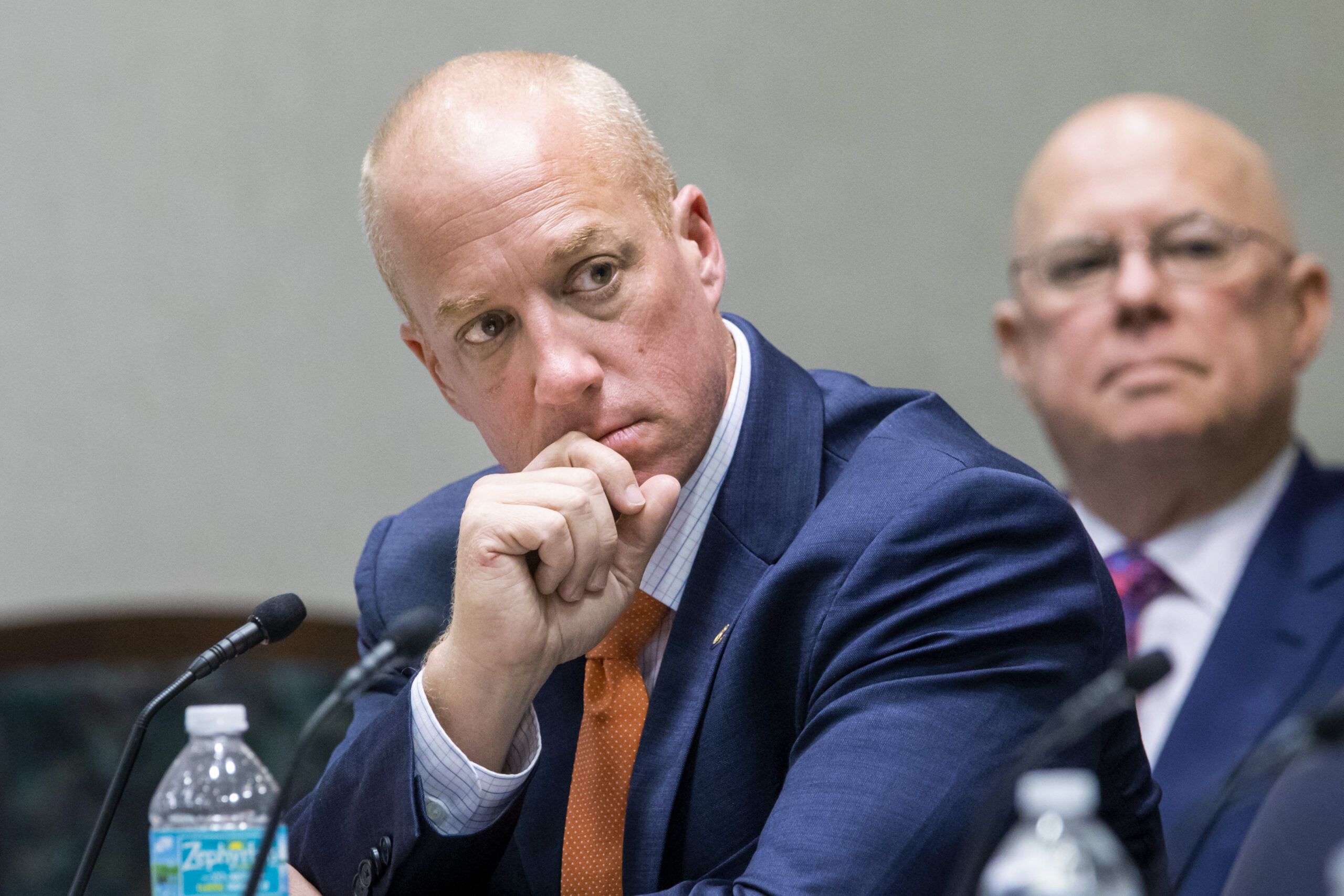
A bill aimed at changing how Florida taxes emerging tobacco alternatives has cleared its first committee stop this week with little opposition.
Sen. Nick DiCeglie, a St. Petersburg Republican, presented SB 754 before the Senate Committee on Regulated Industries, where it was reported favorably without debate.
The proposal would create a statutory definition for “heated tobacco products” and exempt those products from being taxed as cigarettes. Under current law, cigarettes are subject to a specific excise tax, while other nicotine products such as vaping devices are not. DiCeglie said the bill is designed to treat heated tobacco products more like vapes for tax purposes.
“This bill will statutorily define heated tobacco product, and excludes heated tobacco products from taxation as cigarettes,” DiCeglie told the committee Monday.
DiCeglie said heated tobacco products are a less harmful alternative to traditional cigarettes, though they still contain nicotine. He said the products heat tobacco rather than burn it, and claimed they contain significantly fewer harmful additives and toxins.
“We know that cigarettes are incredibly harmful, and this heated tobacco product is an alternative to that,” DiCeglie said. “This product has around 95% less harmful additives and toxins and all of those things, and is very similar to the vape product.”
DiCeglie said the bill aims to provide a tax incentive for smokers who may be trying to move away from combustible cigarettes.
According to the bill text, SB 754 defines heated tobacco products as tobacco-containing devices that heat, but do not burn, tobacco and produce an inhalable aerosol rather than smoke. The bill specifically removes heated tobacco products from both the cigarette excise tax and Florida’s “other tobacco products” tax category, while making conforming changes to state statutes.
Democratic Sen. Darryl Rouson raised concerns about youth access, citing issues with minors obtaining vaping products. DiCeglie acknowledged the concern, but said SB 754 is limited to tax policy and does not address age restrictions or enforcement. He said he would research existing regulations and be prepared to provide more detailed answers at the bill’s next committee stop.
“I don’t want any product to get in the hands of kids,” DiCeglie said.

With no further debate, the committee voted to advance SB 754. The measure now moves forward in the legislative process as lawmakers head into the 2026 Legislative Session starting Tuesday.
Politics
Jared Moskowitz demands the House Judiciary Committee investigate DOJ inquiry of Federal Reserve
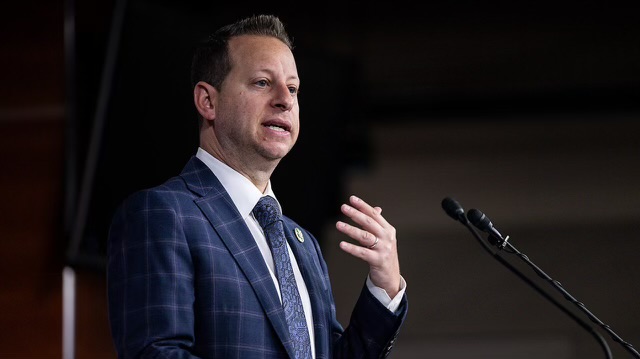
U.S. Rep. Jared Moskowitz wants the House Judiciary Committee to investigate the Justice Department’s inquiry of Federal Reserve Chair Jerome Powell.
After the Fed released a video statement from Powell saying the agency was subpoenaed over costs of a building project, the Parkland Democrat called into question the motives of the Donald Trump administration’s investigation, specifically the actions of Attorney General Pam Bondi.
Moskowitz said U.S. Rep. Jim Jordan should follow the lead of Senators and check the administration’s power.
“As a member of the Judiciary Committee, I hereby am calling for Chairman Jordan (former chair of the Weaponization committee, ironic) to open an immediate investigation into the DOJ inquiry of Fed Chair Jerome Powell,” Moskowitz posted on X.
Under Democratic President Joe Biden, Jordan, an Ohio Republican, led a Select Subcommittee on the Weaponization of the Federal Government. That focused on investigations by the Democratic administration that Republicans in Congress alleged were targeting political opponents, including Trump.
But Democrats say the Department of Justice under Trump has been used to attack critics, including former FBI Director James Comey and New York Attorney General Leticia James, who were both indicted under Bondi only to see courts quickly dismiss charges.
Powell, who has been at odds with Trump over interest rates, has maintained that attacks on the cost of renovations of the Fed’s headquarters were incorrect. He criticized the launch of a criminal investigation
“The threat of criminal charges is a consequence of the Federal Reserve setting interest rates based on our best assessment of what will serve the public, rather than following the preferences of the President,” Powell said.
“This is about whether the Fed will be able to continue to set interest rates based on evidence and economic conditions — or whether instead monetary policy will be directed by political pressure or intimidation.”
Trump and Powell famously engaged in an argument at a press conference in July about whether the costs of the building renovations had exceeded $3 billion. Powell said that calculation can only be reached by including prior renovation costs completed nearly six years ago. Trump at the event said he would back off the questions about renovation costs if Powell lowered interest rates.



Billionaire philanthropist MacKenzie Scott donates $45 million to LGBTQ+ youth hotline organization, The Trevor Project

Brittany Furlan Files Restraining Order Against Ronnie Radke

Bristol in spring is Sephora’s new regional target via Hammerson’s Cabot Circus
-

 Politics8 years ago
Congress rolls out ‘Better Deal,’ new economic agenda
-
Entertainment8 years ago
New Season 8 Walking Dead trailer flashes forward in time
-
Politics8 years ago
Poll: Virginia governor’s race in dead heat
-
Politics8 years ago
Illinois’ financial crisis could bring the state to a halt
-
Entertainment8 years ago
The final 6 ‘Game of Thrones’ episodes might feel like a full season
-
Entertainment8 years ago
Meet Superman’s grandfather in new trailer for Krypton
-
Business8 years ago
6 Stunning new co-working spaces around the globe
-
Tech8 years ago
Hulu hires Google marketing veteran Kelly Campbell as CMO