Sports
Proof Long Shots Still Win: A Historic Underdog Betting Story
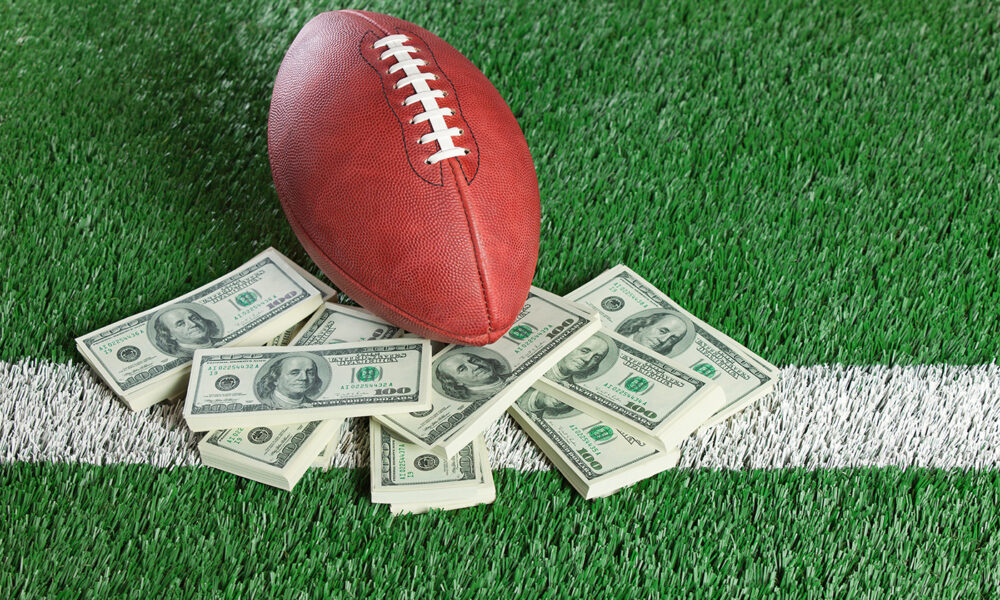


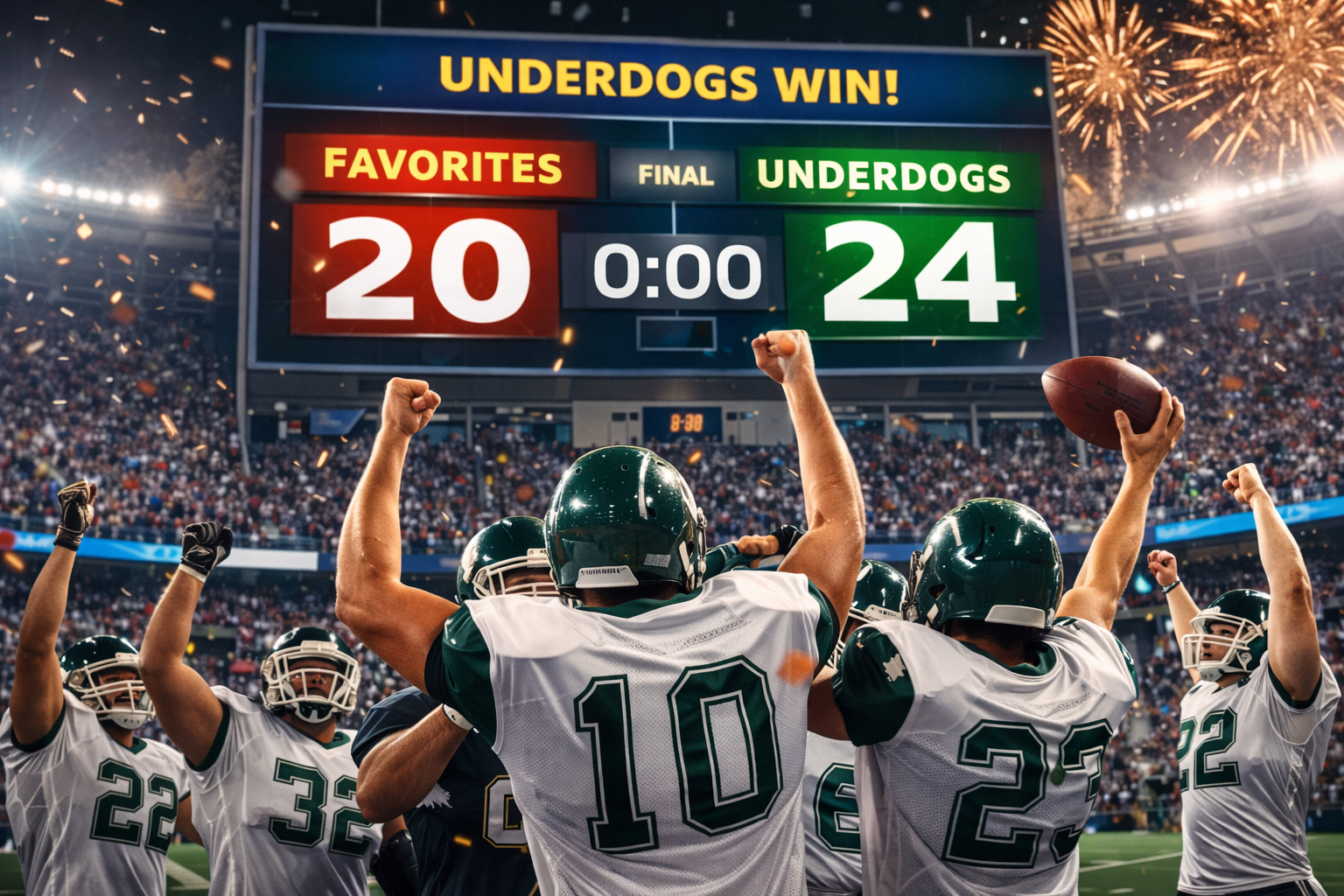
Most games go the way you expect. Then one doesn’t. A favorite tightens up, the noise flips, and the script falls apart in real time. Sports history is built on those moments. The ones that remind you why long shots never fully disappear.
Every sports fan says they love an underdog, right up until it’s time to put real belief behind it. Most of the time, the favorite feels safe. The numbers line up and the experts agree: the outcome is all but settled before kickoff. But every so often, a game blows that thinking apart. Not because the math was wrong, but because the game didn’t care. If you’ve watched sports long enough, you already know this feeling. Long shots don’t show up often, but when they do, they rewrite the story.
The Original Long Shot That Changed Everything
If you want the cleanest proof that long shots can hit, you don’t need to dig through obscure box scores. You start with Super Bowl III.
In January 1969, the New York Jets walked into that game as an 18-point underdog against the Baltimore Colts. The Colts were seen as the better team by miles. They had the experience, the pedigree and the backing of almost every voice that mattered. All they needed to do to win was show up.
The Jets were from the AFL, a league many people still treated like a warm-up act. Most folks didn’t expect a contest. They expected a lesson.
Instead, they got a shock.
The Jets won 16–7, not on a fluke play or a late bounce, but by controlling the game. Joe Namath threw for 206 yards, didn’t turn the ball over and did exactly what he promised. New York’s defense held a Colts offense that averaged over 28 points per game that season to a single touchdown. That result didn’t just flip a scoreboard. It cracked the idea that favorites were untouchable.
You can still trace the weight of that moment through the league’s own history, right down to how it’s remembered by the Jets themselves. One game. One long shot. And suddenly, believing the favorite is no longer a sure bet.
Fast-forward to now and the Super Bowl build-up looks slicker, but the thinking hasn’t changed much. By kickoff, you’ve already been told who should win and by how much. Numbers pile up, trends get recycled, and confidence gathers around one side while the other fades into the background.
Coverage leans hard on stats and projections: offensive efficiency, defensive rankings, red-zone numbers. By the final week, the outcome feels settled. Even when analysts hedge, the message is clear. One team is expected to handle business.
You see that machine at work every year in pre-game prediction coverage. It’s smart and mostly sensible. It also creates blind spots. When everyone agrees, surprise slips out of the conversation. That’s usually when sports steps in and says otherwise.
Super Bowl III wasn’t the last time a massive underdog flipped the script. Sports history is scattered with moments where pricing looked absurd until the final whistle blew.
Super Bowl XLII delivered one of the clearest modern examples. The New York Giants entered as 12-point underdogs against the undefeated New England Patriots. The Patriots were chasing a perfect 19–0 season and were widely viewed as unstoppable. Instead, the Giants’ defensive pressure and David Tyree’s now-legendary helmet catch sealed a 17–14 upset that shattered both projections and public betting slips.
College football produced a similar shock in 2007 when Stanford, a 41-point underdog, defeated No. 2 USC on the road. It remains one of the largest point-spread upsets in NCAA history and a reminder that even extreme pricing can miss hidden matchup dynamics.
When the Math Doesn’t Match the Moment
This is the part where things get uncomfortable for anyone who treats numbers like guarantees. Odds are built on consensus. They reflect where money flows, how the public feels and what history says should happen next.
Should.
To understand the scale of these shocks, it helps to look at betting payouts. An 18-point underdog like the Jets in Super Bowl III would have carried a large moneyline price, meaning even small wagers could return outsized profits. Long-shot victories don’t just reshape history. They produce some of the biggest single-game betting payouts ever recorded.
They don’t predict emotion, panic, or the weird momentum swings that show up when the underdogs start to bark instead of howl.
You see it every postseason. One team looks solid on paper, carries the better record and owns all the stats that matter. The other gets framed as a nice story that’s about to end. That gap is exactly where the long shots live. Not because they are common, but because the math leaves just enough space for the chaos of sport.
Around those moments, fans start exploring the wider betting landscape tied to major games, including championship-week sports betting promos and boosted odds offers that surface during Super Bowl build-up. These markets don’t just reflect fan excitement. They show how sportsbooks anticipate heavy underdog interest when historic narratives start resurfacing.
Not All Underdogs Look the Same
Underdogs aren’t always teams walking into a title game with nothing but public doubt and a movie-script dream. Sometimes it’s a player whose path doesn’t line up with the hype that came before it. Draft nights fall apart. Expectations cool off. Careers start a little further back than planned.
That’s why stories like Shedeur Sanders landing a Pro Bowl spot caught so much attention. He wasn’t handed a smooth runway into the league, and his name alone didn’t protect him from questions once the draft wrapped up. Getting from that point to league recognition wasn’t a straight line, and people noticed because those turns don’t show up in projections.
The reaction around his Pro Bowl nod says a lot about how fans process surprise, especially when the path looks different from the usual script. You watch enough football and you start to respect these moments. They aren’t miracles. They’re reminders that expectations don’t always get the final say.
And frankly, that’s why football is so well-loved. It’s predictable and full of stories that form lore and legends.
Modern playoff football keeps delivering similar reminders. Recent postseason runs have featured wildcard teams upsetting top seeds despite double-digit spreads and heavy public betting against them. The parity built into today’s league structure means talent gaps are often thinner than market perception suggests, which keeps long-shot pricing relevant even in advanced analytics eras.
Why Long Shots Still Exist in a Data-Heavy Era
It’s tempting to think modern sports should be fully solved by now. There’s more data, sharper models, and constant analysis. Yet the betting market keeps growing, which tells you something isn’t getting ironed out. Sportsbooks set odds using a blend of statistical modeling, injury reports, matchup simulations and betting flow. Once markets open, pricing shifts based on where money lands. That means underdog lines sometimes lengthen not purely on probability, but on public sentiment leaning heavily toward favorites.
In 2024, the global sports betting market generated USD 100.9 billion in revenue. Projections put that figure at USD 187.39 billion by 2030, with a 10.9% annual growth rate driving the increase. That growth doesn’t come from people believing every favorite will cruise. It comes from disagreement. From fans backing their read of a game instead of the consensus.
The United States alone accounted for USD 17.94 billion in sports betting revenue in 2024, with forecasts reaching USD 33.18 billion by 2030. Football continues to sit at the center of that action, especially around playoff runs and the Super Bowl. Even with all the numbers available, outcomes still slip free. That’s why underdogs don’t disappear. The game stays human, and the market reflects that.
For bettors, long shots aren’t about blind faith. They’re about identifying spots where public perception may have overcorrected. Situations like injured favorites, weather-impacted games, or defensive mismatches can quietly tilt value toward the underdog. The goal isn’t betting on every outsider. It’s recognizing when pricing leaves room for disruption.
Proof Isn’t About Frequency
Long shots aren’t supposed to hit often. If they did, they wouldn’t be long shots. What sports history keeps showing, though, is that belief backed by the right moment can still crack the script.
Long shots aren’t supposed to hit often. If they did, markets would collapse under the weight of unpredictability. What sports history proves instead is that belief, timing and matchup chaos can still crack even the strongest consensus.
From Super Bowl III to modern playoff shocks, the lesson holds. Favorites win most of the time. But the existence of “most” is exactly why underdogs never disappear — and why bettors never fully stop looking their way.
Frequently asked questions
What is the biggest underdog win in Super Bowl history?
Super Bowl III remains one of the most iconic, with the Jets defeating the heavily favored Colts.
Do long shots win often in sports betting?
No. By definition, they win infrequently, but history shows they hit often enough to remain part of betting strategy discussions.
Why do sportsbooks offer long-shot odds?
Odds reflect probability and betting demand. Pricing long shots accurately ensures balanced risk exposure for sportsbooks.