
Politics
PMI U.S. has invested $20B across the U.S. since 2022

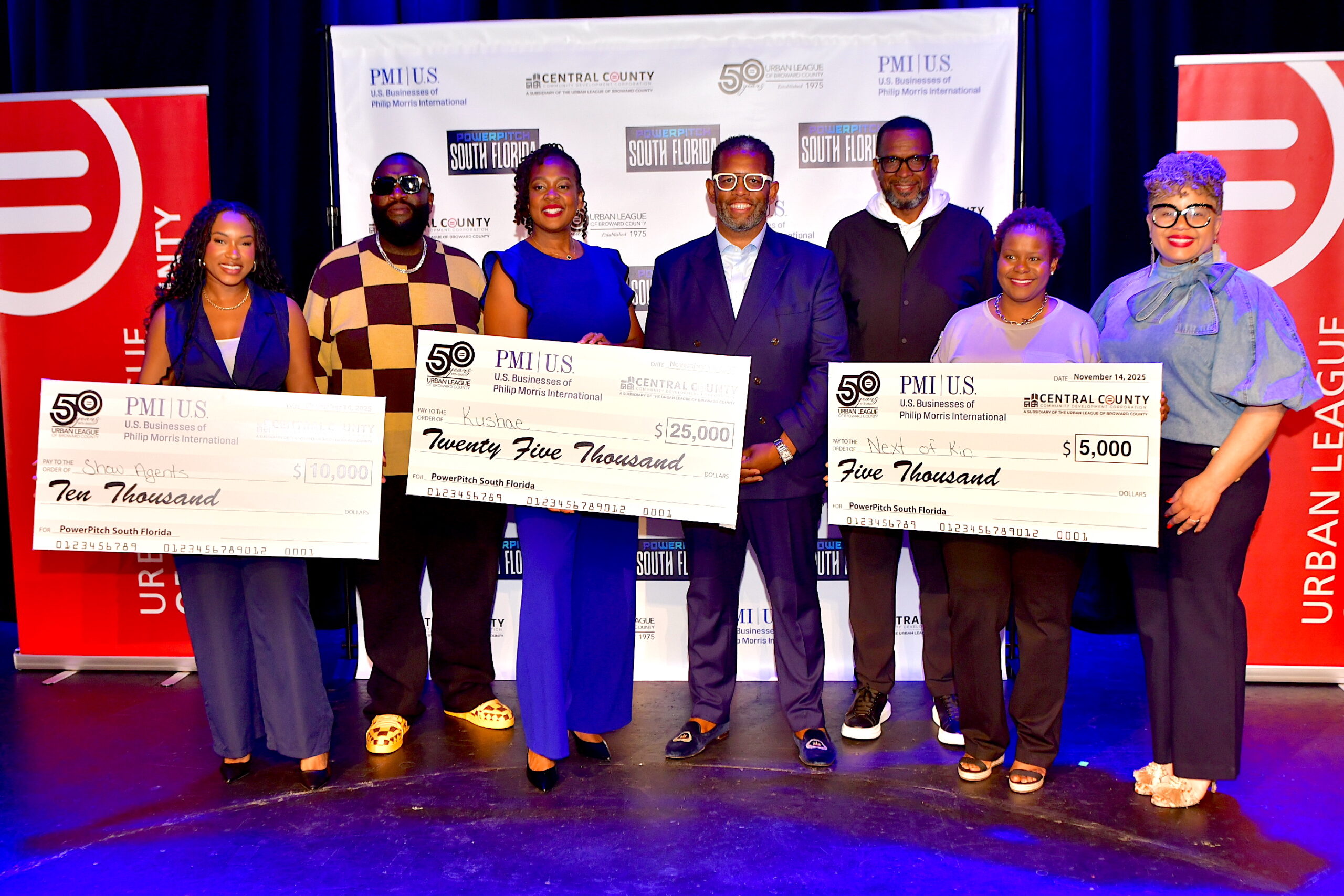
Philip Morris International and its U.S. businesses (PMI U.S.) have invested more than $20 billion since 2022 to acquire, and invest in, U.S. manufacturing capabilities, commercial rights, infrastructure and jobs.
Most of the investments, totaling $19 billion, occurred in 2022, including acquisition of Swedish Match, which generates most of its revenue in the U.S. Since then, PMI U.S. has invested more than $1 billion, as of Sept. 30, including investments in Colorado, Kentucky and North Carolina, which are expected to generate more than 1,000 direct and 1,500 indirect jobs. Economic impact from those investments is estimated at more than $800 million.
“We’re investing in the country’s future, starting with accelerating the shift to a smoke-free America, a nation free from cigarettes,” PMI U.S. CEO Stacey Kennedy said.
“Being fully invested in America begins with making better products and leading an industry transformation responsibly, but it extends far beyond that. Guided by innovation, a sustained focus on impact, and a deep commitment to the communities where we live and work, we’re creating high-quality, high-skill jobs and strengthening the places that power our workforce.”
PMI U.S. investments add to the more than $35 million in charitable giving the company has pledged since 2022, with nearly $12 million donated in 2025 across nearly 600 nonprofit organizations in 47 states and the District of Columbia.
“PMI U.S. expects to make substantial additional investments in manufacturing, operations, and people, further supporting U.S. jobs and legal-age nicotine consumers — ensuring the 30 million U.S. adults who still smoke cigarettes have access to better, science-based alternatives,” Kennedy said.
PMI U.S. is a major American employer, growing its workforce from just several hundred employees to more than 3,000 today, with a modern mission of establishing modern nicotine to deliver a smoke-free America. The company plans to continue growth and increase its investments following the launch of its IQOS ILUMA product, which is awaiting U.S. Food and Drug Administration (FDA) authorization.
The company has committed itself to driving innovation and helping adult smokers 21 and older switch to less harmful alternatives, including heated tobacco.
The company is leading the smoke-free transition in the U.S. through both heated tobacco and nicotine pouches. The company’s affiliates hold 80% of all modified risk tobacco product authorizations and 41% of premarket tobacco product application marketing granted orders from the FDA, including ZYN, the nation’s most popular smoke-free product.
PMI U.S. announced in September it had made $1.3 million in philanthropic efforts in Florida alone in 2021, including advocacy for veterans, supporting literacy and funding student scholarships through the state’s school choice programs.

That includes a $100,000 donation to the Wounded Veterans Relief Fund for its Critical Dental Assistance Program providing vital dental services to disabled veterans across the state.
In November, PMI U.S. entered into a partnership with the Urban League of Broward County with a $400,000, three-year donation designed to expand economic opportunity for small businesses and accelerate economic development across South Florida.
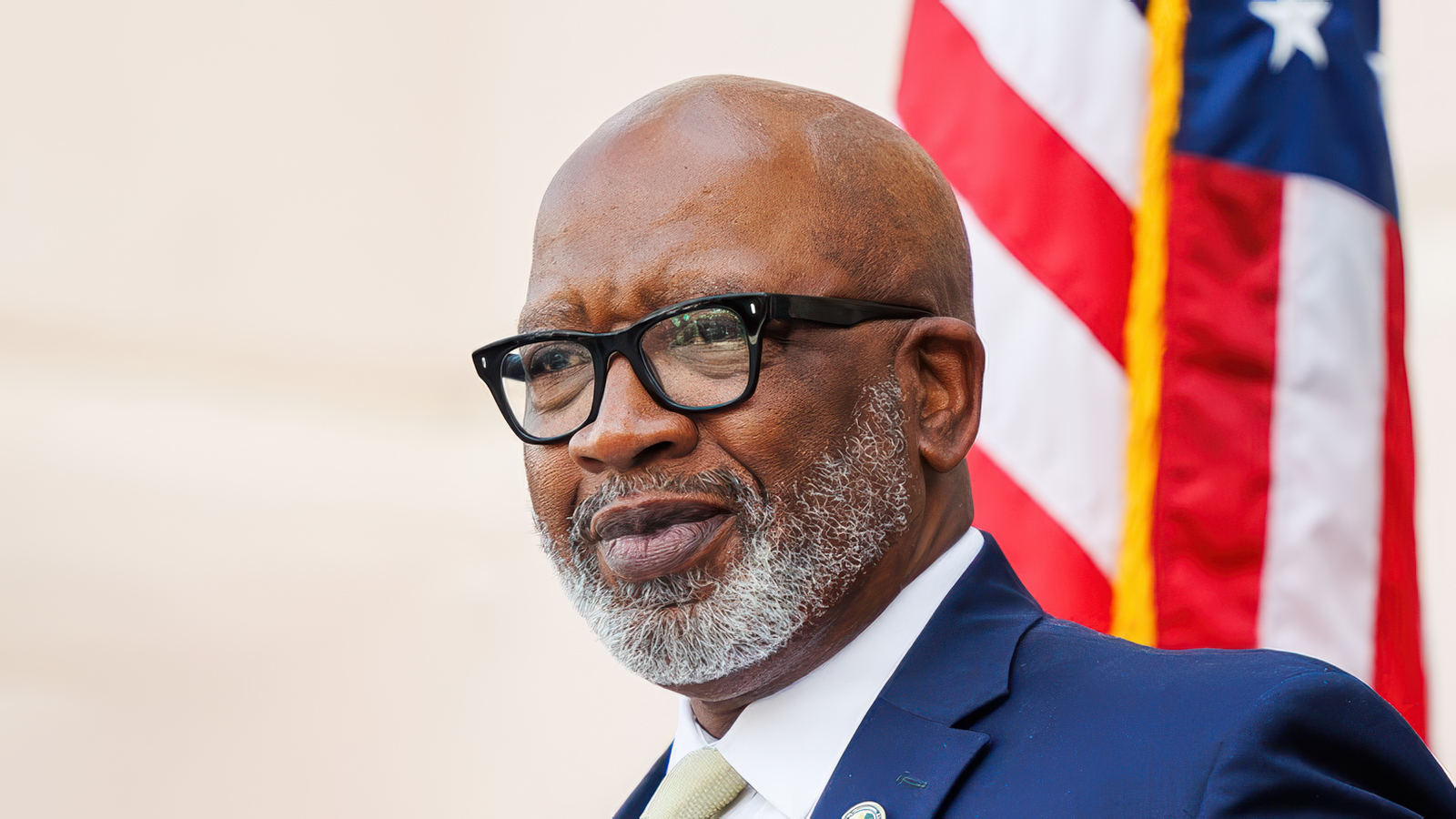
Mayor Ken Welch’s reelection campaign has recently taken two significant hits: His warchest was allegedly robbed of over $200,000, and a formidable opponent in the St. Petersburg race reported a fundraising windfall.
Welch, who has remained mum on the recent setbacks, insists he is not down for the count. He expressed confidence in his ability to overcome challenges and pride in his community-based support.
“We’ve been here,” Welch told the Catalyst. “We’ve been in the battle, and our opponent has not.”
The incumbent was referring to former Florida Gov. Charlie Crist, who is mulling a mayoral campaign in his hometown. A political committee created to gauge support for his potential run, St. Pete Shines, raised $338,687 between Nov. 12 and Dec. 31, according to state records.
St. Pete Shines also transferred $336,458 from Friends of Charlie Crist, a disbanded political action committee (PAC) established in 2022 to support his last gubernatorial bid. The challenger now has $712,283 on hand, nearly 15 times the amount remaining in Welch’s account.
Welch’s political committee, The Pelican, raised $282,800 last year. However, former treasurer Yolanda Brown stands accused of stealing $207,500.
Chairperson Adrienne Bogen said in a prepared statement that the committee “assumed the funds would be returned.” The money is still missing, and The Pelican is “in the process of notifying the appropriate state and federal authorities.”
When asked if he was concerned about the situation’s campaign impacts, Welch said, “Not at all.”
“I’ve been in family businesses that have been the victims of theft, and it’s a horrible feeling,” he added. “Anyone who has been through that understands it. But you can’t let that deter you from doing the job.”
Welch said his team “did exactly what they should have done the minute they saw the disparity – they reported it.” They also uncovered “what looks like a lot of bad activity” by Brown.

In 2024, Brown, working under the name Yolanda Cheers, paid $330,000 to settle a plea deal for felony grand theft and embezzlement charges in Alameda County, California. Her alleged misappropriations occurred in 2016; she was charged three years later.
Treasurers typically oversee campaign bank accounts, with candidates and other staff often relying on subsequent reports for financial information. A spokesperson for The Pelican said Brown was “brought on by someone no longer involved in the race,” and her onboarding process is “unknown at this time.”
Welch said Brown’s reports “always lined up.” He also noted that she had an extensive client list of elected officials. “I think that’s how she came to us – as a well-known entity who has done this type of work across the state.”
“People understand the real world,” Welch said. “They understand – if they understand political committees – that I don’t have oversight over that. So, no, I’m not concerned about that. The folks who contributed believed in the purpose of that PAC and moving our city forward.”
Donors who have discussed the issue with Welch are also “not concerned,” he said. The mayor believes he and his administration have “done well” in managing a $1.2 billion budget, 3,700 employees, exponential growth, an affordable housing crisis and the impacts from multiple hurricanes.
“We know what we’re doing,” Welch continued. “And I think our folks have faith in us moving forward.”
Crist is also a former attorney general and congressional representative. Welch plans to lean on 25 years of experience in local government, which is “closest to the people.”
Welch noted that he overcame a seemingly insurmountable fundraising deficit during his mayoral campaign. “But more important than that, we’ve been here doing the work for five years,” he said.
“You can’t buy that.”
Crist will not put a limit on fundraising efforts in Florida’s most expensive television advertising market. Welch said he will not try to match “dollars for dollars from Washington PACs and politicians from other states and Tallahassee.”
He plans to raise just enough money to “get our message out.” Welch said residents have already “seen us do the job here,” and pledged not to drop out of the race. “We want to finish the job.”
His supporters “work, live and generate jobs and progress right here in our city,” Welch said. State records show that 43 of 65 donor addresses, 66%, are from St. Petersburg or Pinellas County.
“It’s not outsiders and outside influence,” Welch said. “We’re proud of that. I’m proud of our principles, and we’ll continue to reflect that.”

As Florida’s 2026 Legislative Session approaches, artificial intelligence is expected to be a major focus among Tallahassee’s policymakers. Driven by Gov. Ron DeSantis’ calls for greater regulation, the legislature has already filed at least 32 bills ranging from embracing the new technology to banning it. But before legislators weigh these proposals, they should review the protections Florida has already put in place.
The House got a head start on the subject during their inaugural AI Week, convening various agencies, industries, and practitioners to discuss how they are approaching the emerging technology. As legislators consider new AI proposals, they would do well to heed the advice of Leo Schoonover, Chief Information Officer at the Department of Health, who urged the state in an early IT Budget & Policy Subcommittee meeting to “set the floor, not the ceiling.”
Schoonover has reason to be confident.
Over the past few years, Florida has set a strong “floor” of accountability for AI, in some cases without even trying. Those who testified before House committees repeatedly noted that Florida’s existing legal framework already addresses many of the concerns people have about AI. This is largely because preexisting laws tend to be process-neutral, providing penalties for harmful outcomes regardless of the tool or technology used.
Whether the technology is a chatbot, image generator, or diagnostic tool, the same accountability principles apply.
Consider the state’s protections against unauthorized commercial use of someone’s likeness. In 1967, long before generative AI was conceivable, lawmakers established penalties for profiting from a person’s identity without consent. While some fear that AI-generated media might evade these restrictions, the original statute focuses on the transgression rather than the method. Unauthorized profiteering remains illegal, whether the image is captured by a camera or generated by an algorithm.
The same accountability principles apply across licensed professional practices. The Florida Bar testified that lawyers who cite AI-hallucinated cases already face disciplinary action under longstanding ethics rules that predate the technology. Similarly, health care providers confirmed that physicians remain fully liable for any incorrect AI-assisted diagnosis or documentation under existing malpractice standards. Physicians, therefore, have strong reason to actively verify AI outputs rather than defer to them without scrutiny. In both professions, existing accountability structures discourage over-reliance without requiring AI-specific regulation.
Where regulatory gaps have arisen, the Legislature has moved to close them. Since 2022, the Legislature has reaffirmed that willfully promoting an altered sexual depiction of someone without their consent is illegal, most recently with the passage of “Brooke’s Law” last Session. In 2024, the Legislature passed requirements for political advertisements to include a transparency disclosure when content is created using AI. These efforts extend the same process-neutral logic to new contexts, keeping the focus on the harm itself rather than the technology used to commit it. If new gray areas arise in the future, Florida can and should apply the same framework when drafting new protections.
AI Week offered Florida a model for approaching novel technologies. Legislators heard directly from the agencies, industries, and practitioners who work with these tools every day. That kind of informed deliberation is exactly what good policymaking looks like. Florida has taken Schoonover’s approach without even realizing it. Through decades of process-neutral law, Florida has built a strong floor of consumer protection, while recent legislation has filled gaps where needed.
In the upcoming Session, legislators have a chance to build upon that foundation rather than abandon it. The floor is already there. All that’s left is deciding whether to trust it.
___
Turner Loesel is a policy analyst in the Center for Technology and Innovation at The James Madison Institute.
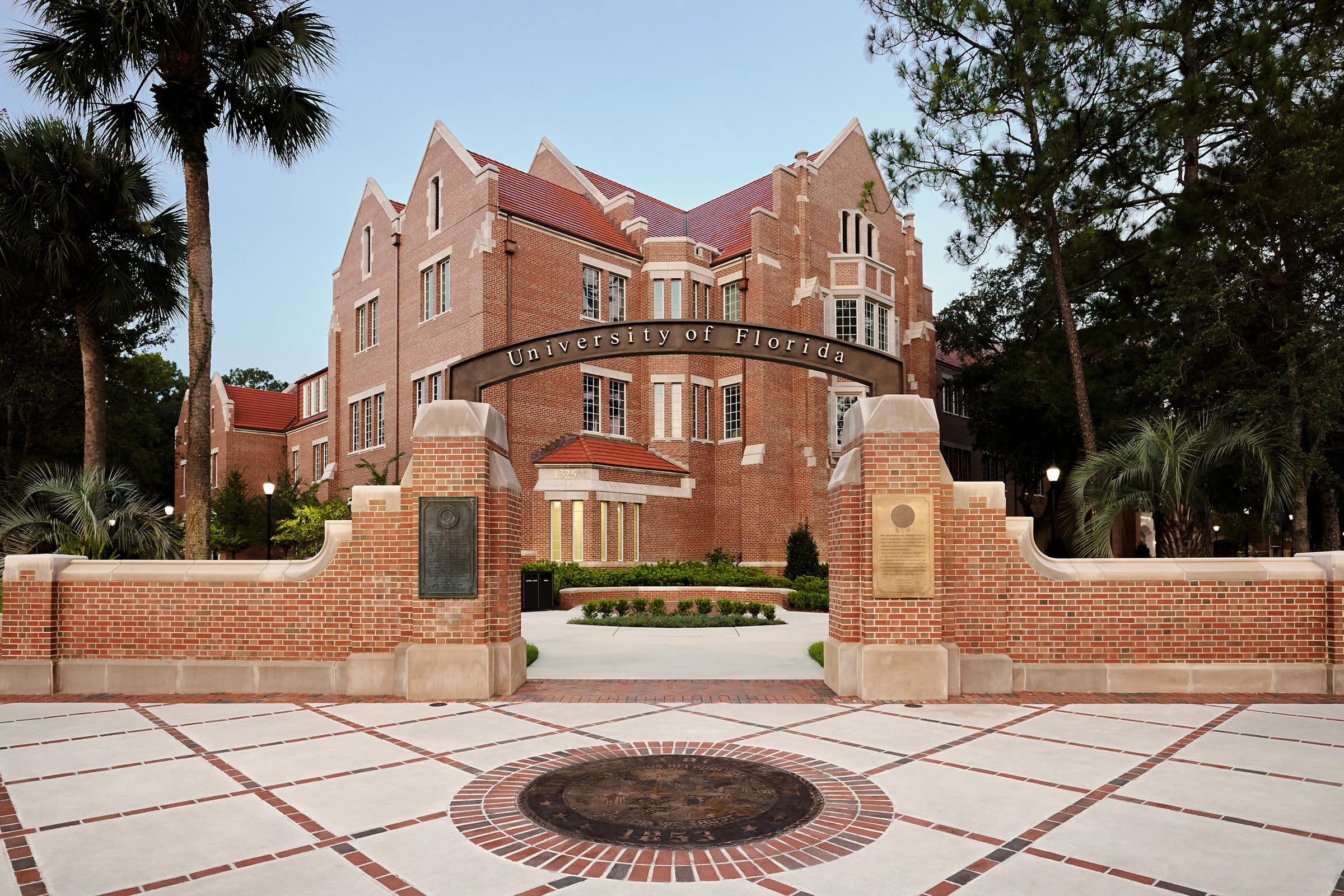
Seven Florida public universities are earning recognition for outreach to their respective communities in the state.
The State University System (SUS) of Florida announced that the Carnegie Foundation awarded the schools with the 2026 Community Engagement Classification. The award, which is designated by the American Council on Education and Carnegie Foundation for the Advancement of Teaching, highlights colleges and universities that are involved in the community.
The Sunshine State schools receiving the recognition include Florida Atlantic University, Florida Gulf Coast University, Florida International University, Florida State University, the University of Florida, the University of North Florida and the University of South Florida. Of the 12 state universities in Florida, the University of Central Florida and the University of West Florida also obtained the honor in 2024.
“Florida’s public higher education system leads the nation because our focus extends past handing out degrees; our institutions care about their impact on their communities, statewide, and beyond,” said SUS Board of Governors Chair Alan Levine.
“From nursing to engineering to aerospace technology, our academic programs are serving students and Floridians through innovative research and experiential learning that solve today’s challenges and prepare tomorrow’s leaders.”
Carnegie officials note that 230 U.S. higher-education institutions were selected for the award.
“The Community Engagement Classification is awarded following a process of self-study by each institution. The classification has been the leading framework for institutional assessment and recognition of community engagement in U.S. higher education for the past 19 years with classification cycles in 2006, 2008, 2010, 2015, 2020, 2024, and now 2026. The 2029 cycle will be for first-time applicants,” a Carnegie news release said.
SUS officials say the schools never shied away from giving back to residents.
“Under the System’s strategic plan, universities prioritize engaging stakeholders in their communities to elevate student and economic outcomes, and to cultivate prepared and engaged citizens,” said SUS Chancellor Ray Rodrigues.
“Recognition through the Community Engagement Classification demonstrates this plan in action, proving that our universities are a comprehensive resource for communities and businesses across the state and serve Floridians in the ways that matter most.”



America’s $952 billion annual burden: The math behind the exploding interest on the national debt

Hollywood’s Going Full 2016 — Celebs Bring Back Flash-Photo Chaos!

Gabriela Hearst names Cohen its new president
-

 Politics8 years ago
Congress rolls out ‘Better Deal,’ new economic agenda
-
Entertainment8 years ago
New Season 8 Walking Dead trailer flashes forward in time
-
Politics9 years ago
Poll: Virginia governor’s race in dead heat
-
Politics8 years ago
Illinois’ financial crisis could bring the state to a halt
-
Entertainment8 years ago
The final 6 ‘Game of Thrones’ episodes might feel like a full season
-
Entertainment8 years ago
Meet Superman’s grandfather in new trailer for Krypton
-
Business8 years ago
6 Stunning new co-working spaces around the globe
-
Tech8 years ago
Hulu hires Google marketing veteran Kelly Campbell as CMO